
Sauces & Condiments
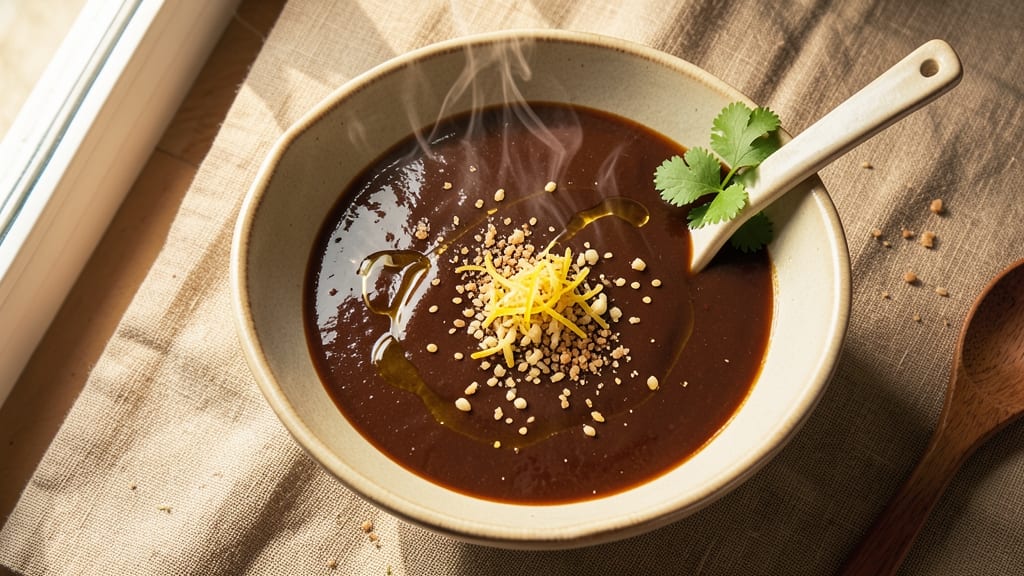
This chowmein sauce recipe unlocks the secret to restaurant-quality stir-fry flavor in just 15 minutes—bold umami, perfect balance, and that signature sticky-sweet richness.
The magic lies in simmering soy sauce, oyster sauce, and a touch of sugar until the flavors meld into a glossy, aromatic sauce that transforms simple proteins and vegetables into a showstopping dish.
I developed this version after years of testing, and it never fails to deliver that perfect harmony of salty, sweet, and savory notes.
The beauty of this sauce is its versatility—it works equally well with traditional chowmein noodles or as a marinade for grilled meats. The key ingredients—soy sauce, oyster sauce, sesame oil, and a hint of sugar—create a flavor profile that’s both complex and foolproof.
Unlike store-bought versions, this homemade sauce delivers layers of depth you won’t find in a bottle, with the flexibility to adjust sweetness or saltiness to your taste.
What you’ll end up with is a glossy, aromatic sauce that clings perfectly to noodles, meat, or vegetables, amplifying their flavors without overpowering them. The simmering process reduces the sauce just enough to create a velvety consistency that’s neither too thin nor too thick—ideal for tossing or drizzling.
This is the kind of sauce that turns a simple stir-fry into a dish worth repeating, again and again.
Whether you’re cooking up a classic chowmein or using it as a glaze for grilled chicken, this sauce is your secret weapon. The best part? It keeps well in the fridge for up to a week, so you can make a big batch and have it ready whenever cravings strike.
Let’s get started!
Ingredients for chowmein sauce
Nine simple ingredients transform into restaurant-quality chowmein sauce that clings perfectly to noodles and meat.
| Ingredient | Amount | Notes |
|---|---|---|
| Light Soy Sauce 🍶 | ½ cup | Kikkoman preferred for balance |
| Oyster Sauce 🦪 | ¼ cup | Lee Kum Kee for authentic umami |
| Sesame Oil 🫒 | 1 tbsp | Toasted for nutty aroma |
| Brown Sugar 🍯 | 2 tbsp | Light or dark works |
| Garlic Cloves 🧄 | 3 cloves | Minced for deep flavor |
| Fresh Ginger 🌿 | 1 tbsp | Grated, not powdered |
| Water 💧 | ¼ cup | Room temperature preferred |
| Cornstarch 🌾 | 1 tsp | For thickening consistency |
| White Vinegar 🍋 | 1 tsp | Balances sweetness |
| Red Chili Flakes 🌶️ | ½ tsp | Optional for heat |
The soy sauce and oyster sauce are your flavor anchors—Kikkoman and Lee Kum Kee are my go-tos, but any quality brands work. The sesame oil adds that signature nutty aroma, so don’t skimp on the toasted kind (the clear stuff in tiny bottles at Asian markets is perfect). Fresh ginger and garlic are non-negotiable here—powdered spices just won’t cut it. I always grab extra ginger at Trader Joe’s because it keeps for weeks in the freezer. The brown sugar brings that sticky-sweet balance, but if you prefer less sweetness, reduce it to 1.5 tablespoons and add a pinch of salt.
No oyster sauce? Hoisin sauce or extra soy sauce works in a pinch, though the umami won’t be as deep. Running out of sesame oil? A tiny splash of peanut oil mimics the nutty profile. For the thickening, cornstarch is foolproof, but arrowroot powder works too—just use the same amount. The red chili flakes are totally optional, but if you love heat, add them. Pro tip: If your sauce turns out too thin, simmer uncovered for another 2-3 minutes to reduce it. Too thick? Thin with a splash of hot water or broth. This sauce is incredibly forgiving—adjust to your taste!
This sauce tastes even better the next day as the flavors meld. Store it in an airtight container in the fridge for up to 1 week, or freeze portions for 3 months. I like to make a double batch—one for immediate use and one to freeze. When reheating, warm gently on low heat or microwave for 20 seconds. It’s perfect for tossing with noodles, drizzling over stir-fries, or even using as a glaze for grilled meats. The versatility is what makes this sauce a pantry staple!
Why You'll Love This Recipe
- Pantry Magic: I swear by this sauce—no fresh herbs, no fancy prep, just five things I always have. That sesame oil hit? Instantly turns takeout-level boring into something that tastes homemade.
- Umami Bomb: The oyster sauce and soy sauce combo is where it’s at—deep, salty, slightly sweet. Add minced garlic and brown sugar, and suddenly your stir-fry has that restaurant-quality richness without the fuss.
- Leftovers That Shine: Make a double batch and keep it in the fridge. Drizzle it on noodles, toss it with eggs, or even glaze chicken—it’s the kind of sauce that makes lazy nights feel like a celebration.
- Budget-Friendly Flex: Between us, oyster sauce and soy sauce stretch like crazy. A little goes a long way, and the brown sugar balances the salt so you’re not drowning in expensive ingredients. My wallet thanks me every time.
Step-by-step instructions for chowmein sauce
This sauce comes together faster than you can say "stir-fry"—packed with bold flavors that'll elevate any dish.
Prepare the Aromatics
In a small bowl, finely mince the 3 cloves garlic and grate the 1 tablespoon fresh ginger using a microplane or fine grater. You want the garlic to be almost paste-like and the ginger to resemble tiny grains—this ensures maximum flavor infusion. Set these aside while you gather your other ingredients.
Fresh ginger and garlic are the flavor anchors here, so don't skip the grating step. Powdered ginger won't give you that bright, zesty punch, and chopped garlic won't release its oils as effectively. The finer you get these, the more vibrant your sauce will taste.
Combine Wet Ingredients
In a medium saucepan, whisk together the 0.5 cup light soy sauce, 0.25 cup oyster sauce, 2 tablespoons brown sugar, and 0.25 cup water. Stir until the sugar dissolves completely—you should see a smooth, amber-colored liquid. This base creates the perfect balance of salty, sweet, and umami flavors that define chowmein sauce.
Don't rush the sugar dissolving. If you see any graininess, warm the mixture gently over low heat for 30 seconds while stirring constantly. The sugar needs to fully integrate to prevent a gritty texture in your final sauce.
Build the Flavor Foundation
Add the minced garlic and grated ginger to the saucepan and bring to a gentle simmer over medium heat. Let it cook for 2-3 minutes until you can smell that aromatic garlic-ginger perfume filling your kitchen. This step develops the sauce's depth—don't skip it, even if you're eager to move forward.
Watch the heat carefully. You want a gentle simmer, not a rolling boil. If it starts to bubble vigorously, reduce the heat immediately. The aromatics should soften slightly but not brown—you're building flavor, not making a stir-fry.
Thicken and Finish
In a small bowl, mix the 1 tablespoon sesame oil, 1 teaspoon cornstarch, and 1 teaspoon white vinegar until the cornstarch is completely dissolved. Slowly pour this mixture into the simmering sauce while whisking constantly. The sauce will thicken immediately—this is what gives chowmein its signature glossy, clingy texture.
Continue cooking for another 1-2 minutes until the sauce reaches your desired consistency. It should coat the back of a spoon but still be pourable. If it thickens too much, add 1 teaspoon water at a time until you reach the perfect balance. Stir in the 0.5 teaspoon red chili flakes for a subtle kick.
Test and Adjust
Taste your sauce immediately—this is the only way to know if it's perfect. You should detect all five taste elements: salty from the soy and oyster sauces, sweet from the brown sugar, umami from the oyster sauce, a touch of acidity from the vinegar, and a gentle heat from the chili flakes. If any element feels weak, adjust by adding a pinch more of what's missing.
For a restaurant-quality finish, let the sauce sit off heat for 5 minutes before using. This resting period allows the flavors to meld completely. If you're using it immediately, give it a final stir to distribute any settled cornstarch evenly. This sauce keeps well in the refrigerator for up to 5 days, so make extra for your next stir-fry!
Pro Tips For Making Chowmein Sauce
- Bloom the Garlic First: Toss minced garlic in a dry pan for 30 seconds until it smells fragrant and just starts to color—this kills the raw bite without burning. I learned this the hard way after making sauce taste bitter twice; the heat jumpstarts the flavor instead of letting it fight with the soy.
- Simmer Low and Slow: Reduce the sauce over medium-low heat until it thickens to coat the back of a spoon—about 8-10 minutes. Rushing it on high heat turns it gluey; patience gives you that glossy, clingy texture chowmein sauce needs.
- Balance the Sweet Early: Add half the brown sugar first, let it melt into the sauce, then taste before adding the rest. My grandmother swore by this: "Sweetness hides fast." Adjusting in stages keeps the flavor even instead of cloying.
- Skip the Raw Sesame Oil: Warm the sesame oil in the pan for 10 seconds first—just until it shimmers. Dumping it cold makes the sauce smell like a perfume counter; heating it releases the nutty aroma without overpowering the other flavors. (Yes, even if you're impatient like me.)
Storing and reheating your chowmein sauce
Fridge Storage Tips
Transfer your chowmein sauce to an airtight glass container—I prefer Pyrex with a snap-on lid—and let it cool completely before refrigerating. The sauce will thicken slightly in the fridge, so give it a quick stir before using.
Store for up to 5 days at 40°F or below, but I’ve found it actually tastes better after 24 hours as flavors meld. 💧
Freezer Prep
For long-term storage, portion the sauce into ice cube trays or small freezer-safe containers. Freeze for up to 3 months, leaving ½-inch headspace to prevent expansion cracks.
When ready to use, thaw overnight in the fridge or quickly in a bowl of warm water. Never microwave directly from frozen—it’ll break the sauce’s silky texture. ❄️
Reheating Methods
For stovetop reheating, transfer sauce to a small saucepan and warm over low heat for 2-3 minutes, stirring constantly. Add 1 teaspoon water if it thickens too much.
Microwave reheating works too: heat for 20 seconds on 50% power, stir, then repeat until just warmed through—165°F internal temperature is ideal. Never boil, or you’ll lose that glossy finish. 🔥
Reviving Thickened Sauce
If your sauce separates or thickens too much after storage, simply whisk in 1 teaspoon warm water at a time until smooth. For extra richness, add ½ teaspoon toasted sesame oil while reheating.
The cornstarch thickening is forgiving—just don’t overmix, or you’ll reintroduce lumps. A quick pulse in a blender fixes any stubborn clumps. ✨
Sauce Consistency Fixes
Too thin? Simmer uncovered for 2-3 minutes to reduce. Too thick? Thin with ½ teaspoon water or a splash of beef broth while stirring vigorously. The ideal consistency should coat the back of a spoon but still drizzle easily.
I keep a small jar of arrowroot powder on hand for emergencies—just mix ¼ teaspoon with 1 teaspoon cold water, then whisk into the sauce. 💡
Flavor Refresh
If your sauce tastes flat after storage, boost umami by adding ½ teaspoon fish sauce or ¼ teaspoon MSG. For brightness, stir in ¼ teaspoon fresh lime juice.
The sauce’s balance might shift slightly over time, so always taste and adjust before using. A pinch of white pepper adds depth without altering color. 🌶️
Nutrition facts
Frequently asked questions
Can I make this chowmein sauce without oyster sauce?
Yes! For a vegetarian version, replace the 0.25 cup oyster sauce with 0.25 cup hoisin sauce plus 1 teaspoon soy sauce for depth. For extra umami without oyster sauce, add 1 tablespoon soy sauce and ½ teaspoon fish sauce (or ¼ teaspoon MSG). The sauce will be slightly less rich but still delicious.
How do I adjust the sweetness level in this sauce?
Start with the 2 tablespoons brown sugar as written, then taste before using. For less sweetness, reduce to 1 tablespoon and add ¼ teaspoon extra soy sauce for salt balance. For more sweetness, increase to 3 tablespoons or add ½ teaspoon honey while reheating. Adjust gradually—too much sugar can overpower the umami.
Can I use this sauce for dishes other than chowmein?
This versatile sauce works perfectly for stir-fries, grilled meats (like chicken or pork), or as a dipping sauce for spring rolls. For noodle dishes, use 2-3 tablespoons per serving. For marinades, mix ¼ cup sauce with 1 tablespoon oil and coat proteins for 30 minutes before cooking.
Why did my sauce turn cloudy or separate?
Cloudiness often happens if the cornstarch didn't dissolve fully or if the sauce cooled too quickly. To fix it, whisk in 1 teaspoon warm water while reheating on low heat. For separation, stir vigorously and add ½ teaspoon sesame oil to restore richness. Always bring the sauce to a gentle simmer when using to prevent this issue.
Is this sauce gluten-free?
Only if you use gluten-free soy sauce and oyster sauce. Most traditional versions contain wheat, so check labels. For a fully gluten-free adaptation, substitute with 0.5 cup tamari (gluten-free soy sauce) and 0.25 cup gluten-free oyster sauce (or coconut aminos + ½ teaspoon fish sauce). The flavor will be slightly different but still delicious.