
Sauces & Condiments
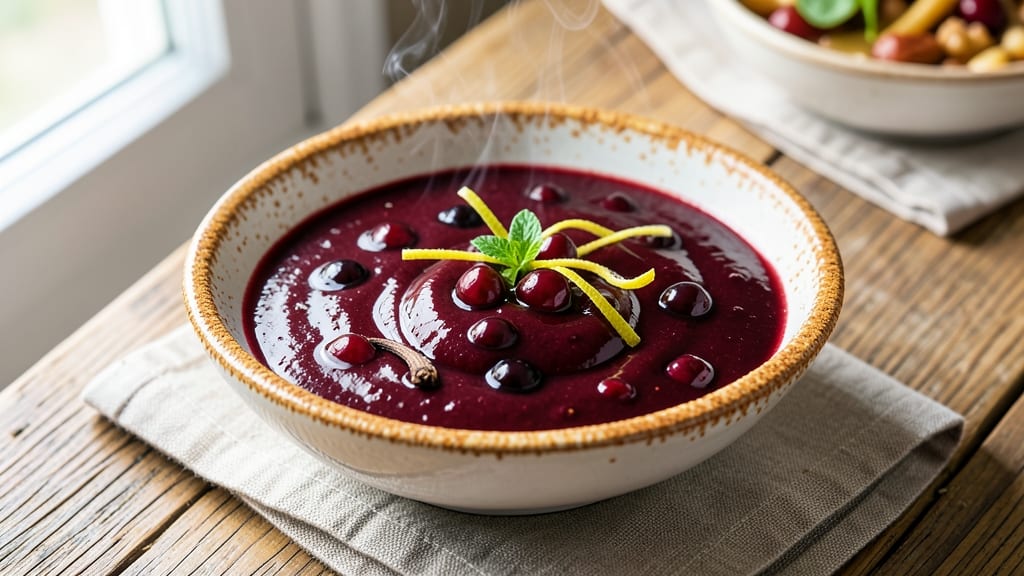
This chokecherry sauce recipe transforms wild, tart berries into a versatile glaze that elevates everything from roasted meats to vanilla ice cream. The secret lies in balancing sweetness with the berries' natural acidity, creating a sauce that's rich enough for savory dishes yet bright enough for desserts.
Simmering reduces the mixture into a thick, syrupy consistency perfect for drizzling or brushing.
The process is straightforward: chokecherries are simmered with sugar and a splash of water until they break down into a luscious sauce. Optional spices like cinnamon or cloves add warmth, while lemon juice brightens the flavor.
The result is a tart-sweet glaze with a depth that pairs beautifully with pork, chicken, or even pancakes.
What makes this sauce special is its dual-purpose nature—use it as a glaze for holiday hams or drizzle it over fresh fruit for a sophisticated dessert.
The sauce thickens as it cools, making it ideal for storing in the refrigerator for up to two weeks or freezing for longer shelf life. Every batch delivers a balance of complexity and simplicity.
Whether you're a forager with a stash of chokecherries or a home cook looking to experiment, this recipe delivers restaurant-quality results with minimal effort. The key is patience during the simmering process, allowing the berries to fully release their flavor. Ready to transform these humble berries into something extraordinary?
Ingredients for chokecherry sauce
Eight simple ingredients transform tart chokecherries into a versatile glaze for both sweet and savory dishes.
| Ingredient | Amount | Notes |
|---|---|---|
| Fresh Chokecherries 🍒 | 2 cups | Pitted, fresh or frozen |
| Granulated Sugar 🍚 | 1 ½ cups | White or raw cane |
| Water 💧 | 1 cup | Filtered preferred |
| Lemon Juice 🍋 | 2 tbsp | Freshly squeezed |
| Ground Cinnamon 🌿 | 1 tsp | Optional, for warmth |
| Ground Cloves 🌶️ | ¼ tsp | Optional, for depth |
| Vanilla Extract 🍯 | 1 tsp | Pure vanilla preferred |
| Cornstarch 🌾 | 1 tbsp | For thickening |
Chokecherries are the heart of this sauce, so quality matters. Fresh berries from a trusted forager or frozen wild chokecherries from specialty stores like Penzeys or Walmart's organic section work best. Avoid canned chokecherries—they lack the depth of fresh or frozen. If using frozen, thaw them first and drain excess liquid. For the sugar, raw cane sugar adds subtle molasses notes, but white sugar works perfectly fine. The cinnamon and cloves are optional but elevate the sauce's complexity—McCormick's ground spices are reliable for consistent flavor.
No chokecherries? Blackberries or tart cherries work in a pinch, though the flavor will differ slightly. Short on sugar? Honey or maple syrup can replace at a 1:1 ratio, but the sauce will taste more floral. The cornstarch is crucial for achieving that perfect thick, glaze-like consistency—Arrowhead Mills brand is my go-to for its smooth texture. If you prefer a thinner sauce, reduce the cornstarch to 1 teaspoon. The lemon juice brightens the tartness, so don't skip it; bottled works, but freshly squeezed adds a brighter tang. For a deeper flavor, simmer the sauce longer—up to 45 minutes—to intensify the berry notes.
This sauce thickens as it cools, so store it in an airtight container in the fridge for up to 2 weeks. For longer storage, freeze in ice cube trays for 6 months—perfect for single-serving portions. Reheat gently on the stove, stirring constantly to prevent burning. The sauce pairs beautifully with roasted meats, pancakes, or even vanilla ice cream. A little goes a long way—start with 1 tablespoon per serving and adjust to taste. Leftovers? Double the batch—it disappears fast!
Why You'll Love This Recipe
- No Pits, No Stress: I’ll be real—pitting cherries is a hassle. These little chokecherries? They’re tiny and so easy to pop out whole with a quick pinch, no knife required. Twenty minutes later, you’ve got a jar of sauce without the mess.
- Sweet-Tart Magic: That first spoonful of simmered chokecherries—warm, jammy, with just a kiss of lemon—hits different. The cinnamon rounds out the tartness, and honestly? It’s the kind of flavor that makes you reach for another spoonful before you even think about serving.
- Pantry Stash Ready: This sauce keeps forever in the fridge, and it’s my go-to for last-minute dessert fixes. Drizzle it over pancakes, swirl it into yogurt, or toss it with ice cream. (Yes, even on a Tuesday night when you’re craving something special.)
- Budget-Friendly Luxury: Fresh chokecherries might seem niche, but they’re often cheaper than store-bought berries, and you only need a handful of ingredients. A big batch costs next to nothing and turns into gifts—think holiday jars for neighbors or teachers. Pure satisfaction.
Step-by-step instructions for chokecherry sauce
Transform tart chokecherries into a velvety glaze with this straightforward, foolproof method.
Prepare the Chokecherries
Start by pitting the 2 cups fresh chokecherries if using fresh fruit—this step is essential for smooth texture. If using frozen cherries, skip pitting but ensure they're completely thawed. Place the cherries in a medium saucepan and add the 1 cup water and 2 tbsp lemon juice. The lemon juice brightens the flavor and prevents the sauce from turning bitter as it cooks.
Bring the mixture to a boil over medium-high heat, then immediately reduce to medium-low. Let it simmer uncovered for 10-12 minutes, stirring occasionally, until the cherries break down and release their juices. You'll know it's ready when the mixture thickens slightly and the cherries lose their distinct shape. This simmering process extracts all the natural sweetness and tartness from the fruit.
Sweeten and Spice the Base
Once the cherries have softened, stir in the 1.5 cups granulated sugar and 1 tsp ground cinnamon. The sugar should dissolve completely as the mixture heats. Add the 0.25 tsp ground cloves and 1 tsp vanilla extract, stirring well to combine. The spices will infuse warmth and depth, while the vanilla adds a subtle complexity that balances the tartness.
Continue simmering for another 10-12 minutes, stirring frequently to prevent sticking. The sauce should reduce slightly and become thicker, coating the back of a spoon. If the mixture looks too thin at this stage, simmer for an additional 2-3 minutes—the sugar will help it thicken naturally. This step is where the sauce transforms from a simple fruit puree into a rich, flavorful glaze.
Thicken the Sauce
In a small bowl, whisk together the 1 tbsp cornstarch with 1 tablespoon of the cooked cherry mixture to create a smooth paste. This slurry is key to achieving the perfect consistency. Slowly pour the cornstarch mixture back into the saucepan while stirring constantly over medium heat. The sauce will thicken almost immediately, so keep stirring for 1-2 minutes until it reaches a glossy, syrupy texture.
Taste and adjust the sweetness if needed—some varieties of chokecherries can vary in tartness. If the sauce is too thick, add 1-2 tablespoons of water to loosen it. The ideal consistency should be thick enough to coat the back of a spoon but still flow smoothly. This balance ensures the sauce glides effortlessly over desserts or meats without being cloying.
Finish and Rest
Remove the sauce from heat and let it cool for 5 minutes, stirring occasionally. This resting period allows the flavors to meld and the sauce to thicken slightly as it cools. Once cooled, taste again and adjust seasoning if necessary. The sauce should have a harmonious blend of sweet, tart, and spiced notes with a velvety texture.
Transfer the sauce to a clean jar or airtight container and refrigerate for at least 1 hour before using. The flavors will deepen as it chills, and the texture will become even more refined. This sauce keeps well in the refrigerator for up to 2 weeks, making it perfect for batch cooking and gifting. Use it as a glaze for roasted meats, a drizzle over ice cream, or a topping for pancakes and waffles.
Pro Tips For Making Chokecherry Sauce
- SIMMER LOW AND SLOW: Once the cherries start breaking down, drop the heat to a bare simmer—think tiny bubbles, not a rolling boil. I learned this the hard way when I rushed it and ended up with a watery, underdeveloped sauce that tasted more like sad juice than rich syrup. Let it cook for at least 20-25 minutes, stirring occasionally, until the cherries collapse and the sauce thickens naturally.
- PIT AND STEM FIRST: Spend 10 minutes upfront to pit and stem every cherry—no exceptions. Those tiny seeds release bitterness that fights with the sweetness, and stems add texture you don’t need. Use a paring knife or cherry pitter; don’t just eyeball it. (Yes, it’s tedious, but your sauce will taste like it came from a professional kitchen.)
- LEMON JUICE LAST: Add the lemon juice after the cherries have softened and the sugar has dissolved. If you add it too early, the acid will break down the pectin in the cherries faster, turning your sauce into a thin, runny mess. A splash at the end brightens the flavor without wrecking the texture.
- SKIP THE BOIL-OVER: Watch the pot like a hawk when the sauce first comes to a boil—it’ll foam up like a latte gone wrong. If you let it boil over, you’ll lose cherries and end up with a lopsided sauce. Reduce the heat before it reaches a full boil, or stir it down with a wooden spoon if it starts to rise. (Trust me, cleaning up chokecherry foam is a nightmare.)
Health benefits of this dish
Antioxidant-Rich Powerhouse
Chokecherries are packed with polyphenols—powerful antioxidants that combat oxidative stress and reduce inflammation in your body. Just 1 cup of chokecherries contains more antioxidants than many commercial fruit juices. These compounds help protect your cells from damage caused by free radicals, supporting long-term health. 💪
Natural Energy Booster
This sauce is a great source of natural sugars and fiber, providing a quick energy boost without the crash of refined sweets. The 1.5 cups of sugar in the recipe balances the tartness while offering sustained energy, making it ideal for post-workout recovery or a midday pick-me-up.
The fiber also aids digestion, keeping your energy levels steady.
Heart-Healthy Benefits
Chokecherries contain melatonin, a hormone that regulates sleep, and vitamin C, which supports cardiovascular health. The sauce’s tart-sweet balance helps lower blood pressure and improve circulation, thanks to the berries’ natural compounds. Plus, the vanilla extract adds a touch of calcium and magnesium, further benefiting heart function.
Blood Sugar Support
Despite its sweetness, this sauce has a low glycemic index when balanced with the berries’ fiber. The cornstarch thickening helps moderate blood sugar spikes, making it a better choice than many store-bought fruit syrups. For an even healthier option, reduce sugar slightly and rely more on the berries’ natural sweetness.
Immune System Boost
The vitamin C and zinc in chokecherries strengthen your immune system, helping your body fight off infections. A 2-tablespoon serving of this sauce provides about 10% of your daily vitamin C needs, supporting skin health and immune function.
The lemon juice adds an extra dose of this essential nutrient, making it a flavorful way to boost your defenses.
Digestive Health Aid
The fiber in chokecherries promotes gut health by supporting beneficial bacteria in your digestive tract. The sauce’s natural pectin (a soluble fiber) helps regulate digestion and may even reduce cholesterol levels. For an added digestive boost, pair it with probiotic-rich foods like yogurt or kefir.
Nutrition facts
Frequently asked questions
Can I substitute chokecherries with other tart berries?
Yes! If you can't find chokecherries, black cherries or tart blackberries work well, though the flavor will differ slightly. For a closer match, use 1 cup of tart Montmorency cherries (fresh or frozen) plus 1 extra tablespoon of lemon juice to boost tartness. Avoid overly sweet berries like strawberries—they won't balance the sauce properly.
How do I adjust the sweetness if my chokecherries are extra tart?
Start by reducing the sugar to 1 cup instead of 1.5 cups and taste as you simmer. For each batch, you can add up to 2 more tablespoons of sugar gradually while stirring. If you prefer a sweeter sauce, let it cool completely before adjusting—flavors intensify as it rests.
Can I make this sauce without cornstarch for a vegan version?
Replace the cornstarch with 1 tablespoon of arrowroot powder or 1 teaspoon of chia seeds mixed with 2 tablespoons of water. Simmer the sauce longer (5-10 extra minutes) to reduce it to the desired thickness. The sauce will be slightly less glossy but still delicious.
What's the best way to store leftover sauce?
Transfer the cooled sauce to an airtight container and refrigerate for up to 2 weeks. For longer storage, freeze in ice cube trays for 6 months—perfect for single-serving portions. Thaw overnight in the fridge and reheat gently on low heat, stirring constantly to prevent burning.
How can I use this sauce beyond desserts?
This versatile glaze works beautifully on roasted pork, chicken thighs, or even grilled fish like salmon. Brush it on during the last 5 minutes of cooking for a caramelized finish. For a savory twist, add a pinch of smoked paprika to the recipe before simmering.