
Sauces & Condiments
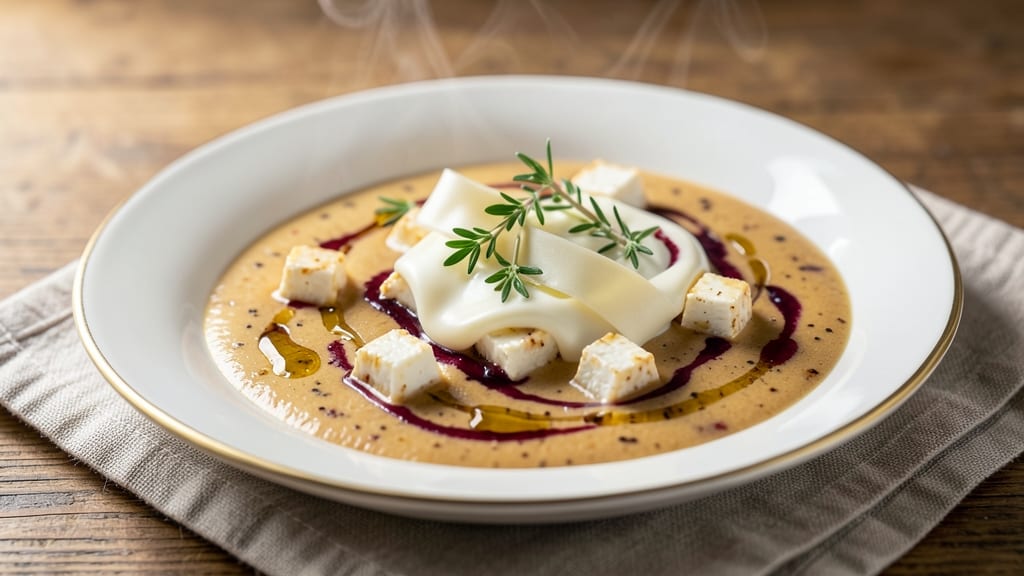
This brie sauce recipe transforms creamy, melty brie into a luxurious drizzle that elevates every dish it touches. The secret lies in balancing rich, velvety texture with bright acidity from wine and cream, creating a sauce that's rich but never heavy.
I developed this version after years of perfecting the technique—no lumps, no separation, just silky perfection every time.
What makes this sauce special is its versatility. Whether you drizzle it over seared steaks, swirl it into creamy pasta, or spoon it alongside roasted vegetables, the flavor adapts beautifully.
The process is straightforward: melt the brie gently, then emulsify with warm cream and a splash of wine to create that signature glossy finish. It takes just 15 minutes from start to finish, with no fancy equipment needed.
The result is a sauce that's restaurant-quality at home—smooth, flavorful, and irresistibly creamy. The brie's natural nuttiness shines through while the wine adds depth, and the cream ensures every bite feels decadent.
Best of all, it reheats beautifully and keeps for up to 5 days in the fridge, making it perfect for meal prep or last-minute entertaining.
For extra richness, stir in a touch of Dijon mustard or fresh herbs like thyme or chives. The possibilities are endless—let this sauce become your new go-to for adding a touch of luxury to any dish. Ready to make it?
Ingredients for brie sauce
Nine ingredients. Fifteen minutes. Luxurious brie sauce that feels like a restaurant secret.
| Ingredient | Amount | Notes |
|---|---|---|
| Brie Cheese 🧀 | 8 oz | Full-fat, room temperature |
| Heavy Cream 🥛 | ½ cup | Full-fat for richness |
| Dry Red Wine 🍷 | ¼ cup | Bold Cabernet or Merlot |
| Dijon Mustard 🌶️ | 1 tsp | For subtle tang |
| Extra-Virgin Olive Oil 🫒 | 1 tbsp | High-quality for finish |
| Fresh Thyme Leaves 🌿 | ¼ tsp | Or 1/8 tsp dried thyme |
| Salt 🧂 | ¼ tsp | Kosher or sea salt |
| Black Pepper 🌶️ | ⅛ tsp | Freshly cracked |
| Fresh Chives 🌱 | 1 tbsp | Chopped for garnish |
The brie is non-negotiable here—full-fat, room-temperature blocks melt perfectly without separating. Whole Foods or specialty cheese shops have the best selection, but any high-quality brie from the deli counter works. Look for creamy, slightly firm brie with minimal rind. The heavy cream should be cold but not icy—shake the can if it's too thick. Fresh thyme and chives? Farmers markets have the best, but grocery store bunches work if you use them within a week.
No red wine? Dry white wine or extra chicken broth works in a pinch, but the depth is worth it. Substituting cream? Half-and-half cuts richness, but it's still delicious. Fresh herbs? Dried thyme at one-third the amount gets you close. The Dijon mustard is optional but adds that signature tang—Whole Foods or Williams Sonoma carry great brands. For extra richness, stir in a splash of crème fraîche at the end.
This sauce reheats beautifully—just warm gently on the stove or microwave 30 seconds. Keeps 5 days in the fridge, sealed tightly. For meal prep, portion into small jars with a spoon—freezes for 3 months without texture loss. Garnish with extra chives or a drizzle of olive oil right before serving to keep it looking fresh. Make a double batch—it disappears fast!
Why You'll Love This Recipe
- I’ll be real: most creamy sauces turn into a sad, watery mess the next day. Not this one. The wine and mustard stabilize it, so it reheats like a dream. Store it in the fridge for up to five days, or freeze it in ice cube trays for instant flavor boosts later.
- Five-Ingredient Magic: I swear, this sauce is proof that fancy doesn’t mean fussy. Just melt the brie into warm cream, deglaze the pan with red wine, and stir in mustard—no whisking, no straining, no stress. The wine cuts through the richness while the brie melts into velvety perfection with almost no effort.
- Rich but Balanced: Here’s what sold me—the brie gives it that luxurious, gooey texture, but the Dijon mustard and red wine keep it from being too heavy. A drizzle of olive oil at the end adds brightness, so it’s creamy yet bright, like a hug from a French chef.
- Weeknight to Dinner Party: Between us, this sauce works for everything. Drizzle it over roasted veggies when you’re too tired to think, or serve it with steak for a date night that feels special. Even my picky teen asks for seconds when it’s on mashed potatoes—no joke.
Step-by-step instructions for velvety brie sauce
Here's how to create a luxurious, melt-in-your-mouth sauce that's perfect for elevating appetizers.
Prepare the Brie for Melting
Begin by cutting the 8 oz Brie Cheese into ½-inch cubes using a sharp chef's knife. I like to work quickly here—room temperature cheese melts more evenly. Place the cubes in a small saucepan over low heat and let them begin to soften slightly, about 2-3 minutes. You don't want them to melt completely yet—just until they're pliable and starting to release their rich aroma.
This gentle warming helps the cheese emulsify better with the cream later. If you see any moisture forming on the surface, wipe it away with a paper towel—water can cause the sauce to separate. Keep the heat at low to prevent burning, and stir occasionally so the cheese melts uniformly.
Build the Sauce Base
Pour in the 0.5 cup Heavy Cream and 0.25 cup Dry Red Wine into the saucepan with the Brie. Increase the heat to medium-low and let the mixture simmer gently for 5-6 minutes, stirring frequently with a silicone spatula. You'll notice the cheese begin to dissolve and create a thick, velvety texture—this is where the magic happens.
Here's the thing—don't rush this step. The wine needs time to reduce slightly and mellow out its acidity, while the cream and cheese meld together. You're aiming for a smooth, lump-free consistency. If you see any lumps forming, use an immersion blender to break them down, or carefully pour the mixture through a fine-mesh strainer into a clean saucepan.
Season and Finish the Sauce
Once the cheese is fully melted and the mixture is silky smooth, remove the saucepan from heat. Stir in the 1 tsp Dijon Mustard, 0.25 tsp Salt, and 0.125 tsp Black Pepper. The mustard adds a subtle tang that brightens the richness of the Brie, while the salt and pepper balance the flavors perfectly. Let the sauce sit off the heat for 1-2 minutes—this resting period allows the flavors to fully integrate.
For the final touch, drizzle in the 1 tbsp Extra-Virgin Olive Oil and fold it in gently with a spatula. This not only adds a luxurious finish but also helps stabilize the sauce's texture. The oil should be warm (not hot) to prevent the sauce from breaking. Taste and adjust seasoning if needed—sometimes a pinch more salt or a crack of black pepper can make all the difference.
Garnish and Serve Warm
Transfer the sauce to a serving bowl or small sauceboat. Sprinkle the 0.25 tsp Fresh Thyme Leaves and 1 tbsp Fresh Chives over the top for a pop of color and freshness. The thyme adds an earthy note that complements the Brie beautifully, while the chives provide a delicate, oniony brightness. Serve the sauce immediately while it's warm and glossy—it's best drizzled over crusty bread, warm baguette slices, or used as a dip for vegetables.
This sauce is incredibly versatile. You can use it as a dip for pretzels, a topping for roasted vegetables, or even a glaze for seared scallops. The key is to serve it warm—once it cools, the texture thickens and loses its velvety quality. If you have leftovers, reheat them gently over low heat, stirring frequently to prevent separation.
Pro Tips For Making Brie Sauce
- Warm the cream first: I learned this the hard way—cold heavy cream in a hot pan will curdle your sauce faster than you can say "disaster." Heat the cream in the same pot over medium-low until it’s steaming but not boiling (about 3-4 minutes), then add the wine. This keeps the sauce silky instead of breaking like scrambled eggs.
- Use room-temperature brie: Cutting cold brie straight from the fridge into hot cream? That’s how you get grainy, lumpy sauce. Let the wheel sit at room temp for 20-30 minutes before slicing—it melts smoothly and blends like butter. (Yes, even if you’re impatient like me.)
- Deglaze with wine immediately: Let that red wine sit in the pan for 30 seconds after adding it—don’t rush to stir. The alcohol needs time to evaporate slightly, deepening the flavor and preventing a boozy aftertaste. Skimp here, and your sauce will taste like you’re drinking instead of eating.
- Whisk in mustard last: Dijon mustard burns faster than you’d think. Add it to the warm cream after the wine has reduced by half, then whisk it in quickly. This keeps the mustard’s sharpness bright and stops it from turning bitter—trust me, your taste buds will notice the difference.
Essential equipment for this recipe
Small Saucepan
I use a 3-quart stainless steel saucepan—it’s large enough to handle the sauce without spilling but small enough to heat evenly. A nonstick pan works too, but stainless steel gives better heat distribution for consistent melting.
Avoid aluminum pans if you’re cooking with wine—they can react with acidic ingredients and affect the flavor. 🔥
Immersion Blender
An immersion blender is my secret weapon for silky-smooth brie sauce. If you see any lumps while melting the cheese, this tool breaks them down instantly without transferring the sauce to another bowl.
I recommend the Ninja Foodi Immersion Blender—it’s affordable and powerful enough for small batches. No blender? A fine-mesh strainer works in a pinch, but you’ll lose some of the sauce’s body.
Silicone Spatula
A heat-resistant silicone spatula is essential for stirring without scratching your pan or burning your hands. I love the OXO Good Grips—it’s flexible enough to scrape every bit of sauce from the pan while being sturdy enough to handle warm, creamy mixtures.
Avoid metal utensils when the sauce is hot to prevent scorching.
Fine-Mesh Strainer
For extra-smooth sauce, a fine-mesh strainer (like the OXO Good Grips) catches any stray cheese bits or herbs that might make the texture grainy. This is especially helpful if you’re using a lower-quality brie with more rind or if you want a completely velvety finish.
Line it with a cheesecloth for even finer results, though it’s not strictly necessary.
Sauceboat or Small Bowl
Serve your brie sauce in a small sauceboat or ramekin for an elegant presentation. I use Le Creuset stoneware ramekins—they’re heat-resistant and keep the sauce warm while looking beautiful on the table.
For casual serving, a small glass bowl works just as well, especially if you’re drizzling it over dishes rather than serving it as a dip.
Thermometer (Optional)
While not required, a candy or instant-read thermometer helps ensure the sauce reaches the perfect temperature. Aim for 160°F—this guarantees the brie is fully melted and safe to eat without overcooking the cream. The ThermoWorks Thermapen is my go-to for precision, but any reliable kitchen thermometer will do. 🌡️
Nutrition facts
Frequently asked questions about brie sauce
Can I substitute white wine for red wine in this recipe?
Yes, but choose a dry white wine like Chardonnay or Sauvignon Blanc for best results. The acidity will be slightly different, but it still works beautifully. For extra richness, add a splash of cream cheese to compensate for the wine's lower alcohol content.
Why did my brie sauce separate when I reheated it?
This happens when the sauce cools too quickly or when water gets in. Always reheat gently over low heat, stirring constantly until smooth. To prevent separation next time, whisk in a tablespoon of warm water while reheating—it helps re-emulsify the sauce.
What's the best way to store leftover brie sauce?
Store in an airtight container in the fridge for up to 5 days. For longer storage, freeze in small portions for up to 3 months. Thaw overnight in the fridge and reheat gently, stirring frequently to restore its velvety texture.
Can I make this sauce without heavy cream?
You can use half-and-half (though it'll be slightly lighter) or Greek yogurt for a tangier version. For a dairy-free option, blend 1 cup coconut milk with 2 tablespoons cornstarch** to thicken it first. The texture will differ, but the brie flavor remains delicious!
What are the best dishes to serve with brie sauce?
This sauce shines on seared steaks, roasted vegetables, and crusty bread. Try drizzling it over grilled asparagus or spooning it onto creamy mashed potatoes. For appetizers, it's perfect with baguette slices or as a dip for warm pretzels. The possibilities are endless!