
Sauces & Condiments
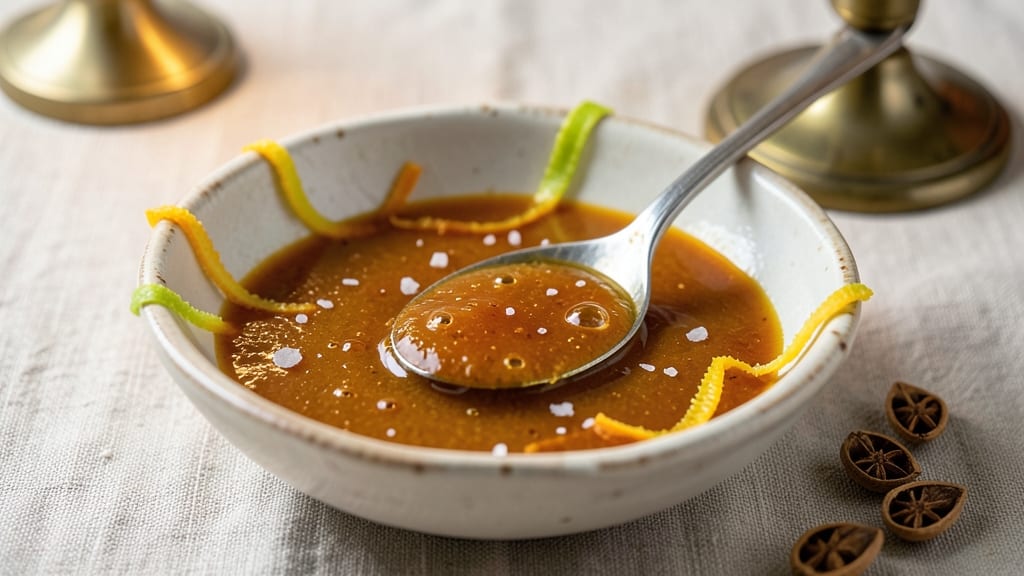
This bigarade sauce recipe transforms bitter orange juice into a fragrant, tangy-sweet glaze that elevates grilled meats, desserts, and marinades. The blend of citrus, sugar, and warm spices creates a complex flavor that bridges Middle Eastern and Mediterranean traditions, offering depth without overpowering dishes.
Professional chefs and home cooks alike rely on its versatility—whether drizzled over roasted lamb, folded into fruit salads, or used as a marinade base.
The sauce’s magic lies in its simplicity: just bitter orange juice, sugar, vinegar, and a pinch of cinnamon or cardamom to balance the tartness. Unlike store-bought versions, this homemade recipe delivers a fresher, brighter profile with no artificial additives.
The reduction process concentrates the flavors, turning a basic citrus base into a luxurious condiment that adds a touch of elegance to any dish. Ready in under 30 minutes, it’s perfect for both spontaneous meals and planned feasts.
What sets bigarade sauce apart is its dual role as both a finishing touch and a flavor foundation. Use it to glaze grilled chicken or fish for a caramelized crust, drizzle over baklava for extra moisture, or mix into cocktails for a sophisticated citrus note.
The sauce keeps well in the refrigerator for up to 2 weeks, allowing you to make a batch ahead for effortless flavor enhancement. Its adaptability makes it a must-have in any kitchen pantry.
For those new to bitter orange juice, start with a small batch—its intense flavor can be polarizing at first. Pair it with complementary ingredients like honey, vanilla, or even a splash of rose water to refine the balance.
Once mastered, this sauce becomes a go-to for adding depth to both sweet and savory dishes, proving that sometimes the simplest recipes yield the most impressive results.
Ingredients for bigarade sauce
Eight essential ingredients transform bitter orange juice into a luxurious glaze for grilled meats and desserts.
| Ingredient | Amount | Notes |
|---|---|---|
| Bitter Orange Juice 🍊 | 1 ½ cups | Freshly squeezed preferred |
| Granulated Sugar 🍚 | ¾ cup | Light or dark brown for depth |
| White Vinegar 🍶 | ½ cup | Apple cider vinegar works too |
| Ground Cinnamon 🌿 | 1 tsp | Ceylon cinnamon preferred |
| Ground Cardamom 🌿 | ½ tsp | Freshly ground for best flavor |
| Fresh Orange Zest 🍊 | 1 tbsp | From organic oranges preferred |
| Orange Blossom Water 🌸 | 1 tbsp | Find in Middle Eastern markets |
| Salt 🧂 | ¼ tsp | Fine sea salt preferred |
Bitter orange juice is the foundation—look for fresh bottles at specialty markets or make your own by blending bitter oranges with water. The juice should be vibrant and slightly cloudy, not clear like regular orange juice. Penzeys Spices and Middle Eastern grocers often carry it in bottles. If you can't find bitter orange juice, substitute 1 cup regular orange juice plus 1 tbsp lemon juice, though the flavor won't be identical. The sugar should be light brown for subtle caramel notes, while white sugar works for a cleaner finish. For the spices, Ceylon cinnamon adds floral warmth without bitterness, and cardamom should be freshly ground if possible—pre-ground loses potency quickly. Orange blossom water, found in Middle Eastern markets or online, adds that signature floral depth.
No bitter orange juice? Substitute 1 cup regular orange juice plus 1 tbsp lemon juice, though the flavor will be less complex. For vinegar, apple cider or white balsamic work well—avoid red wine vinegar, which can clash with the citrus. If you can't find orange blossom water, rose water at half the amount adds floral notes, though it's not identical. The zest should come from organic oranges to avoid wax coatings. For a deeper flavor, toast the cinnamon and cardamom in a dry pan for 30 seconds before adding to the sauce. The sugar can be adjusted based on your preference for sweetness—reduce to 0.5 cup if you prefer tartness. For a richer sauce, add 1 tbsp honey or maple syrup to balance the acidity.
This sauce keeps beautifully in an airtight jar in the refrigerator for up to 2 weeks, though it develops more depth over time. For longer storage, freeze in ice cube trays—thaw and whisk before use. The sauce thickens as it cools, so reheat gently if needed. Use it to glaze grilled meats, drizzle over desserts, or fold into cocktails. A small batch makes about 1.5 cups, perfect for a week's worth of flavor enhancements. If making ahead, reduce the sauce slightly longer for a thicker consistency, ideal for glazing.
Why You'll Love This Recipe
- I’ll be real: this sauce comes together while I’m still scrolling through my phone. Just eyeball the bitter orange juice to sugar ratio—start with equal parts, then adjust. The vinegar and spices? A pinch of cinnamon, a whisper of cardamom, and you’re golden. No scales, no stress, just instinct.
- Here’s what sold me: this sauce works everywhere. Drizzle it over grilled chicken for dinner, toss it with couscous for a lunch bowl, or use it as a glaze for roasted veggies. And at gatherings? It’s the one thing people ask for by name—no fancy prep, just pure flavor.
Step-by-step instructions for bigarade sauce
This aromatic glaze balances sweet, tart, and floral notes perfectly—ideal for drizzling over grilled meats or roasted vegetables.
Combine Liquids and Sugar
In a medium saucepan, whisk together the 1.5 cups bitter orange juice, 0.75 cup granulated sugar, and 0.5 cup white vinegar over medium heat. The sugar should dissolve completely within 3-4 minutes, creating a clear, golden liquid. Stir occasionally to prevent scorching—you'll notice tiny bubbles forming along the edges before it fully integrates.
Here's the thing—using freshly squeezed bitter orange juice makes a noticeable difference. If you can't find bitter oranges, substitute with an equal amount of regular orange juice, but expect slightly less complexity in flavor. Once the mixture reaches a gentle simmer, reduce the heat to low and let it cook uncovered for 10 minutes, stirring occasionally to maintain even heat distribution.
Add Spices and Zest
Lower the heat to low and sprinkle in the 1 tsp ground cinnamon, 0.5 tsp ground cardamom, and 0.25 tsp salt. Stir immediately to distribute the spices evenly—this prevents them from burning at the bottom of the pan. The cardamom will release its distinctive aroma almost instantly, while the cinnamon adds warmth that deepens as it cooks.
Next, add the 1 tbsp fresh orange zest and 1 tbsp orange blossom water, stirring gently. The zest will infuse vibrant color and citrus brightness, while the orange blossom water contributes a delicate floral note. Let the mixture simmer for another 5 minutes, allowing the spices to bloom fully. You should smell a complex blend of citrus, spice, and floral undertones—this is your cue that the flavors are melding properly.
Reduce to Glaze Consistency
Increase the heat to medium-high and let the sauce reduce for 15-20 minutes, stirring occasionally. The sauce should thicken noticeably, coating the back of a spoon with a glossy sheen. This reduction concentrates the flavors and creates the signature syrupy texture. If the sauce begins to darken too quickly, reduce the heat slightly to medium—you want a rich amber color, not burnt caramelization.
To test for doneness, take a small spoonful and let it cool slightly on a plate. It should coat the back of the spoon smoothly without being overly thick. If it's still too thin, continue reducing for another 5 minutes. The final consistency should be like a thick syrup—viscous enough to cling to grilled meats but still pourable for drizzling.
Strain and Cool
Once the sauce reaches the desired consistency, remove it from heat and strain it through a fine-mesh sieve into a clean bowl or jar. This step removes any zest particles and ensures a silky texture. Let the sauce cool to room temperature before using—this allows the flavors to fully meld. The sauce will thicken slightly more as it cools, so don't worry if it looks a bit runnier while warm.
For best results, store the bigarade sauce in an airtight container in the refrigerator for up to 1 week. Before using, gently reheat it in a small saucepan over low heat, stirring occasionally, until warmed through. This glaze pairs beautifully with grilled lamb, chicken, or even roasted vegetables—its bright, floral, and slightly tart profile elevates any dish it accompanies.
Pro Tips For Making Bigarade Sauce
- Simmer Slow and Low: This sauce isn’t a race—after combining bitter orange juice, sugar, and vinegar, keep the heat at a bare simmer for at least 15 minutes. I used to rush it, and the flavors stayed harsh and underdeveloped. Let it bubble gently so the sugar fully dissolves and the spices bloom properly.
- Strain Twice for Smoothness: Cardamom and cinnamon love to hide in the sediment. After simmering, strain the sauce through a fine-mesh sieve, then a coffee filter or cheesecloth for a silky finish. Yes, it’s extra work, but the texture makes all the difference—especially when drizzling over desserts or meats.
- Balance the Bitter First: Taste the raw bitter orange juice before adding sugar—adjust the sugar-to-juice ratio based on how sharp it is. Some juices need 1:1 sugar, others 2:1. Skipping this step leads to either cloying sweetness or a sauce that still tastes like cleaning solvent.
- Toast the Spices: Lightly toast the cinnamon and cardamom in a dry pan for 30 seconds before adding them to the sauce. This deepens their aroma and prevents a dusty, bitter aftertaste. (Pro move: Grind them fresh afterward—pre-ground spices lose potency fast.)
Troubleshooting great bigarade sauce
Sauce Too Thin?
If your bigarade sauce isn't thickening enough during reduction, increase the heat to medium-high and let it simmer uncovered for an additional 5-10 minutes. Stir frequently to prevent sticking. For extra thickness, add 1 tsp cornstarch mixed with 1 tbsp cold water and whisk into the sauce.
Simmer for 2-3 minutes more until it reaches a glossy glaze consistency. 🔥
Sauce Too Thick?
To thin a sauce that's become too thick, whisk in 1-2 tbsp warm water or orange juice gradually until it reaches your desired consistency. For a smoother texture, strain again through a fine-mesh sieve.
If the sauce is too syrupy for drizzling but fine for glazing, simply reheat it gently and adjust as needed.
Bitter Flavor Overpowering?
If the bitter orange flavor dominates, balance it by adding ½ tsp vanilla extract or 1 tsp honey to the warm sauce. For a more complex profile, stir in ½ tsp rose water or a pinch of ground ginger.
Taste as you go—small adjustments make a big difference in the final flavor. 🌸
Spices Settling at Bottom?
To prevent spices from clumping or burning, whisk the sauce vigorously every 2-3 minutes while simmering. If you notice spices settling, remove the pan from heat, stir thoroughly, then return to low heat.
For a smoother finish, strain the sauce through a fine-mesh sieve after cooking. This ensures a silky texture without gritty residue.
Sauce Not Reducing Quickly?
If your sauce isn't reducing at the expected rate, ensure your saucepan has a tight-fitting lid to trap steam and speed up evaporation. Increase the heat slightly to medium-high while stirring occasionally.
For a faster reduction, spread the sauce in a shallow pan to increase surface area. Patience is key—don't rush the process, as proper reduction develops depth of flavor. ⏱️
Storage Issues?
If your sauce develops mold or an off odor within 2 weeks of refrigeration, discard it immediately. To extend shelf life, store in a sterilized glass jar with a tight-sealing lid. For freezing, portion into ice cube trays and transfer to a freezer bag.
Thaw in the refrigerator overnight, then whisk to restore consistency. Proper storage keeps the sauce fresh and flavorful for up to 3 months in the freezer. ❄️
Nutrition facts
Frequently asked questions about bigarade sauce
What makes bigarade sauce different from regular orange glaze?
Bigarade sauce uses bitter orange juice instead of sweet oranges, creating a unique balance of tart, floral, and slightly bitter notes. The addition of orange blossom water and warm spices like cinnamon and cardamom gives it a complex Middle Eastern/Mediterranean profile that regular orange glazes lack. It's more aromatic and less sweet, making it perfect for both savory and dessert applications.
Can I substitute bitter orange juice with regular orange juice?
Yes, but expect a less complex flavor. Use 1 cup regular orange juice plus 1 tbsp lemon juice as a substitute. The sauce will still work well for glazing, though it won't have the same floral depth or slight bitterness. For best results, look for bitter orange juice in Middle Eastern markets or specialty stores. The difference is subtle but noticeable in refined dishes.
How can I use bigarade sauce beyond grilling?
This versatile sauce works beautifully as a marinade for chicken or lamb, a drizzle for baklava or fruit tarts, or even a cocktail syrup. Try mixing it with yogurt for a tangy dip, or use it to glaze roasted vegetables. The floral notes also complement spiced rice dishes and even ice cream. Its dual sweet-tart profile makes it adaptable to both sweet and savory applications.
Why does my bigarade sauce smell amazing but taste bland?
This usually happens if the sauce wasn't reduced enough or if the spices didn't bloom properly. Increase the reduction time by 5-10 minutes and stir more frequently to develop deeper flavors. For extra impact, toast the cinnamon and cardamom in a dry pan for 30 seconds before adding them. Taste as you go and adjust sweetness with honey or acidity with vinegar.
How do I know when the sauce is ready?
The sauce is done when it coats the back of a spoon smoothly but isn't overly thick. It should have a glossy sheen and a rich amber color. Test by letting a spoonful cool slightly—it should be syrupy but still pourable. If it's too thin, reduce longer; if too thick, thin with warm water or orange juice. The perfect consistency balances clinging power for glazes with drizzling ease.