
Sauces & Condiments
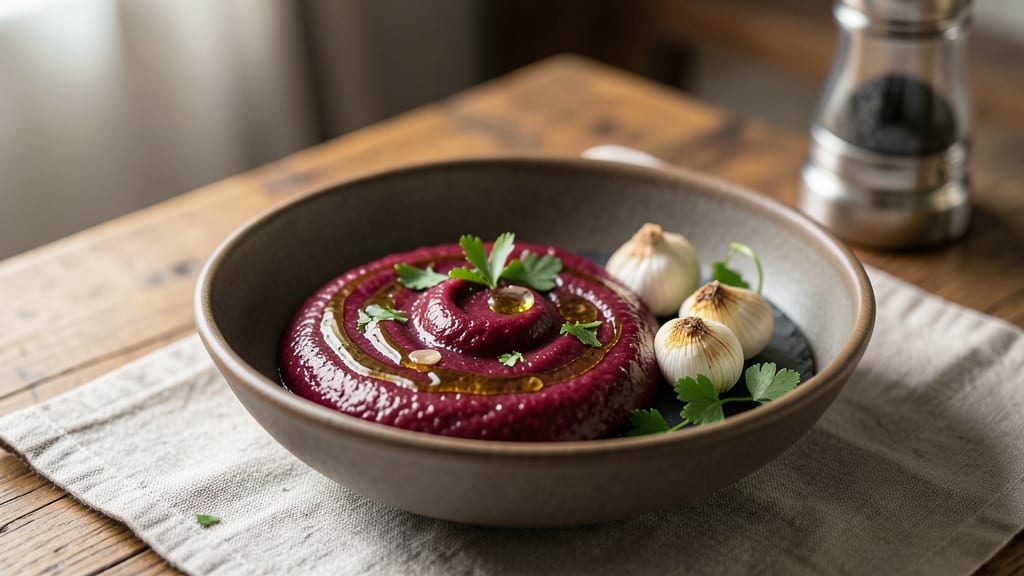
This beetroot sauce recipe transforms humble roasted beets into a velvety, tangy condiment that elevates everything from roasted meats to grain bowls.
The secret lies in balancing earthy sweetness with bright vinegar and aromatic herbs, creating a sauce that's rich enough to drizzle or spread but light enough to brighten any dish. I developed this recipe after realizing how versatile roasted beets could be beyond salads—perfect for adding depth without overpowering flavors.
The process begins with roasting beets until tender, then blending them with vinegar, garlic, and mustard to create a smooth, emulsified texture. A touch of vegetable oil ensures the sauce stays silky rather than grainy, while fresh herbs add a final layer of complexity.
What makes this sauce special is its adaptability—it works as a glaze for roasted vegetables, a tangy dip for crudités, or even a vibrant marinade for tofu or grilled proteins.
What you'll end up with is a deep ruby-red sauce that's packed with umami and natural sweetness, yet brightened by a sharp tang. The texture is silky and spreadable, making it ideal for drizzling over avocado toast, mixing into dressings, or using as a base for vegan dips.
Best of all, it keeps beautifully in the fridge for up to a week, so you can make a batch ahead and enjoy it all week long.
This recipe is particularly useful for those looking to add vibrant color and earthy flavor to their meals without relying on processed ingredients. Whether you're serving it as a condiment, a marinade, or a glaze, this beetroot sauce brings a restaurant-quality touch to home cooking with minimal effort.
Ingredients for beetroot sauce
Eight simple ingredients transform roasted beets into a vibrant, tangy sauce perfect for drizzling or spreading.
| Ingredient | Amount | Notes |
|---|---|---|
| Medium Beets 🍠 | 2 whole | Roasted until tender, peeled |
| Apple Cider Vinegar 🍎 | ½ cup | Balsamic works too |
| Fresh Garlic Cloves 🧄 | 4 cloves | Peeled, rough chopped |
| Dijon Mustard 🍯 | 1 tbsp | High-quality for tang |
| Extra-Virgin Olive Oil 🫒 | ¼ cup | For silky texture |
| Fresh Parsley Leaves 🌿 | ¼ cup | Packed, stems removed |
| Fresh Thyme Leaves 🌿 | 1 tbsp | Or 1 tsp dried thyme |
| Vegetable Oil 🫒 | 1 tbsp | For roasting beets |
| Sea Salt 🧂 | 1 tsp | Fine grain preferred |
| Black Peppercorns 🌶️ | ½ tsp | Freshly cracked |
The beets are the star, so pick firm, medium-sized ones—they roast evenly and pack more natural sweetness. Trader Joe's or Whole Foods usually carry the pre-washed kind, which saves time, but regular beets work too. Roast them until fork-tender (about 45 minutes at 400°F), then peel while still warm—the skins slide off easily. Fresh herbs make all the difference here. Penzeys or the bulk section at Sprouts have the freshest parsley and thyme, but even grocery store herbs work if they're bright green and not wilted.
No apple cider vinegar? Red wine vinegar or lemon juice both work in a pinch, though the flavor shifts slightly. Dijon mustard gets a little gritty sometimes—I always check the jar before buying. If it's smooth, it's fine; if it's grainy, strain it through a fine sieve before using. Want more depth? Add 1 tsp of nutritional yeast for a cheesy, umami kick. The olive oil is key for that silky texture—don't skimp on quality here. California avocado oil has a neutral taste that works well if you're avoiding olive oil's strong flavor.
This sauce keeps beautifully in an airtight jar for up to 1 week in the fridge. The color stays vibrant, and the flavors meld even better over time. For longer storage, freeze in ice cube trays—perfect for portion control. I like to make a double batch so I always have some on hand. The sauce thickens as it sits, so add a splash of water or vinegar if it gets too stiff. Perfect for drizzling, dipping, or mixing into dressings—whatever your heart desires.
Why You'll Love This Recipe
- No Fuss, Big Payoff: I swear by this—roast the beets whole, peel when cool, then blend with the rest. That’s it. No peeling raw beets, no fancy gadgets, just hands-off flavor.
- Umami Magic: The garlic and Dijon mustard hit like a flavor grenade, but in the best way. Sweet from the beets, tang from the apple cider vinegar, and that olive oil just ties it all into something dangerously addictive.
- Game for Any Plate: Slather it on toast for brunch, drizzle over grilled chicken, or toss with roasted veggies. Even my picky teenager asks for it on his eggs—(yes, even on a Tuesday night).
- Budget Meets Magic: Beets are cheap, and this sauce stretches like crazy. Make a big batch, store it for a week, and still have leftovers when you least expect to want it. Honestly, my wallet thanks me.
Step-by-step instructions for earthy sweet beetroot sauce
This vibrant sauce comes together with simple steps and bold flavors.
Roast the Beets Until Tender
Preheat your oven to 400°F and line a baking sheet with parchment paper. Place the 2 whole medium beets directly on the sheet. Drizzle lightly with the 1 tablespoon vegetable oil and sprinkle with ½ teaspoon sea salt. Toss gently to coat.
Roast for 45-50 minutes until the beets are fork-tender and their skins have collapsed slightly. You'll know they're done when you can easily pierce them with a fork—they should feel soft inside but not mushy. If the skins are still tough, roast another 10 minutes. Let them cool slightly before peeling.
Peel and Chop the Roasted Beets
Once the beets are cool enough to handle, slip off their skins using your fingers or a small knife. I find the skins slide right off after roasting. Chop the peeled beets into ½-inch cubes. You should have about 1½ cups of chopped beets—this is your flavor base.
Set the chopped beets aside in a medium bowl. The warm beets will release their natural sweetness as they cool, intensifying their flavor. This is when the sauce starts building its earthy depth. Don't skip this step—raw beets would make a completely different sauce.
Sauté Garlic and Build the Sauce Base
Heat a medium saucepan over medium heat. Add the 4 cloves rough chopped fresh garlic cloves and sauté for 30 seconds until fragrant but not browned. Watch them closely—they burn quickly and turn bitter.
Pour in the ½ cup apple cider vinegar and bring to a gentle simmer. Let it reduce by half, about 3-4 minutes, until you have about ¼ cup of tangy liquid. This reduction concentrates the vinegar's acidity, which balances the beets' sweetness beautifully.
Blend the Sauce to Silky Perfection
Add the chopped beets, 1 tablespoon Dijon mustard, 1 tablespoon fresh thyme leaves, 1 teaspoon sea salt, and ½ teaspoon black peppercorns to the saucepan. Stir well to combine all ingredients.
Using an immersion blender, blend until completely smooth. If you don't have one, transfer to a countertop blender and blend until silky. The sauce should be vibrant pink with no visible chunks. Taste and adjust seasoning—you might want to add a pinch more salt or a splash more vinegar for balance.
Finish and Garnish
Return the blended sauce to the saucepan and stir in the ¼ cup extra-virgin olive oil over low heat. Simmer gently for 2-3 minutes to emulsify the sauce and create a velvety texture. The oil should be fully incorporated, giving the sauce a glossy sheen.
Remove from heat and stir in the ¼ cup fresh parsley leaves. The parsley adds freshness that cuts through the richness. Let the sauce cool slightly before serving—it will thicken as it sits. This sauce keeps well in the refrigerator for up to 5 days, making it perfect for meal prep.
Pro Tips For Making Beetroot Sauce
- Roast Beets Until Soft: Peeling beets is a pain, so skip it—just scrub them clean and roast whole. Wrap in foil with a splash of olive oil and roast at 400°F (200°C) for 45-60 minutes until a knife slips in like butter. Overcooked beets turn mushy; undercooked ones fight you when blending. Aim for fork-tender, not falling-apart.
- Peel Garlic Cloves Cold: Don’t rush the garlic—peel those cloves before mincing. Freshly peeled garlic releases less moisture and burns faster, which kills that sweet, nutty flavor you want in the sauce. Toss them in ice water for 10 seconds if they’re stubborn, then pat dry. Trust me, your sauce will thank you.
- Blend in Stages: Start with half the roasted beets, then pulse until smooth before adding the rest. Beets vary in size, and dumping them all in at once clogs blenders, especially with the mustard and vinegar. If it gets gummy, add a splash of warm water—just enough to loosen things up without thinning the sauce.
- Taste Before Adding Vinegar: Salt and mustard first, then adjust vinegar last. The acidity cuts through richness, but if you add it too early, you’ll overcompensate. Start with 1 teaspoon, blend, then taste. You can always add more, but you can’t take it out.
Common mistakes when making great beetroot sauce
Over-Roasting Beets
Roasting beets too long turns them mushy and watery, which dilutes your sauce's intensity. I've ruined batches by leaving them in past 50 minutes at 400°F—the result?
A watery, pale pink mess that lacks depth. Aim for fork-tender with just a slight resistance. If they feel soft when pierced, they're perfect. 🍠
Skipping the Vinegar Reduction
Adding vinegar straight to the beets without reducing it first means you'll end up with a thin, watery sauce. The reduction step concentrates the acidity, balancing the sweetness perfectly. I once skipped this and had to add extra mustard to compensate—always reduce the vinegar to ¼ cup first. 🍎
Using Raw Beets
Raw beets create a completely different texture and flavor profile. They're tough and bitter, making your sauce gritty and unpleasant. Always roast them first—they should be tender enough to mash with a fork. This step transforms their natural sweetness into the velvety base of your sauce. 🔥
Under-Emulsifying the Oil
Adding olive oil too quickly or at high heat prevents proper emulsification, resulting in a separated sauce. Stir the oil in slowly over low heat while blending continuously. I've had to start over when the sauce split—patience pays off for that silky texture. 🫒
Over-Blending the Herbs
Blending fresh herbs like parsley and thyme too aggressively turns them into a paste, making your sauce bitter. Add them last and stir gently by hand. I've had to strain out herb bits when I blended them too much—always add them after the sauce is smooth. 🌿
Ignoring Seasoning Adjustments
Taste your sauce before serving—it's the only way to know if it needs more salt, vinegar, or sweetness. I've had batches that needed extra salt or a splash of maple syrup to balance the flavors. Adjust gradually to avoid overpowering the natural beet sweetness. ✨
Nutrition facts
Frequently asked questions
Can I make this beetroot sauce without roasting the beets?
Roasting is key for developing the beets' natural sweetness and tender texture. If you're short on time, you could steam them for 20-25 minutes until fork-tender, but the flavor won't be as rich. For a quicker version, try using canned cooked beets (drained and rinsed well) instead.
How can I adjust this sauce to be sweeter or tangier?
For more sweetness, add 1 teaspoon maple syrup or honey while blending. For extra tang, increase the vinegar by 1 tablespoon or add ½ teaspoon lemon juice. Always adjust gradually—taste as you go to avoid overpowering the beet flavor.
What are the best ways to use this beetroot sauce?
This versatile sauce works as a glaze for roasted vegetables, a tangy dip for veggie sticks, or a marinade for tofu and grilled meats. Try drizzling it over grain bowls, mixing into hummus, or using it as a base for vegan dressings. Its earthy depth pairs beautifully with creamy textures like avocado or goat cheese.
Can I make this sauce without mustard?
Yes! If you're avoiding mustard, replace it with 1 teaspoon miso paste for umami depth or ½ teaspoon smoked paprika for warmth. The sauce will still emulsify well, though the texture may be slightly thinner. For extra richness, add 1 tablespoon tahini instead.
How do I prevent the sauce from separating when storing?
Store the sauce in an airtight container with a thin layer of olive oil on top to preserve freshness. Before using, give it a quick stir or gently reheat in a saucepan over low heat while stirring continuously. If it separates, whisk vigorously to re-emulsify. The sauce thickens as it chills, so add a splash of water or vinegar if needed.