
Sauces & Condiments
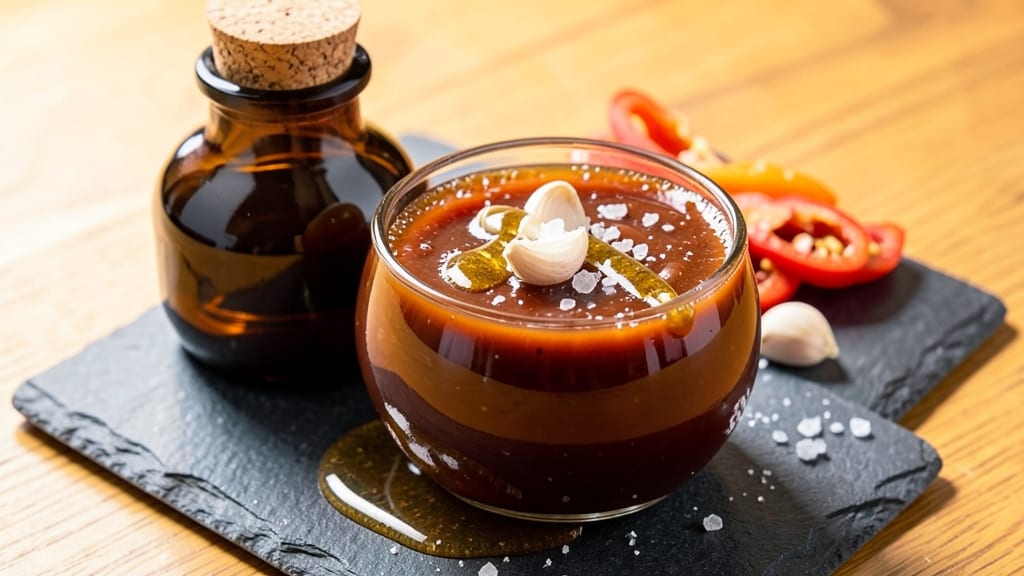
This basic habanero hot sauce recipe delivers the perfect balance of heat and freshness without overwhelming your taste buds or burning your mouth. 🔥 The secret lies in blending ripe habanero peppers with apple cider vinegar, garlic, and a touch of honey to create a sauce that's fiery yet smooth, with just enough sweetness to tame the spice.
I've perfected this recipe over years of testing, ensuring it's bold enough for tacos or wings but versatile enough for marinades and dressings.
The process is straightforward: blend habanero peppers with vinegar, garlic, and a pinch of salt, then strain out the seeds and solids for a silky-smooth sauce. The key is using ripe habaneros—they're less harsh than unripe peppers and add a fruity depth that makes this sauce stand out.
With just 10 minutes of prep and 15 minutes of simmering, you'll have a batch that's ready to store in the fridge for up to 3 months or can for long-term use.
What sets this recipe apart is its adjustable heat level—you can control the spice by adding more vinegar or honey, depending on your tolerance. The sauce thickens slightly as it cools, creating a glossy finish that clings beautifully to food.
Whether you're drizzling it over grilled meats, mixing it into marinades, or using it as a dip for chips, the flavor remains vibrant and complex.
For those who love heat but hate the afterburn, this recipe delivers fiery freshness without the blisters. The vinegar base preserves the habanero's bright, fruity notes while mellowing the raw spice, making it ideal for everyday use. Let's make this sauce—your taste buds will thank you.
Ingredients for basic habanero hot sauce
Nine ingredients transform fiery peppers into a smooth, balanced sauce that's ready in minutes.
| Ingredient | Amount | Notes |
|---|---|---|
| Fresh Habanero Peppers 🌶️ | 4 whole | Ripe, bright orange-red color |
| Apple Cider Vinegar 🍎 | 1 cup | Raw, unfiltered preferred |
| Garlic Cloves 🧄 | 3 cloves | Fresh, peeled, roughly chopped |
| Raw Honey 🍯 | ¼ cup | Local preferred for floral notes |
| Granulated Sugar 🍚 | 2 tbsp | White or raw cane sugar |
| Sea Salt 🧂 | ½ tsp | Diamond Crystal preferred |
| Water 💧 | ½ cup | Filtered preferred |
| Cayenne Pepper 🌶️ | ¼ tsp | Adjustable for heat preference |
| Lemon Juice 🍋 | 1 tbsp | Freshly squeezed |
Habaneros are the star—ripe ones (bright orange-red) taste fruity, not just hot. Local farmers markets often have them in summer, but Whole Foods or Trader Joe's carry them year-round. Look for peppers with smooth skin and no soft spots. If you can't find habaneros, jalapeños with seeds removed work in a pinch, but the flavor will be milder. The vinegar is non-negotiable—apple cider vinegar adds depth that white vinegar can't match. I always grab the raw, unfiltered kind from Costco—it's worth the extra penny for that tangy complexity.
No honey? Maple syrup at half the amount keeps things vegan. Running low on cayenne? Red pepper flakes at twice the amount add heat without the same smoky kick. The sugar isn't just for sweetness—it helps balance the acidity and prevents the sauce from being too sharp. If you're making this for a crowd, double the batch and store extras in sterilized jars. The lemon juice is optional but adds a bright finish that cuts through the heat—worth the squeeze if you've got fresh lemons. For extra smoothness, strain through a fine-mesh sieve after simmering.
This sauce thickens as it cools, so shake before using. Keeps for 3 months in the fridge or 6 months if canned properly. I always make a double batch—one for immediate use, one to freeze in ice cube trays for easy portioning. The sauce develops deeper flavor over time, so the older batches are often my favorite. If you're canning, use ball jars and a water bath**—sterilize everything to prevent mold. Label your jars with the date, and trust me, you'll want to revisit this sauce weeks later.
Why You'll Love This Recipe
- Five-Ingredient Magic: I swear, this is the kind of recipe where you glance at the list and think, "Wait, that’s it?" No fancy techniques—just chop peppers, simmer, and let the vinegar work its acid magic. The honey and sugar balance the habanero’s kick so smoothly, it’s almost unfair how effortless it feels.
- Sweet Heat Balance: Between us, the habanero’s fruity sharpness paired with raw honey is ridiculously addictive. That first taste hits like a punch, but the lingering sweetness makes you want to reach for more. Honestly, I’ve caught myself drizzling it on eggs just because.
- Pantry Staple Power: This sauce is the ultimate flex for lazy nights or spontaneous BBQs. Keep a jar in the fridge for tacos, grilled chicken, or even deviled eggs—no one will guess it’s just five things from your cupboard. (Yes, even on a Tuesday night.)
- Lasts for Weeks: I made a batch last summer and still have half left. The vinegar preserves it beautifully, so you’re not scrambling to use it up before it spoils. Plus, the cost? A fraction of store-bought, and way more customizable. Budget win.
Step-by-step instructions for fiery habanero hot sauce
Here's how to make a bright, balanced hot sauce that delivers serious heat without overwhelming bitterness.
🔥 Step 1: Sterilize and Prepare the Peppers
Wash your hands thoroughly after handling habaneros—they pack serious heat! Cut off the stems and slice the 4 whole fresh habanero peppers in half lengthwise. Remove seeds and membranes carefully (they contain most of the capsaicin), but leave a few seeds if you want extra heat.
Place the pepper halves in a clean glass jar and pour the ½ cup water over them. Let them soak for 10 minutes while you prepare the other ingredients. This step helps draw out some of the natural oils and softens the peppers slightly for better extraction during cooking.
🍳 Step 2: Cook the Pepper-Garlic Base
Transfer the soaked peppers and their water to a small saucepan. Add the 3 cloves roughly chopped garlic cloves, 1 cup apple cider vinegar, and 2 tbsp granulated sugar. Bring to a boil over medium-high heat, then immediately reduce to medium-low heat and simmer uncovered for 10 minutes.
You'll see the mixture bubble gently and the peppers soften. Stir occasionally to prevent sticking—this is where the flavors start melding together. The sugar helps balance the acidity while the vinegar preserves the sauce. Don't skip this simmering time; it's crucial for developing depth of flavor.
🥘 Step 3: Blend Until Silky Smooth
Using an immersion blender (or carefully transfer to a regular blender), blend the pepper mixture until completely smooth. You should end up with about 1½ cups of liquid. Strain through a fine-mesh sieve into a clean bowl to remove any remaining skin or pulp fragments for a silky texture.
Return the strained sauce to the saucepan and stir in the 0.25 cup raw honey, 0.5 tsp sea salt, 0.25 tsp cayenne pepper, and 1 tbsp freshly squeezed lemon juice. The honey adds sweetness to balance the heat while the lemon juice brightens the flavors. Taste and adjust—you can add more honey for sweetness or cayenne for heat.
⏰ Step 4: Simmer and Thicken the Sauce
Return the sauce to medium-low heat and simmer uncovered for 15-20 minutes, stirring occasionally. You're looking for the sauce to thicken slightly—it should coat the back of a spoon but still be pourable. The simmering time helps develop the flavors further and reduces the sauce to perfect consistency.
Here's the thing—if the sauce gets too thick, add a splash of water (about 1 tbsp at a time) to reach your desired consistency. The sauce should be vibrant red-orange in color with a glossy sheen. When it reaches this stage, it's ready for bottling.
🍽️ Step 5: Bottle and Rest for Maximum Flavor
Transfer the hot sauce to clean glass bottles or jars, leaving about ½ inch headspace at the top. Seal tightly and let the sauce rest at room temperature for 24 hours before refrigerating. This resting period allows the flavors to meld and intensify.
After 24 hours, transfer to the refrigerator where it will keep for up to 3 months. The sauce will continue to develop flavor over time—it's actually better after a week! Start with small amounts when using—this sauce packs serious heat but delivers complex flavors with every drop.
Pro Tips For Making Basic Habanero Hot Sauce
- REMOVE SEEDS FIRST: Habaneros pack their heat in the seeds and membranes, so toss the whole pepper into the vinegar only if you’re actually chasing nuclear-level burn. For a balanced sauce, slit the peppers, scrape out the seeds and veins with a spoon—then dump the flesh in. I learned this the hard way after making a batch so spicy I couldn’t taste the honey for a week.
- SIMMER LOW AND LONG: Cranking the heat to boil this sauce will turn it bitter and harsh. Instead, keep it at a gentle simmer—tiny bubbles, occasional swirls—until the garlic’s golden and the peppers break down (about 20-25 minutes). Sounds boring, but rushing this step is how you end up with vinegary disappointment.
- USE RAW HONEY LAST: Adding honey early will make it crystallize into a grainy mess. Wait until the sauce has simmered and cooled just enough to touch (around 180°F/82°C), then stir in the honey and sugar. The heat will dissolve them smoothly—no clumping, no scraping later. Trust me, your future self will curse you if you skip this.
- STRAIN OR DON’T: If you hate texture, strain the sauce through a fine-mesh sieve after simmering. If you’re okay with a rustic bite, skip it—the pepper skins add depth. I used to strain everything, but now I leave it unless I’m making a gift for someone who flinches at peels. Your call, but don’t strain just because you think it’s “fancier.”
Storing and reheating this basic habanero hot sauce
Fridge Storage Tips
Store your habanero hot sauce in airtight glass containers—I prefer 8-ounce amber glass bottles from Ball to block light and preserve freshness. Keep it refrigerated at 40°F or below for up to 3 months.
The amber glass helps prevent oxidation, which can dull the vibrant flavors over time. Always leave ½-inch headspace at the top to allow for expansion if the sauce thickens further. 💧
Label your containers with the date and a quick note about heat level (e.g., "Medium Heat"). This sauce actually tastes better after 5-7 days as the flavors meld together.
If you notice any mold or off smells, toss it immediately—safety first! I like to use mason jars for easy pouring and portion control.
Freezer Preservation
For longer storage, freeze the sauce in ice cube trays—this lets you use just what you need without thawing the whole batch. Once frozen, transfer the cubes to a freezer-safe bag and flatten to save space.
Thaw overnight in the fridge before using. The texture remains smooth, though it may separate slightly. Give it a quick stir before using. ❄️
If freezing in jars, leave 1-inch headspace to account for expansion. The sauce can last up to 6 months in the freezer, though I find the best flavor within 3 months.
Avoid refreezing thawed sauce, as this can degrade quality. For restaurant-style batches, freeze in pint-sized jars for easy portioning.
Reheating Methods
There's no need to reheat this sauce—it's best served at room temperature or chilled. However, if you've stored it in the freezer and want to use it immediately, let it thaw in the fridge overnight.
For a quick fix, place the sealed container in a bowl of warm water for 10-15 minutes—this gently thaws it without compromising texture. Never microwave, as this can make the sauce watery and dull the flavors. 🔥
If you've accidentally thickened the sauce too much during storage, simply add 1-2 teaspoons of water and stir well. The sauce should return to its glossy, pourable consistency.
If it's too thin after thawing, simmer it gently for 5 minutes to reduce and thicken back up. Always taste before serving—adjust heat or sweetness as needed.
Canning for Long-Term Use
For true long-term storage, can your habanero sauce using a water bath canner. Sterilize pint-sized Ball jars and lids, then fill with hot sauce, leaving ½-inch headspace. Process in boiling water for 15 minutes (adjust for altitude).
This method preserves the sauce for up to 12 months. The heat from canning kills bacteria and seals the jars for shelf stability. 🍯
Label each jar with the date and heat level. Store in a cool, dark place like a pantry. When opening, check for any signs of spoilage—like bubbles or foul odors—before using.
Canned sauce may thicken further over time, so a quick stir and splash of water can restore its ideal consistency. This is my go-to method for gifting hot sauce to friends!
Nutrition facts
Frequently asked questions
Why does this recipe use apple cider vinegar instead of white vinegar?
Apple cider vinegar adds depth and complexity that white vinegar can't match. Its mild sweetness and fruity notes complement the habanero's bright flavor, creating a more balanced sauce. Plus, it's less harsh on the palate than white vinegar, making the heat more enjoyable rather than overwhelming.
Can I adjust the heat level in this hot sauce?
For milder heat, remove all seeds and membranes from the habaneros and add 1 extra tablespoon of honey. For extra spice, leave more seeds in or add ¼ teaspoon extra cayenne pepper. Always taste before bottling—you can adjust with more honey or vinegar as needed.
What if I can't find fresh habaneros?
Use jalapeños with seeds removed for a milder version, or frozen habaneros (thawed first) for convenience. For a different flavor profile, try scotch bonnet peppers—they're fruitier but hotter. Just reduce the quantity by half (2 peppers) since they're smaller and hotter than habaneros.
How do I remove the habanero burn from my hands?
Wash immediately with cold water and mild soap, then rub your hands with a bit of honey or olive oil—the fat helps break down capsaicin. Avoid hot water, which opens pores and makes the burn worse. If the sting persists, try rubbing with baking soda paste or dish soap.
Can I use this hot sauce in cooking instead of just as a condiment?
Yes! This sauce works perfectly in marinades for grilled meats or tofu, as a glaze for roasted vegetables, or mixed into soups and stews at the end of cooking. Just reduce the amount by half since cooked dishes dilute the flavor. For extra richness, simmer the sauce with a splash of beef or chicken broth before using.