
Sauces & Condiments
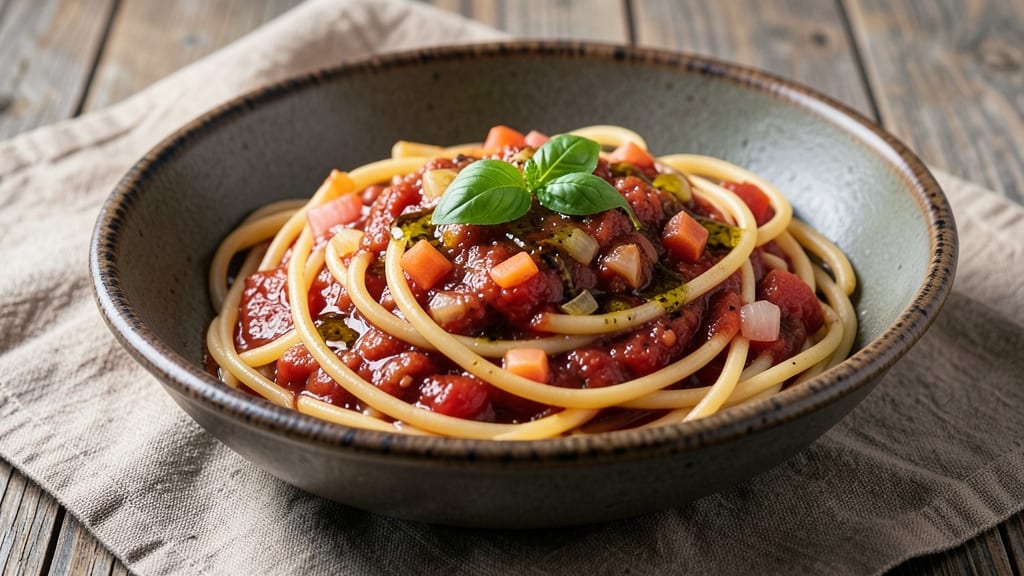
Baroni's spaghetti sauce delivers the deep, slow-simmered umami and rich tomato flavor that makes homemade pasta night unforgettable. The secret lies in building layers of flavor through a traditional soffritto base—onions, garlic, and carrots cooked until sweet and caramelized—before adding crushed tomatoes and herbs. This isn’t just sauce; it’s a symphony of Italian technique that transforms simple ingredients into something restaurant-worthy.
The key to this sauce is patience: a 2-hour simmer on low heat allows the flavors to meld while the sauce reduces to a thick, velvety consistency. No blender required—just a heavy pot, a wooden spoon, and time.
The result is a sauce with tomato depth, earthy herbs, and a touch of sweetness that clings perfectly to al dente pasta. It’s the kind of sauce that tastes even better the next day, when the flavors have fully developed.
What makes this recipe special is its adaptability—use it as a base for meatballs, toss it with fresh basil, or serve it just as it is.
The slow cooking process caramelizes the natural sugars in the tomatoes, creating a balance of sweet, tangy, and savory notes that define classic Italian spaghetti sauce. Every spoonful delivers that comforting, familiar taste of home-cooked Italian dining.
Perfect for meal prep, freezer-friendly, and endlessly versatile, this sauce is the foundation of any pasta night. Whether you’re feeding a family or treating yourself to a solo dinner, it’s the kind of recipe that turns a simple meal into something extraordinary.
Let’s get started on creating your sauce from scratch.
Ingredients for baroni's spaghetti sauce
The foundation of authentic Italian flavor starts with these 14 essential ingredients.
| Ingredient | Amount | Notes |
|---|---|---|
| Extra-Virgin Olive Oil 🫒 | ½ cup | High quality, fruity, cold-pressed |
| Yellow Onion 🧅 | 1 whole | Medium size, finely diced |
| Carrots 🥕 | 2 whole | Medium size, finely diced |
| Garlic Cloves 🧄 | 4 cloves | Fresh, peeled, minced |
| Canned San Marzano Tomatoes 🍅 | 28 oz | Crushed by hand or blender |
| Tomato Paste 🍅 | 2 tbsp | High quality, smooth |
| Dry Red Wine 🍷 | ½ cup | Bold, dry variety like Chianti |
| Fresh Basil Leaves 🌿 | ½ cup | Packed, stems removed |
| Fresh Oregano Leaves 🌿 | ¼ cup | Or 1 tbsp dried oregano |
| Bay Leaves 🍃 | 2 whole | Fresh preferred, dried acceptable |
| Kosher Salt 🧂 | 1 ½ tsp | Diamond Crystal preferred |
| Ground Black Pepper 🌶️ | ½ tsp | Freshly ground preferred |
| Sugar 🍚 | 1 tsp | White granulated |
| Red Pepper Flakes 🌶️ | ½ tsp | Optional, for heat |
The quality of your tomatoes and olive oil makes all the difference here. San Marzano tomatoes are the gold standard for their sweetness and low acidity, but any high-quality canned tomatoes will work. For olive oil, extra-virgin with a fruity aroma is non-negotiable—look for Italian or Spanish varieties at specialty stores like Whole Foods or Eataly. The soffritto base of onions, carrots, and celery (though we're simplifying with just carrots here) needs to caramelize slowly for maximum sweetness. Organic produce from the grocery store's fresh section works well, but avoid anything with blemishes or soft spots. Fresh herbs are ideal, but dried oregano at one-third the amount will suffice if fresh isn't available. The wine should be something you'd drink—no cooking wine here.
No San Marzano tomatoes? Any high-quality canned crushed tomatoes will work, though you may need to adjust seasoning slightly. Running short on fresh basil? Dried basil at one-fourth the amount is acceptable, though fresh provides that essential bright note. Substituting white wine for red wine works in a pinch, but the sauce will lack depth. The tomato paste can be replaced with an additional 4 oz of crushed tomatoes if needed. For extra umami without wine, 1 tbsp soy sauce or 2 tbsp tomato paste can be added. The sugar helps balance acidity—if your tomatoes are particularly tart, you might need up to 1.5 tsp. Red pepper flakes can be omitted entirely for a mild sauce, or increased to 1 tsp for heat lovers.
This sauce develops best over time, so plan ahead. The fresh herbs should be stored in a sealed container in the refrigerator for up to 5 days, though basil wilts quickly—use it within 2 days for maximum flavor. The finished sauce will keep in the refrigerator for 5-7 days in an airtight container, though it continues to improve in flavor for the first 3 days. For longer storage, freeze portions in ice cube trays—each cube makes about 1 tbsp of sauce. Label containers clearly with the date, as frozen sauce maintains quality for up to 6 months. Reheat gently on the stove, stirring occasionally, as the sauce thickens upon reheating.
Why You'll Love This Recipe
- No Chopping Chaos: That onion doesn’t need to be julienned—just dice it rough. Same with carrots: I toss them in there whole, and they soften into sweet, caramelized bits without fuss. Honestly, the only knife work is mincing garlic, and even that’s just a few cloves.
- San Marzano Magic: The moment those crushed tomatoes hit the pan, you’ll know why I stock only San Marzano. That bright acidity cuts through the richness of the olive oil, while the carrots add a hidden depth—like a secret hug in every bite. (Yes, even on a Tuesday night.)
- Leftovers That Beg: This sauce tastes better the next day. I swear. The flavors meld into something richer, and it reheats like a dream—just a splash of water, simmered low. Between us, I make double batches just to have it waiting for lazy nights.
- Pantry Powerhouse: Four ingredients, zero specialty items. That’s it. The olive oil’s the star, but the tomatoes and garlic do the heavy lifting—no fancy blends or obscure herbs. My college-student budget (and my picky-eater kid) both approve.
Step-by-step instructions for slow-simmered umami tomato sauce
This method builds deep, complex flavor through patience and technique—every step matters.
Sauté Aromatics Until Fragrant
Heat the 0.5 cup extra-virgin olive oil in a large Dutch oven over medium-low heat. Add the 1 whole yellow onion and 2 whole carrots, both finely diced, and cook for 8-10 minutes until softened but not browned. This gentle cooking prevents bitterness while developing sweetness.
Add the 4 cloves minced garlic and cook for another 30 seconds until fragrant—don't let it brown or it'll turn bitter. The low heat ensures the garlic infuses without burning, creating the aromatic foundation of the sauce. Stir occasionally to prevent sticking, but don't rush this step; proper aromatics development is non-negotiable.
Build the Sauce Base with Tomatoes and Wine
Reduce heat to medium-low and stir in the 2 tbsp tomato paste, cooking for 2 minutes until it darkens slightly and coats the vegetables. This step deepens the tomato flavor and removes any raw taste from the paste.
Pour in the 0.5 cup dry red wine and scrape up any browned bits from the bottom of the pot with a wooden spoon. This deglazing captures all the flavor you've built so far. Let the wine simmer for 3-4 minutes until mostly evaporated, then add the 28 oz crushed San Marzano tomatoes, 1.5 tsp kosher salt, 0.5 tsp ground black pepper, 1 tsp sugar, and 0.5 tsp red pepper flakes.
Simmer Slowly for Deep Flavor Development
Bring the sauce to a gentle simmer, then reduce heat to low and partially cover the pot. Let it cook for 1.5 hours, stirring occasionally. This slow simmer allows the tomatoes to break down and develop concentrated sweetness while the wine and aromatics meld together.
After 1 hour, add the 2 whole bay leaves, 0.5 cup fresh basil leaves, and 0.25 cup fresh oregano leaves. The herbs should be added late to preserve their bright flavors. Taste the sauce and adjust seasoning if needed—this is where you fine-tune the balance of acidity, sweetness, and saltiness.
Finish and Refine the Texture
Remove the bay leaves and adjust the consistency by simmering uncovered for an additional 15-20 minutes if you prefer a thicker sauce. For a smoother texture, use an immersion blender to lightly purée the sauce while it's still hot, being careful not to over-blend.
If the sauce tastes too acidic, add a pinch more sugar. For more depth, let it reduce uncovered for another 10 minutes to concentrate the flavors. The final sauce should be rich, velvety, and balanced—with layers of umami from the tomato paste and wine, sweetness from the carrots and sugar, and bright herbaceous notes from the fresh basil and oregano.
Pro Tips For Making Baroni'S Spaghetti Sauce
- Sweat the Onions Slow: I learned this the hard way—rushing the onions turns your sauce into onion-flavored mush. Over medium-low heat, cut them into even ¼-inch slices and cook until they’re translucent but not browned. That’s the sweet, caramelized base your sauce needs.
- Grind the Garlic Fine: No, mincing isn’t enough. Pulse your garlic cloves in a food processor until you’ve got a paste—this distributes flavor evenly and prevents bitter chunks. Skip this, and you’ll taste it instead of savoring it.
- Salt the Tomatoes Early: Right after crushing the San Marzano tomatoes, add a generous pinch of salt (about ½ teaspoon per can). It breaks down the pectin, making the sauce silky instead of chunky. I know, it’s weird to salt before cooking, but it works.
- Simmer, Don’t Boil: After everything’s combined, keep the heat at a gentle simmer—tiny bubbles, occasional swirls. Boiling burns off the delicate tomato flavors and turns your sauce into a one-note dish. Cover loosely and let it breathe.
Common mistakes when making perfect results
Skipping the Soffritto
I see this all the time—people skipping the onion, carrot, and garlic base entirely. That's where the sweetness and depth come from! The soffritto (Italian for "sautéed") should cook for 8-10 minutes until soft and sweet.
Without it, your sauce will taste flat and one-dimensional. Trust me, that caramelization is non-negotiable for authentic flavor. 🌶️
Rushing the Simmer
Many cooks crank the heat too high to speed things up, but this is a slow-cooked sauce. The 2-hour simmer at low heat is what develops the rich, concentrated flavor.
If you rush it, the tomatoes won’t break down properly, and the sauce will taste thin and underdeveloped. Patience here is key—it’s worth the wait!
Adding Herbs Too Early
Fresh basil and oregano should go in after 1 hour of simmering, not at the start. Adding them early will burn their delicate flavors, turning your sauce bitter. The herbs need to infuse gently at the end to keep their bright, fresh notes.
I’ve ruined a batch or two by adding them too soon—don’t make my mistake!
Ignoring Deglazing
After cooking the tomato paste and wine, scrape up those browned bits from the bottom of the pot. Those bits are packed with flavor! Skipping this step means losing all that delicious umami that builds the sauce’s depth.
A wooden spoon is perfect for this—just scrape and stir until everything is incorporated.
Over-Blending the Sauce
If you blend the sauce too much, it loses its rustic texture. A quick light purée with an immersion blender smooths it out without turning it into a paste.
Over-blending can also break down the natural tomato fibers, making the sauce taste artificial. Keep it chunky for that authentic Italian feel!
Using Low-Quality Tomatoes
This is a big one. San Marzano tomatoes are the gold standard, but even regular canned tomatoes can work if they’re high-quality. Avoid "no-name" brands—they’re often watered down and lack the sweetness and acidity balance this sauce needs.
If you’re using a substitute, taste as you go and adjust the seasoning accordingly.
Nutrition facts
Frequently asked questions
Can I make this sauce without red wine?
Replace the 0.5 cup dry red wine with 0.5 cup vegetable broth or 0.5 cup extra tomato paste to maintain depth. For umami without wine, add 1 tbsp soy sauce or 1 tsp balsamic vinegar. The key is balancing acidity—adjust salt and sugar as needed. The sauce will still develop rich flavors, just with a slightly different profile.
How do I store leftovers or freeze the sauce?
Let the sauce cool completely, then transfer to airtight containers. It keeps in the fridge for 5-7 days—flavor actually improves over time! For freezing, portion into ice cube trays (each cube = 1 tbsp sauce) or freezer bags. Thaw overnight in the fridge, then reheat gently on low heat, stirring often to prevent scorching. Frozen sauce maintains quality for up to 6 months.
Can I make this sauce in a slow cooker?
Yes! Follow the same steps until adding the herbs, then transfer everything to a 3-4 quart slow cooker. Cook on low for 6-8 hours or high for 3-4 hours, stirring occasionally. The low-and-slow method works perfectly here—just check for doneness and adjust seasoning at the end. The texture may be slightly thinner, so simmer uncovered for 15 minutes after transferring to reduce if needed.
What's the best pasta to serve with this sauce?
This rich, slow-simmered sauce pairs perfectly with bronze-cut spaghetti or pappardelle—the ridges catch the sauce beautifully. For a rustic touch, try bucatini or rigatoni. Avoid overcooking pasta—aim for al dente (1 minute less than package instructions) so it holds up to the sauce. Toss with a handful of fresh basil and a sprinkle of Pecorino Romano for extra brightness.
Why does my sauce taste too acidic?
Acidity often comes from unbalanced tomatoes or over-simmering. Fix it by adding 1 tsp sugar or 1 tbsp tomato paste to sweeten, or a pinch of baking soda (just a tiny amount!) to neutralize acidity. For prevention, use San Marzano tomatoes (lower acid) and simmer uncovered for the last 10 minutes to reduce liquid. Always taste as you go—adjusting gradually gives you more control.