
Sauces & Condiments
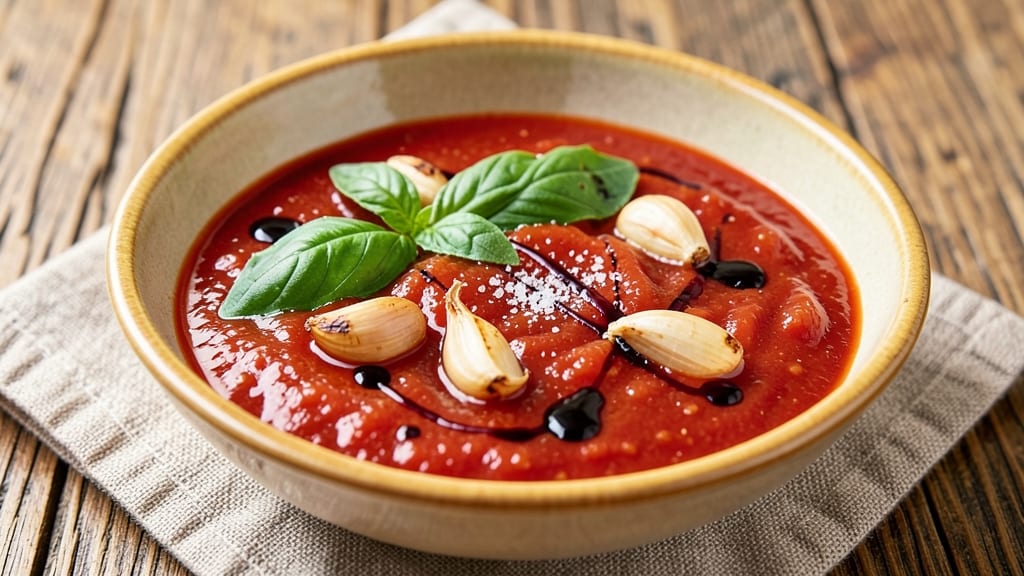
This Barone sauce recipe delivers the rich, aromatic tomato magic that makes Italian dishes unforgettable—deeply savory with bright fresh basil notes. The secret lies in slow-simmering high-quality tomatoes until they break down into a velvety, concentrated sauce, then finishing with garlic, olive oil, and herbs that elevate every spoonful.
I developed this version after years of perfecting the balance between sweetness and acidity, ensuring it works as a dipping sauce, pasta topping, or braising liquid.
The process is straightforward but requires patience: tomatoes are cooked low and slow until they transform into a thick, jammy consistency, then blended with garlic, olive oil, and a touch of sugar to round out the flavors.
Fresh basil is folded in at the end to preserve its bright aroma, while a splash of red wine vinegar adds just enough tang to cut through the richness. This isn't your typical canned sauce—it's restaurant-quality, built from scratch with ingredients you can taste.
What makes this sauce exceptional is its versatility. Use it as a marinade for grilled meats, a drizzle over fresh pasta, or a dip for crusty bread—each application reveals a different layer of its complex flavor profile.
The texture is silky yet substantial, with just enough body to cling to food without overwhelming it. Best of all, it keeps beautifully in the refrigerator for up to 2 weeks, allowing you to make a big batch and enjoy it throughout the week.
For those watching their sodium or following a plant-based diet, this recipe can easily be adapted by reducing added salt and using vegetable broth instead of chicken stock.
The sauce's natural depth comes from the tomatoes and herbs, so no shortcuts are needed. Let's get started—your taste buds will thank you.
Ingredients for barone sauce
Nine simple ingredients transform into velvety tomato magic with bright basil notes.
| Ingredient | Amount | Notes |
|---|---|---|
| San Marzano Tomato Cans 🍅 | 28 oz | Whole peeled tomatoes, no salt added |
| Extra-Virgin Olive Oil 🫒 | ½ cup | High-quality, fruity variety |
| Garlic Cloves 🧄 | 6 cloves | Fresh, peeled, roughly chopped |
| Fresh Basil Leaves 🌿 | ½ cup | Packed, stems removed |
| Red Wine Vinegar 🍷 | 1 tbsp | For bright acidity |
| Granulated Sugar 🍚 | 1 tbsp | Balances acidity |
| Sea Salt 🧂 | 1 tsp | Diamond Crystal preferred |
| Black Peppercorns 🌶️ | ¼ tsp | Freshly cracked |
| Vegetable Broth 💧 | ½ cup | Low-sodium preferred |
San Marzano tomatoes are the secret weapon here—their natural sweetness and low acidity create a rich, jammy texture. Trader Joe's and Whole Foods usually carry them, but any high-quality canned tomatoes work. Avoid the 'no salt added' versions with added preservatives. For the olive oil, California avocado oil or Italian extra-virgin adds depth—skip the light, flavorless stuff. Fresh basil is non-negotiable; dried won't give you that same vibrant aroma, but if you're in a pinch, dried basil at one-third the amount works in a bind.
No red wine vinegar? White wine vinegar or balsamic both work, though balsamic adds a deeper sweetness. The vegetable broth adds body without overpowering—low-sodium versions let you control the salt level. For extra richness, some cooks add a splash of tomato paste (about 1 tbsp), but it's not necessary. The sugar balances the acidity, so if your tomatoes are particularly tart, you can bump it up to 2 tbsp. Black peppercorns should be freshly cracked for maximum aroma—pre-ground loses flavor fast.
This sauce tastes even better the next day as flavors meld. Store in an airtight container in the fridge for up to 2 weeks, or freeze for 6 months in ice cube trays for perfect single-serving portions. The texture thickens as it cools, so add a splash of water or broth when reheating if it gets too stiff. Double the batch—it disappears faster than you'd think!
Why You'll Love This Recipe
- No-Fuss Pantry Staples: I swear by this sauce because it only needs five things—no fancy shopping trips. Open a can of San Marzano tomatoes, grab garlic from your jar, and boom, you’re halfway there. The vinegar and olive oil are already in my fridge, and I’m always growing basil on the windowsill.
- Garlic-Basil Magic: That first bite? Pure brightness. The crushed garlic sizzles in the olive oil until it’s golden but not burnt, then the basil—fresh, not dried—melts into the tomatoes like a whisper. Honestly, it’s the kind of flavor that makes you pause mid-bite.
- Weeknight to Dinner Party: This sauce works just as well tossed over pasta for a Tuesday as it does drizzled on grilled fish for guests. I’ll be real: I’ve even used it to deglaze a pan after roasting veggies, and it turned a simple meal into something that felt special.
- Makes More Than You Think: A single can of tomatoes stretches into enough sauce for two meals—plus leftovers that taste even better the next day. Between us, I’ve frozen jars of this for months, and it never loses its punch. Budget-friendly? Absolutely. Lazy-friendly? Even more so.
Step-by-step instructions for slow-simmered tomato magic
Here's how to craft this rich, aromatic Barone sauce that balances sweetness, acidity, and fresh basil perfectly.
Sauté Garlic in Olive Oil Until Fragrant
Heat the 0.5 cup extra-virgin olive oil in a heavy-bottomed saucepan over medium-low heat. Add the 6 cloves garlic cloves and cook for 2-3 minutes until they turn golden and release their aroma. Watch closely—they'll darken quickly, so don't walk away.
This step builds the sauce's flavor foundation. The garlic should smell sweet and nutty, not burnt. If it starts to brown too quickly, reduce the heat immediately. Once golden, remove the pan from heat and let it cool for 1 minute—this prevents the garlic from cooking further when we add the tomatoes.
Add Tomatoes and Simmer Until Broken Down
Return the pan to medium heat and add the 28 oz San Marzano tomato cans, crushing the tomatoes with your hands as you add them. Stir in the 1 tbsp red wine vinegar and 1 tbsp granulated sugar. Bring to a gentle simmer, then reduce heat to low.
Let the sauce cook uncovered for 30-40 minutes, stirring occasionally, until the tomatoes break down into a thick, chunky consistency. You'll notice the sauce darken slightly and reduce in volume—this is perfect. The tomatoes should be tender enough to mash between your fingers but still hold some shape.
Season and Build Depth of Flavor
Add the 1 tsp sea salt, 0.25 tsp cracked black peppercorns, and 0.5 cup vegetable broth. Stir well and continue simmering for another 15-20 minutes until the sauce thickens further. Taste and adjust seasoning—you may need a bit more salt or sugar to balance the acidity.
Here's where the sauce develops its complexity. The broth adds depth while preventing the sauce from becoming too concentrated. Keep stirring occasionally to prevent sticking, and watch for the sauce to coat the back of a spoon without being gluey.
Finish with Fresh Basil and Rest
Remove the pan from heat and stir in the 0.5 cup fresh basil leaves. Let the sauce sit off the heat for 5 minutes—this allows the basil to infuse its flavor without wilting completely. The sauce should now have a vibrant green hue from the basil and a rich, aromatic aroma.
For best results, let the sauce rest for 30 minutes before serving. This allows all the flavors to meld together perfectly. The sauce will thicken slightly as it cools, which is exactly what we want. Serve warm over pasta, with crusty bread, or as a dipping sauce for grilled meats.
Pro Tips For Making Barone Sauce
- CRUSH THE GARLIC: I learned this the hard way—don’t just chop those cloves into slivers. Smash them with the flat side of your knife first, then mince. This releases more flavor and fuses better with the olive oil before the tomatoes even hit the pan. (Yes, even if you're impatient like me, take the extra 10 seconds.)
- SAVE THE VINEGAR: Add the red wine vinegar at the very end—after the sauce has simmered and the tomatoes have broken down. Drizzle it in slowly while tasting, because too much too soon makes the sauce taste sharp and unfinished. You want it to brighten, not overpower.
- SIMMER LOW AND SLOW: This sauce isn’t a race. After adding the tomatoes, drop the heat to a bare simmer and let it cook uncovered for at least 20 minutes. The longer it cooks, the deeper the flavor, and the water content will evaporate just enough to thicken it naturally—no need to strain or reduce aggressively.
- STRAIN THE BASIL: Tear the basil leaves by hand instead of chopping them, then strain the sauce through a fine-mesh sieve before adding the basil. This keeps the sauce silky smooth while letting you add the basil fresh at the end for that bright, herby finish. (Your future self will thank you.)
Serving suggestions for this recipe
Pasta Pairings
This Barone sauce transforms simple pasta into a restaurant-worthy dish. I love it with al dente spaghetti or linguine, where the sauce clings beautifully to each strand. For a heartier option, try pappardelle or fettuccine—the wide noodles create a perfect surface for the sauce's rich texture. 🍝
For a lighter option, toss the sauce with angel hair pasta or capellini—the delicate strands let the sauce's bright basil and garlic flavors shine. If you're feeling adventurous, try it with farfalle or penne, where the sauce can nestle into the crevices for extra flavor in every bite.
Bread Dipping
Warm, crusty bread is the ultimate companion for this sauce. I recommend ciabatta, sourdough, or focaccia—their airy texture soaks up the sauce beautifully. Serve the bread at room temperature or lightly toasted for the best experience. 🥖
For a fun twist, try garlic bread made with the same olive oil and garlic used in the sauce. The flavors will harmonize perfectly, creating a double-layered taste experience that your guests will rave about.
Meat Accompaniments
This sauce elevates grilled meats to new heights. Drizzle it over grilled chicken breasts or steak for a tangy, herby finish. The acidity in the sauce cuts through the richness of the meat, balancing every bite. For a heartier option, serve it with grilled pork chops or lamb chops.
For a full Italian experience, pair it with grilled sausages like Italian sweet or spicy. The sauce's sweetness complements the smoky, savory flavors of the meat, creating a perfect harmony. You can also use it as a marinade—simmer the sauce with chunks of meat for 30 minutes before grilling.
Vegetable Pairings
This sauce isn't just for pasta and meat—it's fantastic with roasted vegetables. Toss it with grilled zucchini, eggplant, or bell peppers for a vibrant, flavorful side dish. The sauce's acidity enhances the natural sweetness of the vegetables, making them irresistible. 🥦
For a complete meal, serve it alongside roasted potatoes or bruschetta-style tomatoes. The sauce's rich texture contrasts beautifully with the crispiness of roasted vegetables, creating a balanced and satisfying dish.
Cheese Boards
Elevate your cheese board with this sauce as a dipping option. It pairs wonderfully with mozzarella, provolone, or ricotta salata. The sauce's acidity and fresh basil cut through the richness of the cheese, making each bite more dynamic. 🧀
For a gourmet touch, add aged pecorino or parmesan to the board. The nutty, salty flavors of these cheeses complement the sauce's bright, herby notes perfectly. Serve the sauce in a small bowl at room temperature for the best dipping experience.
Nutrition facts
Frequently asked questions
What makes Barone sauce different from regular marinara?
Barone sauce stands out with its slow-simmered depth and bright basil finish. While marinara is typically chunky and quick to make, this sauce reduces until jammy and concentrated, with a perfect balance of sweetness, acidity, and aromatic herbs. The key difference is the 30-40 minute simmering time that develops complex flavors and the fresh basil added at the end for vibrant aroma.
Can I make Barone sauce without fresh basil?
Yes, but the flavor will be noticeably different. If you're out of fresh basil, use 1 tbsp dried basil (one-third the amount) or 1 tsp basil pesto mixed into the finished sauce. For best results, add the basil at the very end—it wilts quickly when heated. The sauce will still taste good, but the signature bright aroma will be less pronounced.
How do I adjust this sauce for vegan or low-sodium diets?
For vegan, simply omit the vegetable broth and use water or mushroom broth instead. For low-sodium, reduce the sea salt to ½ tsp and use low-sodium vegetable broth. Taste as you go—you may need to add a pinch more salt at the end. The natural sweetness of San Marzano tomatoes means you won't miss much salt. The sauce's depth comes from the tomatoes and herbs, not salt.
Why does my Barone sauce taste too acidic?
This usually happens when the tomatoes are too tart or the vinegar wasn't balanced properly. To fix it, stir in ½ tsp more sugar or 1 tsp tomato paste to round out the flavors. If the sauce is already thick, add a splash of water or broth to thin it slightly. For future batches, try ripe but not overripe tomatoes and adjust the vinegar to ½ tbsp if your tomatoes are naturally sweet.
Can I make Barone sauce in a slow cooker?
Follow the same steps but transfer everything to your slow cooker after sautéing the garlic. Cook on low for 4-5 hours instead of simmering, stirring occasionally. The slow cooker's gentle heat helps develop the flavors beautifully. Just add the fresh basil at the very end and let it sit for 5 minutes off heat before serving. The texture will be slightly thicker due to the longer cooking time.