
Sauces & Condiments
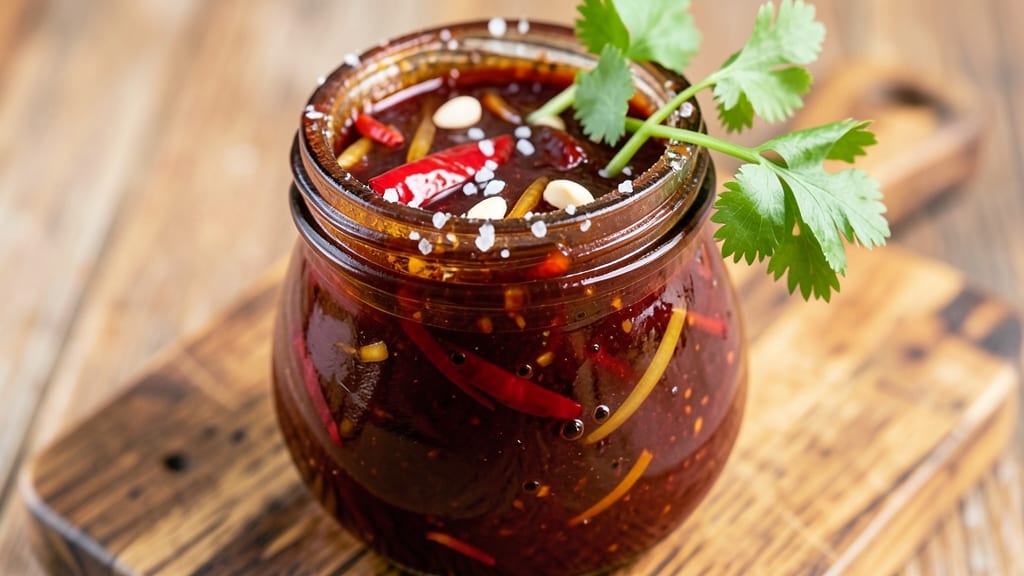
This Barberton hot sauce recipe delivers the bold, fermented heat that makes it a cult favorite among spice lovers. The secret lies in balancing cayenne peppers with aged vinegar and a touch of sweetness, creating a sauce that's complex yet approachable.
Unlike store-bought versions, this method develops deep, smoky flavors through fermentation—no shortcuts, just pure, concentrated fire.
What sets this recipe apart is the fermentation process, which transforms raw heat into layered flavor. You'll start with fresh cayenne peppers, garlic, and onions, then let the mixture sit for 5-7 days to develop its signature tangy depth.
The result is a sauce that's smooth yet fiery, with a balance of sweetness from the vinegar and fruit that keeps it from being overwhelming.
Perfect for adding heat to tacos, grilled meats, or even drizzling over popcorn, this hot sauce builds character over time. The longer it ferments, the more complex the flavors become—think of it as a spicy, liquid aging process.
Store it in the refrigerator for up to 6 months, if it lasts that long.
For those new to fermented hot sauces, don't be intimidated—the process is straightforward, and the payoff is a sauce that's worth every drop. Whether you're a seasoned spice enthusiast or just looking to elevate your meals, this recipe delivers restaurant-quality heat with a homemade touch.
Ingredients for barberton hot sauce
Fermented heat meets tangy depth—just ten ingredients transform into cult-favorite Barberton hot sauce.
| Ingredient | Amount | Notes |
|---|---|---|
| Fresh Cayenne Peppers 🌶️ | 1 lb | Remove stems and seeds |
| Yellow Onions 🧅 | 2 whole | Chopped into small pieces |
| Garlic Cloves 🧄 | 6 cloves | Crushed or minced |
| White Vinegar 🍶 | 2 cups | Aged, 5% acidity preferred |
| White Sugar 🍚 | ½ cup | Granulated, for balance |
| Salt 🧂 | 1 ½ tbsp | Non-iodized preferred |
| Fresh Ginger 🌿 | 2 tbsp | Finely grated, fresh preferred |
| Apple Cider Vinegar 🍎 | ½ cup | For fruity depth |
| Black Peppercorns 🌶️ | 1 tsp | Crushed, for complexity |
| Water 💧 | 1 cup | Filtered preferred |
The cayenne peppers are non-negotiable—look for fresh, firm pods with vibrant color at Trader Joe's or your local Latin market. The onions and garlic should be freshly chopped for maximum flavor development during fermentation. For vinegar, aged white vinegar (like Apple Valley) adds depth, while apple cider vinegar contributes fruity notes. The sugar isn't just for sweetness—it helps balance the heat and feeds the fermentation process. Diamond Crystal kosher salt is ideal for its purity, but any non-iodized salt works. Fresh ginger is key for its aromatic punch, so grate it just before mixing—pre-grated loses potency quickly.
No fresh cayenne? Dried cayenne powder at half the amount works in a pinch, though the texture will differ. Swap apple cider vinegar for white wine vinegar if needed, but expect a slightly sharper finish. The black peppercorns can be omitted if you prefer a smoother heat profile. For a sweeter sauce, increase sugar to 3/4 cup, but reduce vinegar to 1.5 cups to maintain balance. The water acts as a fermentation catalyst—use filtered if your tap water tastes metallic. If you're sensitive to spice, reduce cayenne to 8 oz and add 1 extra tbsp sugar to offset the heat.
Ferment in a glass jar with an airlock or loosely covered lid to allow gases to escape. Store in a cool, dark place for 5-7 days, stirring daily. Once fermented, transfer to the fridge where it'll keep for up to 6 months. The sauce thickens over time—stir before each use. For immediate use, ferment for just 3 days for a brighter, tangier profile. Always sterilize jars before fermenting to prevent mold. The first batch may be your favorite—it's worth the wait.
Why You'll Love This Recipe
- Here’s what sold me: that perfect push-and-pull of sugar and vinegar cutting through the cayenne’s bite. The onions caramelize just enough to add depth, while the garlic rounds it out—like a spicy hug with a sweet aftertaste. (Yes, even on a Tuesday night.)
- No Chopping Struggle: I swear by this recipe because it only needs two things chopped: onions and garlic. That’s it. Even my roommate—who once tried to "dice" an onion and ended up with a pile of onion confetti—can handle it. The cayennes? Just toss them whole into the pot. Done.
- Sweet Heat Balance: Here’s what sold me: that perfect push-and-pull of sugar and vinegar cutting through the cayenne’s bite. The onions caramelize just enough to add depth, while the garlic rounds it out—like a spicy hug with a sweet aftertaste. (Yes, even on a Tuesday night.)
- Pantry Staple Power: Between us, this sauce turns boring meals into moods. Drizzle it on eggs, mix it into deviled ham, or use it as a marinade for chicken wings. It’s my go-to for when I’m lazy but still want flavor. Honestly, I’ve even used it to "fix" bland store-bought salsa.
Step-by-step instructions for Barberton hot sauce
This method delivers a balanced, fermented hot sauce with deep cayenne heat and complex vinegar notes.
Prepare and Ferment the Cayenne Base
Remove stems and seeds from the 1 lb fresh cayenne peppers using a sharp knife. Chop the peppers into small, even pieces—about ¼-inch thick. You want to maximize surface area for fermentation while keeping the pieces manageable. Transfer the chopped peppers to a clean, non-reactive container.
In the same container, add the 2 whole yellow onions that have been chopped into small pieces and the 6 cloves garlic that have been crushed or minced. Mix everything thoroughly with your hands, ensuring the peppers, onions, and garlic are evenly distributed. This combination creates the flavor foundation for your hot sauce.
Add the 1.5 tbsp salt and the 2 tbsp finely grated fresh ginger to the mixture. The salt will begin drawing out moisture from the vegetables, creating an ideal environment for fermentation. Cover the container loosely with a lid or cloth and let it sit at room temperature for 3-5 days, stirring once daily. You'll know fermentation is working when you smell a tangy, slightly sour aroma and see liquid pooling at the bottom.
Blend the Fermented Mixture
After fermentation, transfer the entire mixture—including any liquid—to a high-powered blender. Add the 1 cup water to help create a smooth consistency. Blend until completely smooth, scraping down the sides as needed. The result should be a thick, vibrant puree with no visible chunks. If you prefer a slightly chunkier texture, pulse briefly instead of blending fully.
This is where the magic happens—the fermentation process has developed complex flavors that blend seamlessly with the vinegar base we'll add next. Taste a small amount at this stage; it should be intensely spicy with a fermented tang. If it's too strong, you can adjust later with more vinegar.
Combine with Vinegar and Sweeten
In a separate large bowl, combine the 2 cups white vinegar and 0.5 cup white sugar. Stir until the sugar dissolves completely. The sugar helps balance the acidity of the vinegar while adding subtle sweetness that rounds out the heat. Add the blended pepper mixture to the vinegar solution and stir thoroughly to ensure everything is well incorporated.
Next, add the 0.5 cup apple cider vinegar and the 1 tsp crushed black peppercorns. The apple cider vinegar adds fruity depth while the peppercorns contribute subtle complexity. Stir one final time to combine all ingredients completely. The mixture should be smooth, with a vibrant red-orange hue from the cayenne peppers.
Ferment and Age the Hot Sauce
Transfer the hot sauce mixture to a clean, airtight glass jar or bottle. Seal tightly and store at room temperature for 2-4 weeks, shaking the jar gently each day. This secondary fermentation period allows the flavors to meld and develop even more depth. The heat will intensify slightly as the sauce ages, so taste it periodically to monitor the balance between spice and acidity.
After the initial aging period, you can choose to bottle the hot sauce for immediate use or continue fermenting for up to 3 months in a cool, dark place for a more complex flavor profile. The longer it ferments, the deeper and more nuanced the flavors will become, but the heat will also intensify.
Strain and Bottle for Serving
Once you're satisfied with the flavor, strain the hot sauce through a fine-mesh sieve or cheesecloth to remove any remaining solids. This step creates a smooth, professional-quality hot sauce. Press gently on the solids to extract all the liquid. Transfer the strained hot sauce to clean, sterilized bottles or jars.
Label your bottles with the date and store them in a cool, dark place. The hot sauce will continue to improve over time, but it will keep indefinitely in the refrigerator once opened. Serve chilled or at room temperature, and enjoy the perfect balance of cayenne heat, vinegar tang, and fermented depth that makes Barberton hot sauce truly special.
Pro Tips For Making Barberton Hot Sauce
- CHAR THE ONIONS LOW: Barberton sauce needs sweetness from onions, but don’t rush this—cook them at 250°F (120°C) for 45-60 minutes until they’re dark brown and caramelized. I used to burn them trying to speed it up, and the sauce tasted bitter. Slow wins here.
- DESEED CAYENNES CAREFULLY: Leave the stems and veins in—those hold the most heat—but scrape out seeds and membranes completely. I learned this the hard way: one missed seed turned my batch into a mouth-on-fire disaster. Gloves help, trust me.
- SIMMER VINEGAR GENTLY: Bring vinegar to a bare simmer (180°F/82°C) when combining with peppers and onions—boiling blasts flavor away. I skipped this once and ended up with something that tasted like vinegar soup. Low heat = depth.
- SWEETEN GRADUALLY: Add sugar in two batches—half upfront, half at the end—so it dissolves properly without scorching. My first attempt turned the sauce into a sticky, burnt mess. Taste as you go; adjust for heat, not just sweetness.
Pro cooking tips for barberton hot sauce
Fermentation Control
Temperature is your secret weapon for consistent fermentation. Keep your cayenne mixture between 65-75°F during the initial 3-5 day phase—I use a Thermoworks sous vide circulator set to 70°F for perfect control. If your kitchen runs hotter, move the container to a cooler spot like a pantry or basement.
Too warm? Fermentation speeds up, risking off-flavors or mold. Stir daily to distribute moisture evenly and prevent mold growth. 🌡️
Vinegar Selection Matters
Not all vinegars ferment the same way. For this recipe, aged white vinegar (like Apple Valley) provides the cleanest acidity, while apple cider vinegar adds fruity complexity. Avoid distilled white vinegar—it lacks depth and can make your sauce taste harsh.
If you're using white wine vinegar, reduce the amount by ¼ cup to prevent over-acidification. The sugar-to-vinegar ratio is critical: 1:4 (sugar to vinegar) creates the perfect balance of heat and tang.
Blending Like a Pro
A high-powered blender like the Vitamix or Ninja BN600 is non-negotiable for smooth results. Pulse the fermented mixture in 30-second bursts to avoid overheating, which can cook the flavors prematurely. For extra-smooth sauce, strain through a fine-mesh chinois after blending.
If you prefer texture, leave some solids in by pulsing briefly instead of blending fully. The goal is a velvety, vibrant puree—no gritty bits! ✨
Secondary Fermentation Hacks
During the 2-4 week secondary fermentation, shake your jar once daily to distribute flavors evenly. If you notice mold (fuzzy spots), discard the batch—it’s not worth the risk. For a faster but still flavorful sauce, ferment for just 10-14 days at room temperature.
If you’re impatient, transfer the jar to the fridge after 7 days to slow fermentation and preserve brightness. The longer it ages, the deeper the flavor, but the heat will intensify—taste test often!
Straining for Perfection
Use a clean cheesecloth or fine-mesh sieve to strain your hot sauce, pressing gently on the solids to extract every last drop of liquid. For a smoother finish, double-strain through a coffee filter lined in the sieve.
If your sauce is too thick after straining, thin it with 1-2 tbsp apple cider vinegar. The final texture should coat the back of a spoon but still pour easily. Store in sterilized glass bottles—plastic can absorb flavors over time. 💫
Heat Adjustment Tricks
Too spicy? Balance it with 1 extra tbsp sugar or 1 tbsp honey. Not enough heat? Add 1 extra tbsp cayenne powder (if you skipped fresh peppers) or 1 tsp smoked paprika for depth.
For a sweeter profile, reduce vinegar by ¼ cup and add 1 tbsp maple syrup. If your sauce tastes flat, let it ferment 2-3 more days—patience pays off with richer flavors. Always taste as you go! 🔥
Nutrition facts
Frequently asked questions
Why does this recipe use both white and apple cider vinegar?
The combination creates a perfect balance of clean acidity and fruity depth. White vinegar provides the sharp, tangy base that preserves the heat, while apple cider vinegar adds subtle sweetness and complexity. Together, they prevent the sauce from tasting harsh or one-dimensional.
Can I make Barberton hot sauce without fresh cayenne peppers?
Yes, but the flavor will differ. Use ½ cup dried cayenne powder instead, but reduce the fermentation time to 2-3 days since dried peppers don't ferment the same way. For extra depth, add 1 tsp smoked paprika to mimic the complexity of fresh cayenne. The heat will be more immediate but less nuanced.
How do I know if my hot sauce is fermenting properly?
Look for three key signs: a tangy, slightly sour aroma, visible liquid pooling at the bottom, and bubbles forming on the surface. Stir daily to distribute moisture and prevent mold. If you see fuzzy spots, discard the batch immediately—fermentation gone wrong is not worth the risk.
What's the best way to store homemade hot sauce?
Transfer to sterilized glass bottles and store in a cool, dark place for up to 3 months before opening. Once opened, refrigerate and consume within 6 months. The longer it ages, the deeper the flavors become, but the heat intensifies too—taste test often! The fridge slows fermentation and preserves freshness.
Can I adjust the heat level after fermentation?
If it's too spicy, balance with 1 tbsp sugar or honey. For more heat, add ½ tsp cayenne powder or a pinch of smoked paprika. If the sauce tastes flat, let it ferment 2-3 more days—patience develops richer flavors. Always taste as you go to avoid overcorrecting.