
Sauces & Condiments
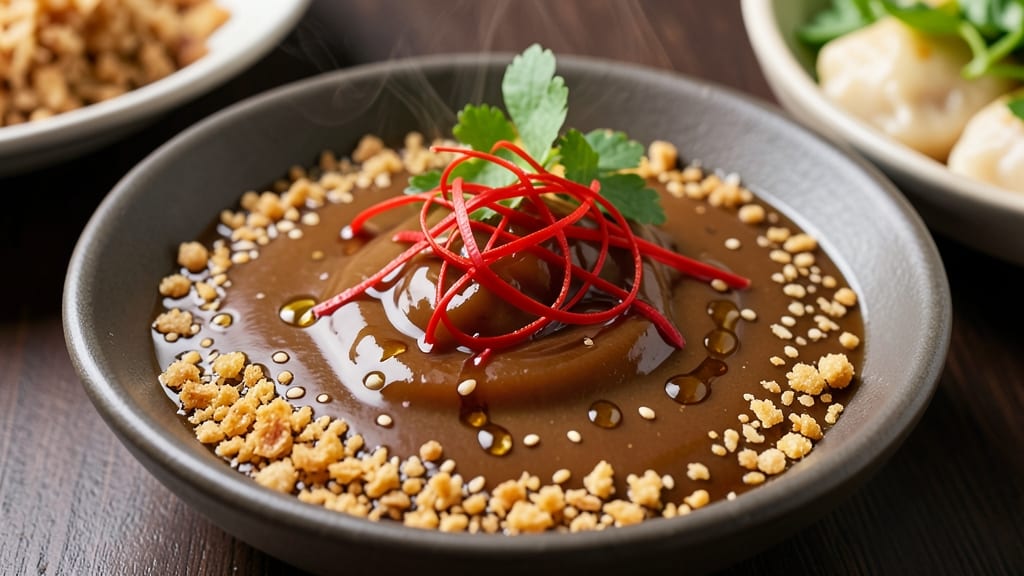
This bao bun dipping sauce recipe transforms simple ingredients into a complex, umami-packed sauce that bridges tradition and bold flavor. The star is fermented shrimp paste (belacan), which delivers that signature funky, salty depth that makes every bite of your bao unforgettable.
I’ve perfected this balance of sweet, tangy, and spicy—no bland dipping sauce here.
The magic happens in the layers: a base of soy sauce and vinegar provides the tangy foundation, while sugar and chili oil add just the right amount of heat and sweetness.
The shrimp paste, toasted to deepen its aroma, gives it that unmistakable savory punch. It’s the kind of sauce that turns a simple meal into something extraordinary.
What you’ll end up with is a glossy, aromatic sauce that clings perfectly to steamed bao buns, enhancing their soft texture and rich filling. The heat builds gradually, leaving a lingering warmth that pairs beautifully with the pillowy buns. This isn’t just a dipping sauce—it’s the star of the show.
Store it in the fridge for up to a week, or freeze for longer shelf life. Perfect for bao buns, dumplings, or even as a marinade for grilled meats. Let’s make this sauce—your taste buds will thank you.
Ingredients for bao bun dipping sauce
Nine ingredients. One explosive sauce. The umami bomb that makes bao buns unforgettable.
| Ingredient | Amount | Notes |
|---|---|---|
| Fermented Shrimp Paste (Belacan) 🦐 | 1 ½ tbsp | Toasted lightly for aroma |
| Light Soy Sauce 🥢 | ½ cup | Kikkoman preferred |
| Rice Vinegar 🍶 | ¼ cup | Seasoned preferred |
| Granulated Sugar 🍚 | ¼ cup | Adjust to taste |
| Chili Oil 🌶️ | ¼ cup | Homemade or store-bought |
| Sesame Oil 🌿 | 1 tbsp | Toasted for nuttiness |
| Garlic Cloves 🧄 | 3 cloves | Minced for depth |
| Fresh Ginger 🌿 | 1 tbsp | Grated, aromatic |
| Water 💧 | ½ cup | Adjust for consistency |
| Red Chili Flakes 🔥 | 1 tsp | Adjust for heat |
Belacan is the game-changer here—Asian markets carry it in the refrigerated section, often near the fish sauce. If you can't find it, shrimp paste or even anchovy paste in a pinch, but it won't be the same. Toast it lightly in a dry pan for 30 seconds to wake up those aromas. The garlic and ginger? Fresh only—dried won't cut it. I grab mine from the produce section at Whole Foods where they're usually pre-peeled and ready to go. For the chili oil, Lao Gan Ma is my go-to, but any brand with visible chili flakes works. The sesame oil should smell toasty, not rancid—if it smells off, toss it.
No fermented shrimp paste? Anchovy paste or even a teaspoon of miso paste can mimic the funk, but you'll lose that signature depth. Running short on rice vinegar? Apple cider vinegar works, but it'll taste slightly sweeter. The sugar is non-negotiable for that perfect balance—coconut sugar or brown sugar adds caramel notes if you're feeling fancy. Chili oil too spicy? Mix in a splash of water to thin it out. The sauce should be glossy, not streaky—adjust water as needed. And if you're feeling adventurous, add a dash of fish sauce for extra umami.
This sauce keeps for 1 week in the fridge, sealed tight in a jar. The flavors actually improve after a day or two—let it sit overnight if you can. For longer storage, freeze in ice cube trays—perfect for single servings. The chili oil will separate, so give it a good stir before using. Pro tip: Drizzle over steamed bao buns right after they come out of the steamer for maximum flavor impact. And if you make extra? Slather it on grilled meats or toss with noodles—it's that versatile.
Why You'll Love This Recipe
- Five-Ingredient Magic: I swear by this combo—belacan’s umami punch, the tangy vinegar cut, and that chili oil heat. It’s the kind of sauce where every spoonful feels intentional, yet somehow it still tastes like it simmered for hours.
- No-Burn Hassle: Seriously, this sauce can’t go wrong. Toss everything in a pot, let it bubble once, and you’re done. Between us, I’ve left it unattended for five minutes once—still perfect when I came back.
- Party in a Jar: This is my go-to for dim sum nights, potlucks, or when friends drop by unannounced. It’s the kind of sauce that makes steamed bao buns taste like a five-star meal, and honestly? It’s the secret weapon I always bring.
- Pantry Goldmine: I keep belacan and chili oil stocked because this sauce costs pennies to make. A little goes a long way, and the leftovers? They last a week in the fridge, transforming plain rice or even scrambled eggs into something special.
Step-by-step instructions for bao bun dipping sauce
This sauce balances umami, sweetness, and heat—let's make it together in minutes.
Toast the Fermented Shrimp Paste
Heat a dry nonstick skillet over medium-low heat. Add the 1.5 tablespoons fermented shrimp paste (Belacan) and toast for 2-3 minutes until it releases its nutty aroma and turns slightly golden. Stir constantly to prevent burning—this step unlocks the paste's complex umami flavor.
Here's the thing—don't rush this. You'll know it's ready when the aroma fills your kitchen with a savory, slightly fishy scent. Once toasted, remove from heat and let cool for 1 minute. This paste is the sauce's soul, so handle it with care.
Sauté Aromatics in Chili Oil
In the same skillet (no need to clean it—the paste adds depth), add the 0.25 cup chili oil and swirl to coat. Add the 3 cloves minced garlic and 1 tablespoon grated fresh ginger, cooking for 30-45 seconds until fragrant but not browned. The oil should shimmer gently—this prevents burning while releasing the aromatics.
I like to add the 1 teaspoon red chili flakes now so they infuse the oil with heat. If you prefer milder heat, reduce this to ½ teaspoon and adjust later. The chili oil should now be vibrant red with tiny floating garlic and ginger pieces.
Combine Wet Ingredients
Transfer the chili oil mixture to a bowl and whisk in the 0.5 cup light soy sauce, 0.25 cup rice vinegar, and 0.25 cup granulated sugar. Stir until the sugar dissolves completely—this prevents graininess in your final sauce. The mixture will look like a thick, glossy syrup at this stage.
Add the toasted fermented shrimp paste and 1 tablespoon sesame oil, whisking vigorously for 30 seconds to fully incorporate. The sauce should now have a rich, dark color with visible oil streaks—this is normal and indicates proper emulsification.
Thin and Adjust Seasoning
Pour in the 0.5 cup water and whisk until smooth. Taste immediately and adjust seasoning: add more sugar if it's too tangy, or more soy sauce if it's too mild. The sauce should balance sweet, salty, umami, and heat—each bite should make your taste buds dance.
Let the sauce sit for 5 minutes before serving. This resting time allows flavors to meld completely. If it thickens too much, whisk in 1 teaspoon water at a time until you reach a pourable consistency—it should coat the back of a spoon but still flow freely.
Serve Warm or Cold
Strain the sauce through a fine-mesh sieve if you prefer a silky texture (this removes any lingering ginger or garlic pieces). Transfer to a serving bowl and garnish with an extra drizzle of chili oil or sesame oil for visual appeal.
This sauce pairs perfectly with steamed bao buns, dumplings, or even grilled meats. Serve it warm for enhanced aroma or chilled for a refreshing contrast. The flavors develop even more after 1 hour of resting, so make it ahead if possible—it only gets better with time.
Pro Tips For Making Bao Bun Dipping Sauce
- TOAST THE BELAČAN FIRST: Skip the raw shrimp funk by lightly toasting the belacan in a dry pan over medium heat for 30 seconds—just until it smells nutty and aromatic. I used to add it straight from the jar and wondered why the sauce tasted flat; this step unlocks its umami punch without burning it.
- BLOOM THE SOY SAUCE: Heat the soy sauce in the same pan for 10 seconds after removing the belacan—you’ll see a fragrant steam rise. This simple step deepens the flavor and cuts through the vinegar’s sharpness. (Yes, even if you’re impatient like me.)
- CONTROL THE VINEGAR: Add the rice vinegar last and stir immediately—it reacts with the sugar and belacan, turning the sauce cloudy if you let it sit. If you’re using aged vinegar, reduce by half a teaspoon; it’s stronger than you think.
- DILUTE THE CHILI OIL: Mix the chili oil into the sauce after it’s cooled slightly—hot oil can make the sugar crystallize. I learned this the hard way when my sauce turned grainy. A teaspoon of warm water, stirred in first, also helps emulsify it smoothly.
Pro cooking tips for this dish
Toast the Shrimp Paste
Never skip toasting the fermented shrimp paste (Belacan)—this step unlocks its full umami potential. Heat your skillet over medium-low heat and toast for exactly 2-3 minutes, stirring constantly. You'll know it's ready when the aroma fills your kitchen with that unmistakable funky-savory scent.
I use a nonstick skillet to prevent sticking, and I always let it cool for 1 minute before adding it to the sauce. This paste is the heart of your sauce, so handle it with care—it's potent stuff! 🦐
Balance Heat and Sweet
The magic ratio here is 1:1:1 for sweet, tangy, and umami—adjust carefully. Start with equal parts sugar and soy sauce, then let the chili oil and fermented shrimp paste add the heat and funk.
Taste as you go: if it's too tangy, add a pinch more sugar; if it's too sweet, a splash of rice vinegar cuts through. I like to taste after each addition—this sauce should make your taste buds sing with every bite. 🌶️
Emulsify Like a Pro
For a silky, professional finish, whisk the sauce vigorously for 30 seconds after adding the sesame oil. The oil should create visible streaks—this is normal and indicates proper emulsification. If the sauce separates, whisk in 1 teaspoon water at a time until smooth.
I use a wire whisk for this step because it creates tiny bubbles that give the sauce its signature glossy texture. The final consistency should coat the back of a spoon but still flow freely. ✨
Rest for Maximum Flavor
Patience is key here—let the sauce rest for at least 5 minutes before serving. This allows the flavors to meld completely, especially the toasted fermented shrimp paste and chili oil. For even better results, make it 1 hour ahead and let it sit at room temperature.
The longer it rests, the more complex the flavors become. Pro tip: Store any leftovers in the fridge for up to 1 week, and give it a good stir before using—it'll be even better the next day! 💡
Adjust for Your Heat Tolerance
If you're sensitive to heat, reduce the red chili flakes to ½ teaspoon and use a milder chili oil like Lao Gan Ma Mild. For extra heat, add ½ teaspoon chili crisp or a pinch of cayenne pepper at the end.
I like to keep a small bowl of plain white rice vinegar on hand to dilute the sauce if it's too spicy—just whisk in 1 teaspoon at a time until balanced. The goal is a sauce that's bold but not overwhelming. 🔥
Garnish for Visual Appeal
A drizzle of chili oil or sesame oil on top adds color and depth. For extra flair, sprinkle with toasted sesame seeds or finely chopped scallions. I also like to serve it in a small ceramic dish with a spoon for dipping—it makes the meal feel restaurant-quality.
The garnish isn’t just for looks; it adds another layer of texture and aroma that elevates the sauce. Presentation matters, especially with a dish as vibrant as this one! 💛
Nutrition facts
Frequently asked questions
Can I substitute fermented shrimp paste (Belacan) in this recipe?
Yes, but the flavor will change. For a similar umami depth, try anchovy paste (1.5 tbsp) or miso paste (1 tbsp). If you want a milder taste, use white miso instead of red. Just know these alternatives won't have the same funky, salty complexity as Belacan.
How spicy should this dipping sauce be?
The recipe balances heat with sweetness, so it's medium-spicy. For milder heat, reduce the red chili flakes to ½ teaspoon and use a milder chili oil. For extra kick, add ½ teaspoon chili crisp or a pinch of cayenne at the end. Taste as you go—adjust to your preference!
Can I make this sauce ahead of time?
This sauce tastes even better after resting. Make it 1 hour ahead and let it sit at room temperature, or store it in the fridge for up to 1 week. The flavors meld beautifully over time. Just stir well before serving—it may thicken slightly when chilled.
What if my sauce separates or gets too thick?
If it separates, whisk in 1 teaspoon water at a time until smooth. For a thicker consistency, simmer gently for 2-3 minutes to reduce. The ideal texture should coat the back of a spoon but still flow freely—like honey. Adjust as needed!
Can I use this sauce for other dishes besides bao buns?
Yes! This versatile sauce works perfectly with dumplings, grilled meats, or even as a marinade. It also pairs well with rice, noodles, or fresh spring rolls. The bold flavors make it a great addition to any Asian-inspired meal.