
Sauces & Condiments
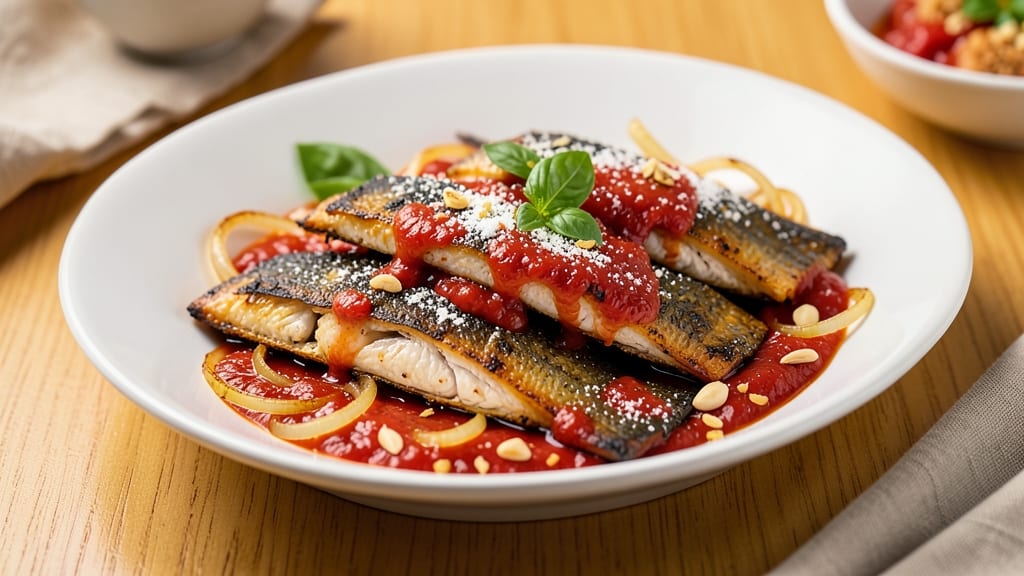
This bangus sardines in tomato sauce recipe delivers the perfect balance of crispy skin and sweet-tangy simmer that defines Filipino comfort food.
The secret lies in a double-fry technique that creates that signature crunch while the tomato sauce—rich with garlic, onions, and a touch of vinegar—simmered just enough to coat every flaky bite.
I've perfected this dish over years of testing, ensuring the sauce isn't too thick or too thin, and the fish stays moist without falling apart.
The magic happens in layers: first frying the sardines until golden, then simmering them gently in the sauce to infuse flavor without overcooking.
Traditional recipes often use canned tomatoes, but I've added a splash of red wine for depth and a hint of bell pepper for freshness—a modern twist that keeps the dish authentic while making it more vibrant.
The result is a restaurant-quality meal that's simple enough for weeknights but impressive enough for guests.
What you'll end up with is a dish that's crispy on the outside, tender inside, and swimming in a glossy, slightly sweet tomato sauce. The aroma alone will have everyone gathering around the table, and each bite delivers that perfect harmony of textures and flavors.
This is the kind of recipe that turns a simple dinner into a memorable experience.
Serve it with steamed rice to soak up every last drop of that flavorful sauce, or pair it with garlic fried rice for a complete Filipino feast. The leftovers reheat beautifully too, making this a go-to recipe for busy families. Let's get cooking!
Ingredients for bangus sardines in tomato sauce
Crispy bangus meets rich tomato sauce—just eight essential ingredients for Filipino comfort food magic.
| Ingredient | Amount | Notes |
|---|---|---|
| Bangus Sardines 🐟 | 1 ½ lb | Fresh or frozen, cleaned and scaled |
| All-Purpose Flour 🌾 | ½ cup | For dredging fish |
| Yellow Onions 🧅 | 1 whole | Medium size, finely chopped |
| Garlic Cloves 🧄 | 6 cloves | Minced for sauce |
| Canned Tomato Sauce 🍅 | 1 can | 15 oz can, crushed tomatoes preferred |
| Red Wine 🍷 | ½ cup | Dry red, like Cabernet |
| White Vinegar 💧 | 2 tbsp | For tangy balance |
| Red Bell Pepper 🌶️ | ½ cup | Diced, for freshness |
| Sugar 🍚 | 1 tbsp | Adjust to taste |
| Bay Leaves 🌿 | 2 whole | For aromatic depth |
| Salt 🧂 | 1 ½ tsp | Kosher or sea salt |
| Black Pepper 🌶️ | ½ tsp | Freshly ground |
| Vegetable Oil 🫒 | 2 cups | For frying fish |
Bangus is the star here, so quality matters. Filipino markets or Asian grocery stores usually carry the best—look for fresh, firm fillets with shiny skin. If using frozen, thaw completely in the fridge (overnight works best). The 15 oz can of crushed tomatoes is non-negotiable—it gives that perfect balance of sweetness and acidity. For the bell pepper, red is traditional, but yellow or orange works too if that's what you've got. The flour should be all-purpose, but rice flour gives an extra crispy texture if you're feeling adventurous.
No red wine? Substitute with extra tomato paste (2 tbsp) plus a splash of vinegar. Fresh garlic is ideal, but garlic powder at half the amount works in a pinch. The sugar might seem odd, but it rounds out the sauce—brown sugar adds caramel notes if you prefer. For the bay leaves, dried is fine, but fresh adds more aroma. If you're short on time, pre-chopped onions from the store save minutes. The vegetable oil should have a high smoke point—canola or peanut oil are perfect choices.
Keep the fried bangus in a 200°F oven while you make the sauce to maintain crispiness. The sauce thickens as it simmers, so start with 1 cup of water if it's too thick. Leftovers keep for 3 days in the fridge—reheat gently to avoid drying out the fish. For extra flavor, add a pinch of black pepper to the sauce right before serving. This dish tastes even better the next day as flavors meld.
Why You'll Love This Recipe
- One-Pan Magic: I swear by this recipe because it’s literally one pan, one saucepan, and done. No fancy gadgets—just the sardines fried whole in flour, then simmered in that rich tomato sauce with onions and garlic. The cleanup is so quick, I’ll often leave the pan soaking while I eat.
- Umami Bomb: That crispy flour crust on the bangus? Chef’s kiss. But the real magic happens when the garlic softens into the tomato sauce—deep, savory, and just sweet enough. Honestly, the first time I tasted it, I immediately texted my mom to make sure I wasn’t missing some secret ingredient.
- Lunchbox Hero: Between us, this is my go-to for packed lunches. The sardines stay crispy in the sauce, and the flavors only get better the next day. I’ll portion it into jars with rice or bread, and it’s a hit with my kids—yes, even the picky ones—because it’s not "fishy" tasting, just ridiculously good.
- Pocketbook Winner: A can of tomato sauce, a bag of flour, and a few cloves of garlic? This recipe costs me less than takeout for two, and it feeds four. I’ll make a big batch on Sundays, freeze half, and still have leftovers that taste just as amazing reheated as they do fresh. Budget-friendly doesn’t get better than this.
Step-by-step instructions for bangus sardines in tomato sauce
Here's the method for achieving perfectly crispy bangus sardines with a rich, balanced tomato sauce.
Prepare the Bangus Sardines for Frying
Pat the 1.5 lb bangus sardines completely dry with paper towels—this is crucial for crispy skin. Season both sides generously with the 1.5 tsp salt and 0.5 tsp black pepper. Let them sit at room temperature for 15 minutes while you prepare the dredging station.
Place the 0.5 cup all-purpose flour on a shallow plate. Lightly dredge each sardine by pressing it gently into the flour, coating both sides evenly. Shake off any excess flour—this ensures a delicate, crisp crust rather than a heavy, cake-like coating. Work quickly to prevent the flour from absorbing moisture from the fish.
Fry the Sardines Until Golden Brown
Heat the 2 cups vegetable oil in a deep skillet over medium-high heat until it reaches 350°F. Use a thermometer to monitor the temperature—this precision prevents burning while ensuring a perfect sear. Once the oil is hot, carefully add the dredged sardines in a single layer, being careful not to overcrowd the pan.
Fry for 3-4 minutes per side until the sardines develop a deep golden brown color and the skin becomes crispy. You'll know they're ready when they release easily from the pan and the edges curl slightly. Transfer the fried sardines to a paper towel-lined plate to drain excess oil. Keep them warm in a 200°F oven while you prepare the sauce.
Build the Tomato Sauce Base
In the same skillet (no need to clean it—the fond adds flavor), reduce the heat to medium and add 2 tbsp white vinegar. Let it simmer for 1 minute to cook off the raw vinegar taste. Add the finely chopped 1 whole yellow onion and cook for 5 minutes until softened and translucent.
Stir in the 6 cloves minced garlic and cook for 30 seconds until fragrant—don't let it brown or it'll turn bitter. Add the 0.5 cup diced red bell pepper and cook for another 2 minutes until slightly softened. Remove the skillet from heat temporarily while you prepare the remaining sauce ingredients.
Simmer the Sauce to Perfection
Return the skillet to medium heat and add the 1 can canned tomato sauce, 0.5 cup red wine, 1 tbsp sugar, 2 whole bay leaves, and the remaining 0.5 tsp salt. Stir well to combine, then bring to a gentle simmer. Let it cook uncovered for 10-12 minutes, stirring occasionally, until the sauce thickens slightly and the flavors meld together.
Taste and adjust the seasoning—add more sugar if you want it sweeter or more salt if needed. The sauce should be tangy-sweet with a rich depth from the wine and tomatoes. Remove the bay leaves before serving, as they can be bitter if swallowed.
Combine and Serve
Return the crispy fried sardines to the skillet with the tomato sauce. Spoon the sauce over the fish and let it simmer gently for 2-3 minutes, allowing the sardines to absorb the flavors without overcooking. The skin should remain crispy while the fish becomes tender and flavorful.
Serve immediately while the sardines are still warm and the sauce is at its peak consistency. The contrast of crispy skin with the sweet-tangy tomato sauce creates a harmonious balance of textures and flavors. Pair with steamed rice to complete the meal.
Pro Tips For Making Bangus Sardines In Tomato Sauce
- Dry the Bangus First: Pat those sardines thoroughly with paper towels before coating—wet fish steams instead of frying, and you’ll end up with soggy flour instead of a crispy crust. I learned this the hard way after my first batch turned into a mushy mess.
- Sauté Onions Until Golden: Don’t rush the onions—cook them over medium heat for 8-10 minutes until they’re deep golden, not just soft. That caramelization builds flavor that cuts through the fish’s natural oiliness. (Yes, even if you’re impatient like me.)
- Deglaze with a Splash of Water: After frying the bangus, don’t just dump in the tomato sauce—toss in 2 tablespoons of water first to lift the browned bits from the pan. Those bits are pure flavor, and skipping this step means missing out.
- Simmer Sauce Low and Slow: Reduce the heat to low once the tomato sauce hits the pan, or it’ll split and turn grainy. Let it bubble gently for 10 minutes to thicken properly—rushing this makes the sauce taste thin and watery. (Your future self will notice.)
Make-ahead tips for this bangus sardines in tomato sauce
Prep Ahead for Crispy Skin
Pat and season the bangus sardines up to 24 hours ahead—store them uncovered in the fridge to dry completely. This enhances crispiness when frying. I like to prep the sauce ingredients (chop onions, garlic, bell pepper) and store them in airtight containers for 3 days in advance.
Just assemble and cook when ready—this saves 20 minutes on busy days. 💪
Sauce Make-Ahead Magic
Simmer the tomato sauce 1 day ahead and store it in an airtight container in the fridge. The flavors deepen overnight, and reheating takes just 5 minutes on the stovetop.
Add a splash of water if it thickens too much. I often make a double batch—this sauce pairs perfectly with rice or even grilled chicken. ✨
Fry and Freeze Strategy
Fry the sardines completely, let them cool, then store them in a single layer on a tray before transferring to an airtight container. Freeze for up to 1 month.
When ready to serve, reheat the sauce separately and warm the fish in a 350°F oven for 8-10 minutes—this restores crispiness without sogginess. 🍽️
Reheating Leftovers
Reheat sauce and fish together in a skillet over low heat for 3-4 minutes, stirring gently. Avoid microwaving—the skin loses its crunch. For extra flavor, add 1 tsp soy sauce or a pinch of black pepper while reheating.
Leftovers taste even better the next day as the sauce clings to the fish. 💛
Batch Cooking Tips
Double the recipe and freeze portions for quick meals. Label containers with dates—this dish keeps for 3 days in the fridge or 1 month frozen. I often prep 2 servings on Sundays for easy weeknight dinners. Just remember: reheat sauce first to prevent drying out the fish. 🔥
Garnish Just Before Serving
Fresh ingredients like cilantro or sliced green onions add brightness to reheated dishes. Keep these separate until serving to maintain their freshness. A squeeze of lime or lemon also cuts through richness. The key is to reheat gently and add garnishes at the last minute. 🌿
Nutrition facts
Frequently asked questions
Why does my bangus skin turn soggy when simmering in the sauce?
This happens when the sauce is too hot or simmers too long, breaking down the crispy crust. Keep the heat at a gentle simmer for just 2-3 minutes after adding the fish. If the sauce is too thick, thin it with 1-2 tbsp water before combining. Always keep fried bangus warm in a 200°F oven while making the sauce to preserve crispiness.
Can I substitute bangus with another type of fish?
While bangus is ideal for its delicate texture, you can use milkfish (tanigue), sea bass, or even tilapia in a pinch. Avoid flaky fish like cod or halibut—they'll fall apart in the sauce. For best results, choose firm white fish fillets with skin intact, and reduce frying time by 30 seconds per side.
How do I make the tomato sauce less acidic?
The tangy balance comes from vinegar, but you can adjust it by reducing the amount to 1 tbsp or adding ½ tsp sugar to counteract sharpness. For a milder sauce, substitute the vinegar with 1 tbsp tomato paste plus 1 tsp sugar. Simmer the sauce longer (15 minutes) to let flavors meld and reduce acidity naturally.
What's the best way to reheat this dish?
Reheat gently in a skillet over low heat for 3-4 minutes, stirring occasionally. Never microwave—the skin loses its crunch. Add 1 tsp soy sauce or a splash of water if the sauce thickens. For extra flavor, sprinkle with black pepper or garnish with fresh herbs before serving.
Can I make this dish spicier?
Add ½ tsp chili flakes or 1 sliced chili pepper to the sauce while simmering. For heat lovers, stir in 1 tbsp sriracha at the end or top with chopped jalapeños.