
Sauces & Condiments
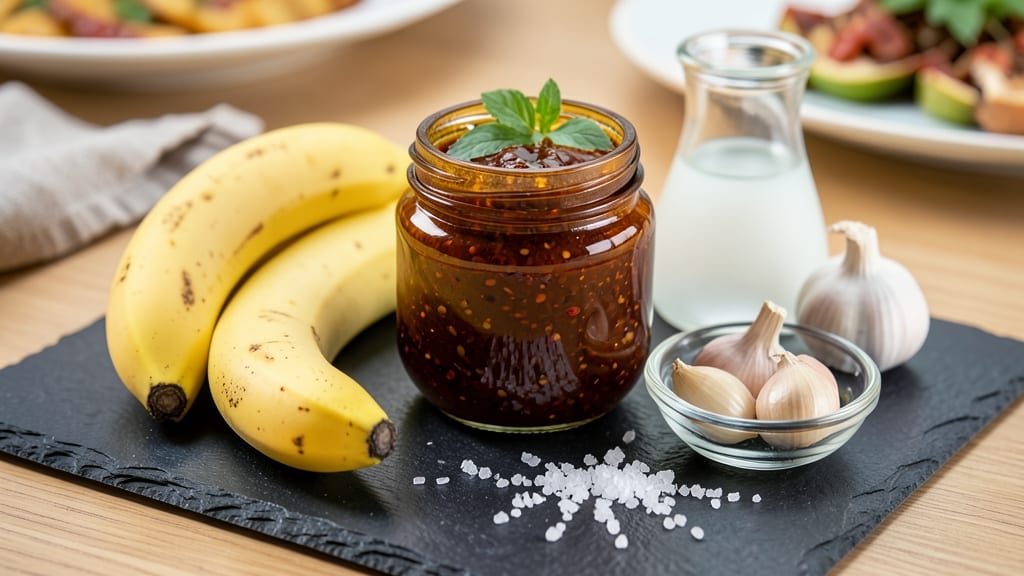
This banana habanero hot sauce recipe transforms tropical sweetness and fiery habanero into a balanced condiment that’s perfect for drizzling over tacos, grilled meats, or even pizza. 🌶️ The secret lies in fermenting the peppers to mellow their heat while preserving their bright, fruity essence—creating a sauce that’s complex, tangy, and just sweet enough to tame the spice.
The process starts with a simple blend of habanero peppers, bananas, and vinegar, then relies on fermentation to develop depth. Unlike store-bought hot sauces, this version builds flavor over time, with the banana adding natural sweetness that contrasts beautifully against the habanero’s sharp, citrusy heat.
Adjust the spice level by controlling fermentation time or adding extra vinegar for tang.
By the end, you’ll have a vibrant, aromatic sauce with a velvety texture and a perfect balance of sweet, spicy, and tangy notes. It’s the kind of condiment that elevates everyday dishes into something extraordinary—think grilled chicken, shrimp tacos, or even a drizzle over ice cream for dessert lovers.
Store it in the fridge for up to 3 months, where the flavors will continue to meld and deepen. Ready to make your own? The ingredients are simple, but the results are anything but ordinary.
Ingredients for banana habanero hot sauce
Four habaneros and two ripe bananas kick off this vibrant hot sauce adventure.
| Ingredient | Amount | Notes |
|---|---|---|
| Habanero Peppers 🌶️ | 4 whole | Fresh, organic preferred |
| Ripe Bananas 🍌 | 2 whole | Spotty skin indicates ripeness |
| White Vinegar 💧 | 1 cup | Distilled vinegar works too |
| Apple Cider Vinegar 🍎 | ½ cup | Adds fruity complexity |
| Granulated Sugar 🍚 | ¼ cup | Helps fermentation process |
| Garlic Cloves 🧄 | 3 cloves | Minced for aromatic depth |
| Sea Salt 🧂 | 1 tsp | Diamond Crystal preferred |
| Fresh Ginger 🌿 | 1 inch | Peeled, grated finely |
| Extra-Virgin Olive Oil 🫒 | 2 tbsp | For emulsification |
| Lemon Juice 🍋 | 1 tbsp | Freshly squeezed |
Habaneros are the heart of this sauce—look for bright orange or red peppers at the store, not green ones. Whole Foods or local farmers markets often carry the freshest, most flavorful ones. The bananas should be spotted and soft—that's when they're sweetest. For vinegar, Apple & Eve or Bragg's add that extra depth of flavor. If you can't find habaneros, serrano peppers at half the amount will work in a pinch, though the flavor will be less complex. The ginger is non-negotiable—it's what really ties all the flavors together.
No habaneros? Jalapeños with extra seeds can work, but you'll need about twice as many to get close to the heat level. Running short on bananas? Mango purée at the same amount gives a similar sweetness. The sugar might seem odd, but it's crucial for the fermentation process—brown sugar works too. For the garlic, freshly minced beats jarred any day. If you're sensitive to heat, reduce the habanero count by one or add an extra tablespoon of vinegar. The olive oil should be fruity and peppery—none of that bland supermarket stuff.
Ferment the sauce in a sterilized glass jar with a lid, not airtight. Keeps in the fridge for 3 months—the flavors actually improve over time. For single servings, portion into small jars or ice cube trays. Freeze for up to 6 months if you want to make a big batch. Always taste before storing—adjust heat or sweetness as needed. This sauce is worth the wait, but patience is key.
Why You'll Love This Recipe
- I’ll be real: you’re looking at a recipe with five ingredients total. Toss in the peppers, mash the bananas, add vinegars and sugar, then simmer. No chopping, no blending, no stress—just stir and wait.
- Fruit Meets Fire: Honestly, the combo of sweet bananas and fiery habaneros is chef’s kiss—like dessert and chili peppers had a baby. That sugar balances the heat so well, even my kid who "hates spicy food" sneaks bites.
- Five-Ingredient Magic: I’ll be real: you’re looking at a recipe with five ingredients total. Toss in the peppers, mash the bananas, add vinegars and sugar, then simmer. No chopping, no blending, no stress—just stir and wait.
- Game for Any Meal: This sauce is my go-to for tacos, grilled chicken, or even drizzled over ice cream (yes, really). It’s sweet enough for breakfast toast, spicy enough for wings, and weird enough to impress dinner guests.
Step-by-step instructions for banana habanero hot sauce
Here's how to craft this fiery-sweet sauce with precise technique and bold flavors.
🔥 Step 1: Sterilize and Process the Habaneros
Wear gloves when handling the habaneros—they're packing serious heat! Cut off the stems and slice each pepper lengthwise into ¼-inch strips, removing seeds and membranes (where most capsaicin resides). This controls the heat level while preserving flavor.
Transfer the sliced peppers to a clean quart-sized mason jar and pour the 1 cup white vinegar over them. Seal the jar and let it sit at room temperature for 1 hour. This initial soak softens the peppers and begins extracting their vibrant color and heat.
🍳 Step 2: Cook the Banana-Ginger-Garlic Base
In a medium saucepan, combine the peeled and sliced 2 whole ripe bananas, 1-inch fresh ginger (finely grated), and 3 minced garlic cloves. Add 2 tablespoons extra-virgin olive oil and cook over medium heat for 5-7 minutes until the bananas soften and begin to caramelize slightly.
Here's the thing—don't let the bananas brown too much, or they'll turn bitter. You're aiming for a sweet, jammy texture that will balance the habanero's heat. Stir occasionally and watch for golden edges on the banana slices as your signal to move to the next step.
🥘 Step 3: Blend and Ferment the Mixture
Transfer the cooked banana mixture to a high-speed blender. Add the habanero-vinegar mixture (including the soaking liquid), ½ cup apple cider vinegar, ¼ cup granulated sugar, 1 teaspoon sea salt, and 1 tablespoon lemon juice. Blend until completely smooth, scraping down the sides as needed.
Pour the blended sauce back into the clean mason jar, leaving ½-inch headspace at the top. Seal tightly and let it ferment at room temperature for 3-5 days, opening the jar daily to release built-up gases. You'll know fermentation is working when you smell a tangy, slightly alcoholic aroma developing.
⏰ Step 4: Strain and Bottle for Storage
After fermentation, strain the sauce through a fine-mesh sieve into a clean bowl, pressing gently on the solids to extract all the liquid. Discard the solids or compost them—they've given everything they've got to the sauce.
Return the strained sauce to the sterilized mason jar and refrigerate. The sauce will continue to develop flavor over 1-2 weeks, becoming more complex with each passing day. For best results, use within 3 months for peak freshness and heat balance.
Pro Tips For Making Banana Habanero Hot Sauce
- DESeed First, Then Dice: Habaneros pack heat in their seeds and membranes—if you skip this, your sauce will taste like a mouthwash commercial. Wear gloves (trust me, you’ll need them), slit the peppers lengthwise, scrape out the seeds with a spoon, then chop. I used to rush this and ended up with a sauce that could strip paint.
- Simmer Low and Slow: This isn’t a race. After combining everything, reduce heat to a bare simmer—just enough to see tiny bubbles—and let it cook for 45 minutes. I learned this the hard way when I cranked the heat, burned the bananas, and ended up with a bitter, caramelized mess instead of sweet-tangy sauce.
- Strain Twice for Smoothness: Banana skins and pepper bits turn your sauce into a textural nightmare. After simmering, strain through a fine-mesh sieve first, then press the pulp with a spoon. For extra smoothness, run it through a food mill or blender—yes, even if it means an extra 2 minutes of work. Your future self will notice the difference.
- Balance Vinegars First: White vinegar cuts through the heat, but apple cider adds depth—use them in a 2:1 ratio (more white vinegar) if you want sharper tang. Taste as you go: if it’s too sweet, add a splash of vinegar; if it’s too sharp, stir in more sugar. I was skeptical until I tried adjusting mid-cook, and now I won’t make it any other way.
Pro cooking tips for great banana habanero hot sauce
Fermentation Control
Fermentation is where the magic happens—it mellows the habanero’s raw heat while developing complex, tangy notes. Keep your jar in a 68-72°F spot (like a pantry) and open it daily to release gases. If you notice excessive foaming after 3 days, move it to the fridge to slow fermentation.
I’ve found that 4-5 days at room temp gives the perfect balance of sweetness and spice, while 7+ days makes it sharper and more vinegary. 🌡️
Heat Adjustment Hacks
Too spicy? Add 1-2 tablespoons of honey or extra banana purée to sweeten the heat. For milder heat, reduce habanero count by 1-2 peppers next time. If it’s too tangy, balance it with a splash of coconut milk (just 1 tbsp) before bottling.
I’ve also used a pinch of baking soda (just ¼ tsp) to neutralize excess acidity without losing flavor.
Texture Perfection
For a smoother sauce, blend after fermentation with 1-2 ice cubes to chill the mixture before straining. If you prefer texture, leave in small habanero pieces during blending.
I’ve found that adding 1 tsp xanthan gum to the final blend creates a thicker, drizzle-friendly consistency—perfect for tacos or grilled meats. Just whisk it in after straining and before bottling. 💫
Equipment Upgrades
Skip the blender? Use a food mill or mortar and pestle for a rustic texture. For fermentation, a glass fermentation crock (like those used for kimchi) keeps things sterile and easy to monitor.
I’ve also seen home cooks use French press pots as makeshift fermenters—they’re great for small batches. Just ensure everything is sterilized to prevent mold.
Flavor Layering
Want depth? Add 1 tsp smoked paprika or ½ tsp cumin during blending for a smoky twist. For tropical notes, stir in 1 tbsp lime zest after fermentation. I’ve even experimented with a splash of rum (just ½ tsp) during fermentation for a boozy complexity.
These tweaks turn a good sauce into a showstopper—just adjust to taste!
Storage Secrets
Store in sterilized glass jars with airtight lids in the fridge for up to 3 months. For longer shelf life, freeze in ice cube trays—thaw overnight in the fridge. I’ve found that adding a lemon peel strip to each jar keeps the sauce vibrant longer.
If it separates, just shake before use. The flavors actually improve after 2-3 weeks in the fridge, so patience pays off! ❄️
Nutrition facts
Frequently asked questions
Why do we ferment the habanero-banana mixture?
Fermentation transforms the raw habanero heat into a smoother, more complex flavor while developing the banana's natural sweetness. The process also creates beneficial bacteria that enhance preservation and depth—think of it as a natural flavor amplifier that mellows the pepper's sharpness while adding tangy complexity.
Can I make this hot sauce without a blender?
Use a food mill or mortar and pestle for a rustic texture. For a smoother version, strain the cooked banana-ginger mixture through a fine-mesh sieve before adding the pepper-soak liquid. The final taste will be slightly less refined but still delicious—just expect a chunkier consistency.
How do I know when the fermentation is complete?
Look for 3 key signs: a tangy, slightly fruity aroma (like vinegar with banana notes), minimal bubbling, and a thicker texture. After 4-5 days at room temperature, the sauce should taste balanced—sweet, spicy, and tangy. If it's too sharp, let it ferment 1-2 more days in the fridge.
What if my sauce separates or gets moldy?
Separation is normal—just stir before using. For mold (rare if sterilized properly), discard the batch immediately. Prevent mold by using sterilized glass jars, keeping the jar loosely covered, and storing it in a cool (68-72°F) spot. If you see any fuzzy spots, toss it—mold can grow quickly in fermenting liquids.
Can I adjust the heat level after fermentation?
Yes! For milder heat, blend in 1-2 tablespoons of honey or extra banana purée to sweeten the spice. If it's too tangy, balance with 1 tablespoon coconut milk before bottling. For extra depth, add ½ teaspoon smoked paprika—it adds complexity without increasing heat.