
Sauces & Condiments
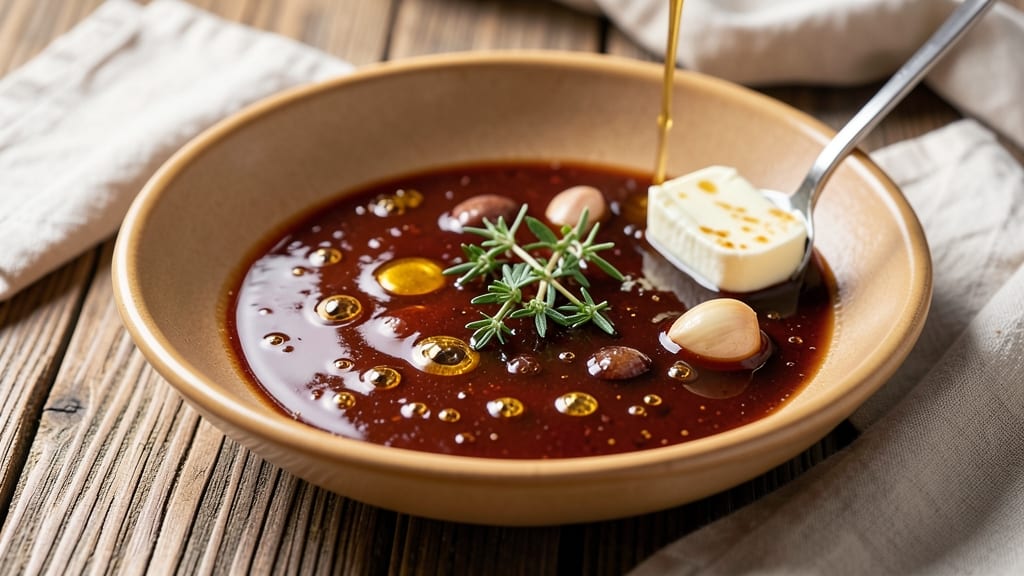
This balsamic brown sugar sauce transforms simple grilled meats into restaurant-worthy centerpieces with just a few minutes of simmering. The perfect balance of tangy balsamic and caramelized sweetness creates a glossy, drizzle-worthy sauce that elevates everything from steaks to roasted vegetables.
What makes this sauce special is its versatility—it works as a finishing touch, a marinade, or even a glaze for desserts.
The secret lies in the reduction technique, where balsamic vinegar and brown sugar meld into a thick, syrupy consistency. A touch of butter at the end adds richness, while a splash of red wine vinegar brightens the flavor.
Unlike store-bought versions, this sauce develops deep, complex notes that stick with you long after the first bite.
Once complete, you’ll have a sauce that’s glossy, caramelized, and irresistibly sticky, perfect for drizzling over grilled chicken, pork chops, or even roasted Brussels sprouts. It keeps well in the fridge for up to two weeks, making it an easy pantry staple for quick weeknight dinners or last-minute entertaining.
Ready in just 15 minutes, this sauce proves that homemade can be both effortless and extraordinary. The best part? Every drizzle feels like a gourmet touch without the fuss. Let’s make it!
Ingredients for balsamic brown sugar sauce
Nine ingredients transform into a restaurant-worthy sauce that drizzles like magic over grilled meats.
| Ingredient | Amount | Notes |
|---|---|---|
| Balsamic Vinegar 🍷 | ½ cup | High-quality aged balsamic preferred |
| Light Brown Sugar 🍬 | ½ cup | Packed firmly for accuracy |
| Unsalted Butter 🧈 | 4 tbsp | Cold, cubed for easy incorporation |
| Red Wine Vinegar 🍷 | 1 tbsp | For brightness and acidity |
| Fresh Thyme Leaves 🌿 | ¼ cup | Or 1 tsp dried thyme |
| Fresh Garlic Cloves 🧄 | 2 cloves | Minced for aromatic depth |
| Extra-Virgin Olive Oil 🫒 | 1 tbsp | For glossy finish |
| Diamond Crystal Kosher Salt 🧂 | ¼ tsp | Adjust to taste |
| Freshly Ground Black Pepper 🌶️ | ⅛ tsp | For subtle heat |
The balsamic vinegar makes all the difference—aged balsamic from Trader Joe's or a specialty store delivers that rich, complex flavor. Light brown sugar caramelizes beautifully, but don’t pack it loosely. The butter? Cold cubes melt into the sauce for a velvety finish. If you’re using dried thyme, crush the sprigs lightly before adding for better flavor infusion. Fresh thyme leaves add a lovely aroma, but either works in a pinch. For the garlic, roast it first if you want to add a subtle sweetness—just toss whole cloves with olive oil at 400°F for 10 minutes.
No balsamic vinegar? Substitute with 2 tbsp balsamic glaze plus 3 tbsp red wine vinegar—it’s not identical, but gets you close. Running out of brown sugar? White sugar works, but caramelizes faster, so keep an eye on it. The red wine vinegar is non-negotiable for that tangy kick—substitute with lemon juice if needed, but it’ll taste different. If you’re making this ahead, reduce the butter to 2 tbsp and add it fresh before serving to keep the sauce glossy. The olive oil at the end isn’t just for flavor—it’s what makes the sauce drizzle-worthy.
This sauce keeps beautifully—up to 2 weeks in the fridge sealed in a jar. The consistency thickens as it cools, so add a splash of water or vinegar to thin it out before serving if needed. For a glossy finish, drizzle a tiny bit of olive oil over the top before storing. It reheats perfectly—just warm gently in a saucepan or microwave. Portion into small jars for easy drizzling over meats, roasted veggies, or even pancakes. Freezes for up to 3 months if you want to make a big batch ahead of time.
Why You'll Love This Recipe
- Five-Ingredient Magic: I swear by this one—just heat, stir, and simmer. No peeling, chopping, or fancy techniques. The balsamic and brown sugar caramelize together while you’re still deciding what to serve it over.
- Sweet-Savory Balance: That first bite? Rich, tangy, and just slightly sweet—like dessert sneaking into your dinner. The red wine vinegar cuts through the sugar, and the thyme adds this earthy whisper that makes it feel gourmet without trying.
- Pantry Staple Power: Honestly, I’ve used this on grilled chicken, roasted Brussels sprouts, and even drizzled it over vanilla ice cream. (Yes, really.) If you’ve got these ingredients, you’ve got a sauce ready for whatever you’re craving.
- Leftovers That Don’t Suck: This sauce thickens beautifully when reheated, so I double the batch and stash it in the fridge. A quick splash of water or butter brings it back to life—no sad, watery messes here. My lazy Sundays thank me.
Step-by-step instructions for balsamic brown sugar sauce
Here's how to craft this luxurious glaze that transforms grilled meats into showstopping centerpieces.
Melt Butter and Infuse Aromatics
In a medium saucepan, melt the 4 tablespoons unsalted butter over medium heat until it foams and separates into golden liquid. Add the 2 cloves minced garlic cloves and 0.25 cup fresh thyme leaves, stirring constantly for 2-3 minutes until the garlic turns golden and fragrant.
Here's the thing—don't walk away. Garlic burns faster than you think, and you want that nutty aroma without bitterness. The thyme should release its piney perfume into the butter, creating an aromatic base for your sauce. Keep the heat at medium to prevent burning while allowing the aromatics to develop fully.
Add Sugar and Vinegars for Caramelization
Reduce the heat to low and stir in the 0.5 cup light brown sugar and 0.5 cup balsamic vinegar. Increase heat to medium-high and bring to a gentle boil, stirring frequently to dissolve the sugar completely. You'll notice the mixture thicken as the sugar begins to caramelize.
Once boiling, reduce heat to medium and let it simmer for 5-7 minutes, stirring occasionally, until the sugar dissolves and the mixture turns a deep amber color. This is where the magic happens—the sugar breaks down into complex caramel flavors while the vinegar adds bright acidity. If it starts to darken too quickly, reduce to low to prevent burning.
Build Depth with Red Wine Vinegar and Seasoning
Add the 1 tablespoon red wine vinegar, 0.25 teaspoon diamond crystal kosher salt, and 0.125 teaspoon freshly ground black pepper. Stir well and continue simmering for another 3-4 minutes until the sauce thickens slightly and coats the back of a spoon. The vinegar adds complexity while the salt and pepper balance the sweetness.
Taste and adjust seasoning if needed—this is your chance to fine-tune the flavor profile. The sauce should be sweet, tangy, and slightly salty with a hint of peppery heat. If it's too thick, add 1 tablespoon water at a time until you reach a glossy, drizzling consistency perfect for glazing.
Finish with Olive Oil for Gloss and Emulsion
Remove the sauce from heat and stir in the 1 tablespoon extra-virgin olive oil. This final step creates the signature glossy finish and helps emulsify the sauce for a silky texture. Let it cool for 2-3 minutes—the sauce will thicken slightly as it sits.
Here's what you're aiming for: a glossy, syrupy sauce that clings beautifully to grilled meats. If it's too thick after cooling, warm it gently and thin with another teaspoon of water or balsamic vinegar. The sauce should be smooth enough to drizzle elegantly but thick enough to coat without running off your plate.
Strain and Serve Immediately
Strain the sauce through a fine-mesh sieve into a clean bowl to remove any thyme stems or garlic bits. This final step ensures a silky, professional finish. The sauce is best used immediately, so have your grilled meats ready to receive this luxurious glaze.
Drizzle generously over grilled steaks, chicken, or pork chops, letting the sauce pool beautifully in the sear marks. For extra drama, reduce the sauce further by simmering uncovered for 2-3 minutes until it reaches a thick, syrupy consistency perfect for brushing onto meats during the last minutes of grilling.
Pro Tips For Making Balsamic Brown Sugar Sauce
- Simmer Slow and Steady: This sauce isn’t a race—after combining everything, reduce it on medium-low heat for at least 15-20 minutes. I used to rush it, and the vinegar would turn harsh and cloying instead of rich and balanced. Let it bubble gently, stirring occasionally, until it thickens enough to coat the back of a spoon. That’s when you know it’s done.
- Toast the Sugar First: Before adding any liquids, dry-toast the light brown sugar in the same pan over medium heat for 2-3 minutes until it’s fragrant and just starting to caramelize. This deepens the flavor way more than just dumping it in cold. (Yes, it’ll look weird—like you’re making candy—but trust me, it works.)
- Strain the Thyme, Keep the Butter: Fresh thyme leaves add brightness, but strain them out before the sauce thickens—you don’t want mouthfuls of herb. That said, don’t skip the butter until the very end. Whisk it in off-heat to prevent graininess, and let it melt slowly so the sauce stays silky, not separated.
- Balance the Vinegars: The red wine vinegar is the unsung hero here—it cuts the sweetness and keeps the balsamic from tasting one-note. If your sauce tastes too syrupy, add ½ teaspoon more red wine vinegar at the end and taste again. (I learned this after making a batch so sweet it could’ve been dessert.) Start with the recipe’s amount, but don’t fear adjusting.
Pro cooking tips for balsamic brown sugar sauce
Heat Control Secrets
Start with medium heat when melting butter to prevent burning, then reduce to low once sugar and vinegar enter the pan. This gradual approach allows even caramelization without scorching. I use a stainless steel saucepan—it conducts heat evenly and won’t react with the acidity.
If your sauce darkens too quickly, immediately reduce to lowest heat and stir constantly until it stabilizes. 🌡️
Stirring Technique
Constant stirring is non-negotiable—especially during the 5-7 minute simmer when sugar caramelizes. Use a heat-resistant silicone spatula to scrape the bottom frequently, preventing sugar from sticking and burning.
The goal is a deep amber color, not blackened bits. I stir every 15-20 seconds during the critical boiling phase to maintain even heat distribution.
Emulsification Trick
The 1 tablespoon olive oil at the end isn’t just for flavor—it acts as an emulsifier, creating that signature glossy finish. Add it off-heat while the sauce is still warm but not boiling.
Stir vigorously for 30 seconds to break up any sugar crystals that may have formed. This step transforms your sauce from sticky to silky in seconds. ✨
Thickness Adjustments
If your sauce is too thick after cooling, warm it gently and thin with 1 teaspoon water or balsamic vinegar at a time. For extra richness, add 1 extra tablespoon butter while reheating.
Conversely, if it’s too thin, return it to low heat and simmer uncovered for 2-3 minutes, stirring constantly, until it reaches a drizzling consistency.
Pro Straining Tip
Use a fine-mesh sieve lined with a cheesecloth for the smoothest texture. Press gently with a spoon to extract every last drop of flavor from the thyme stems. For an even finer finish, double-strain through a wire mesh strainer after the initial sieve.
This step is worth the extra minute—your sauce will look and taste restaurant-quality. 💫
Make-Ahead Reduction
For an ultra-thick glaze, reduce the sauce by 50% after initial simmering. After straining, return it to low heat and simmer uncovered for 5-7 minutes, stirring frequently, until it reaches a syrupy consistency.
This concentrated version is perfect for brushing onto meats during the last minutes of grilling. Store reduced sauce in an airtight container—it keeps for up to 3 weeks in the fridge.
Nutrition facts
Frequently asked questions
Can I make this sauce without balsamic vinegar?
Yes, but the flavor will be different. For a substitute, mix 2 tablespoons balsamic glaze with 3 tablespoons red wine vinegar to mimic the depth. The sauce will be slightly less complex, but still delicious—just sweeter without the aged balsamic's tangy notes.
How long does this sauce keep in the fridge?
This sauce stays fresh for up to 2 weeks when stored in an airtight container. The texture thickens as it cools, so add 1 teaspoon water or vinegar to thin it before serving. For longer storage, freeze for up to 3 months—just thaw overnight in the fridge.
What's the best way to use this sauce beyond grilled meats?
This versatile glaze works beautifully on roasted vegetables, glazed fruits, or even as a drizzle for pancakes and waffles. Try brushing it on grilled shrimp or drizzling over warm biscuits for a sweet-savory twist. The caramelized flavor pairs surprisingly well with cheese boards too!
Why did my sauce turn too thick?
This happens when the sugar caramelizes too much or the sauce reduces too long. To fix it, warm gently and thin with 1 teaspoon water or vinegar at a time. For prevention, reduce heat to low once boiling and stir constantly to avoid over-reduction. The ideal consistency should coat the back of a spoon but still be drizzle-worthy.
Can I make this sauce ahead for a dinner party?
Make it 1-2 days ahead for deeper flavors. Store in an airtight container and reheat gently before serving. For extra shine, add 1 teaspoon olive oil when reheating. Pro tip: Warm it in a small saucepan with 1 tablespoon butter for a restaurant-quality finish.