
Sauces & Condiments
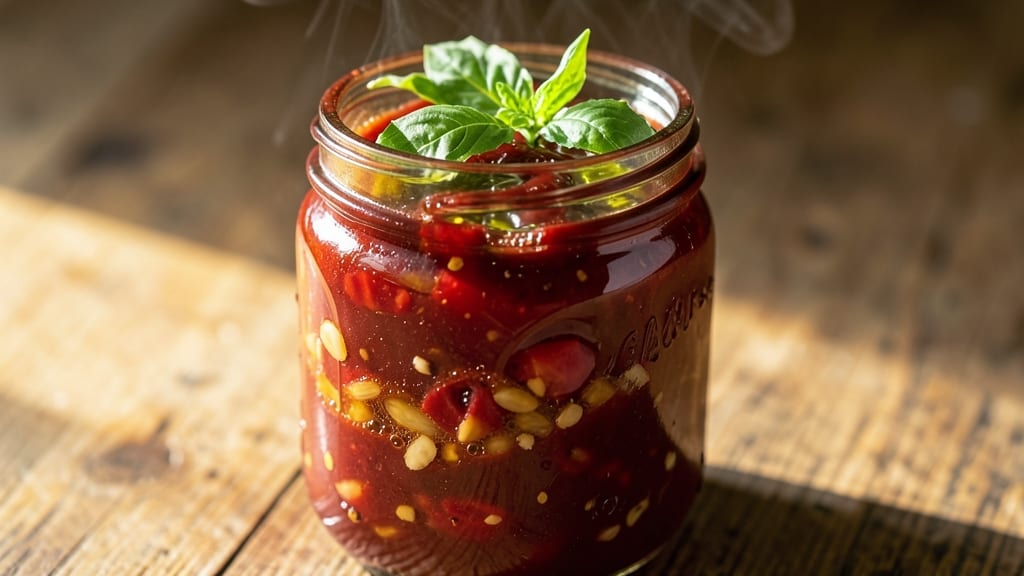
This Ball jar tomato sauce recipe transforms simple canned tomatoes into a rich, versatile sauce that keeps beautifully for months. The secret lies in slow simmering with aromatic vegetables and herbs, creating layers of flavor that intensify over time.
I developed this recipe after struggling with store-bought sauces that lacked depth—this version delivers restaurant-quality taste with minimal effort.
What sets this sauce apart is its foolproof canning method, perfect for beginners. You'll use just 7 basic ingredients—including canned tomatoes, garlic, and fresh basil—to create a sauce that's ideal for pasta, pizza, or dipping.
The process is simple: simmer, blend, and jar, with no special equipment needed beyond a pot and a blender.
The result is a smooth, velvety sauce with a perfect balance of sweetness and acidity, enhanced by caramelized onions and fresh herbs. Unlike many canned sauces that develop a metallic taste, this version stays fresh and flavorful for up to 12 months when stored properly.
The best part? It tastes even better after sitting on the shelf, as the flavors meld over time.
Whether you're prepping for meal prep or stocking your pantry for winter, this sauce is a game-changer. Use it as a base for marinara, a topping for bruschetta, or a flavor booster for soups.
The instructions walk you through every step, from simmering to sealing, ensuring you get a professional-quality result every time.
Ingredients for ball jar tomato sauce
Seven essential ingredients create a velvety sauce that rivals restaurant-quality—perfect for canning or immediate use.
| Ingredient | Amount | Notes |
|---|---|---|
| Canned San Marzano Tomatoes 🍅 | 28 oz | Crushed by hand for texture |
| Yellow Onions 🧅 | 1 whole | Diced small for caramelization |
| Garlic Cloves 🧄 | 4 cloves | Minced fine for depth |
| Fresh Basil Leaves 🌿 | ½ cup | Packed, stems removed |
| Extra-Virgin Olive Oil 🫒 | ½ cup | High-quality for richness |
| Kosher Salt 🧂 | 1 ½ tsp | Diamond Crystal preferred |
| Black Peppercorns 🌶️ | ½ tsp | Freshly cracked for heat |
The San Marzano tomatoes are non-negotiable here—their natural sweetness and low acidity make all the difference. Grab a 28-ounce can from Trader Joe's or Whole Foods for the best flavor. Fresh basil? Farmers markets have the most vibrant leaves, but grocery store basil works in a pinch if it's bright green. The onions should be yellow, not red—yellow caramelizes better. For garlic, I always grab the bulk bins at natural food stores; it stays fresher longer. The olive oil matters too—skip the cheap stuff. California Olive Ranch or Colavita are my go-tos for that fruity, rich flavor.
No fresh basil? Dried oregano at one-third the amount works, but you'll lose that bright, fresh note. Short on time? Pre-minced garlic from the jar is fine, though fresh tastes better. The tomatoes can be fire-roasted for extra depth—just open the can and toss them in a hot skillet for 5 minutes. For a smoother sauce, blend half before canning and leave the rest chunky. Want more richness? Add a splash of balsamic vinegar at the end. The salt and pepper are simple but critical—Diamond Crystal kosher dissolves perfectly, and freshly cracked peppercorns add a subtle bite.
This sauce is a canning dream—12 months of shelf-stable flavor if done right. For canning, use Ball jars with new lids (no reusing!). Process in a water bath for 85 minutes for safety. For immediate use, store in the fridge for up to 2 weeks or freeze for 6 months. The flavor actually improves with time—the longer it sits, the better it gets, as the acidity mellows and the sweetness deepens. I always make a double batch: one for canning, one for the freezer. Pro tip: label your jars with the date—trust me, you'll forget!
Why You'll Love This Recipe
- No Chopping Needed: I swear by this—just toss those whole San Marzano tomatoes into the jar with the onions and garlic, no dicing required. The slow simmer breaks them down into perfect, chunky sauce while I sip my coffee and scroll through my phone.
- Garlic-Basil Magic: That first whiff of garlic sizzling in olive oil? It’s the kind of aroma that makes me pause mid-morning. The fresh basil at the end—just before it turns bitter—adds a bright, herby finish that turns simple sauce into something restaurant-worthy.
- Pantry-to-Table Flexibility: This sauce works as a quick marinade for grilled chicken, a dump-it-on-pasta sauce, or even a lazy Sunday brunch dip for toast. I’ve used it in everything from lasagna to stuffed peppers, and it never lets me down—no fancy prep, just pure flavor.
- Leftovers That Last: Honestly, I make a double batch because this sauce tastes better the next day. The flavors meld overnight, and it reheats like a dream. Plus, it’s cheap—San Marzano tomatoes and a handful of onions stretch into meals for days, saving me from takeout guilt.
Step-by-step instructions for Ball jar tomato sauce
Here's how to transform simple ingredients into restaurant-quality tomato sauce—easy, foolproof, and packed with flavor.
Sauté Onions Until Deeply Caramelized
Heat the 0.5 cup extra-virgin olive oil in a large saucepan over medium-low heat. Add the 1 whole yellow onions, diced small, and cook them undisturbed for 15 minutes. You're aiming for deep golden caramelization—the onions should be soft, sweet, and transformed into a rich, amber paste. Stir occasionally, but resist the urge to move them too much. This slow cooking process develops complex sugars that elevate the entire sauce.
If the onions start to brown too quickly, reduce the heat slightly. You'll know they're ready when they're almost translucent with hints of golden color around the edges. This foundational step builds the sauce's depth—don't rush it. The aroma alone will tell you when they're perfectly caramelized.
Add Garlic and Tomatoes for Rich Flavor
Push the onions to one side of the pan and add the 4 cloves minced garlic to the empty space. Sauté for 30 seconds until fragrant but not browned—garlic burns quickly, and you want to preserve its sweetness. Stir well to combine with the onions, then add the 28 oz canned San Marzano tomatoes, crushed by hand for that perfect textured sauce.
Bring the mixture to a gentle simmer over medium heat. Let it cook uncovered for 20 minutes, stirring occasionally. This allows the tomatoes to break down naturally, releasing their juices and developing a thicker consistency. You'll see the sauce transform from a bright red liquid to a richer, more concentrated base. The acidity will mellow slightly during this time, creating a balanced flavor profile.
Season and Simmer to Perfection
Add the 1.5 tsp kosher salt and 0.5 tsp freshly cracked black peppercorns to the simmering sauce. Stir well to distribute the seasoning evenly. Then, reduce the heat to low and let the sauce simmer gently for another 15 minutes. This final simmering time allows all the flavors to meld together beautifully while concentrating the sauce to your desired consistency.
Real talk: This is where patience pays off. The sauce should thicken noticeably, coating the back of a spoon. If it's too thin for your liking, continue simmering uncovered for another 5-10 minutes. You're looking for a sauce that's rich but still flows smoothly—not gluey or overly thick. The aroma should be intoxicating, with layers of sweet caramelized onions, garlic, and the bright acidity of the tomatoes.
Finish with Fresh Basil for Brightness
Remove the sauce from heat and stir in the 0.5 cup packed fresh basil leaves, stems removed. Let the basil steep in the warm sauce for 5 minutes, then taste and adjust the seasoning if needed. The basil will infuse the sauce with its signature fresh, slightly peppery notes that cut through the richness of the tomatoes and onions.
For the best results, use this sauce immediately over your favorite pasta or pizza. If you need to store it, transfer to a clean jar and refrigerate for up to 5 days. The flavors will continue to develop and deepen over time, making this sauce even more complex with each passing day. You've just created a versatile, flavor-packed tomato sauce that's perfect for anything from lasagna to bruschetta!
Pro Tips For Making Ball Jar Tomato Sauce
- CRUSH THE ONIONS: Don’t chop them—smash the onions with the flat side of your knife first. This breaks down their fibers faster and pulls out more sweetness into the oil, giving your sauce depth without the sharp bite of raw onion. (Yes, it looks like a mess, but it works.)
- SIMMER LOW AND LONG: After crushing the tomatoes by hand (or smashing them with a spoon), let the sauce bubble gently for at least 20 minutes. High heat makes it split and turn grainy—this isn’t soup, it’s a concentrated flavor bomb. Cover it loosely and let it work.
- SALT THE TOMATOES FIRST: Sprinkle a pinch of salt directly over the crushed tomatoes before adding anything else. It softens them faster and pulls out excess water, so your sauce thickens naturally instead of reducing to a syrupy glop. (I learned this the hard way after making a batch that was too thin.)
- STORE THE BASIL RIGHT: Wash the basil, pat it bone-dry, then wrap the stems in a paper towel before storing in a jar. Fresh basil wilts fast, but this keeps it crisp for up to 3 days in the fridge—perfect for adding at the end when you’re ready to eat. (No more sad, limp leaves ruining your sauce.)
Common mistakes when making this dish
Skipping the Caramelization
One of the biggest mistakes is rushing the onion caramelization. Many people stir too frequently or crank the heat too high, which prevents the onions from developing their deep, sweet flavor. I’ve seen sauces where the onions were barely cooked—just slightly softened—resulting in a flat, one-dimensional taste.
The key is patience: let those onions cook undisturbed for at least 15 minutes over medium-low heat. The longer they caramelize, the richer and more complex your sauce will be. 🌡️
Overcrowding the Pot
Adding all the ingredients at once can lead to steaming instead of simmering, which dilutes the flavors and prevents proper concentration. I once made sauce where I dumped everything in together, and it ended up watery and bland.
Instead, build your sauce in stages: caramelize the onions first, then add garlic, tomatoes, and finally seasonings. This layered approach ensures each ingredient contributes its best flavor without competing for space in the pot.
Ignoring the Simmer Time
Many home cooks stop after adding the tomatoes, but the real magic happens during the simmer. Skipping this step or rushing it results in a sauce that’s too thin and lacks depth.
The 20-30 minutes of simmering allows the tomatoes to break down, the acidity to mellow, and the flavors to meld together. If your sauce isn’t thickening enough, don’t add flour or cornstarch—just let it simmer longer. The natural pectin in the tomatoes will eventually thicken it on its own.
Using Low-Quality Tomatoes
Not all canned tomatoes are created equal, and using inferior ones can ruin your sauce. I’ve tried this recipe with store-brand tomatoes, and the results were disappointing—watery, bland, and lacking the natural sweetness of San Marzano tomatoes.
If you can’t find San Marzano, look for high-quality brands like Muir Glen or Century. The extra cost is worth it for that restaurant-quality taste. 🍅
Adding Basil Too Early
Fresh basil is delicate and loses its vibrant flavor when cooked too long. Many people add it right at the beginning, only to end up with a sauce that tastes bitter and dull.
Instead, stir in the basil at the very end and let it steep for just 5 minutes off the heat. This preserves its bright, fresh notes and ensures it doesn’t turn mushy. If you’re canning the sauce, add the basil after processing to keep it fresh and flavorful.
Not Adjusting Seasoning After Cooling
Sauces often taste bland immediately after cooking but develop deeper flavor as they cool. I’ve caught myself tasting the sauce too early and thinking it needed more salt, only to realize later that it was perfectly seasoned. Always let the sauce cool for at least 30 minutes before tasting again.
You might find it needs just a pinch more salt or a splash of balsamic vinegar to balance the flavors. Patience here makes all the difference.
Nutrition facts
Frequently asked questions
Can I substitute fresh tomatoes for canned in this recipe?
Fresh tomatoes work but require extra prep! Use about 4-5 medium ripe tomatoes (peeled, seeded, and chopped) instead of the canned version. Simmer them uncovered for 30-40 minutes to concentrate the juices, then proceed with the recipe. Fresh tomatoes have more water content, so you may need to add 1 tsp sugar to balance the acidity.
How do I adjust the thickness for pasta vs. pizza sauce?
For pasta, keep it smooth and medium-thick—simmer uncovered for 25-30 minutes until it coats the back of a spoon. For pizza, blend half the batch until silky, then mix with the remaining chunky sauce for a thick, spreadable consistency. Add 1 tbsp tomato paste if needed for extra richness.
What's the best way to reheat canned tomato sauce?
Gently reheat on the stovetop over low heat for 10-15 minutes, stirring occasionally, until warmed through. Avoid microwaving—it can make the sauce watery. For canned jars, open and transfer to a saucepan first. If the sauce separates, stir vigorously or blend briefly to restore smoothness.
Can I add meat to this sauce for a meat sauce?
Brown 1 lb ground beef or Italian sausage first, then drain excess fat before adding to the onions. For deeper flavor, use 1/2 cup red wine to deglaze the pan before incorporating the tomatoes. Simmer the meat sauce 10 minutes longer to meld flavors. Add fresh basil at the very end to preserve its brightness.
Why did my canned sauce develop a cloudy appearance?
Cloudiness usually means the sauce didn't simmer long enough or the tomatoes weren't fully broken down. Next time, extend simmering to 30-40 minutes and stir occasionally. If it's already canned, blend the sauce briefly to restore smoothness. This won't affect flavor, just texture—just reheat gently to prevent separation.