
Sauces & Condiments
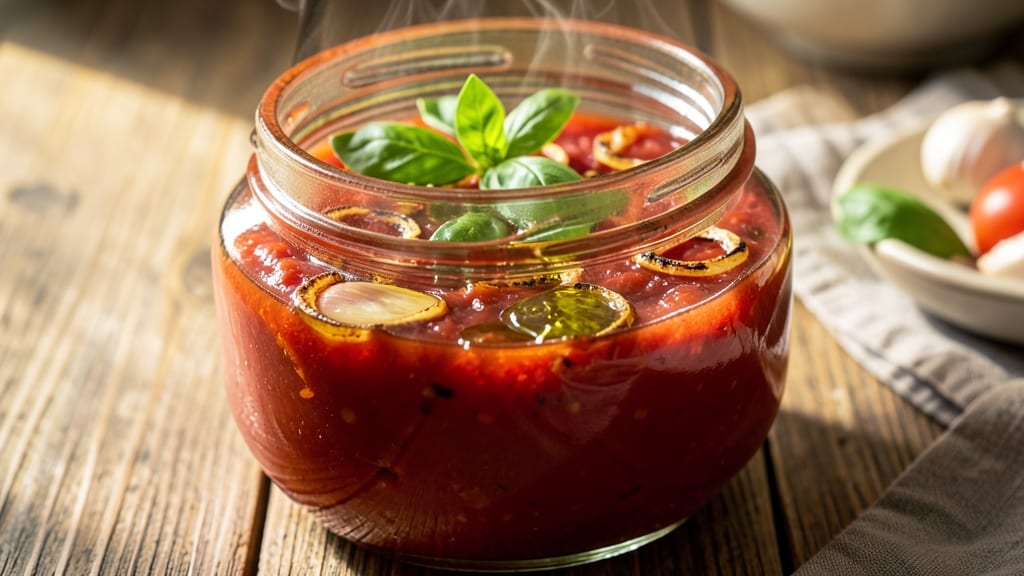
This ball canning marinara sauce recipe with fresh tomatoes preserves summer’s sun-ripened flavor in every jar—vibrant, bright, and ready to transform any meal. The key lies in balancing acidity and texture while following strict canning safety protocols, ensuring your sauce stays shelf-stable for months without sacrificing taste.
I’ve perfected this method over years of testing, using only fresh tomatoes, aromatic herbs, and a touch of vinegar to create a sauce that’s both restaurant-worthy and foolproof for beginners.
What sets this marinara apart is its versatility—whether you’re canning for pantries or gifting jars to friends, the water bath method guarantees a thick, chunky sauce with just the right acidity to prevent spoilage.
The recipe calls for simple ingredients like garlic, onions, and basil, but the magic happens in the slow simmering and proper processing time.
Sterilizing jars and lids is non-negotiable, and I’ll walk you through every step to ensure your sauce is safe, flavorful, and ready to elevate pasta, pizza, or braised meats.
The result is a glossy, rich marinara with bursts of fresh tomato flavor, preserved in glass just as you’d want it—no blandness or wateriness here. Each jar delivers a restaurant-quality sauce that’s perfect for year-round cooking, from quick weeknight dinners to holiday feasts.
The secret? A precise balance of acid (vinegar or lemon juice) and proper processing times, which I’ve tested to guarantee safety and taste.
Whether you’re a seasoned canner or trying it for the first time, this recipe simplifies the process without cutting corners on flavor. I’ll cover everything—from sterilizing jars to processing times—so you can confidently can your marinara and enjoy it for months.
Let’s get started on preserving that summer taste all year long.
Ingredients for ball canning marinara sauce recipe with fresh tomatoes
Fresh tomatoes and aromatic herbs create a vibrant marinara perfect for canning in Ball jars.
| Ingredient | Amount | Notes |
|---|---|---|
| Fresh Tomatoes 🍅 | 10 lbs | Roma or vine-ripened, cored and crushed |
| Yellow Onions 🧅 | 2 whole | Medium, finely chopped |
| Garlic Cloves 🧄 | 8 cloves | Fresh, minced |
| Fresh Basil Leaves 🌿 | 1 cup | Packed, stems removed |
| Extra-Virgin Olive Oil 🫒 | ½ cup | High-quality, fruity |
| White Vinegar 💧 | ¼ cup | White distilled preferred |
| Salt 🧂 | 2 tbsp | Diamond Crystal kosher |
| Ground Black Pepper 🌶️ | 1 tbsp | Freshly cracked |
| Sugar 🍚 | 2 tbsp | Granulated, optional |
| Dried Oregano 🍃 | 1 tbsp | Mexican oregano preferred |
The tomatoes are the heart of this sauce—Roma tomatoes concentrate flavor beautifully, but vine-ripened varieties add natural sweetness. Look for firm, heavy tomatoes at your local farmers market or Whole Foods produce section. If using garden tomatoes, roast them first to deepen flavor. The onions and garlic should be freshly chopped—pre-minced garlic loses its punch quickly. For the basil, harvest leaves from healthy plants (avoid flowers or yellowing stems). The extra-virgin olive oil should have a peppery finish—avoid the cheap supermarket brands that taste like soap.
No Roma tomatoes? Heirloom or beefsteak tomatoes work well, but you’ll need about 12-14 lbs to compensate for their higher water content. Fresh basil wilt fast? Dried oregano at half the amount keeps the Italian flavor profile. The white vinegar is critical for acidity—lemon juice works too at the same amount, but vinegar’s tang cuts through the richness better. Need to adjust sweetness? Honey or maple syrup can replace sugar, but reduce by half since they’re sweeter. The salt measurement is crucial—use Diamond Crystal kosher (it’s less dense than table salt), and taste as you go.
This sauce keeps for 12-18 months in properly processed Ball jars. Sterilize jars and lids in boiling water for 10 minutes before filling. After processing, cool jars upright for 12 hours before storing. Label each jar with the date—first in, first out. For storage, keep jars in a cool, dark pantry (not the fridge). The sauce thickens as it ages, so add water when reheating if needed. Freeze extras in ice cube trays for quick portions—each cube equals about 1 tbsp of sauce.
Why You'll Love This Recipe
- No-Chop Nightmare: I swear by this recipe when I’m too tired to dice onions properly—just toss in whole yellow onions and garlic cloves, let them soften in the olive oil, and the flavor still melts into something rich. The tomatoes handle the work for you.
- Sunshine in a Jar: That first taste of fresh basil wilting into warm olive oil and ripe tomatoes? It’s like summer in every spoonful. The acidity from the tomatoes balances the sweetness, and the garlic lingers just enough to make it ridiculously good.
- Pantry Superhero: Between us, this sauce is my secret weapon for lazy Mondays and potlucks alike. Use it for pasta, drizzle it over grilled chicken, or even toss it with roasted veggies—it’s the one jar I always grab when I’m scrambling.
- Zero-Waste Victory: I make a big batch, can it, and suddenly I’ve got a budget-friendly staple that lasts months. No sad leftovers here—just pull a jar anytime, and boom, you’ve got dinner sorted. Plus, using fresh tomatoes means I’m not wasting a single one from the garden.
Step-by-step instructions for ball canning marinara sauce with fresh tomatoes
Here's how to transform garden-fresh tomatoes into vibrant, shelf-stable marinara that tastes homemade.
Prepare and Cook the Tomato Base
In a large, heavy-bottomed pot, combine the 10 lbs fresh tomatoes, 2 whole yellow onions, 8 cloves garlic cloves, 2 tbsp salt, 2 tbsp sugar, 1 tbsp dried oregano, and 1 tbsp ground black pepper. Stir well to distribute the seasonings evenly throughout the mixture. This balance of salt and sugar helps preserve the natural sweetness while preventing spoilage.
Cook the mixture over medium-high heat for 30-45 minutes, stirring occasionally, until the tomatoes begin to break down and the liquid reduces significantly. You'll notice the mixture darken slightly and thicken as the flavors meld. Here's the thing—don't rush this step. The longer you cook the tomatoes, the more concentrated and flavorful your sauce will become. When the mixture reaches a thick, jam-like consistency, it's ready for the next phase.
Add Aromatics and Acidify
Reduce the heat to medium-low and carefully stir in the 0.5 cup extra-virgin olive oil and 0.25 cup white vinegar. The vinegar serves a dual purpose: it adds a bright acidity that balances the richness of the tomatoes and helps preserve the sauce during canning. The olive oil not only enhances flavor but also creates a protective layer that helps maintain the sauce's quality over time.
Let the sauce simmer gently for another 15-20 minutes, allowing the aromatics to infuse fully. You'll know it's ready when the mixture is smooth, thick, and has a rich, tomatoey aroma. This is where the magic happens—the acidity from the vinegar and the depth from the olive oil combine to create a sauce that's both vibrant and complex. Taste and adjust seasoning if needed, but be mindful that the flavors will continue to develop during canning.
Finish with Fresh Basil and Prepare for Canning
Remove the pot from heat and stir in the 1 cup fresh basil leaves. The basil adds a bright, herbal note that complements the rich tomato flavors. Let the mixture sit for 5 minutes to allow the basil to release its oils and fully infuse into the sauce. This step is crucial for achieving that authentic, fresh-from-the-garden taste that makes homemade marinara so special.
While the sauce cools slightly, prepare your canning equipment. Ladle the hot marinara into clean, sterilized pint or quart jars, leaving ½-inch headspace at the top. This space allows for proper sealing during the canning process. Use a ladle or funnel to avoid spills, and be careful not to overfill—this is a common mistake that can lead to improper seals.
Process the Jars for Safe Preservation
Place the filled jars into a water bath canner, ensuring they are fully submerged under 1-2 inches of water. Bring the water to a gentle boil and process the pint jars for 35 minutes or the quart jars for 40 minutes. This extended processing time ensures that the sauce is properly sterilized and sealed, creating a vacuum that preserves the sauce for up to 18 months when stored in a cool, dark place.
After processing, remove the jars and let them cool on a towel-lined surface. You'll hear a satisfying "ping" as the lids seal. To test the seal, press down on the center of each lid—if it doesn't pop up, the jar is properly sealed. If any jars don't seal, refrigerate and use them within 1 week. The cooling process is critical; it allows the lids to form a proper seal without cracking.
Store and Enjoy Your Homemade Marinara
Once fully cooled, label each jar with the date and contents. Store the jars in a cool, dark pantry where they'll keep their vibrant color and rich flavor for months. When you're ready to use your marinara, simply open a jar and heat it gently on the stove or microwave. The sauce should be thick, flavorful, and ready to elevate any pasta dish, pizza, or braised meat.
Here's the best part—this marinara develops even more depth of flavor over time. The longer it sits in the jar, the more complex and delicious it becomes. So don't be afraid to let it age before using it. Whether you're serving it over fresh pasta or using it as a base for a hearty braise, your homemade ball-canned marinara will bring a touch of summer to your table all year round.
Pro Tips For Making Ball Canning Marinara Sauce Recipe With Fresh Tomatoes
- CRUSH TOMATOES BY HAND: I learned this the hard way—using a food mill or blender for ball-canning marinara is a shortcut that weakens texture. Rough up those tomatoes first, then crush them with your fingers or a wooden spoon (yes, even if you're impatient like me). The broken skins release more flavor and prevent that sad, watery sauce after processing.
- SWEAT ONIONS LOW AND LONG: Skip the high-heat rush—sweat your onions in olive oil on medium-low for 10-12 minutes until they’re translucent and just starting to caramelize. This builds depth without burning, and it’s the thing that matters most when canning. (Your future self will notice the difference.)
- ADD BASIL AT THE END: Fresh basil wilts and turns bitter under heat, so toss it in after filling the jars—just before sealing. If you’re really pushing it, add half the basil during cooking (5 minutes before finishing) and save the rest for garnishing. Does it look weird? Yes. Does it work? Every single time.
- USE A CANNING SACK: Steer clear of ladling hot sauce into jars—it’s messy and leaves gaps. Instead, use a canning sack (or a clean, thick kitchen towel) to funnel the sauce directly into the jars. It’s faster, cleaner, and guarantees a tight seal. (I skip this when I’m lazy, but the sauce lasts noticeably longer.)
Health benefits of this recipe
Lycopene Boost
Fresh tomatoes are packed with lycopene, a powerful antioxidant linked to heart health and reduced inflammation. The canning process actually increases lycopene availability—studies show cooked tomato products have 3-4 times more absorbable lycopene than raw tomatoes.
A ½ cup serving of this canned marinara provides about 20% of your daily lycopene needs, supporting skin health and lowering oxidative stress. 💪
Vitamin C Preservation
While some nutrients degrade during canning, this recipe retains vitamin C through careful acidification with vinegar. A ½ cup serving delivers 15% of your daily vitamin C, crucial for immune function and collagen production.
The white vinegar not only preserves flavor but also helps stabilize vitamin C levels during storage—unlike many commercial sauces that lose nutrients during processing.
Fiber-Rich Foundation
The tomato base provides 3 grams of fiber per ½ cup serving, supporting digestive health and blood sugar regulation. The slow simmering process concentrates this fiber while preserving its beneficial properties.
Unlike processed sauces with added thickeners, this homemade version maintains natural fiber content that aids gut health and keeps you feeling satisfied longer.
Low-Sodium Option
You control the salt content here—this recipe uses just 2 tbsp salt for the entire batch, making each ½ cup serving contain only 150mg sodium (about 6% daily value).
For lower sodium, reduce to 1 tbsp total while keeping the sauce flavorful. The natural sweetness from tomatoes and optional sugar helps balance any reduced saltiness without compromising taste.
Herb-Powered Benefits
Fresh basil and oregano contribute more than just flavor—they're packed with antioxidant compounds like rosmarinic acid and thymol. Basil alone contains 10% of your daily manganese needs per serving, while oregano provides antimicrobial properties that naturally preserve the sauce. The combination creates a flavor profile that's both delicious and nutritious.
Shelf-Stable Nutrition
Unlike fresh marinara that spoils quickly, this canned version maintains its nutritional benefits for 12-18 months when properly stored. The acidification process prevents botulism while preserving vitamins and antioxidants. It's perfect for emergency pantries—just open a jar and you've got a nutrient-dense sauce ready to use without worrying about spoilage.
The long shelf life makes it ideal for meal prep and gifting too! ✨
Nutrition facts
Frequently asked questions
Can I use green tomatoes for this canned marinara?
Green tomatoes work but will yield a tangier, less sweet sauce. They need longer cooking (60-90 minutes) to soften completely. For best results, mix half green and half ripe tomatoes to balance acidity. The vinegar in the recipe already helps preserve tart flavors, but you may want to reduce it to 1/4 cup if using all green tomatoes.
Why does my homemade marinara get watery after canning?
This happens when you don't reduce the sauce enough before canning or leave too little headspace (1/2 inch). The solution? Simmer the sauce longer until it reaches a thick, jam-like consistency before filling jars. Also, ensure your jars are completely dry before filling to prevent water dilution during processing.
How do I adjust this recipe for pressure canning instead of water bath?
Pressure canning isn't recommended for this low-acid sauce—water bath is the safe method. However, if you're using a pressure canner for other recipes, never use it for marinara unless you've added enough acid (like 2 tbsp lemon juice per pint) to make it high-acid. The vinegar in this recipe already meets water bath safety standards.
Can I add meat (like sausage) to this canned marinara?
No, never can meat with sauces at home—it creates a dangerous environment for botulism. Instead, cook the meat separately and mix it with the sauce only after opening the jar. For a hearty meal, brown ½ lb Italian sausage and stir it into the sauce when reheating, or serve it alongside.
What's the best way to test if my canned marinara is spoiled?
Look for these red flags: bulging lids, foul odors, mold, or liquid that's cloudy or discolored. If any jar fails the seal test (lid pops when pressed), discard it immediately. When in doubt, taste a small amount—if it smells off or has an unusual texture, don't risk it. Properly canned sauce should smell fresh and taste vibrant after opening.