
Sauces & Condiments
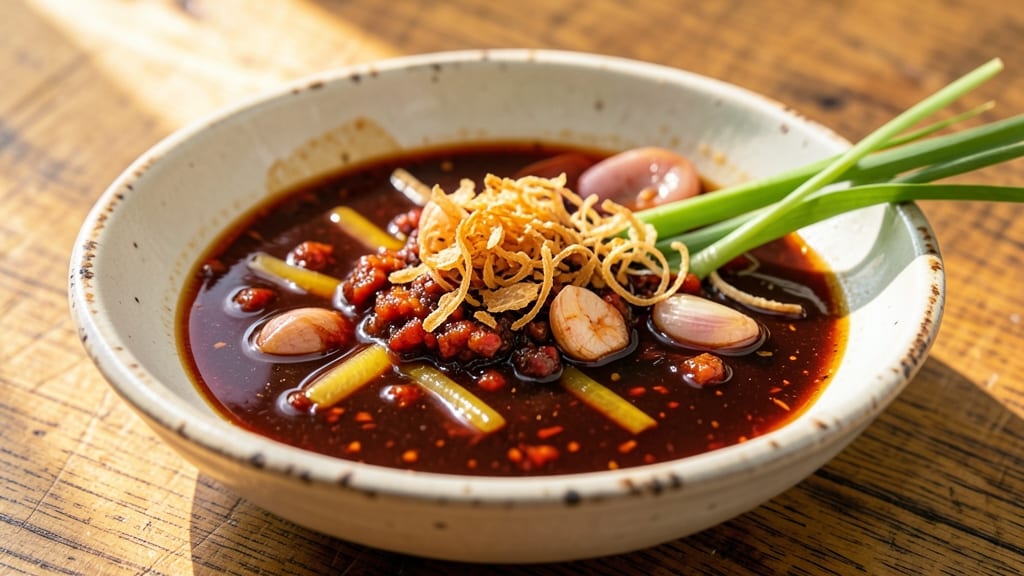
This Bali BBQ sauce recipe brings the bold flavors of Indonesia to your grill with a perfect balance of sweet pineapple, smoky shrimp paste, and fiery chili heat. 🔥 The secret lies in kecap manis—Indonesia's signature sweet soy sauce—that creates that signature deep, caramelized richness while tamarind adds tangy complexity.
I developed this sauce after years of experimenting with Southeast Asian flavors, and it's become my go-to for grilled meats that taste like they came from a Bali street food stall.
What makes this sauce special is how the ingredients work together: the shrimp paste (terasi) provides that unmistakable umami depth, while fresh pineapple juice brings bright sweetness that cuts through the richness.
We'll simmer everything until it reduces to a thick, glossy consistency that clings beautifully to grilled chicken, pork, or even vegetables. The result is a sauce that's complex enough for special occasions but simple enough for weeknight cooking.
The cooking process is straightforward but requires patience—letting the sauce reduce slowly builds those deep, caramelized flavors. You'll end up with a sauce that's sticky enough to glaze meats perfectly while delivering layers of flavor with every bite.
The balance of sweet, smoky, and spicy elements makes this sauce incredibly versatile, elevating everything from grilled skewers to pulled pork.
Once you try this authentic Indonesian-inspired BBQ sauce, you'll never go back to store-bought versions. The secret is in the slow reduction and careful balancing of flavors, which transforms simple ingredients into something truly special. Ready to bring a taste of Bali to your kitchen?
Ingredients for bali bbq sauce
Nine bold ingredients transform into Bali's signature smoky-sweet BBQ sauce.
| Ingredient | Amount | Notes |
|---|---|---|
| Kecap Manis (Indonesian Sweet Soy Sauce) 🍶 | ½ cup | Authentic brand for best flavor |
| Fresh Pineapple Juice 🍍 | ½ cup | From ripe pineapple, no pulp |
| Shrimp Paste (Terasi) 🦐 | 2 tbsp | Indonesian brand preferred |
| Tamarind Paste 🍋 | 2 tbsp | Or substitute lime juice |
| Red Chili Paste 🌶️ | 2 tbsp | Adjust for heat preference |
| Garlic Cloves 🧄 | 4 cloves | Minced for deep flavor |
| Shallots 🧅 | ¼ cup | Finely chopped, not minced |
| Brown Sugar 🍚 | ¼ cup | Packed, for caramelization |
| Fresh Ginger 🌿 | 1 tbsp | Grated, fresh preferred |
| Fish Sauce 🐟 | 1 tbsp | Red Boat brand recommended |
Kecap manis is the heart of this sauce—Red Boat or ABC brand from Asian markets delivers that authentic sweetness and depth. Shrimp paste (terasi) is non-negotiable for umami; look for Indonesian brands at specialty stores or online. Fresh pineapple juice is better than canned—squeeze it yourself for bright sweetness. Tamarind paste can be tricky to find; substitute lime juice if needed, though it won't be identical. For chili paste, Bird's Eye chilies give authentic heat, but adjust based on your tolerance.
No kecap manis? Substitute soy sauce plus 1 tbsp honey, but you'll lose that caramelized depth. Shrimp paste unavailable? Anchovy paste at half the amount works in a pinch, though flavor will differ slightly. Shallots can be swapped for onions, but shallots add subtle sweetness that balances the sauce. Brown sugar is key for caramelization—don't skip it unless you want a thinner sauce. Fresh ginger is ideal, but powdered at half the amount will work if you're in a hurry. Fish sauce adds saltiness; soy sauce can replace it, though it lacks that umami punch.
This sauce tastes even better the next day as flavors meld. Store in an airtight jar in the fridge for up to 2 weeks. Freeze for 3 months if you want to make a big batch. The sauce thickens as it cools—add a splash of water if it gets too stiff. Perfect for grilling, roasting, or drizzling over noodles.
Why You'll Love This Recipe
- Pantry Magic: I swear by this sauce because it’s made with stuff you might already have—no fancy shopping trips. That Kecap Manis and shrimp paste combo? It’s the secret weapon hiding in your cupboard, turning a simple grill or stir-fry into something unforgettable.
- Sweet Heat Balance: The tamarind and pineapple juice cut through the richness of the kecap manis while the chili paste adds a slow-building warmth. Honestly, it’s the kind of balance that makes you reach for seconds without even thinking.
- Grill to Bowl: This sauce isn’t just for skewers—it’s my go-to for marinating chicken, drizzling over noodles, or even mixing into a quick stir-fry. (Yes, even on a Tuesday night when takeout menus feel overwhelming.)
- Long-Lasting Value: A single batch keeps for weeks in the fridge, and the flavors only deepen over time. Between us, I’ve stretched one jar of kecap manis into three batches, and my wallet’s still breathing easy.
Step-by-step instructions for Bali BBQ sauce
This vibrant sauce delivers bold Indonesian flavors with perfect balance every time.
🍳 Step 1: Bloom the Shrimp Paste and Aromatics
Heat a medium saucepan over medium-low heat and add the 2 tablespoons shrimp paste (terasi). Let it melt and sizzle for 1-2 minutes until fragrant—this releases the umami depth that defines authentic Indonesian flavors. Be patient here; rushing will burn the paste and make the sauce bitter.
Add the 4 cloves minced garlic, 0.25 cup finely chopped shallots, and 1 tablespoon grated fresh ginger. Cook for 3-4 minutes until the shallots soften and become translucent. You'll smell the aromatics mellowing into the shrimp paste—this is where the sauce's complex flavor foundation builds.
🔥 Step 2: Build the Sweet-Savory Base
Stir in the 0.5 cup kecap manis (Indonesian sweet soy sauce) and 0.25 cup packed brown sugar. Increase heat to medium-high and bring to a gentle boil, then immediately reduce to medium-low. Let the mixture simmer for 5-6 minutes until the sugar dissolves completely and the sauce begins to thicken slightly.
Here's where the magic happens: the kecap manis caramelizes with the sugar, creating that signature sweet-savory depth. Watch for small bubbles forming at the edges—this indicates the sauce is reducing properly. If it gets too thick too quickly, add 1-2 tablespoons water to maintain balance.
🍍 Step 3: Incorporate the Tangy and Spicy Elements
Add the 0.5 cup fresh pineapple juice, 2 tablespoons tamarind paste, and 2 tablespoons red chili paste all at once. Stir vigorously to combine—you'll notice the sauce immediately lighten in color and become more vibrant. Simmer for another 4-5 minutes until the pineapple juice reduces by half and the flavors meld together.
The tamarind adds that signature tangy depth while the red chili paste introduces heat that balances the sweetness. Taste at this stage to check the heat level—if you want it spicier, add a pinch more chili paste. The pineapple juice prevents the sauce from becoming too heavy, giving it that refreshing brightness that makes this sauce so addictive.
🥘 Step 4: Finish with Fish Sauce and Balance
Remove the saucepan from heat and stir in the 1 tablespoon fish sauce. Let it cool for 5 minutes—this resting period allows all the flavors to truly marry together. The fish sauce adds that final umami punch that ties everything together.
Taste again and adjust the balance: need more sweetness? Add a teaspoon more brown sugar. Want more tang? A splash of pineapple juice or extra tamarind. The sauce should sing with all these flavors—sweet, savory, tangy, and just a hint of heat. For a smoother texture, strain through a fine-mesh sieve to remove any ginger or shallot bits. Transfer to a clean jar and let it cool completely before sealing.
⏰ Step 5: Store and Use Properly
Let the sauce cool to room temperature, then transfer to an airtight container. This sauce keeps in the refrigerator for up to 2 weeks or can be frozen for 3 months. The flavors actually improve with time as they continue to meld together.
Use this versatile sauce to glaze grilled meats, drizzle over rice, or serve as a dipping sauce for spring rolls. The perfect balance of sweet, sour, and spicy makes it ideal for both everyday meals and special occasions. When reheating, warm gently over low heat—never boil—to preserve all those carefully balanced flavors.
Pro Tips For Making Bali Bbq Sauce
- Bloom the Tamarind: Soak the tamarind paste in warm water for 10 minutes first—it dissolves like glue otherwise and clumps into a sticky mess. I used to just toss it in raw, and the sauce ended up grainy. Trust me, this step makes the tang cut through the sweetness cleanly.
- Toast the Shrimp Paste: Fry the terasi in oil for 30 seconds until it sizzles and smells nutty—this kills the raw fish funk and deepens its umami. Skipping this? You’ll taste the shrimp paste instead of the balanced sauce you want.
- Strain the Pineapple: Use a fine-mesh sieve or cheesecloth to remove pulp from the pineapple juice—leftover fibers turn your sauce slimy. I learned this after serving a batch that looked like it had been blended with a lawnmower.
- Simmer Low and Slow: Reduce heat to a bare simmer after the first 5 minutes—boiling burns the kecap manis and turns the sauce bitter. Let it bubble gently for 15-20 minutes instead; patience here is what separates good sauce from great.
Troubleshooting perfect results
Sauce Too Thin?
If your sauce isn't thickening enough during simmering, reduce the heat to low and let it cook uncovered for an extra 10-15 minutes. Stir occasionally to prevent sticking.
For a quicker fix, mix 1 teaspoon cornstarch with 1 tablespoon water, then stir it into the sauce while simmering until it thickens to your desired consistency. I've had this happen when using too much pineapple juice—just be patient and let it reduce naturally. 🌡️
Burnt Shrimp Paste
Shrimp paste burns easily, so keep the heat at medium-low when blooming it. If you see it darkening too quickly, remove the pan from heat and let it cool slightly before continuing.
For extra insurance, add 1 tablespoon water to the pan before adding the shrimp paste—this helps distribute the heat more evenly. I learned this trick from a street food vendor in Bali who swore by it for preventing bitter flavors. 🔥
Uneven Heat Balance
If your sauce tastes too sweet or spicy, adjust by adding 1 teaspoon fish sauce for more umami or 1 tablespoon tamarind paste for extra tang. For heat reduction, stir in 1 teaspoon brown sugar to mellow the chilies.
Taste as you go—this sauce is all about balance! I've found that adding a pinch of black pepper can also help round out overly sweet flavors by adding subtle complexity. 🌶️
Grainy Texture
If your sauce has a gritty texture from uncooked ginger or shallot bits, strain it through a fine-mesh sieve before storing. For a smoother sauce, blend the cooked aromatics with the liquid ingredients before simmering.
I prefer using a food mill for this step—it preserves the texture while removing any unwanted bits. Don't skip this step if you're serving the sauce immediately, as texture can make a big difference. 🥄
Fermented Smell
If your shrimp paste smells overly fermented, it might be too strong for the sauce. Reduce the amount to 1 tablespoon instead of 2 tablespoons and add ½ teaspoon extra fish sauce to compensate for the umami.
For a milder flavor, use anchovy paste as a substitute—it's less pungent but still adds depth. I've used this trick when working with lower-quality shrimp paste from less reliable sources. 🦐
Storage Issues
If your sauce develops mold or an off smell after refrigeration, it's best to discard it. To prevent spoilage, always store the sauce in an airtight container and keep it refrigerated.
For longer storage, freeze in ice cube trays—this makes it easy to use just what you need without thawing the whole batch. I've had this sauce last 3 months in the freezer with no quality loss when stored properly. ❄️
Nutrition facts
Frequently asked questions
Can I make this sauce without shrimp paste?
Yes, but the flavor will differ. For the closest substitute, use 1 tablespoon anchovy paste mixed with ½ teaspoon fish sauce. If you're avoiding seafood entirely, try 2 tablespoons miso paste instead—it adds umami depth without the shrimp taste. The sauce will still be delicious but won't have that authentic Indonesian profile.
How spicy should this sauce be?
The recipe calls for 2 tablespoons red chili paste, which gives a medium heat level. For milder heat, reduce to 1 tablespoon or use ½ teaspoon cayenne pepper instead. If you love spice, add an extra 1 tablespoon chili paste and let it simmer for 2-3 extra minutes to mellow the raw heat. Taste as you go!
What's the best way to use leftover sauce?
This versatile sauce works beautifully on grilled meats, but don't limit it to BBQ! Drizzle over rice or noodles, use as a marinade for tofu or chicken skewers, or serve as a dipping sauce for spring rolls or satay sticks. It also makes an incredible glaze for roasted vegetables like eggplant or bell peppers.
Why does my sauce smell fermented?
That's normal from the shrimp paste and fish sauce—they have strong, pungent aromas that mellow into delicious umami flavors as they cook. If the smell is overwhelming, reduce the shrimp paste to 1 tablespoon and increase the fish sauce to 1.5 tablespoons. Always let the sauce simmer until the raw smells cook off completely.
Can I make this sauce in a slow cooker?
Follow the same steps but transfer everything to a slow cooker on low heat after blooming the aromatics. Simmer for 2-3 hours instead of 15-20 minutes, stirring occasionally. The slow cooker method actually enhances the caramelization of the kecap manis and sugar, creating even deeper flavors.