
Sauces & Condiments
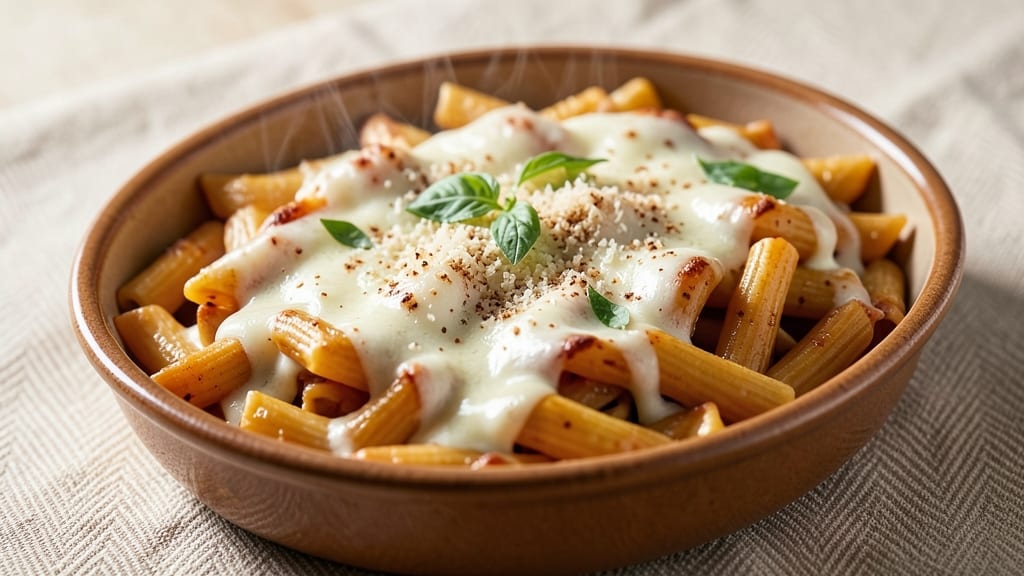
This baked ziti recipe with bechamel sauce delivers the ultimate comfort food experience—creamy white sauce layers, perfectly al dente pasta, and a golden cheese crust that's impossible to resist. 💛 The secret lies in a velvety bechamel that coats every strand of ziti, creating a dish that's both rich and satisfying without being overly heavy.
I've perfected this technique over years of testing, ensuring the sauce stays silky while the cheese develops that signature bubbly, caramelized top.
The foundation of great baked ziti starts with the bechamel—a simple but crucial sauce made from butter, flour, and milk, thickened to the perfect consistency. Unlike traditional tomato-based ziti, this version relies on the smooth, creamy texture of bechamel to balance the sharpness of parmesan and mozzarella.
The key is layering: cooked ziti, sauce, cheese, and a final sprinkle of breadcrumbs for that irresistible crunch. It's a method that transforms simple ingredients into a restaurant-worthy dish.
What you'll end up with is a casserole dish that's golden on top, creamy in the middle, and perfectly cheesy throughout—each forkful delivering a harmonious blend of textures and flavors. The bechamel sauce clings to the pasta, while the melted cheese creates pockets of gooey goodness.
This recipe is designed to impress, whether you're feeding a family or hosting dinner guests, and it reheats beautifully for leftovers.
Pair it with a crisp green salad or warm garlic bread to complete the meal. The beauty of this baked ziti is in its versatility—add sautéed mushrooms or spinach for extra depth, or keep it classic for a timeless Italian experience. Here's how to make it perfectly every time.
Ingredients for baked ziti recipe with bechamel sauce
Sixteen ingredients transform into layers of creamy comfort—bechamel, pasta, and melted cheese that's impossible to resist.
| Ingredient | Amount | Notes |
|---|---|---|
| Ziti Pasta 🍝 | 1 ½ lb | Dried, medium width preferred |
| Unsalted Butter 🧈 | ½ cup | Cold, cut into small cubes |
| All-Purpose Flour 🌾 | ½ cup | Sifted for smooth sauce |
| Whole Milk 🥛 | 4 cups | Whole milk for creaminess |
| Parmesan Cheese 🧀 | 1 ½ cups | Freshly grated from block |
| Mozzarella Cheese 🧀 | 2 cups | Low-moisture, shredded |
| Large Eggs 🥚 | 2 whole | Beaten for binding |
| Breadcrumbs 🍞 | ½ cup | Panko for extra crunch |
| Garlic Cloves 🧄 | 4 cloves | Minced for flavor depth |
| Salt 🧂 | 1 ½ tsp | Diamond Crystal preferred |
| Black Pepper 🌶️ | ½ tsp | Freshly ground |
| Nutmeg 🌿 | ¼ tsp | Finely grated |
| Heavy Cream 🥛 | ¼ cup | Optional for extra richness |
The bechamel sauce is where this dish shines. Use unsalted butter and whole milk for the richest texture—none of that skim milk nonsense. King Arthur flour is my go-to for smoothness, but any all-purpose works. The Parmesan needs to be freshly grated from a block; pre-shredded has anti-caking agents that make the sauce grainy. For the pasta, De Cecco brand holds up best to baking—it's al dente even after the oven. The mozzarella should be low-moisture; the kind in tubes gets watery when melted.
No heavy cream? Skip it—this sauce is already luxurious. Fresh nutmeg is ideal, but if you only have ground, toast it lightly first to wake up the flavor. The breadcrumbs can be regular or panko—Trader Joe's panko gives that perfect crispy top. For extra depth, sauté the garlic in olive oil until golden before adding it to the bechamel. Want to make this ahead? Assemble the casserole, cover, and refrigerate for up to 24 hours before baking—it actually tastes better the next day as flavors meld.
Prep the pasta first—it needs to cool completely before layering. Store any leftover bechamel sauce in an airtight container with a thin layer of plastic wrap pressed against the surface to prevent a skin from forming. This reheats beautifully—cover with foil and bake at 350°F for 15-20 minutes. For freezing, assemble the casserole, then wrap tightly in foil and freeze for up to 3 months. Thaw overnight in the fridge before baking.
Why You'll Love This Recipe
- One-Pot Magic: I swear by this—just toss the cooked ziti into a baking dish, pour that velvety bechamel over it, and let the oven do the rest. No extra pans, no fuss, just hands-off perfection while you sip wine (or tea, no judgment).
- Creamy Cheese Hug: That bechamel sauce—made with butter, flour, and milk—turns into a silky, golden blanket that clings to every strand of ziti. Add a sprinkle of Parmesan? Suddenly, it’s ridiculously good, like a warm embrace for your taste buds.
- Weeknight & Leftovers: Honestly, this is my go-to when I’m too tired to think. Make it for dinner, and the leftovers the next day are just as good—if not better—because the flavors meld overnight. (Yes, even on a Tuesday night.)
- Budget-Friendly Luxury: Butter, flour, milk, and Parmesan? These are pantry staples that won’t break the bank. Yet somehow, they come together to feel like a fancy restaurant dish—without the fancy price tag. My wallet and my family thank me every time.
Step-by-step instructions for baked ziti with bechamel sauce
Master the art of creamy layers and crispy topping with this foolproof method.
🍳 Step 1: Cook the Ziti Pasta to Perfect Al Dente
Bring a large pot of water to a rolling boil and add 1.5 lb ziti pasta. Cook according to package instructions until 1 minute shy of al dente—you want it to finish cooking in the oven. Drain thoroughly but reserve 1 cup of pasta water—this starchy liquid is essential for our bechamel sauce.
I always taste-test a piece of pasta at this stage. It should be firm to the bite with a slight resistance—this ensures it won't turn mushy in the oven. Drain immediately after cooking and return the pasta to the pot. Toss with 1 tablespoon of the 1.5 cups parmesan cheese to prevent sticking and add a subtle cheesy flavor.
🍳 Step 2: Make the Creamy Bechamel Sauce
In a large saucepan, melt 0.5 cup unsalted butter over medium heat until foaming. Whisk in 0.5 cup all-purpose flour and cook for 1-2 minutes until the mixture forms a smooth paste and smells nutty. This is your roux—it's the foundation of our velvety sauce.
Gradually whisk in 4 cups whole milk over 2-3 minutes, ensuring each addition is fully incorporated before adding more. The sauce should thicken gradually as it simmers. Once smooth, stir in 1.25 cups parmesan cheese, 2 whole large eggs, 0.25 cup heavy cream, 1.5 tsp salt, 0.5 tsp black pepper, and 0.25 tsp nutmeg. Simmer for 3-4 minutes until thick enough to coat the back of a spoon.
If the sauce gets too thick, whisk in reserved pasta water 1 tablespoon at a time until it reaches a pourable consistency. The sauce should be smooth, creamy, and cling to the pasta beautifully—this is where the magic happens.
🥘 Step 3: Assemble the Cheesy Layers
Preheat your oven to 375°F. In a large baking dish (about 9x13 inches), spread half of the cooked ziti pasta in an even layer. Pour half of the bechamel sauce over the pasta, then sprinkle half of the 2 cups mozzarella cheese and remaining 0.25 cups parmesan cheese.
Repeat the layering process with the remaining pasta, sauce, and cheese. The top layer should be pasta, followed by sauce, then cheese. This arrangement ensures every bite has that perfect combination of creamy sauce and melted cheese.
🔥 Step 4: Top with Crispy Breadcrumbs and Bake
Mix 0.5 cup breadcrumbs with 2 tablespoons melted butter and 1 tablespoon minced garlic cloves (from the 4 cloves garlic cloves). Sprinkle this mixture evenly over the top of the baking dish, pressing down gently with a fork to create a crispy crust.
Bake uncovered for 25-30 minutes until the top is golden brown and bubbly, and the edges are slightly crispy. The center should be hot but not boiling—this indicates the pasta is perfectly cooked through. If the top browns too quickly, tent loosely with foil for the last 10 minutes of baking.
⏰ Step 5: Rest and Serve for Maximum Flavor
Remove the baking dish from the oven and let it rest for 10-15 minutes before serving. This resting period allows the layers to set and the flavors to meld together. The cheese will continue to melt slightly, creating that irresistible pull-apart texture.
Garnish with additional minced garlic cloves and freshly cracked black pepper if desired. Serve immediately with a side of garlic bread or a simple green salad. Each forkful should deliver a perfect balance of creamy bechamel, tender pasta, and melted cheese—this is comfort food at its finest.
Pro Tips For Making Baked Ziti Recipe With Bechamel Sauce
- Cook Pasta Al Dente: Ziti should have just a bite—no mushy sludge. Toss it in boiling water for 2 minutes less than the package says, then finish cooking in the oven. I learned this the hard way after serving rubbery ziti that tasted like regret.
- Whisk Butter Slowly: Melt butter over medium-low heat, then whisk in flour gradually for 2-3 minutes. Rushing this makes your béchamel grainy—like eating floury grits. My grandmother called it "the patience step," and she was right.
- Skip the Overmixing: Once milk hits the roux, stir like you’re folding laundry—just until smooth. Overworking it turns your sauce into glue. I used to whip it like I was angry at the pot, and the result? A sad, lumpy mess.
- Layer Like a Pro: Start with a thin layer of sauce on the bottom of your dish—no thick globs. Then alternate pasta, sauce, and cheese without packing it down. Cramming it in makes for a brick that won’t brown. Trust the process, even if it looks uneven.
Make-ahead tips for this baked ziti recipe with bechamel sauce
Prep Ahead Timeline
Start the bechamel sauce the night before—it tastes even better after resting. Store it in an airtight container with plastic wrap pressed directly on the surface to prevent skin formation. The sauce will thicken slightly overnight, so thin with 1-2 tablespoons of milk or reserved pasta water when reheating. 💫
Layering Strategy
Assemble the casserole up to 24 hours before baking. Cover tightly with foil and refrigerate. When ready to bake, let it sit at room temperature for 30 minutes before putting it in the oven at 375°F.
This gradual warming prevents cracking during baking. I always add an extra 5-10 minutes to the baking time when using pre-assembled casseroles.
Freezer-Friendly Method
For long-term storage, assemble the casserole completely (including breadcrumb topping), then wrap tightly in heavy-duty foil. Place in a freezer bag and freeze for up to 3 months.
Thaw overnight in the fridge before baking. When ready to cook, bake at 375°F for 45-50 minutes, tented with foil for the first 30 minutes to prevent over-browning.
Reheating Leftovers
Cover baked ziti with foil and reheat at 350°F for 15-20 minutes until heated through. For microwave reheating, cover with a damp paper towel and heat in 1-minute intervals at 50% power.
Add 1-2 tablespoons of milk or water if the sauce appears too thick after reheating. The texture will be slightly softer than fresh, but still delicious.
Portion Control
Divide baked ziti into individual 9x9-inch baking dishes before freezing for single-serving convenience. Reheat these portions at 375°F for 20-25 minutes—perfect for quick weeknight meals. I keep these in my freezer for busy nights when I need a comforting meal without the prep work.
Make-Ahead Mistakes
Avoid these common pitfalls: Don't skip the foil when refrigerating or freezing—it prevents drying. Never thaw at room temperature—always use the fridge overnight. And don't overcook when reheating; baked ziti continues cooking from residual heat. The internal temperature should reach 165°F when reheating.
Nutrition facts
Frequently asked questions
Can I substitute heavy cream for milk in the bechamel sauce?
You can replace up to 1 cup of milk with heavy cream for extra richness, but don't eliminate all milk—it makes the sauce too heavy and prone to separating. For the best texture, use 3 cups milk + 1 cup heavy cream instead of the full 4 cups milk. The cream adds luxurious body while maintaining the sauce's silky consistency.
Why did my bechamel sauce get lumpy?
Lumpy bechamel usually means you added milk too quickly or didn't whisk constantly. Always pour milk slowly while whisking vigorously. For extra insurance, strain the finished sauce through a fine-mesh sieve. If lumps appear after adding eggs, whisk them into the warm (not boiling) sauce gently to prevent curdling.
Can I make this vegetarian?
Replace the butter with olive oil or vegan butter, use plant-based milk, and swap regular eggs for flax eggs (1 tbsp ground flax + 3 tbsp water per egg). For the cheeses, use vegan mozzarella and parmesan alternatives. The texture will be slightly different but still delicious—just expect the sauce to be a bit lighter without dairy fats.
How do I prevent a soggy bottom layer?
The key is proper layering and baking technique. Always use dry pasta (no excess water) and spread sauce evenly. Bake on the middle oven rack for even heat circulation. If your dish has a deep bottom, consider baking on a sheet pan first for 10 minutes before moving it to finish in the dish. This creates a crisp base that prevents sogginess.
What's the best way to add spinach or mushrooms?
For spinach, wilt 2 cups fresh spinach in a pan with garlic and olive oil, then mix into the bechamel sauce before adding eggs. For mushrooms, sauté 1 cup sliced mushrooms until golden, then fold into the sauce. Add these ingredients after the sauce has thickened but before the final simmer—this preserves their texture and prevents them from turning mushy in the oven.