
Sauces & Condiments
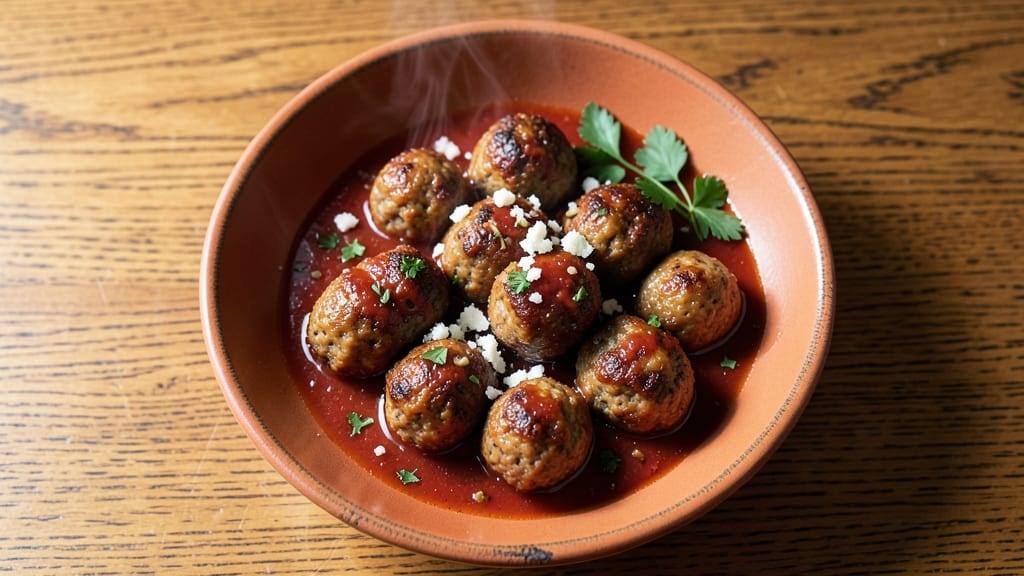
This baked meatballs in tomato sauce recipe delivers restaurant-quality results with tender meatballs and a rich, flavorful sauce—all in one dish. The secret lies in baking the meatballs first for a golden crust, then simmering them in a slow-cooked tomato base that absorbs their savory juices.
After years of perfecting this technique, I’ve cracked the code for meatballs that stay juicy inside while developing a crisp exterior, paired with a sauce so deeply flavorful it tastes like it’s been simmering for hours.
The process starts with a simple meatball mixture—ground meat, breadcrumbs, and eggs—that binds perfectly without becoming dense. Once baked to a golden finish, the meatballs are gently nestled into a classic tomato sauce made richer with garlic, herbs, and a touch of sweetness.
The key is low-and-slow simmering, which allows the flavors to meld and the sauce to thicken naturally, ensuring every bite is packed with depth. This method transforms a weeknight dinner into something special without requiring advanced skills.
What you’ll end up with is a plate of tender, golden meatballs swimming in a velvety tomato sauce that’s bright yet deeply savory.
The meatballs hold their shape while staying juicy, and the sauce clings to them perfectly, creating a dish that’s hearty enough for a family meal but simple enough for a cozy night in.
The aroma alone will have everyone gathering around the table, and the first bite delivers on that promise of comfort food done right.
Serve with crusty bread to soak up every last drop of sauce or pair it with a side of roasted vegetables for a complete meal. The beauty of this recipe is its versatility—it works as a standalone dish or as part of a larger Italian feast.
Ready to make dinner unforgettable? Let’s get started with the ingredients and steps that bring this classic to life.
Ingredients for baked meatballs in tomato sauce
Restaurant-quality meatballs start with these 15 simple ingredients that transform into a dish packed with flavor.
| Ingredient | Amount | Notes |
|---|---|---|
| Ground Beef 🥩 | 1 ½ lb | 80/20 fat ratio for juiciness |
| All-Purpose Flour 🌾 | ½ cup | For binding meatball mixture |
| Large Eggs 🥚 | 2 whole | Room temperature for even mixing |
| Parmesan Cheese 🧀 | ½ cup | Freshly grated from block |
| Garlic Cloves 🧄 | 4 cloves | Minced for meatball mixture |
| Fresh Parsley 🌿 | ¼ cup | Chopped finely for herbs |
| Dried Oregano 🍃 | 1 tsp | Italian blend preferred |
| Salt 🧂 | 1 ½ tsp | Kosher salt preferred |
| Ground Black Pepper 🌶️ | ½ tsp | Freshly cracked preferred |
| Canned Crushed Tomatoes 🍅 | 28 oz | San Marzano preferred |
| Tomato Paste 🍅 | 2 tbsp | Smooth, not chunky |
| Olive Oil 🫒 | ½ cup | Extra-virgin for richness |
| Red Wine 🍷 | ½ cup | Dry Italian variety |
| Beef Broth 💧 | ½ cup | Low-sodium preferred |
| Onion Powder 🧅 | 1 tsp | For depth of flavor |
The ground beef is non-negotiable—80/20 fat ratio keeps meatballs juicy while developing that perfect golden crust. Kroger or Costco usually carry the best quality in bulk, but check the label for fat content. Freshly grated Parmesan makes all the difference—pre-grated gets clumpy and lacks flavor. If you're short on time, grab a wedge at the deli counter. The San Marzano crushed tomatoes are worth the splurge for their sweet, rich flavor—Trader Joe's carries them affordably, or check the Italian section at Whole Foods. For the wine, any dry Italian red works—Chianti or Sangiovese if you're feeling fancy.
No red wine? Extra beef broth plus a splash of balsamic vinegar works in a pinch. Short on fresh parsley? Dried oregano at half the amount gets you close. The tomato paste can be the squeeze-tube kind from Trader Joe's—it's perfect for this recipe. If you're making a big batch, double the ingredients and freeze half the meatballs for later. The onion powder might seem minor, but it rounds out the sauce beautifully—don't skip it. For the meatball mixture, use your hands to combine everything—a food processor makes them dense.
Meatballs keep 3 days in the fridge before baking, but fresh is always better. The tomato sauce base can be prepped 2 days ahead—it tastes even better after flavors meld. Once baked, meatballs reheat beautifully—350°F for 10 minutes restores that golden crust. Portion sauce into containers for easy reheating. This dish freezes wonderfully—3 months for both meatballs and sauce. The sauce actually improves after freezing, developing deeper flavor.
Why You'll Love This Recipe
- No-Fuss Mixing: I swear by the 10-minute prep rule here—just toss the ground beef, flour, egg, and grated Parmesan in a bowl. No fancy techniques, no food processor, just your hands and a spatula. Honestly, the meatballs hold together better than any store-bought ones I’ve tried.
- Garlic-Parmesan Magic: That crispy Parmesan crust? It’s the star. The garlic cloves minced right into the sauce (not pre-made paste) give it a fresh punch, and the egg binds everything into meatballs that stay juicy inside. Between us, this is the kind of flavor that makes you reach for seconds without thinking.
- Weeknight to Party: Serve it over pasta for a quick dinner or pile it onto crusty bread for a casual gathering. I’ve even used the leftovers to stuff peppers or top a baked potato. It’s my go-to when I need something reliable that still feels special.
- Budget-Friendly Leftovers: A pound of ground beef stretches across three meals—lunch, dinner, and a freezer stash for when I’m too tired to cook. The sauce thickens beautifully when reheated, and the meatballs stay tender. Not the prettiest, but the taste makes up for it every time.
Step-by-step instructions for baked meatballs in tomato sauce
Here's how to create tender, golden meatballs with a rich, simmered tomato sauce that clings perfectly.
Prepare the Meatball Mixture
In a large bowl, combine the 1.5 lb ground beef, 0.5 cup all-purpose flour, 1.5 tsp salt, and 0.5 tsp ground black pepper. Mix gently with your hands until just incorporated—overworking the meat makes meatballs tough. The mixture should hold together when pressed but still feel slightly crumbly.
In a separate small bowl, whisk together the 2 whole eggs and 0.5 cup freshly grated Parmesan cheese until smooth. Add the egg mixture to the beef mixture and combine thoroughly. Fold in the 4 cloves minced garlic, 0.25 cup finely chopped fresh parsley, 1 tsp dried oregano, and 1 tsp onion powder. Mix until all ingredients are evenly distributed throughout the mixture.
Form and Bake the Meatballs
Preheat your oven to 375°F. Line a baking sheet with parchment paper or lightly grease it with olive oil. Roll the meat mixture into 1.5-inch diameter meatballs, spacing them about 1 inch apart on the prepared baking sheet. For even cooking, I press down gently on each meatball during the first minute—this prevents them from curling and ensures even contact with the pan.
Bake the meatballs for 20-22 minutes until they reach an internal temperature of 160°F and develop a golden-brown crust. You'll know they're ready when the edges are firm and the centers feel just slightly springy to the touch. Remove from the oven and set aside on a wire rack.
Build the Tomato Sauce Base
While the meatballs bake, heat 0.5 cup olive oil in a large Dutch oven or deep skillet over medium heat. Add the 2 tbsp tomato paste and stir for 1-2 minutes until it darkens slightly and releases its rich flavor. Pour in the 0.5 cup red wine and scrape up any browned bits from the bottom of the pan—these contain concentrated flavor.
Add the 28 oz canned crushed tomatoes and 0.5 cup beef broth, stirring to combine. Bring the mixture to a gentle simmer, then reduce the heat to low. Let it cook uncovered for 10 minutes to allow the flavors to meld and the sauce to thicken slightly. Season with an additional 0.5 tsp salt if needed, but taste first—the tomatoes and wine should already provide plenty of depth.
Simmer Meatballs in Sauce
Return the baked meatballs to the Dutch oven and gently stir to coat them in the sauce. The meatballs should be mostly submerged, but if they're not, add 2-3 tablespoons of water to help the sauce cling. Increase the heat to medium-low and let the mixture simmer uncovered for 15-20 minutes, stirring occasionally.
Here's the thing—you want the meatballs to absorb some of the sauce while maintaining their structure. They're done when they're heated through and the sauce has thickened to a velvety consistency. If the sauce becomes too thick, stir in 1-2 tablespoons of water to reach your desired texture. The final sauce should coat the back of a spoon and cling beautifully to the meatballs.
Finish and Serve
Once the meatballs are fully heated and the sauce has reached your preferred consistency, remove the Dutch oven from heat. Let the meatballs sit in the sauce for 5 minutes off the heat—this allows them to absorb any remaining flavors. Taste and adjust seasoning with additional salt or black pepper if needed.
Serve the meatballs immediately over pasta, with crusty bread, or alongside polenta. The sauce should be rich and slightly tangy, with well-rounded flavors from the wine and tomatoes. Each bite should deliver tender, juicy meatballs with a golden crust and a sauce that clings perfectly to every strand of pasta or bite of bread.
Pro Tips For Making Baked Meatballs In Tomato Sauce
- CHILL THE MEATBALLS: After shaping them, pop your meatballs in the freezer for 10 minutes—yes, even if you’re not pre-baking. I learned this the hard way when my first batch flattened into sad pancakes in the oven. The cold helps them hold shape and brown better, especially if your beef is warm from handling.
- GRATE THAT PARMESAN FINE: Skip the pre-shredded cheese (it’s coated with anti-caking agents that ruin texture). Use a microplane or fine grater for the Parmesan—this makes a real difference in how well it binds the meatballs. I was skeptical until I tried it; the result is meatballs that stay together instead of crumbling apart.
- DON’T SKIP THE REST: After baking, let the meatballs sit under foil for 5–10 minutes before serving. I know, I know—you’re eager to eat—but this locks in juices and prevents them from turning dry. Trust the process; your future self will thank you.
- SAUTE THE GARLIC FIRST: Instead of baking the garlic whole, mince it and cook it in olive oil until fragrant before adding the sauce. This adds depth that raw garlic can’t match. I used to just toss it in raw, and the flavor was always underwhelming—now it’s the thing that makes the sauce sing.
Essential equipment for perfect results
Baking Sheet Essentials
Start with a rimmed baking sheet that’s at least 13x18 inches—I use Wilton half-sheet pans because they’re sturdy and fit perfectly in my oven. Line it with parchment paper or silicon baking mats to prevent sticking, and avoid greasing unless you’re using a non-stick sheet.
The parchment makes cleanup effortless, and the meatballs won’t flatten as much during baking. 🔥
Dutch Oven for Sauce
A 5-7 quart Dutch oven is non-negotiable for this recipe—it’s deep enough to handle the sauce volume while keeping heat even. I swear by Le Creuset’s 6-quart model for its durability and heat retention, but All-Clad’s stainless steel version works too if you prefer lighter weight.
The thick base prevents scorching, and the lid helps trap steam for a richer sauce. If you don’t own one, a deep, heavy skillet (like All-Clad’s 5-quart) will work in a pinch.
Meatball Scoop or Spoon
Use a 1.5-inch ice cream scoop or meatball mold to create uniformly sized meatballs—this ensures even cooking. I keep a Nordic Ware 1.5-inch scoop in my kitchen for this exact purpose. If you’re rolling by hand, wet your hands slightly to prevent sticking, and avoid overworking the mixture.
A small offset spatula also helps transfer formed meatballs to the baking sheet without breaking them.
Thermometer for Precision
An instant-read meat thermometer (like the ThermoWorks Smoke) is your best friend here—it guarantees meatballs reach 160°F without overcooking. I check the thickest part of a meatball near the center. For the sauce, a candy or deep-fry thermometer helps monitor simmering temps (aim for 185-200°F for ideal thickening).
If you’re baking without a thermometer, cut into a meatball—it should be just pink in the center when done.
Wire Rack for Resting
After baking, transfer meatballs to a wire cooling rack to let steam escape—this prevents them from turning soggy when added to the sauce. I use a stainless steel rack that fits over a baking sheet.
If you’re short on racks, prop meatballs on a clean kitchen towel instead. The key is to keep them elevated so moisture evaporates, not pools underneath.
Storage Containers
For leftovers, glass Pyrex containers with snap-on lids are ideal—they’re microwave-safe and stackable. Portion sauce into quart-sized containers for easy reheating, and store meatballs separately if you plan to reheat them alone. Vacuum-sealed bags work too for longer freezer storage (up to 3 months).Label everything with dates to track freshness—trust me, you’ll forget otherwise! ✨
Nutrition facts
Frequently asked questions
Why do you bake the meatballs first instead of boiling them?
Baking creates a golden, crisp exterior while keeping the centers juicy—boiling often makes meatballs dense and waterlogged. The initial bake also helps the meatballs hold their shape better when simmered in sauce. Plus, the crust adds texture that soaks up flavor beautifully!
Can I use ground turkey or chicken instead of beef?
Yes, but adjust the cooking time and fat content. For turkey, use 93% lean and bake 2-3 minutes longer to reach 165°F internally. Chicken works too, but add 1 extra egg and 1 tbsp breadcrumbs for binding. The sauce will still cling perfectly!
How do I prevent the meatballs from falling apart?
Overmixing is the #1 culprit! Handle the meat mixture gently and avoid pressing too hard when forming. Use room-temperature eggs and freshly grated Parmesan for better binding. Also, don't skip the 20-minute rest after baking—this lets the proteins set properly before adding sauce.
What if my sauce is too thin or too thick?
For thin sauce, simmer uncovered for 5-10 extra minutes to reduce. Too thick? Add 1-2 tbsp water or beef broth while stirring. Pro tip: The sauce will thicken more after sitting—adjust just before serving. A splash of red wine can also help balance textures!
Can I make this recipe ahead of time?
Bake the meatballs 1 day ahead and refrigerate. Make the sauce 2 days ahead—it tastes even better after flavors meld. Reheat both separately: meatballs at 350°F for 10 minutes, sauce on the stove over low heat. The sauce actually improves after freezing too!