
Sauces & Condiments
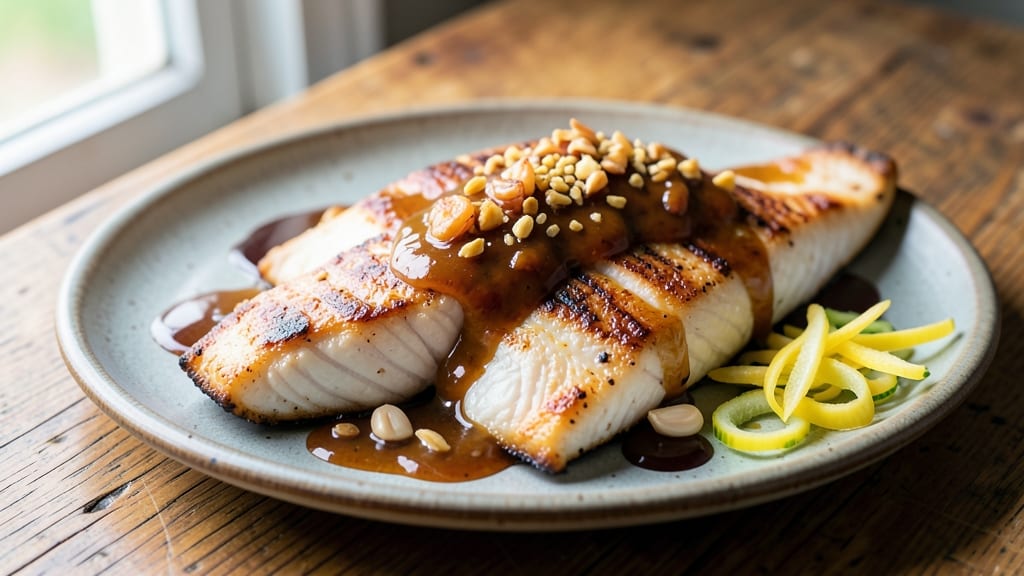
This baked fish with shrimp sauce transforms ordinary weeknight dinners into restaurant-worthy meals with minimal effort.
The secret lies in a simple yet umami-rich sauce—made from shrimp shells, aromatics, and a touch of coconut milk—that clings to flaky fish like white fish or cod, turning every bite into a flavor explosion.
What makes this dish special is how effortlessly the sauce elevates the natural sweetness of the fish, creating a balance that’s both comforting and sophisticated.
The recipe starts with foolproof baked fish—just season, bake at 400°F for 12-15 minutes, and let the sauce work its magic. Meanwhile, the shrimp sauce simmers down into a velvety, aromatic broth packed with garlic, ginger, and a hint of chili, delivering depth without overpowering the delicate fish.
The best part? No fancy techniques—just a one-pan approach that keeps cleanup to a minimum while delivering professional results.
By the time you plate this dish, you’ll have golden, tender fish swimming in a glossy, flavorful sauce that’s rich enough to stand alone or pair beautifully with steamed jasmine rice and quick-pickled vegetables.
The sauce’s natural sweetness and umami notes complement the fish perfectly, making it a dish that feels indulgent yet remains light and fresh. Whether you’re cooking for a date night or a family dinner, this recipe delivers restaurant-quality flavor at home.
For extra flair, garnish with fresh cilantro and a squeeze of lime, or serve with a side of blistered green beans to round out the meal.
The sauce keeps well in the fridge for up to 3 days, so you can make a batch ahead and reheat it for leftovers—proof that simple ingredients can create something truly special. Let’s get cooking!
Ingredients for baked fish with shrimp sauce
Simple proteins and bold flavors—this dish delivers restaurant-quality taste with minimal effort.
| Ingredient | Amount | Notes |
|---|---|---|
| White Fish Fillets 🐟 | 1 ½ lb | Cod or halibut, skin-on preferred |
| Shrimp Shells 🦐 | ½ cup | From 1 lb shrimp, cleaned |
| Garlic Cloves 🧄 | 6 cloves | Minced for sauce |
| Fresh Ginger 🌿 | 2 tbsp | Finely grated, peeled |
| Coconut Milk 🥥 | ½ cup | Full-fat for creaminess |
| Fish Sauce 🍶 | 2 tbsp | Red Boat preferred |
| Red Chili Flakes 🌶️ | 1 tsp | Adjust for heat preference |
| Lime Juice 🍋 | 2 tbsp | Freshly squeezed |
| Jasmine Rice 🍚 | 1 cup | Uncooked, for serving |
| Fresh Cilantro 🌿 | ¼ cup | Chopped for garnish |
| Olive Oil 🫒 | 2 tbsp | For fish seasoning |
| Salt 🧂 | 1 ½ tsp | Diamond Crystal preferred |
| Black Pepper 🌶️ | ½ tsp | Freshly cracked |
| Green Onions 🧅 | 3 whole | Sliced for garnish |
The shrimp shells are non-negotiable for that deep umami punch. Ask your fishmonger to save them for you if they're not already pre-packaged—most seafood counters at Whole Foods or Trader Joe's have them. For the fish, cod or halibut are ideal—they stay moist while soaking up the sauce. If you can't find shrimp shells, dried shrimp or a splash of soy sauce works in a pinch, but it won't be quite the same. The ginger should smell fresh and zesty—if it's musty, skip it. For the fish sauce, Red Boat is the gold standard, but any reputable brand will do.
No fish sauce? Soy sauce or Worcestershire can stand in, though the flavor profile will shift slightly. The coconut milk can be swapped for light cream or cashew cream if you're avoiding dairy. Fresh ginger too strong? Ground ginger at half the amount gets you close, but fresh is always better. The lime juice needs to be fresh—bottled won't cut it. For the rice, jasmine is traditional, but brown rice or basmati work too. The chili flakes are optional but add a nice kick—skip them if you're serving kids or sensitive eaters. The fish should be about 1-inch thick for even baking.
The shrimp shells can be frozen until ready to use—just thaw and rinse before making the sauce. Prep the sauce first while the fish bakes—it only takes 15 minutes to simmer. The sauce keeps for 3 days in the fridge, but the fish is best eaten fresh. Garnish with cilantro and green onions right before serving—they wilt fast. For extra flavor, add a splash of the sauce to the rice before serving. Leftovers? The sauce reheats beautifully—just warm gently and pour over fresh fish.
Why You'll Love This Recipe
- Same recipe, different vibes: serve it over rice for a lazy Tuesday or drizzle it on toast with lime for a fancy-ish brunch. The sauce thickens beautifully, so it works for both casual and "I’m trying" moments.
- One-Pan Magic: I swear by this recipe when I’m too tired to scrub pots—just toss the fish, shrimp shells (yes, really!), and aromatics on a sheet pan, bake, then simmer in coconut milk. The shells infuse that deep, savory punch without extra work.
- Ginger-Garlic Bomb: That first bite? The garlic and ginger hit like a warm hug, but the coconut milk softens it into something rich and velvety. Honestly, my picky eaters actually finish their plates—no small feat in my house.
- Weeknight to Dinner Party: Same recipe, different vibes: serve it over rice for a lazy Tuesday or drizzle it on toast with lime for a fancy-ish brunch. The sauce thickens beautifully, so it works for both casual and "I’m trying" moments.
Step-by-step instructions for baked fish with shrimp sauce
Here's how to transform simple proteins into a restaurant-worthy dish with minimal effort.
Prepare the Umami-Packed Shrimp Sauce
Heat the 2 tablespoons olive oil in a saucepan over medium heat. Add the 0.5 cup shrimp shells and cook for 5 minutes until they turn a deep pink color and start to crisp slightly. This releases their concentrated flavor into the oil.
Add the 6 cloves minced garlic and 2 tablespoons finely grated ginger, cooking for 1 minute until fragrant. Pour in the 0.5 cup coconut milk and 2 tablespoons fish sauce, then reduce heat to low. Let it simmer for 8-10 minutes until slightly thickened. Stir in the 1 teaspoon red chili flakes and 2 tablespoons lime juice, then remove from heat and set aside. This sauce will be the star of your dish—its rich, briny depth elevates everything.
Season and Bake the Fish
Preheat your oven to 375°F. Pat the 1.5 lb white fish fillets dry with paper towels—this ensures a crispy skin. Place them skin-side down in a baking dish large enough to hold them in a single layer. Drizzle the fillets with any remaining sauce from the pan, then sprinkle evenly with 1.5 teaspoons salt and 0.5 teaspoon black pepper. The salt will draw out moisture for that perfect crust.
Bake for 12-15 minutes until the fish flakes easily with a fork and the edges turn opaque white. Be careful not to overcook—fish continues cooking after you remove it from the oven. The skin should be crispy while the flesh remains tender. If the sauce in the dish starts to bubble vigorously, remove it from the oven for a minute to prevent burning.
Cook the Jasmine Rice
While the fish bakes, rinse the 1 cup jasmine rice under cold water until the water runs clear. This removes excess starch for fluffier rice. Combine the rice with 2 cups water in a pot and bring to a boil over high heat. Once boiling, reduce to low heat, cover tightly, and simmer for 15 minutes. Remove from heat and let it steam, covered, for another 10 minutes. Fluff with a fork before serving—this step ensures perfectly separate grains that won't turn mushy.
Assemble and Garnish
Slice the 3 whole green onions into thin rings and chop the 0.25 cup fresh cilantro. Spoon the cooked rice onto plates, then place the baked fish fillets on top. Ladle the shrimp sauce generously over the fish, allowing it to pool slightly around the edges. Garnish with green onion rings and cilantro just before serving—this adds freshness and visual appeal that makes the dish pop.
Serve immediately while the fish is still warm and the sauce is vibrant. The contrast between the crispy skin, tender flesh, and rich sauce creates a perfect balance of textures and flavors. This dish proves you don't need complicated techniques to create something truly special—just the right combination of ingredients and a little patience.
Pro Tips For Making Baked Fish With Shrimp Sauce
- Use a Splatter Screen: If you’re toasting shrimp shells for the sauce, lay down a baking sheet or foil before tossing them in the pan. I learned this the hard way—ginger and garlic oil spray like a firework show when they hit hot metal, and scrubbing a stovetop after is no one’s idea of fun.
- Blanch Shrimp Shells First: Toss the shrimp shells in boiling water for 30 seconds before toasting them. This removes the bitter edge and keeps the sauce from tasting like you’re eating a seafood factory floor. (Yes, it’s worth the extra bowl.)
- Don’t Overmix the Sauce: After simmering the shrimp shells with garlic and ginger, strain the oil through a fine-mesh sieve—don’t press the solids like you’re making almond milk. Pressing squeezes out the bitter residue, and you’ll end up with a sauce that tastes like it’s been through a wringer.
- Bake Fish at 375°F: Too low, and the fish turns rubbery; too high, and it dries out before the sauce even clings. Stick to 375°F and bake the fish for 12–15 minutes—just until it flakes easily with a fork. The sauce will finish cooking in the residual heat while the fish rests. (Trust me, 10 minutes isn’t enough.)
Storing and reheating this baked fish with shrimp sauce
Sauce Storage Secrets
The shrimp sauce keeps beautifully in the fridge for up to 3 days in an airtight container, but I always store it in a glass jar—plastic can absorb odors.
The sauce actually improves overnight as the flavors meld together. For longer storage, freeze it in ice cube trays—each cube reheats perfectly for a quick sauce boost later. 🥥
Fish Reheating Rules
Baked fish reheats best gently—never microwave it straight from the fridge or it’ll turn rubbery. Instead, warm it in a lightly oiled skillet over low heat for 2-3 minutes per side, covered with a lid.
For extra moisture, add 1 tablespoon water to the pan and baste the fish with it. The sauce should be reheated separately over medium-low heat until just warm—never boiling or it’ll curdle.
Leftovers Strategy
I always make double the sauce when cooking this dish—it’s perfect for reheating over fresh fish later. Store components separately: fish in parchment-lined containers (prevents sticking) and sauce in jars. When reheating, assemble the dish fresh—warm the sauce first, then pour over reheated fish.
The contrast of warm sauce over gently warmed fish brings back that restaurant-quality texture. ✨
Freezer Prep Tips
For freezing, portion the sauce into 1-cup batches in freezer-safe containers with 1-inch headspace. Label with dates—it keeps for 3 months without losing flavor. To freeze fish, wrap it tightly in plastic wrap first, then place in a freezer bag.
Thaw overnight in the fridge before reheating—never microwave frozen fish directly. The sauce will thaw faster if you place the jar in warm water for 10 minutes before reheating.
Rice Revival
Leftover rice reheats best with a splash of water—add 2 tablespoons per cup of rice and microwave for 1 minute, then fluff with a fork. For extra flavor, mix in 1 teaspoon of the shrimp sauce while reheating.
I also like toasting leftover rice in a dry pan for 2 minutes before serving—it adds a nice crunch that pairs perfectly with the sauce. 🍚
Sauce Thickening Fix
If your reheated sauce seems too thin, simmer it uncovered for 2-3 minutes to reduce. For extra richness, stir in 1 teaspoon of coconut milk or a pat of butter. If the sauce tastes flat, boost it with ½ teaspoon fish sauce or a pinch of salt.
The key is to reheat gently—never boil or the delicate flavors will break down. A quick stir with fresh lime juice can also revive the brightness of the sauce. 💫
Nutrition facts
Frequently asked questions
Can I use frozen shrimp shells for the sauce?
Yes, but thaw them completely first! Rinse frozen shrimp shells under cold water to remove any ice crystals, then pat them dry before toasting in the oil. The flavor will be just as rich, but make sure they're fully defrosted to prevent steam from diluting your sauce.
What fish works best besides cod or halibut?
Look for firm, mild white fish like sea bass, mahi-mahi, or snapper. Avoid delicate fish like tilapia—they can turn mushy when baked. The sauce pairs beautifully with any fish that holds up to 12-15 minutes at 375°F.
How can I make this dish spicier?
Double the red chili flakes to 2 teaspoons or add ½ teaspoon of cayenne pepper to the sauce. For heat without dryness, stir in 1 teaspoon of sambal oelek at the end. If you love Thai flavors, add 1 teaspoon of fish sauce-infused chili paste while simmering.
Can I make this recipe without coconut milk?
Swap the ½ cup coconut milk for ½ cup heavy cream or ½ cup cashew cream (blend soaked cashews with water). For a dairy-free option, use ½ cup vegetable broth and add 1 teaspoon of miso paste for extra umami depth.
Why did my fish turn rubbery?
Overcooking is the most common cause—fish continues cooking after leaving the oven. Check doneness at 10 minutes (for thinner fillets) and aim for 165°F internal temperature. Also, pat the fish completely dry before baking to prevent steaming. For extra tenderness, bake at 350°F instead of 375°F.