
Sauces & Condiments
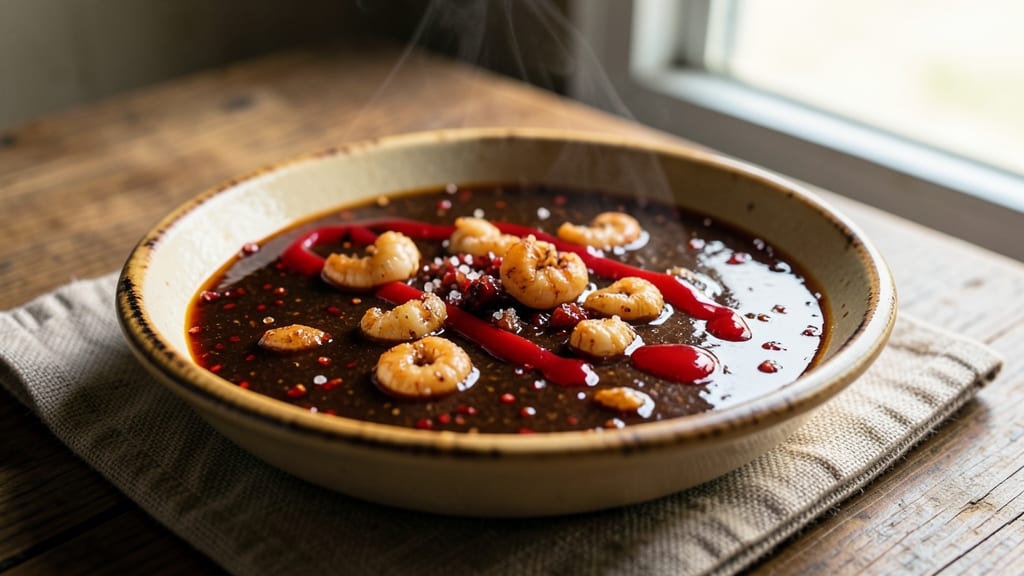
This bacsilog sauce recipe transforms crispy pork belly into Filipino street food perfection—where smoky garlic, tangy vinegar, and fermented shrimp paste create a bold, addictive flavor. The secret lies in balancing sweetness, acidity, and umami, resulting in a sauce that clings to every bite of crispy pork.
I developed this version after years of perfecting the balance between restaurant-quality depth and home-cook simplicity. What makes this sauce special is its three-stage process: blooming garlic for maximum flavor, simmering with vinegar to develop tang, and finishing with sugar to round out the sharpness.
The fermented shrimp paste (bagoong) adds that signature funky depth you find in authentic bacsilog stalls. Unlike store-bought versions, this recipe delivers a crispy, caramelized edge to the pork while keeping the interior juicy and tender.
By the time you drizzle this sauce over your crispy pork belly, you'll taste layers of complexity—garlicky heat, vinegary brightness, and a subtle saltiness from the shrimp paste. It's the kind of sauce that turns a simple meal into an experience, perfect for serving over steamed rice or noodles.
The best part? It keeps well in the fridge for up to a week, so you can make a big batch and enjoy it all week long. For extra authenticity, serve with a side of pickled vegetables or a simple green salad to cut through the richness. Let's get cooking!
Ingredients for bacsilog sauce
Nine ingredients, three stages—this sauce delivers restaurant-quality depth for crispy pork belly.
| Ingredient | Amount | Notes |
|---|---|---|
| Garlic Cloves 🧄 | 8 whole | Freshly minced, not pre-minced jarred |
| Cane Vinegar 🍶 | ½ cup | White or apple cider vinegar preferred |
| Granulated Sugar 🍚 | ¼ cup | White or brown sugar for depth |
| Fermented Shrimp Paste (Bagoong) 🦐 | 2 tbsp | Filipino-style, not fish sauce |
| Soy Sauce 🍶 | 2 tbsp | Dark soy sauce for color |
| Extra-Virgin Olive Oil 🫒 | 2 tbsp | For blooming garlic |
| Salt 🧂 | 1 tsp | Kosher or sea salt |
| Black Peppercorns 🌶️ | ¼ tsp | Freshly cracked preferred |
| Ground White Pepper 🌶️ | ¼ tsp | For smoother finish |
| Water 💧 | ½ cup | For thinning if needed |
The garlic is non-negotiable here. Use fresh cloves—pre-minced jarred garlic lacks the punch. For extra authenticity, toast the whole cloves in olive oil for 30 seconds before mincing. Filipino markets often carry the best fermented shrimp paste (bagoong), but Asian grocery stores usually stock it too. Look for the dark, funky kind—not the light-colored fish sauce substitute. The vinegar should be cane vinegar if you can find it, but white or apple cider vinegar works in a pinch. I always double-check the sugar isn't clumped—tap the bag gently to break up any lumps before measuring.
No cane vinegar? White vinegar or apple cider vinegar are solid swaps, but add an extra teaspoon if using apple cider for the fruitiness. Short on fermented shrimp paste? Fish sauce at half the amount gets you close, but you'll lose that signature funk. The soy sauce matters for color—dark soy sauce gives that authentic caramelized look. If you're making a big batch, stir in a splash of water (up to 0.5 cup) to thin it out for easier drizzling. The peppercorns should be freshly cracked—pre-ground loses its bite quickly. For a smoother finish, ground white pepper blends better than black.
This sauce keeps beautifully—up to 1 week in the fridge sealed in a jar. The flavors actually deepen overnight, so make extra. For longer storage, freeze in ice cube trays—perfect for single-use portions. When reheating, simmer gently for 2-3 minutes to restore the glossy texture. The sauce thickens as it cools, so thin with a splash of water if needed. I always keep a small jar in the fridge for quick drizzling over crispy pork belly or noodles.
Why You'll Love This Recipe
- Pantry Magic: I swear by this sauce—no shopping list, no fuss. Just grab what’s already there: garlic, vinegar, sugar, bagoong, and soy. That’s it. Five ingredients, zero excuses.
- Umami Bomb: The bagoong and soy sauce hit like a flavor tsunami. Sweet, salty, funky—it’s the kind of sauce that makes you close your eyes and nod. Honestly, I’ve seen people take one bite and immediately ask for the recipe.
- Leftover Hero: This sauce doesn’t just disappear after one use. Store it in the fridge, and it keeps for days, getting even better as the flavors meld. Drizzle it on rice, toss it with eggs, or use it as a quick marinade—it’s my go-to for lazy mornings.
- Budget Flex: I make this all the time because it’s dirt cheap. A few cloves of garlic, a splash of vinegar, a spoonful of sugar—you’re not breaking the bank. Plus, the bagoong adds that rich depth without needing fancy ingredients. Win-win.
Step-by-step instructions for bacsilog sauce
This smoky, tangy sauce brings deep flavor to crispy pork belly—here's how to make it perfectly every time.
Bloom the Garlic in Olive Oil
Heat a small saucepan over medium-low heat and add the 2 tablespoons extra-virgin olive oil. Once the oil shimmers gently, add the 8 whole garlic cloves (peeled but left whole for better control). Cook for 3-4 minutes until the garlic turns golden brown and fragrant, but not burnt.
Here's the thing—you want that nutty aroma without bitterness. If the garlic starts to darken too quickly, reduce the heat immediately. Once golden, remove the garlic from the pan with a slotted spoon and set aside, leaving the fragrant oil behind for the sauce base.
Build the Umami Foundation
To the same saucepan, add the 2 tablespoons fermented shrimp paste (bagoong) and stir vigorously for 1 minute until it dissolves completely into the oil. The paste will initially look like it's not incorporating, but keep stirring—it will break down into a rich, savory paste that forms the backbone of your sauce.
Next, add the 2 tablespoons soy sauce and 1 teaspoon salt, stirring constantly. The mixture will darken slightly as the flavors meld. This is where the sauce develops its signature depth—don't rush this step. Let it simmer gently for 2 minutes to allow the flavors to marry properly.
Balance Sweet and Tangy
Add the 0.5 cup cane vinegar and 0.25 cup granulated sugar to the pan. Stir well to combine, then bring the mixture to a gentle simmer over medium heat. Let it cook for 5-6 minutes until the sugar has dissolved completely and the mixture reduces slightly—you'll notice it thickens and becomes syrupy.
Here's where you can taste and adjust: if it's too acidic, add a pinch more sugar; if it needs more depth, add another ½ teaspoon soy sauce. The sauce should be balanced between sweet, tangy, and umami—this is the perfect harmony for bacsilog.
Finish with Spices and Water
Return the golden brown garlic cloves to the saucepan and crush them lightly with the back of a spoon to release their oils. Add the 0.25 teaspoon black peppercorns and 0.25 teaspoon ground white pepper, then stir in the 0.5 cup water to thin the sauce to your preferred consistency.
Simmer for another 2-3 minutes to let all the flavors meld together. The sauce should coat the back of a spoon but still be pourable. If it's too thick, add a splash more water; if too thin, simmer longer to reduce. The final sauce should be glossy with a smoky aroma that makes your kitchen smell amazing.
Strain and Use Immediately
Strain the sauce through a fine-mesh sieve into a clean bowl to remove any garlic pieces and peppercorns. This gives you a silky, smooth sauce perfect for drizzling over crispy pork belly. The sauce keeps well in the refrigerator for up to 5 days, but it's best used fresh while the flavors are at their peak.
For that authentic bacsilog experience, use the sauce to baste the crispy pork belly as it cooks. The smoky, tangy flavors will penetrate the meat, creating a dish that's crispy on the outside and juicy on the inside. Trust me, this sauce is worth every minute of effort.
Pro Tips For Making Bacsilog Sauce
- CRUSH THE GARLIC: Don’t mince it—smashed garlic cloves release more flavor without burning. Use the flat side of your knife to bruise 6-8 cloves in the pan first, then let them sizzle for 30 seconds before adding anything else. I learned this the hard way when my sauce tasted bland because I minced too early.
- SAVE THE VINEGAR: Add cane vinegar last—after the sugar dissolves but before the heat peaks. If you toss it in too soon, the acid will fight the sugar and leave a harsh aftertaste. A splash at the end brightens the sauce without overpowering the bagoong’s funk.
- STIR CONSTANTLY: Bagoong burns faster than you think. Keep the pan moving—especially when the sugar starts caramelizing—so the shrimp paste doesn’t seize. I used to walk away for "just a minute," and next thing I knew, my sauce was bitter. A wooden spoon works best; metal scratches the pan.
- SALT IN LAYERS: Taste as you go: add soy sauce first (1 tbsp), then adjust with sugar (start with 2 tbsp), and finish with a pinch of salt after the vinegar. The bagoong’s saltiness sneaks up on you—if the sauce tastes flat, it’s probably over-salted from the paste. Trust your tongue, not the recipe.
Storing and reheating this bacsilog sauce
Fridge Storage Essentials
Transfer your freshly made bacsilog sauce to a clean, airtight glass jar—I prefer 8-ounce mason jars for portion control and easy storage. The sauce thickens as it cools, so leave about ½ inch of headspace to prevent spills.
Store it in the fridge at 40°F or below where it’ll keep for up to 5 days, with flavors actually deepening overnight. 💫
Freezer Preservation
For longer storage, freeze the sauce in ice cube trays—each cube makes perfect single-use portions for crispy pork belly or noodles. Once frozen, transfer cubes to a freezer bag and flatten to save space.
Thaw overnight in the fridge before using. The texture remains stable, though it may separate slightly—just stir gently to recombine. 🧊
Reheating Like a Pro
When reheating, pour the sauce into a small saucepan and warm over low heat for 2-3 minutes—never boil, or it’ll lose its glossy texture. If the sauce thickens too much, add 1 teaspoon water at a time until it reaches a drizzling consistency.
For microwave reheating, use 30-second intervals on low power, stirring between each. 🔥
Thinning Tricks
If your sauce thickens after refrigeration, revive it by adding 1-2 teaspoons water at a time while stirring. For extra authenticity, I sometimes add ½ teaspoon cane vinegar to restore the tang. Avoid over-thinning—aim for a syrupy but pourable consistency that clings beautifully to crispy pork. 💡
Sauce Consistency Tips
Start with the ½ cup water in the recipe, but adjust based on your preference. For a glossier finish, reduce the sauce longer (up to 10 minutes) until it coats the back of a spoon.
For a lighter drizzle, add extra water during reheating. The key is balance—it should coat but not be gluey. ✨
Flavor Refresh Check
Before using stored sauce, taste and adjust: needs more tang? Add ½ teaspoon vinegar. Too sharp? Balance with ¼ teaspoon sugar. The goal is that perfect harmony of smoky, sweet, and umami that defines bacsilog. A little tweaking keeps it restaurant-quality every time. 💛
Nutrition facts
Frequently asked questions about bacsilog sauce
Can I make this sauce without fermented shrimp paste (bagoong)?
Yes, but you'll lose that signature funky depth. Use 1 tablespoon fish sauce plus ½ teaspoon soy sauce as a substitute, but add it at the very end to avoid overpowering the garlic-vinegar balance. For a closer match, try anchovy paste (½ teaspoon) mixed with a pinch of salt.
How do I know when the garlic is perfectly browned?
Look for golden brown with nutty aroma—not dark brown or burnt. The edges should be slightly crispy, but the center should still be soft. If it darkens too quickly, reduce heat immediately. Overcooked garlic adds bitterness that ruins the sauce's harmony.
Can I use this sauce on dishes other than crispy pork belly?
It's perfect for noodles (like bacsilog noodles), grilled meats, or even as a dipping sauce for spring rolls. Try drizzling it over steamed rice with fried fish or chicken. The smoky-sweet balance works surprisingly well with roasted vegetables too!
Why did my sauce turn out too thin?
This usually happens from not reducing enough or adding too much water. Simmer uncovered for 5-10 extra minutes to thicken, stirring occasionally. If still too thin, mix 1 teaspoon cornstarch with water and stir in while hot. For next time, reduce heat slightly after adding sugar to prevent splattering.
What's the best way to use leftover sauce?
Freeze in ice cube trays for single servings! Thaw overnight in the fridge and use to baste meats, drizzle over rice, or mix into stir-fries. For extra flavor, add ½ teaspoon toasted garlic oil when reheating. The sauce keeps its punch even after freezing—just avoid boiling when reheating.