
Sauces & Condiments
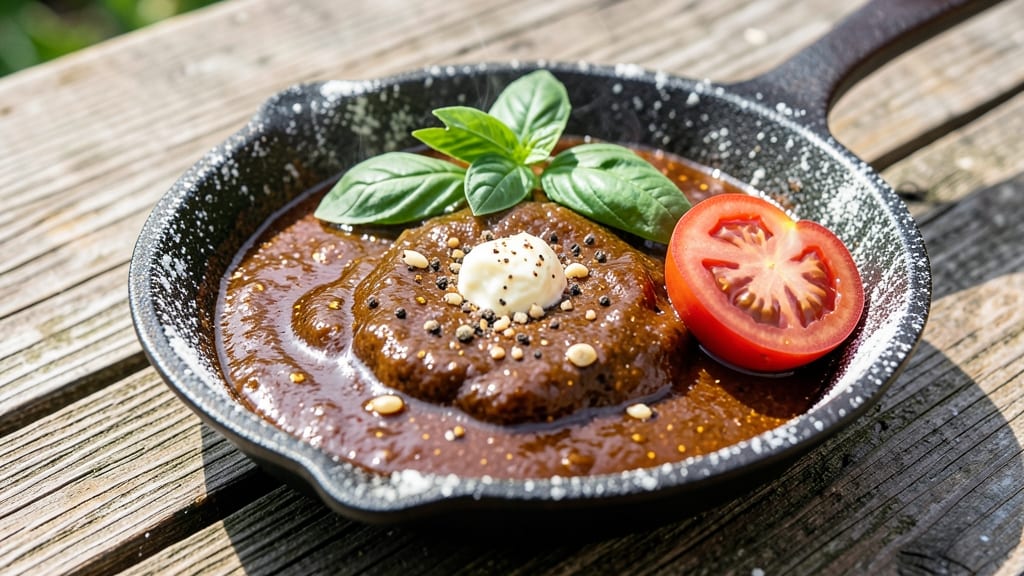
This Backyard Bayou sauce recipe transforms simple pantry staples into a smoky, Cajun-spiced condiment that adds bold flavor to everything from grilled shrimp to fried chicken. 🔥 The secret lies in balancing heat from cayenne and smoked paprika with bright tomato acidity, creating a sauce that's both complex and approachable.
I developed this version after years of experimenting with Louisiana-style seasonings, and it's now my go-to for adding that signature bayou kick without overwhelming the dish.
The foundation starts with a rich roux—equal parts butter and flour cooked until deep amber—that forms the sauce's velvety base. Fresh tomatoes, garlic, and a blend of Cajun spices infuse the roux while simmering, creating layers of smoky, spicy, and slightly sweet flavors.
Unlike store-bought versions, this recipe builds depth through slow reduction, ensuring every spoonful delivers authentic Louisiana character. The result is a sauce that's versatile enough for dipping, marinating, or finishing dishes with a dramatic flourish.
What makes this sauce truly special is its balance—smoky heat from the spices meets the bright acidity of tomatoes, while a touch of sugar rounds out the edges. It's the kind of condiment that transforms simple grilled fish or fried catfish into a restaurant-worthy meal with minimal effort.
The sauce thickens as it cools, making it perfect for batch cooking and storing in the refrigerator for up to two weeks, or freezing for months.
Whether you're slathering it over shrimp po'boys, drizzling it over blackened chicken, or using it as a dip for hush puppies, this Backyard Bayou sauce delivers restaurant-quality flavor with a fraction of the cost.
The instructions are straightforward, but the payoff is undeniable—every bite carries that unmistakable bayou punch. Let's get cooking!
Ingredients for backyard bayou sauce
Nine pantry staples and fresh tomatoes create this bold, smoky Cajun sauce.
| Ingredient | Amount | Notes |
|---|---|---|
| Unsalted Butter 🧈 | ½ cup | Cold, cubed for roux |
| All-Purpose Flour 🌾 | ½ cup | White or whole wheat |
| Smoked Paprika 🌶️ | 2 tbsp | High-quality for smokiness |
| Cayenne Pepper 🔥 | 1 tsp | Adjust for heat preference |
| Garlic Cloves 🧄 | 4 cloves | Freshly minced for aroma |
| Fresh Tomatoes 🍅 | 1 ½ lb | Roma or vine-ripened |
| Granulated Sugar 🍬 | 1 tbsp | Balances acidity |
| Apple Cider Vinegar 🍶 | 2 tbsp | Brightens flavor |
| Salt 🧂 | 1 ½ tsp | Diamond Crystal preferred |
| Black Pepper 🌶️ | ½ tsp | Freshly cracked |
The smoked paprika and cayenne are non-negotiable for that signature bayou kick. Penzeys or local spice shops carry the best quality—look for vibrant color and no clumping. Fresh tomatoes are ideal, but canned San Marzano works in a pinch (just skip the vinegar). The butter should be cold when you start the roux—this ensures it browns properly for that nutty depth. Garlic cloves can be pre-minced, but freshly minced right before cooking unlocks the most flavor. I always double-check my spices for moisture—they should feel dry, not damp, which can ruin your roux.
No smoked paprika? Regular paprika plus a pinch of liquid smoke gets you close. Cayenne too spicy? Substitute with half the amount of red pepper flakes. Fresh tomatoes not in season? Canned crushed tomatoes work—just add an extra splash of vinegar to cut the canned taste. The sugar balances the acidity, but honey or maple syrup works too. For a deeper roux, toast the flour in the butter for 2-3 minutes before adding liquid—this adds nutty notes. If you're sensitive to gluten, swap the flour for an equal amount of cornstarch, though the texture will be slightly different.
This sauce thickens as it cools, so stir in a splash of water if it's too thick for your liking. Store in an airtight jar in the fridge for up to 2 weeks, or freeze for 6 months. I like to portion it into ice cube trays for easy single-use servings—perfect for drizzling on grilled fish or blackened chicken. The flavor actually improves after a day or two in the fridge, so make it a day ahead if you can. Always taste before serving—adjust salt or vinegar as needed.
Why You'll Love This Recipe
- Pantry Magic: I swear by this sauce because it uses what I already have—no extra shopping trips. Butter, flour, and spices? That’s it. The smoked paprika alone gives it that deep, smoky soul, and the cayenne wakes up every bite without screaming for attention.
- Weeknight Hero: Five minutes of stirring, and I’ve got a sauce that turns plain grilled chicken or shrimp into something special. Honestly, it’s the kind of thing I make when I’m too tired to think but still want flavor—just melt the butter, toss in the flour, and let the garlic and cayenne work their magic.
- Double Duty: This sauce is my secret weapon for more than just seafood. Slather it on roasted potatoes, drizzle it over corn on the cob, or even mix it into mashed sweet potatoes. Between us, it’s the only sauce I need for summer cookouts and lazy Sundays.
- Budget-Friendly Luxury: A little butter and flour stretch far, and the spices cost pennies. I make a big batch, store it in the fridge, and use it all week—no waste, no guilt. Plus, the cayenne and smoked paprika make it taste like I spent hours perfecting it, when really, it’s just smart cooking.
Step-by-step instructions for backyard bayou sauce
Here's how to build this smoky, tangy sauce from scratch—where Cajun heat meets fresh tomato brightness.
🍳 Step 1: Build the Roux Foundation
Melt the 0.5 cup unsalted butter in a heavy-bottomed saucepan over medium heat. Once fully melted and foaming subsides, immediately whisk in the 0.5 cup all-purpose flour all at once. This creates your roux—the flavor backbone of the sauce.
Stir constantly with a wooden spoon for 3-4 minutes until the mixture turns a deep, nutty golden brown color. You're looking for that rich, toasted aroma—this is where the sauce gets its depth. If it darkens too quickly, reduce the heat slightly. The roux should coat the back of a spoon smoothly without being grainy.
🔥 Step 2: Bloom the Spices
Quickly add the 2 tbsp smoked paprika and 1 tsp cayenne pepper, stirring vigorously to distribute evenly. The paprika will deepen that smoky bayou character while the cayenne adds the signature Cajun kick. Cook for 30 seconds—just enough to toast the spices and release their aromas.
Here's the thing—don't let the spices burn. They'll turn bitter fast, and you'll lose that fresh, vibrant flavor. Keep the heat at medium and watch closely. After those 30 seconds, add the 4 cloves minced garlic and cook for another 30 seconds until fragrant. The garlic should smell pungent but not browned.
🍅 Step 3: Incorporate Tomatoes and Acid
Dump in the 1.5 lb fresh tomatoes (roughly chopped) along with the 1 tbsp granulated sugar and 2 tbsp apple cider vinegar. The sugar balances the acidity from the tomatoes and vinegar, while the vinegar brightens everything up. Stir well to combine all ingredients thoroughly.
Bring the mixture to a gentle simmer over medium-low heat, then reduce to low to maintain a slow cook. Let it bubble away for 20-25 minutes, stirring occasionally. You want the tomatoes to break down completely, releasing their juices and creating a thick, velvety sauce. The sauce should reduce by about half—this concentration builds flavor.
🥘 Step 4: Season and Simmer to Perfection
Add the 1.5 tsp salt and 0.5 tsp black pepper, stirring to dissolve completely. Taste the sauce now—you'll notice it's still bright and acidic. This is where patience pays off. Let the sauce simmer uncovered for another 15-20 minutes, stirring occasionally.
As it cooks, the acidity will mellow, the smokiness will deepen, and the flavors will meld into that perfect bayou harmony. You're looking for a sauce that coats the back of a spoon with a glossy sheen and has a thick, almost jam-like consistency. If it's too thick, add 1-2 tablespoons of water to reach your desired texture.
Pro Tips For Making Backyard Bayou Sauce
- COOK LOW AND SLOW: The sauce will fight you if you rush it—keep the heat at a steady simmer, not a boil. I learned this the hard way when my first batch split like a bad biscuit dough. Stir often, but let it bubble gently so the flour toasts properly and the butter doesn’t seize up.
- TOAST THE FLOUR FIRST: Whisk the flour and spices (smoked paprika, cayenne) dry in the pot for 30 seconds over medium heat before adding butter. This blooms the flavors and cuts that raw flour taste—yes, even if you’re impatient like me. Skip this, and the sauce will taste flat.
- GRATE THE GARLIC: Mince those cloves? Nope. Grate them fine on a microplane—it releases more oil and flavor without burning. I was skeptical until I tried it: the sauce gets a deeper, richer punch. (Your future self will notice the difference.)
- SALT THE BUTTER: Unsalted butter means you have to season it—add a pinch of salt (½ tsp) right when you melt it. This balances the cayenne later. I used to forget, and the sauce would taste one-dimensional. Trust me, it’s worth the 10 seconds.
Flavor customization for this recipe
Spice Level Control
Adjust the heat to your taste by tweaking the cayenne. For mild heat, reduce to ½ tsp—this keeps the smoky depth while softening the kick.
If you love fiery flavors, add ½ tsp extra cayenne or swap in ½ tsp crushed red pepper flakes for a different kind of heat. I always start with the base recipe and adjust after tasting the roux before adding tomatoes—this way, you can balance the heat early. 🌶️
Sweet-Tangy Balance
Swap the 1 tbsp granulated sugar for 1 tbsp honey or maple syrup to add subtle floral notes that complement the smokiness. For extra tang, increase the apple cider vinegar to 3 tbsp—this brightens the sauce beautifully, especially when paired with rich, fried dishes.
I’ve also found that adding ½ tsp onion powder deepens the savory profile without overpowering the tomato base.
Smoky Depth Variations
For a deeper smoke flavor, replace 1 tbsp of the smoked paprika with 1 tbsp liquid smoke (like La Choy). If you’re feeling adventurous, add ½ tsp ground chipotle for a meaty, smoky heat that mimics traditional bayou cooking.
Pro tip: Toast 1 tsp coriander seeds in a dry pan for 30 seconds, then grind them fresh—they add a citrusy warmth that pairs perfectly with the sauce. 🔥
Tomato Substitutions
When fresh tomatoes aren’t available, use 1 (14.5 oz) can crushed tomatoes—just add 1 extra tbsp vinegar to cut the canned taste. For a sweeter, jam-like texture, blend in ½ cup tomato paste with the fresh tomatoes.
If you want a lighter sauce, reduce the tomatoes to 1 lb and add ½ cup chicken or seafood stock to keep it fluid but flavorful.
Herb Infusions
Stir in 1 tbsp fresh thyme leaves or 1 tsp dried thyme during the final 10 minutes of simmering for a Southern-inspired depth.
A handful of fresh basil or cilantro at the end adds brightness—just chop it finely and mix it in during the last 5 minutes to preserve its freshness. I love adding 1 sprig of rosemary while simmering for an earthy aroma that works surprisingly well with the bayou flavors.
Nutrition facts
Frequently asked questions
Can I make this sauce without a roux?
The roux is what gives this sauce its rich, velvety texture and deep flavor, but you can adapt it! For a quicker version, blend 1 cup tomato sauce with 1 tbsp butter, 1 tbsp flour, and all the spices, then simmer for 15 minutes. The result will be thinner but still packed with Cajun heat.
How spicy is this sauce compared to hot sauce?
This sauce has a moderate heat from cayenne and smoked paprika, but it's more complex than hot sauce—think smoky, tangy, and slightly sweet. For reference, it's about as spicy as store-bought Crystal or Tabasco, but with layers of flavor. The heat builds gradually, so it's perfect for those who enjoy warmth without overwhelming kick.
What's the best way to store leftover sauce?
Transfer cooled sauce to an airtight container and refrigerate for up to 2 weeks. For longer storage, freeze in ice cube trays or small jars—thaw overnight in the fridge. The flavor actually improves after 24 hours in the fridge as the spices meld. Pro tip: Label with the date to track freshness!
Can I use this sauce as a marinade?
This sauce works wonderfully as a marinade for seafood, chicken, or pork. For best results, mix ½ cup sauce with 1 tbsp olive oil and marinate for 2-4 hours (no longer for delicate fish). The acidity helps tenderize while the spices infuse flavor. Just pat dry before cooking to avoid steaming.
Why did my roux turn dark brown too quickly?
This usually happens if the heat is too high or the butter isn't cold enough. For a perfect roux, keep the heat at medium and use cold butter. If it burns, strain out any dark bits and start fresh—your sauce will still taste great, just with slightly less depth. Next time, watch closely and reduce heat if needed.