
Sauces & Condiments
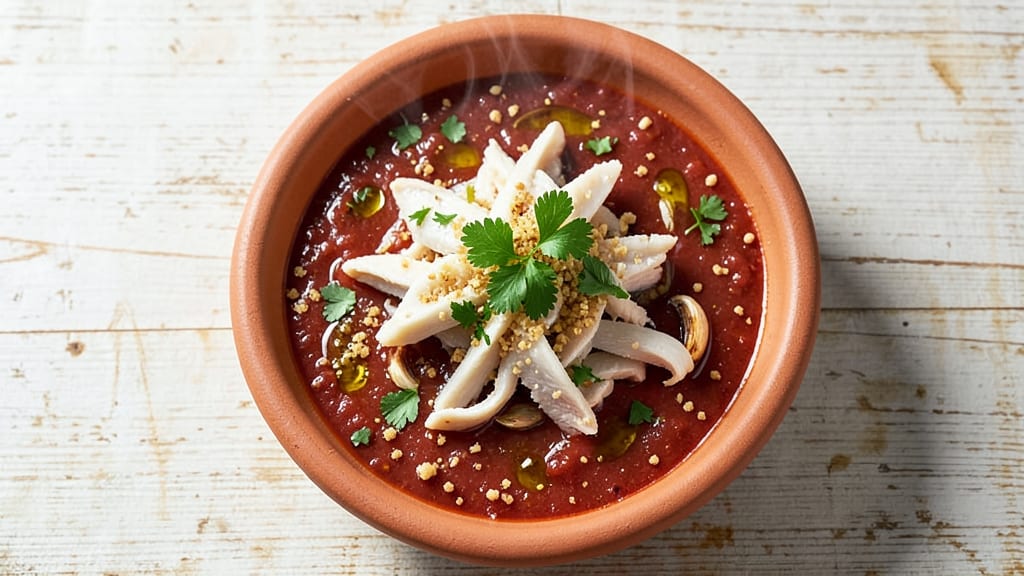
Baccala in tomato sauce transforms humble salt cod into a dish that carries the soul of Italian coastal cuisine—where the sea meets the sun in every tender bite. This traditional recipe requires patience, particularly for the essential desalting process, but the reward is a dish that balances rich tomato sauce with the delicate, buttery flavor of properly prepared cod. The slow simmer develops depth, while olive oil and fresh herbs brighten the final result.
The foundation of this recipe lies in two critical steps: properly desalting the baccala and balancing the acidity of the tomato sauce. Salt cod must soak for 24-48 hours to remove excess salt without drying out, while the sauce requires careful reduction to concentrate its flavors.
The result is a dish where the cod absorbs the sauce’s richness while maintaining its natural texture—neither too soft nor too chewy.
What you’ll achieve is a dish that’s equally at home on a rustic wooden table or a family-style platter. The sauce clings to flaky cod pieces, offering a harmony of sweet tomatoes, aromatic herbs, and the subtle saltiness that defines baccala.
Serve it with crusty bread to soak up every last drop or alongside roasted potatoes for a hearty meal.
This recipe is a celebration of Italian tradition, where simple ingredients—tomatoes, olive oil, and salt cod—come together through time and technique. The slow simmer transforms basic components into something deeply satisfying, proving that the best dishes often require the most patience.
Ingredients for baccala in tomato sauce
Salt cod, tomatoes, and olive oil—simple ingredients that transform into a dish rich with Italian coastal tradition.
| Ingredient | Amount | Notes |
|---|---|---|
| Salt Cod (Baccala) 🐟 | 1 lb | Desalted for 24-48 hours |
| San Marzano Tomatoes 🍅 | 2 cups | Crushed by hand or jarred |
| Extra-Virgin Olive Oil 🫒 | ½ cup | High-quality, fruity variety |
| Garlic Cloves 🧄 | 4 cloves | Minced for aromatic depth |
| Red Wine 🍷 | ½ cup | Dry, bold variety like Chianti |
| Fresh Parsley 🌿 | ¼ cup | Chopped, for brightness |
| Fresh Basil 🌿 | ⅛ cup | Torn, for final garnish |
| Onion 🧅 | 1 whole | Yellow, finely diced |
| Bay Leaves 🍃 | 2 whole | Fresh preferred |
| Salt 🧂 | 1 ½ tsp | Adjust to taste |
| Black Pepper 🌶️ | ½ tsp | Freshly cracked |
| Crusty Bread 🍞 | 1 loaf | For serving, optional |
| Red Pepper Flakes 🌶️ | ¼ tsp | Optional for heat |
The salt cod is the heart of this dish, and proper desalting is non-negotiable. Soak the baccala in cold water for 24-48 hours, changing the water every 8 hours to remove excess salt without drying it out. Italian specialty stores often carry pre-desalted cod, but if you're starting fresh, patience here ensures the perfect texture. The San Marzano tomatoes are essential—their natural sweetness balances the cod's subtle saltiness. If using canned tomatoes, crush them by hand to release their juices. For the olive oil, look for extra-virgin with a fruity aroma; it should be the star of this dish, not just a cooking medium.
No red wine? Substitute with dry white wine or additional tomato juice, though the depth of red wine is ideal. Fresh herbs can be swapped with dried at a one-third ratio, but fresh parsley and basil add that bright, sunlit quality that defines this dish. The onion and garlic form the aromatic base, so don't skip them—sauté them slowly until they're translucent to build flavor. If you're short on time, a pinch of garlic powder and onion powder works in a pinch, though fresh is always better. The bay leaves infuse subtle earthiness; if you're out, a dash of dried thyme will do, but fresh bay leaves are traditional.
Once cooked, the sauce clings beautifully to the cod, so portion it into shallow containers to reheat easily. The dish tastes even better the next day as flavors meld, so make extra for leftovers. Store in the fridge for 3-4 days or freeze for up to 3 months. For serving, tear the crusty bread into chunks—it soaks up the sauce like a dream. If you want to add a modern twist, a sprinkle of red pepper flakes on top adds a little heat without overpowering the delicate flavors.
Why You'll Love This Recipe
- One-Pot Magic: The baccala and tomatoes simmer together in the same pot—no extra dishes, no fuss. Just peel the garlic, slice the tomatoes, and let the wine and olive oil work their magic while you stir occasionally.
- Deep, Savory Love: That first bite? The salt cod, tender but still holding its shape, swimming in a sauce so rich it’s almost sinful. The San Marzano tomatoes melt into a velvety base, while the garlic and wine add layers I can’t stop thinking about.
- Weeknight to Weekend: Make it for a lazy Tuesday dinner or bring it to your next potluck—it’s just as welcome on a weeknight plate as it is at a holiday table. Honestly, I’ve served it to skeptical vegetarians, and they’ve come back for seconds.
- Budget-Friendly Feast: A small piece of baccala stretches into a full meal, and the tomatoes and wine elevate it without breaking the bank. Between us, this is the kind of dish that makes grocery day feel like a win—especially when leftovers taste just as good reheated.
Step-by-step instructions for slow-simmered salt cod with olive oil brightness
This method transforms salt cod into tender, flavorful bites with a rich tomato-olive oil sauce.
Prepare the Desalted Baccala
Rinse the 1 lb salt cod (baccala) thoroughly under cold water to remove any remaining salt crystals. Place it in a bowl and cover with cold water, changing the water every 4 hours for a total of 24-48 hours. This desalting process is critical—it ensures the fish absorbs the tomato sauce properly and doesn't taste overly salty.
After desalting, pat the cod dry with paper towels and cut it into 1-inch cubes. The texture should be firm but not rubbery. If any pieces still feel salty, rinse them again briefly before proceeding. This preparation step sets the foundation for the dish's balance of flavors.
Sauté Aromatics in Olive Oil
Heat the 0.5 cup extra-virgin olive oil in a large, heavy-bottomed pot over medium heat. Add the 1 whole finely diced onion and cook for 5-6 minutes until softened and translucent. This step builds the aromatic base of the sauce.
Add the 4 minced garlic cloves and cook for another 30 seconds until fragrant. Be careful not to let the garlic burn—it should smell sweet and pungent, not bitter. The olive oil will infuse with these flavors, creating depth for the tomato sauce.
Simmer the Tomato-Wine Base
Pour in the 2 cups crushed San Marzano tomatoes and 0.5 cup red wine, scraping up any browned bits from the bottom of the pot. Bring the mixture to a gentle simmer over medium-low heat and let it cook uncovered for 15-20 minutes. This allows the alcohol to evaporate and the tomatoes to break down into a rich sauce.
Add the 2 whole bay leaves, 1.5 tsp salt, and 0.5 tsp black pepper to the simmering sauce. Stir occasionally to prevent sticking. The sauce should reduce slightly, becoming thicker and more concentrated. This step develops the sauce's complexity and prepares it to absorb the cod's flavors.
Add the Baccala and Simmer Gently
Gently add the prepared cod cubes to the simmering sauce. Reduce the heat to low to maintain a gentle simmer. Cover the pot and cook for 25-30 minutes, stirring occasionally. The cod should become tender and absorb the flavors of the tomato-olive oil sauce.
Here's the key: the sauce should coat the cod pieces evenly without overcooking them. If the sauce reduces too quickly, add a splash of water or a little of the 0.5 cup reserved olive oil to maintain the right consistency. The cod is done when it flakes easily with a fork.
Finish with Herbs and Serve
Remove the pot from heat and stir in the 0.25 cup chopped fresh parsley and 0.125 cup torn fresh basil. Taste and adjust seasoning with additional salt or pepper if needed. The herbs add brightness and freshness to the rich tomato sauce.
Serve the baccala immediately, accompanied by slices of 1 loaf crusty bread and a sprinkle of 0.25 tsp red pepper flakes for those who enjoy a touch of heat. The bread helps soak up the delicious sauce, while the red pepper flakes add a subtle kick. This dish is best enjoyed fresh, when the cod is tender and the flavors are at their peak.
Pro Tips For Making Baccala In Tomato Sauce
- Soak the Baccala Twice: I learned this the hard way—skipping the second soak leaves bitter, salty chunks. First soak in cold water for 24 hours, then drain and soak again for 12 hours, changing the water halfway. The second soak breaks down the salt deeper, giving you that clean, melt-in-your-mouth texture.
- Simmer Tomatoes Low and Slow: After burning three batches of sauce, I finally figured out: San Marzano tomatoes need gentle heat. Bring them to a bare simmer (tiny bubbles, not rolling) for at least 45 minutes. High heat turns them mushy and dull—this is where the depth of flavor hides.
- Deglaze with Wine Early: Don’t wait until the garlic’s browned to add the red wine—pour it in right after the garlic hits the pan. The alcohol evaporates faster when the pan is hot, and you’ll get a richer, less harsh sauce. (Yes, even if you’re impatient like me.)
- Finish with a Knife’s Edge of Salt: Baccala’s already salty, but the sauce needs balance. Taste the finished dish and add just enough flaky salt to make the tomatoes sing—about ¼ teaspoon at a time. Too much kills the wine’s brightness; too little feels flat. Trust your tongue, not the recipe.
Health benefits of this dish
Rich Omega-3 Source
Baccala is a powerhouse of omega-3 fatty acids, essential for heart health and reducing inflammation. A 1-lb serving of properly desalted cod provides about 1,500mg of omega-3s, supporting cardiovascular function and brain health.
These healthy fats are especially beneficial when balanced with the antioxidant-rich tomato sauce, creating a nutrient-packed dish. 💪
Low-Calorie Protein
This dish delivers high-quality protein without excessive calories—about 30 grams per serving—making it ideal for those watching their intake. The lean nature of cod pairs perfectly with the fiber-rich tomato base, creating a satisfying meal that keeps you full while supporting muscle maintenance and repair.
Antioxidant-Rich Tomatoes
The San Marzano tomatoes used in this recipe are packed with lycopene, a potent antioxidant that protects cells from damage. Cooking tomatoes in olive oil actually increases lycopene absorption by up to 30%, making this sauce not just flavorful but also a health-boosting addition to your diet.
Mediterranean Diet Benefits
This dish embodies the principles of the Mediterranean diet, known for its heart-protective properties. The combination of olive oil, tomatoes, and fish creates a meal that supports long-term health, with studies showing reduced risks of chronic diseases when following this eating pattern.
The red wine used in the sauce also contains resveratrol, another beneficial antioxidant.
Vitamin B12 Boost
Cod is one of the best natural sources of vitamin B12, crucial for nerve function and red blood cell production.
A single serving of this dish provides nearly 100% of your daily B12 needs, making it especially valuable for vegetarians and vegans who may struggle to get enough of this essential vitamin. 🌟
Low in Mercury
Unlike larger fish, cod is naturally low in mercury, making it a safer choice for regular consumption. The slow-cooking method used here preserves the fish's natural benefits while enhancing its flavor, giving you a delicious meal that's also gentle on your system.
This makes it perfect for families, including pregnant women and children.
Nutrition facts
Frequently asked questions
How long should I desalt baccala before cooking?
Always desalt baccala for 24-48 hours, changing the water every 4-8 hours. This ensures the fish absorbs the tomato sauce properly without tasting overly salty. For quicker results, some use a 12-hour desalting method with multiple water changes, but 48 hours yields the best texture and flavor balance.
Can I substitute regular cod for baccala?
While you can use fresh cod, it won't have the same rich, salty depth that defines this dish. If substituting, look for salt cod or stockfish from specialty stores. Fresh cod will absorb the sauce faster but lacks the traditional flavor profile. For a compromise, marinate fresh cod in 1 tsp salt per pound for 1 hour before cooking.
What if my tomato sauce tastes too acidic?
Simmer the sauce uncovered for 10-15 extra minutes to reduce acidity naturally. Add a pinch of sugar (½ tsp) or a splash of ½ cup pasta water to dilute the acid. For a richer flavor, stir in 1 tbsp tomato paste to balance the brightness. Avoid adding more tomatoes—they'll make it thinner and more acidic.
How do I store leftovers?
Store in an airtight container in the fridge for 3-4 days or freeze for up to 3 months. Reheat gently on low heat with a splash of water or olive oil to restore moisture. The flavors actually improve overnight, making it perfect for meal prep. Never reheat from frozen—thaw in the fridge first.
What's the best way to serve this dish?
Pair with crusty bread or roasted potatoes to soak up the sauce. For a rustic touch, serve with white beans or a simple green salad**. The dish works equally well as a main course or light supper, especially with a glass of Chianti or sparkling water with lemon.