
Sauces & Condiments
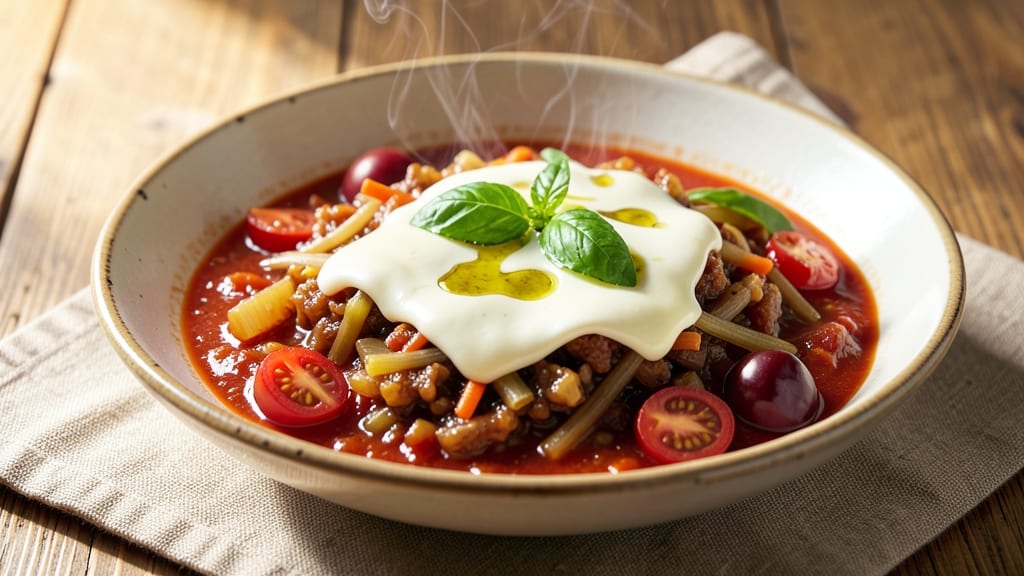
This awesome spaghetti sauce recipe transforms simple pantry staples into a rich, umami-packed masterpiece that clings to every strand of pasta. The secret lies in slow-simmering crushed tomatoes with aromatics until they break down into a velvety, deeply flavorful sauce—no shortcuts, just pure depth.
What starts as a basic tomato base evolves into something restaurant-worthy through patience and technique, making it perfect for meal prep or last-minute dinners.
The beauty of this sauce is its versatility—it works as a standalone pasta dish or as a flavorful base for meatballs, grilled chicken, or even as a pizza topping. The slow simmer develops complex flavors, caramelizing natural sugars while blending herbs and spices into every bite.
Unlike quick sauces, this one builds layers of taste that only time can achieve, ensuring every spoonful delivers that satisfying, comforting flavor you crave.
What sets this sauce apart is its balance: bright acidity from tomatoes, earthy depth from garlic and onions, and a touch of sweetness from caramelized sugar. The texture is smooth yet still retains just enough body to coat pasta beautifully, without being watery or overly thick.
It’s the kind of sauce that turns a simple plate of spaghetti into a hearty, flavorful meal that feels like a hug in a bowl.
Ready in about 90 minutes with minimal effort, this sauce keeps well in the fridge for up to a week, making it ideal for busy weeks.
Whether you’re feeding a family or meal prepping for the week, this recipe delivers restaurant-quality results with just a few ingredients and a little time. Let’s get cooking!
Ingredients for awesome spaghetti sauce
Simple pantry staples transform into restaurant-quality sauce through slow simmering and patience.
| Ingredient | Amount | Notes |
|---|---|---|
| Crushed Tomatoes (46 oz can) 🍅 | 1 can | San Marzano preferred for sweetness |
| Yellow Onion 🧅 | 1 whole | Diced, medium size |
| Garlic Cloves 🧄 | 6 cloves | Minced, fresh preferred |
| Carrots 🥕 | 2 whole | Diced, medium size |
| Celery Stalks 🥬 | 2 whole | Diced, fresh preferred |
| Extra-Virgin Olive Oil 🫒 | ½ cup | For sautéing aromatics |
| Dried Oregano 🌿 | 1 tbsp | Italian or Mediterranean blend |
| Dried Basil 🌿 | 1 tbsp | Or 0.25 cup fresh basil |
| Ground Black Pepper 🌶️ | ½ tsp | Freshly ground preferred |
| Salt 🧂 | 1 ½ tsp | Diamond Crystal kosher salt |
| Granulated Sugar 🍚 | 1 tbsp | Balances acidity |
| Red Wine (optional) 🍷 | ½ cup | Dry red like Cabernet |
| Tomato Paste 🍅 | 2 tbsp | High quality, no sugar added |
| Bay Leaves 🌿 | 2 whole | Remove before serving |
The tomatoes are the foundation—San Marzano if you can find it, but any quality crushed tomatoes work. Whole Foods or Trader Joe's carry great options in the canned aisle. The aromatics (onion, garlic, carrots, celery) are called the 'soffritto' for a reason—they build flavor through slow cooking. Don't skip the celery; it rounds out the sauce with subtle earthiness. For the olive oil, California extra-virgin brands like Corto or Bertolli have the right balance of fruitiness and heat resistance for sautéing. If you're short on time, frozen diced soffritto mixes work in a pinch, but fresh is always better.
No red wine? Dry white wine or extra tomato paste works just as well—both add acidity and depth. The sugar might seem odd, but it's essential to balance the acidity of the tomatoes and caramelize the flavors. Organic cane sugar is ideal, but brown sugar in a bind works too. Fresh basil is ideal, but dried works at one-third the amount—just make sure it's labeled 'Italian' or 'Mediterranean' for authentic flavor. The tomato paste can be a squeeze tube from Trader Joe's; it's convenient and lasts months. For the oregano, Penzeys or bulk bins at natural food stores offer the freshest, most flavorful options. If you're making a big batch, double the spices—it's worth the extra cost for that restaurant-quality taste.
This sauce tastes even better the next day as the flavors meld. Store in airtight containers in the fridge for up to 1 week or freeze for 6 months. For freezing, portion into 1-cup containers—perfect for meal prep. If the sauce thickens too much when refrigerated, just add a splash of water or pasta water when reheating. The bay leaves add subtle aroma but must be removed before serving. Make a double batch; you'll want leftovers for pizza, meatballs, or next week's pasta night.
Why You'll Love This Recipe
- One-Pot Magic: I swear by this sauce because it’s all in one pot—no chopping like a mad chef, just dice the onion, crush the garlic, and toss in the carrots and celery. That big can of crushed tomatoes does the heavy lifting while I stir, leaving me with a rich, chunky base that’s actually worth the effort.
- Deep Umami Bomb: Here’s what sold me—the slow simmer lets the garlic and carrots caramelize just enough to melt into the tomatoes. It’s not sweet, not sour, but that perfect savory depth that makes you want to lick the spoon. (Yes, even on a Tuesday night.)
- Leftovers That Win: This sauce tastes better the next day, which means I make a double batch and freeze half. Whether it’s a lazy Sunday lunch or a last-minute potluck dish, it’s my go-to for feeding a crowd without stressing.
- Pantry Staple Power: Between us, I’ve got this recipe nailed because it only uses stuff I always have: a big can of tomatoes, a few veggies, and basic spices. No specialty ingredients, no last-minute grocery runs—just reliable, crave-worthy flavor for under $5.
Step-by-step instructions for slow-simmered spaghetti sauce
Here's the method for developing rich umami and balanced acidity in your sauce.
Sauté the Aromatic Vegetables
Heat the 0.5 cup extra-virgin olive oil in a large, heavy-bottomed pot over medium heat. Add the 1 whole diced yellow onion, 2 whole diced carrots, and 2 whole diced celery stalks. Cook for 8-10 minutes, stirring occasionally, until the vegetables soften and the onion becomes translucent.
This foundational step builds flavor through caramelization. You'll notice the vegetables release moisture and begin to stick slightly to the bottom of the pot—that's exactly what you want. If the vegetables brown too quickly, reduce the heat to medium-low and continue cooking until tender.
Add Garlic and Tomato Paste
Stir in the 6 cloves minced garlic and cook for 30 seconds until fragrant—don't let it brown, or it will turn bitter. Immediately add the 2 tablespoons tomato paste and stir vigorously to coat the vegetables completely. Cook for 2 minutes until the paste darkens slightly.
The tomato paste here acts as a thickener and flavor enhancer. This step creates the base for your sauce's deep, concentrated flavor. If you're using the 0.5 cup red wine, pour it in now and let it simmer for 2 minutes to cook off the alcohol before proceeding.
Build the Sauce with Crushed Tomatoes
Pour in the 1 can crushed tomatoes, scraping the bottom of the pot to incorporate all the browned bits. Add the 1 tablespoon dried oregano, 1 tablespoon dried basil, 0.5 teaspoon ground black pepper, 1.5 teaspoons salt, and 1 tablespoon granulated sugar. Stir well to combine.
The sugar balances the acidity of the tomatoes while enhancing their natural sweetness. The herbs and spices distribute evenly now, ensuring consistent flavor throughout the sauce. Add the 2 whole bay leaves and bring the mixture to a gentle simmer.
Simmer for Deep Flavor Development
Reduce the heat to low and let the sauce simmer uncovered for 45-60 minutes. Stir occasionally to prevent sticking, and skim off any foam that rises to the surface. You're looking for a sauce that thickens noticeably and develops a rich, concentrated aroma.
This slow simmering is where the magic happens. The acidity mellows, the flavors meld, and the sauce transforms from a simple tomato mixture into a complex, layered dish. If the sauce becomes too thick, add 1-2 tablespoons of water to reach your desired consistency.
Finish and Adjust Seasoning
Remove the 2 whole bay leaves and taste the sauce. Adjust the seasoning if needed—add more salt if it tastes bland, or a pinch of sugar if it's too acidic. Let the sauce cool slightly before serving, or transfer it to a blender for a smoother texture if you prefer.
The sauce should be vibrant red with a glossy sheen, carrying the deep flavors of the vegetables and herbs. Serve immediately over al dente spaghetti, or store in an airtight container in the refrigerator for up to 5 days or freeze for 3 months. The flavors will continue to develop as it cools and rests.
Pro Tips For Making Awesome Spaghetti Sauce
- Sweat the Veggies First: I learned this the hard way—skipping the sweat step leaves your sauce tasting raw. Dice the onion, carrots, and celery into small, even pieces (about ¼-inch), then cook them in olive oil over medium heat for 8-10 minutes until the onions turn translucent and the carrots soften. This builds flavor that just doesn’t happen if you dump everything in raw.
- Crush Garlic, Don’t Mince: Sounds weird, but it works: smash 4-5 whole garlic cloves with the flat side of your knife before adding them to the pot. This releases more flavor without burning. Let them cook for just 30 seconds—any longer and they’ll turn bitter, ruining the sauce’s balance.
- Stir the Tomatoes Early: After adding the crushed tomatoes, give the pot a good stir right away. The thick bits at the bottom (yes, the ones you usually ignore) are where the deepest flavor hides. Let it simmer uncovered for 15 minutes before you even think about adding herbs or seasoning—this lets the acidity mellow out.
- Skip the Salt Rush: I used to dump in all the salt at the start, only to realize later the sauce needed more. Instead, taste after 20 minutes of simmering and adjust—tomatoes release salt as they cook. If you’re using a 46 oz can, start with 1 teaspoon and go from there. (Your future self will thank you.)
Essential equipment for awesome spaghetti sauce
Heavy-Bottomed Pot
You’ll need a large, heavy-bottomed pot—I recommend a 5-6 quart Dutch oven like the Lodge 5.5 Qt or All-Clad Stainless Steel. These pots distribute heat evenly and prevent scorching, which is critical when simmering sauce for 45-60 minutes.
A thin, flimsy pot will create hot spots, leading to uneven cooking and potential burning. If you don’t have a Dutch oven, a stainless steel saucepan with a thick base works too. 🔥
Wooden Spoon
A wooden spoon is essential for stirring and scraping the bottom of the pot. I use a 12-inch one from OXO Good Grips—it’s sturdy enough to handle the sauce’s thickness while being gentle on your pot.
Wood won’t react with acidic tomatoes like metal utensils can, and it helps prevent sticking. Avoid plastic spoons, as they can melt or warp during long simmering.
Immersion Blender
For a smooth sauce, an immersion blender is a game-changer. I love the Ninja BN601—it blends directly in the pot without transferring hot sauce to a blender. Pulse for 10-15 seconds if you want a velvety texture, but leave it chunky for rustic appeal.
If you don’t have one, a high-speed blender like the Vitamix works, but let the sauce cool slightly first to avoid splattering.
Fine-Mesh Strainer
A fine-mesh strainer helps remove bay leaves and any unwanted bits before serving. I keep a stainless steel strainer from OXO in my kitchen—it’s durable and easy to clean.
If you’re serving the sauce immediately, skip this step, but it’s worth it for meal prep or when you want a silky-smooth finish. For extra clarity, strain the sauce through a cheesecloth-lined sieve after blending.
Measuring Spoons
Precision matters with spices and liquids. Invest in a set of stainless steel measuring spoons—I use Weston Products—for accurate measurements of dried herbs, sugar, and tomato paste. A 1-tablespoon measure is especially useful for the oregano, basil, and sugar.
Avoid plastic spoons, as they can degrade over time and affect flavor. Keep them near your stove for easy access during cooking. ✨
Air-Tight Containers
For storage, airtight containers are a must. I use glass Pyrex containers with snap-on lids—they’re microwave-safe and preserve flavor better than plastic. For freezing, quart-sized freezer bags with zip-top seals work well, but leave 1-inch headspace to prevent expansion cracks.
Label containers with the date to track freshness—this sauce tastes even better after 24 hours of resting! ❄️
Nutrition facts
Frequently asked questions
Can I make this sauce in a slow cooker?
Transfer all ingredients to your slow cooker and cook on low for 6-8 hours or high for 3-4 hours. The long cook time actually enhances the flavors even more. Just stir occasionally and add water if it gets too thick. The texture will be slightly thicker than stovetop, but perfect for pasta or meatballs.
What makes this sauce different from jarred marinara?
This sauce builds depth through slow simmering with fresh aromatics (onion, garlic, carrots, celery) and a proper balance of acidity and sweetness. Jarred sauces often contain preservatives and lack the complex layers of flavor developed from the 45-60 minute simmer. The soffritto base and fresh herbs create a restaurant-quality taste you can't replicate from a jar.
How do I adjust the thickness for different uses?
For pasta, keep it at medium thickness (like heavy cream). For meatballs or lasagna, thicken it further by simmering uncovered until reduced. If too thick, add 1-2 tablespoons water or pasta water. If too thin, simmer uncovered for 10-15 more minutes to evaporate excess liquid. The sauce will thicken more as it cools.
Can I add meat to this sauce?
Yes! Brown 1 pound ground beef, Italian sausage, or pancetta first, then add all other ingredients. For chicken, use 1 cup shredded cooked chicken at the end. Never add raw meat directly to the tomatoes—it will make the sauce watery. Brown meat separately first for best results.
Why does my sauce taste bland after simmering?
Blandness usually means insufficient salt or acidity. Add ½ teaspoon more salt and ½ teaspoon sugar to balance flavors. If using canned tomatoes, try San Marzano for sweeter flavor. Also check if you skimmed off too much foam during simmering—those bubbles contain concentrated flavors! Taste as you go and adjust gradually.