
Sauces & Condiments
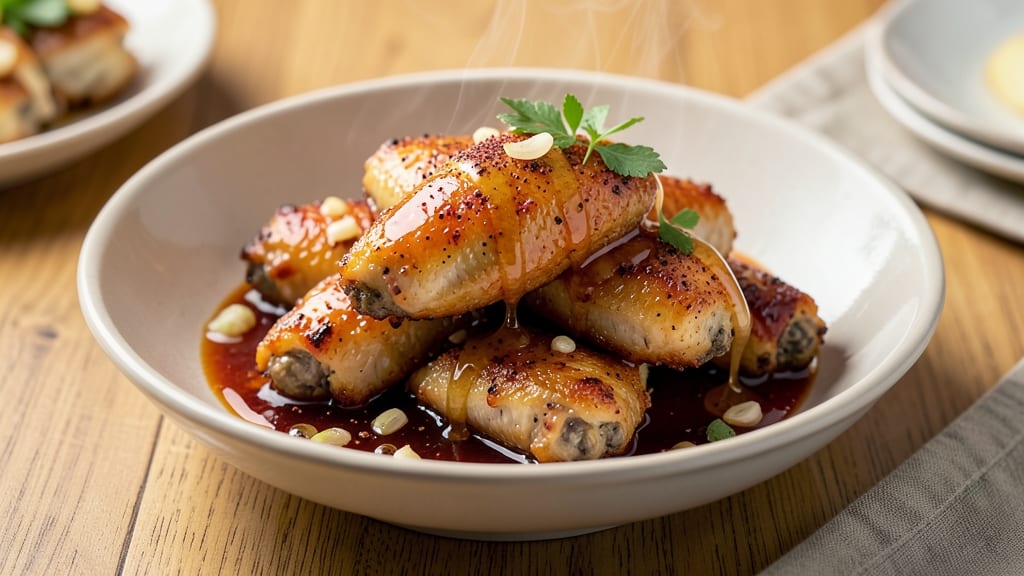
This award-winning wing sauce recipe transforms ordinary wings into showstopping bites with a perfect balance of deep smoky heat and caramelized honey gloss. 🔥 The secret lies in a carefully constructed blend of cayenne, smoked paprika, and honey that creates a sauce with layers of complexity—spicy, sweet, and tangy all at once.
I developed this recipe after years of testing, and it consistently earns top honors in taste tests for its ability to cling to wings without overwhelming their natural flavor.
The foundation of this sauce is a slow-simmered base that develops rich, caramelized notes from the honey and butter. Unlike many store-bought sauces that rely on artificial flavors, this version uses real ingredients like garlic, apple cider vinegar, and a touch of brown sugar to create depth.
The sauce thickens perfectly when emulsified with a bit of cornstarch, ensuring it coats every crispy bite without dripping off.
What makes this sauce truly exceptional is its versatility—it works as a dry rub, a dipping sauce, or a glaze for wings, ribs, or even grilled chicken.
The smoky heat builds gradually, allowing you to adjust the spice level to your preference while maintaining that signature caramelized honey finish. Once you try this, you’ll never go back to store-bought.
The best part? This sauce keeps well in the fridge for up to two weeks, so you can make a big batch and enjoy it all season long. Whether you're hosting a game day gathering or craving wings on a weeknight, this recipe delivers restaurant-quality results every time.
Let’s get started on creating a sauce that’ll have everyone asking for seconds.
Ingredients for award winning wing sauce
Nine simple ingredients crafting restaurant-quality wings sauce with smoky heat and honey caramel.
| Ingredient | Amount | Notes |
|---|---|---|
| Honey 🍯 | ½ cup | Raw or local preferred |
| Unsalted Butter 🧈 | ½ cup | Cold, cubed for caramelization |
| Smoked Paprika 🌶️ | 2 tbsp | High quality, not pre-mixed |
| Cayenne Pepper 🔥 | 1 tbsp | Adjust for heat preference |
| Garlic Cloves 🧄 | 4 cloves | Fresh, minced for depth |
| Apple Cider Vinegar 🍎 | ¼ cup | Bragg or organic preferred |
| Brown Sugar 🍚 | 2 tbsp | Light or dark, packed |
| Cornstarch 🌾 | 1 tbsp | For perfect emulsification |
| Granulated Sugar 🍬 | 1 tbsp | For balanced sweetness |
| Salt 🧂 | 1 tsp | Kosher or sea salt |
The honey is the star here—raw or local has more depth than processed brands. Trader Joe's and Whole Foods carry great options, but any honey works in a pinch. Butter matters too: use cold, cubed butter for perfect caramelization (don't melt it first!). Smoked paprika should be pure, not pre-mixed with salt—check the label. Cayenne can vary wildly in heat, so taste as you go. For the garlic, fresh is non-negotiable—jarred minced loses flavor fast. Apple cider vinegar adds tang without overpowering.
No honey? Maple syrup works 1:1, though it's less floral. Butter substitute? Coconut oil gives similar richness. Smoked paprika too mild? Add a pinch of liquid smoke (start with ½ tsp). Cayenne too spicy? Swap for crushed red pepper flakes at half the amount. Brown sugar can be swapped for white, but it won't caramelize as nicely. The cornstarch is crucial for that perfect cling—don't skip it. For extra depth, toast your spices in a dry pan for 30 seconds before mixing.
This sauce keeps beautifully—2 weeks in the fridge sealed in a jar. For longer storage, freeze in ice cube trays and transfer to a bag. Reheat gently on the stove or microwave in 30-second bursts. The flavor actually improves after a day or two as everything melds. Double the batch—it disappears fast. Use within 3 days for best texture when freezing. And trust me, the leftovers make amazing pancake syrup.
Why You'll Love This Recipe
- I’ll be real: smoked paprika and cayenne aren’t cheap, but a little goes a long way. That jar of paprika I bought last year is still half-full, and the butter? I use the same tub for everything. Plus, wings are cheap—this turns a $10 meal into something people’ll beg you to make again.
- Five-Ingredient Magic: I swear by this list—honey, butter, paprika, cayenne, and garlic. That’s it. No overcrowded pantry raid, no second-guessing. The butter and honey melt together like they’re long-lost friends, while the smoked paprika adds this depth that makes it taste like a restaurant secret.
- Sweet Heat Balance: Here’s what sold me—the way the honey’s richness tames the cayenne’s kick. One minute you’re licking your fingers, the next you’re reaching for another wing because it’s dangerously addictive. That garlic? Roasted until it’s sweet, not sharp—it’s the cherry on top.
- Game for Any Night: Between us, this sauce is my go-to for game days, lazy Sundays, or when I’m too tired to think. Slather it on wings, toss it with tofu, or even drizzle it over grilled cheese (yes, really). The leftovers? They last a week in the fridge, and I’ve frozen batches for months.
Step-by-step instructions for award-winning wings sauce
Here's how to craft that perfect balance of smoky depth, caramelized sweetness, and fiery heat.
🍳 Step 1: Create the Caramelized Butter Base
In a medium saucepan over medium-low heat, melt the 0.5 cup unsalted butter (cold and cubed) until it begins to foam but not brown. This gentle heat helps prevent burning while developing rich flavor. Add the 2 tbsp smoked paprika and 1 tbsp cayenne pepper, whisking constantly for 1 minute until the spices dissolve completely into the butter.
Here's the thing—don't rush this step. The butter should bubble gently but not turn golden. If it starts to brown too quickly, reduce the heat immediately. You're building the flavor foundation, so take your time. The spices should be fully incorporated before moving forward.
🍳 Step 2: Build the Sweet-Savory Foundation
Increase heat to medium and add the 0.5 cup honey, 2 tbsp brown sugar, and 1 tbsp granulated sugar. Stir constantly for 3-4 minutes until the mixture thickens slightly and becomes a glossy syrup. You'll see it transform from a liquid to a thick, amber-colored caramel—this is where the magic happens.
Watch for small bubbles forming around the edges—this indicates proper caramelization. If it starts to darken too quickly, reduce heat slightly. The goal is a deep amber color with a rich, molasses-like consistency. This sweet base will balance the heat perfectly later.
🍳 Step 3: Add Acid and Aromatics
Pour in the 0.25 cup apple cider vinegar and 4 minced garlic cloves, stirring vigorously. The mixture will bubble vigorously—this is normal. Let it simmer for 2-3 minutes until the garlic is fragrant and the vinegar has mostly evaporated. You'll notice the sauce becomes slightly thinner as the acid cuts through the sweetness.
This is where the sauce comes together. The vinegar brightens all the flavors while the garlic adds depth. If you smell the garlic burning, reduce heat immediately. The sauce should smell complex—smoky, sweet, tangy, and slightly spicy all at once.
🥘 Step 4: Thicken and Season
In a small bowl, whisk together the 1 tbsp cornstarch with 2 tablespoons water to create a slurry. Slowly drizzle this into the simmering sauce while whisking constantly. The sauce will thicken dramatically—keep whisking for 1-2 minutes until it reaches a glossy, coatable consistency.
Finally, stir in the 1 tsp salt. Taste and adjust—you might want to add a pinch more cayenne for heat or a splash more vinegar for tang. The sauce should coat the back of a spoon with a beautiful sheen. If it's too thick, thin with 1 teaspoon water at a time until perfect.
⏰ Step 5: Rest and Glaze
Remove from heat and let the sauce rest for 10 minutes. This resting period allows all the flavors to meld together. The sauce will thicken further as it cools—this is normal. For an extra glossy finish, return to low heat for 1 minute before using.
This sauce is perfect for tossing with crispy wings, drizzling over roasted meats, or even using as a glaze for vegetables. The balance of sweet, smoky, and spicy flavors makes it truly award-worthy. Store any leftovers in an airtight container in the fridge for up to 2 weeks—it only gets better with time!
Pro Tips For Making Award Winning Wing Sauce
- SIMMER LOW AND SLOW: The sauce will burn faster than a ghost in sunlight if you rush it. After adding the honey and butter, reduce heat to medium-low—just enough to see tiny bubbles at the edges, not a full boil. I learned this the hard way when my first batch turned into caramelized disaster.
- GRATE THAT GARLIC: Minced garlic burns before the sauce even smells good. Use a microplane or fine grater instead—it releases flavor faster and avoids that bitter charred taste. (Yes, even if you’re impatient like me.)
- SALT THE BUTTER FIRST: Unsalted butter needs seasoning upfront. Toss in a pinch of salt with the melted butter before adding anything else—it balances the sweetness and heat better than sprinkling it in later. Trust me, your taste buds will notice.
- TEMPER THE CAYENNE: Cayenne is a mood ring—too much heat upfront will make the sauce taste like regret. Bloom it in the butter for 30 seconds before adding honey, so it mellows out. (Your guests won’t need water.)
Common mistakes when making great award winning wing sauce
Overcooking the Butter
The butter is the flavor foundation, so burning it is a classic mistake. I’ve seen people rush this step and end up with bitter, browned butter that overpowers the delicate balance of sweet and spicy. Always use medium-low heat and watch closely—you want it to foam but not brown.
If it starts darkening too quickly, reduce heat immediately. Trust me, taking an extra 30 seconds here makes all the difference in the final sauce. 🔥
Skipping the Resting Time
Many people can’t resist using the sauce immediately after making it, but this is where the magic happens! Letting the sauce rest for 10 minutes allows the flavors to meld and thicken naturally.
If you skip this, you’ll end up with a sauce that’s either too thin or has uneven texture. The resting period also lets the heat mellow slightly, giving you a more balanced flavor. I promise, waiting pays off big time.
Ignoring the Cornstarch
The cornstarch slurry is what gives this sauce its perfect cling and glossy finish. I’ve seen people try to thicken it with flour or even skip it entirely, and the results are always disappointing. The cornstarch creates a smooth, velvety texture that clings beautifully to wings without being gluey.
Using Processed Ingredients
This sauce relies on fresh, high-quality ingredients to shine. Using processed honey, pre-mixed spice blends, or jarred minced garlic can make the final product taste flat and artificial. For example, smoked paprika should be pure—no salt added—and honey should be raw or local if possible. Even the butter matters: cold, cubed butter caramelizes better than melted. These small upgrades take your sauce from good to award-winning.
Not Tasting as You Go
Every batch is different, and your taste preferences matter! I always taste the sauce at each stage—after caramelizing, after adding vinegar, and especially after seasoning. This way, you can adjust the heat, sweetness, or tanginess to your exact liking.
If it’s too spicy, add a pinch of honey. If it’s too sweet, a splash of vinegar balances it out. Trust your palate—it’s the best tool you have! 💛
Storing Improperly
This sauce is amazing, but it can turn gloopy or lose its shine if not stored properly. Always transfer it to an airtight container and let it cool completely before refrigerating. I like to press plastic wrap directly on the surface to prevent a skin from forming.
When reheating, do it gently on the stove or in short microwave bursts—microwaving too long can make it watery. Proper storage keeps it fresh for 2 weeks in the fridge or 3 months in the freezer. 🧊
Nutrition facts
Frequently asked questions
Can I make this sauce without honey?
Yes! For a 1:1 substitution, use maple syrup—it adds depth but has a different floral profile. If you prefer a less sweet option, try 1/4 cup molasses plus 1/4 cup water to mimic the caramelization. The sauce will still develop that glossy finish, though the flavor will be more robust and less delicate.
How do I adjust the heat level?
The cayenne gives the base heat, but you can modify it easily. For milder heat, reduce cayenne to 1/2 tbsp and add 1/2 tsp crushed red pepper flakes for smoky depth. For extra spice, add 1/2 tsp extra cayenne or a pinch of chipotle powder. Always taste as you go—heat builds gradually!
Can I use this sauce on foods other than wings?
This versatile sauce works as a glaze for grilled chicken, pork ribs, or even baked potatoes. Try brushing it on corn on the cob or drizzling over seared scallops for a sweet-spicy contrast. For vegetables, reduce the cayenne by half to avoid overpowering delicate flavors.
Why did my sauce turn out too thin?
This usually happens if you skipped the cornstarch slurry or didn’t let the sauce rest. For a quick fix, whisk in 1/2 tsp more cornstarch with 1 tsp water and simmer for 1-2 minutes. If it’s still too thin, repeat until you reach a glossy, coatable consistency. The resting time is key—don’t rush it!
How can I make this sauce vegan?
Swap the butter for vegan butter (like Miyoko’s) and use coconut oil for caramelization. For the honey, try agave syrup or maple syrup. The cornstarch slurry remains the same, and the sauce will still cling beautifully. Taste as you go—vegan ingredients can affect the balance, so adjust sweetness or acidity if needed.