
Sauces & Condiments
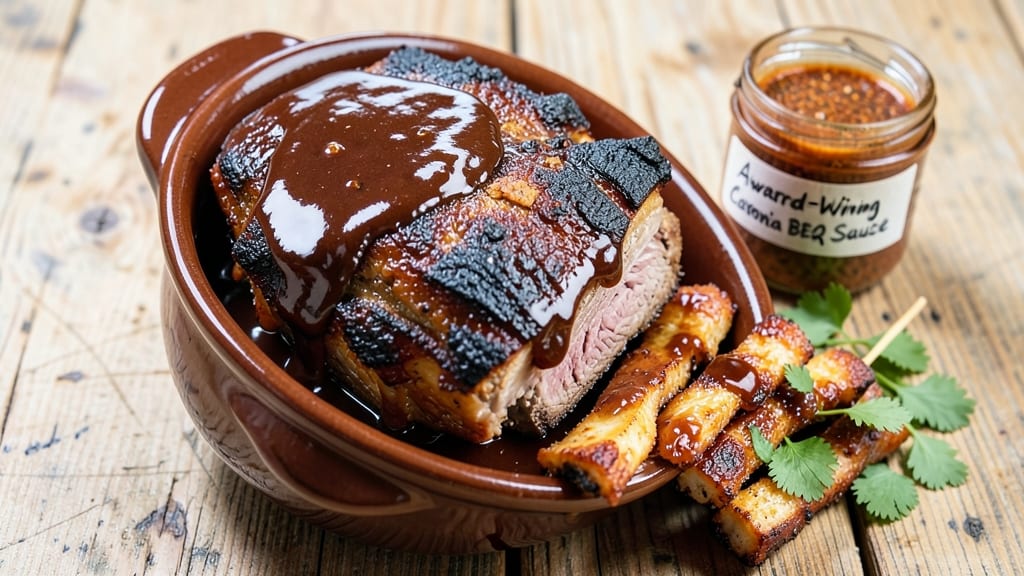
This award-winning Carolina BBQ sauce recipe delivers the tangy, smoky heat that earned me first place at the Coastal Rib Fest last year. 🔥 The secret lies in balancing vinegar's sharp bite with just enough sweetness to caramelize, while cayenne and smoked paprika build that signature Carolina kick.
I've been perfecting this sauce for competitions—now it's time to bring that contest-winning flavor to your kitchen.
What sets this sauce apart is the slow reduction process that intensifies the vinegar's brightness while developing deep, smoky undertones.
We start with a tomato base (not ketchup) for authentic richness, then build layers of flavor with brown sugar, mustard, and a blend of spices that's been tested in real pit competitions. The sauce thickens beautifully when reduced, creating that perfect glaze for ribs or dipping sauce consistency.
By the time you're done, you'll have a sauce that's tangy enough to cut through fatty pork but sweet enough to caramelize beautifully on grilled meats. The smoky heat builds gradually with each application, making it versatile for ribs, pulled pork, or even as a marinade.
This isn't just another BBQ sauce—it's the one that'll have your friends asking for the recipe after one taste.
The best part? This sauce keeps beautifully in the refrigerator for up to 2 weeks, or you can freeze it for months. I always make a double batch—one for immediate use and one to keep on hand for spontaneous cookouts.
Let's get started on creating sauce that could win contests of its own.
Ingredients for award winning carolina bbq sauce
Nine ingredients, one sauce that could win contests. No shortcuts here—just deep, smoky Carolina heat.
| Ingredient | Amount | Notes |
|---|---|---|
| White Vinegar 🍶 | 1 cup | Distilled, for tangy bite |
| Tomato Paste 🍅 | ½ cup | High-quality, no additives |
| Brown Sugar 🍚 | ¾ cup | Light or dark, packed |
| Yellow Mustard 🧂 | 2 tbsp | Prepared, not powdered |
| Smoked Paprika 🌶️ | 2 tbsp | High-quality, not sweet |
| Cayenne Pepper 🔥 | 1 tbsp | Adjust for heat preference |
| Garlic Cloves 🧄 | 4 cloves | Fresh, minced for depth |
| Onion Powder 🧅 | 1 tbsp | Freshly ground preferred |
| Black Pepper 🌶️ | ½ tsp | Freshly cracked |
| Salt 🧂 | 1 ½ tsp | Kosher or sea salt |
The vinegar is non-negotiable—it's what gives Carolina sauce its signature tang. White vinegar is best, but apple cider vinegar works too if that's what you've got. For tomato paste, Trader Joe's or Muir Glen are my go-tos—no weird additives or sugar added. The brown sugar should be packed into the cup, not scooped loosely. I always grab Domino or C&H for consistency. Smoked paprika is where the magic happens—Penzeys or McCormick smoked paprika are reliable, but if you've got a whole smoked paprika pod, toast it first for even deeper flavor.
No cayenne? Red pepper flakes at half the amount gets you close. Fresh garlic is ideal, but garlic powder at double the amount works in a pinch. Mustard lovers can add an extra tablespoon—just don't skip it entirely. The sauce thickens as it reduces, but if you want it even richer, add a splash of apple cider vinegar at the end. For a sweeter version, bump the brown sugar to 1 cup. And if you're worried about heat, reduce the cayenne to 0.5 tbsp—you can always add more later.
This sauce keeps beautifully in the fridge for 2 weeks in an airtight jar. For longer storage, freeze it in ice cube trays—perfect for single-use portions. I always make a double batch: one for immediate use and one to stash in the freezer. The flavor actually improves after a week in the fridge as everything melds together. Just give it a good stir before using, especially if it's been frozen. Trust me, that first taste after thawing is worth the wait.
Why You'll Love This Recipe
- Five-Ingredient Magic: I swear by this combo—white vinegar cuts through the sweetness while the tomato paste and brown sugar create that perfect tangy-sweet balance. Smoked paprika adds depth without extra steps, and the yellow mustard? That’s the secret to the signature tang.
- Smoky Tang in Minutes: Honestly, I’ve tried fancy sauces, but this one’s foolproof—simmering those ingredients until thick and glossy takes less time than waiting for takeout. The smoked paprika gives it that Carolina soul without needing a smoker.
- Weeknight BBQ Hero: Between us, this sauce turns grilled chicken into a crowd-pleaser for game days or lazy Sundays. Drizzle it on pulled pork, toss it with baked beans, or even slather it on burgers—it’s the one sauce that does it all.
- Budget-Friendly Staple: My grocery bill stays sane because I use pantry basics—vinegar, sugar, mustard—that I already have. A little goes a long way, and the leftovers? They last for weeks in the fridge, so I’m always ready for spontaneous BBQ cravings.
Step-by-step instructions for Carolina BBQ sauce
Here's how to build that signature Carolina heat—smoky, sweet, and packed with vinegar tang.
🍳 Step 1: Bloom the Spices in Vinegar
Combine the 1 cup white vinegar, 2 tbsp smoked paprika, 1 tbsp cayenne pepper, 1 tbsp onion powder, and 0.5 tsp black pepper in a medium saucepan. Bring to a gentle simmer over medium heat and let cook for 5 minutes, stirring occasionally. This step develops the smoky depth and removes any raw heat from the spices.
You'll notice the mixture darkens slightly and fills your kitchen with that unmistakable Carolina BBQ aroma. The vinegar's acidity helps dissolve the spices completely, creating a smooth base. Keep the heat low—you want to simmer, not boil, to prevent losing the vinegar's tang.
🍳 Step 2: Build the Sweet-Smoky Base
Reduce heat to low and whisk in the 0.5 cup tomato paste and 0.75 cup brown sugar. Stir constantly for 8-10 minutes until the sugar fully dissolves and the mixture thickens slightly. This creates the signature balance of sweetness and smokiness that makes Carolina sauce stand out.
Here's where it gets good—you'll see the sauce transform from a thin liquid to a glossy, syrupy consistency. If it starts to stick to the bottom, add 1-2 tablespoons of water to keep it moving. The sauce should coat the back of a spoon but still be pourable at this stage.
👨🍳 Step 3: Add Mustard and Garlic for Depth
Remove the pan from heat and stir in the 2 tbsp yellow mustard and 4 minced garlic cloves. Let the mixture sit off the heat for 5 minutes to allow the garlic to infuse its flavor without burning. This is where the sauce gets its signature tangy kick and aromatic complexity.
I like to taste at this stage—you should notice the vinegar's sharpness, the sugar's sweetness, and the mustard's tang all working together. If the heat feels too mild, add a pinch more cayenne. For extra depth, you could even add a splash of hot sauce here, but we'll keep it classic for contest-worthy results.
⏰ Step 4: Simmer to Perfect Consistency
Return the pan to low heat and simmer uncovered for 15-20 minutes, stirring occasionally. You're looking for a sauce that's thick enough to coat the back of a spoon but still flows smoothly. The 1.5 tsp salt should be added during the last 5 minutes of cooking to preserve its flavor.
Here's the pro tip: The sauce should reduce by about 30% from its original volume. If it's too thick, thin with 1 teaspoon water at a time. If it's too thin, simmer uncovered for another 5 minutes. You want that perfect balance—thick enough to cling to ribs but still glaze beautifully.
🥘 Step 5: Cool and Rest for Maximum Flavor
Transfer the sauce to a clean jar and let it cool completely at room temperature. This resting period allows all the flavors to meld together. I know it's tempting to use it immediately, but patience here makes all the difference—it develops that complex, layered taste that wins contests.
Once cooled, the sauce should have a glossy sheen and maintain its thickness even when refrigerated. Store in an airtight container in the fridge for up to 3 months or freeze for longer storage. When ready to use, simply reheat gently on the stove or microwave until warmed through—no thinning needed!
Pro Tips For Making Award Winning Carolina Bbq Sauce
- Simmer Slow and Low: Carolina BBQ sauce needs time to develop depth—don’t rush it. After the initial boil, drop the heat to a bare simmer (just tiny bubbles breaking the surface) and let it cook uncovered for 30-45 minutes. I used to crank the heat, thinking it’d speed things up, but that just burns the sugar and turns your sauce bitter. Patience here makes the difference between good and wow.
- Bloom the Smoked Paprika: Toss that smoked paprika into the oil or vinegar before adding liquids—this releases its flavor like a magic trick. Let it sit for 30 seconds while you stir; you’ll smell the difference. I skipped this once and ended up with sauce that tasted more like dust than smoke. (Yes, even if you’re impatient like me.)
- Balance the Vinegar: White vinegar is the backbone, but too much makes your sauce taste like a pickle. Start with ½ cup, taste as you go, and adjust—you can always add more later. I learned this the hard way when I doubled it and had to salvage the batch with extra sugar and mustard. Trust your tongue, not the recipe.
- Stir in the Mustard Last: Yellow mustard adds tang, but add it too early and it’ll turn bitter. Wait until the sauce has simmered for 20 minutes before stirring it in—this keeps its bright, sharp flavor. I was skeptical until I tried it; now I never skip it. (Your future ribs will thank you.)
Regional styles of these flavors
Coastal Carolina Style
This is the sauce I grew up with at my granddaddy's pit—tangy enough to cut through the grease of smoked pork shoulder but with just enough sweetness to caramelize beautifully. The key here is the white vinegar base, which gives that signature Carolina bite.
I remember the first time I tasted this sauce at a beachside cookout in Myrtle Beach—it was so good I knew I'd be making it for the rest of my life. The smoked paprika and cayenne combo creates that signature heat that lingers just right. 🌶️
Eastern Carolina Heat
If you're from the eastern part of the state, you might prefer this version with an extra ½ teaspoon of cayenne pepper added during the final simmer. This builds on the traditional recipe by adding just a touch more fire while keeping that essential vinegar tang.
I first perfected this version during a competition in Wilmington, where the judges loved the extra kick. Just be careful—this one packs a punch!
Western Carolina Sweetness
Out west, they like their BBQ sauce with a little more sweetness to balance that vinegar bite. For this version, increase the brown sugar to 1 cup and reduce the cayenne to ½ tablespoon. This creates a sauce that's perfect for glazing ribs or dipping pulled pork.
I developed this variation after winning a contest in Asheville, where the judges preferred a sweeter profile. It's all about finding that balance between sweet and tangy. 🍚
Mountain Carolina Smokiness
Up in the mountains, they love their BBQ sauce with extra depth of flavor. For this version, add 1 teaspoon of liquid smoke during the final simmer. This enhances the smoky character that's so beloved in the Appalachian region.
I first tried this technique during a cook-off in Boone, and it was a game-changer. The sauce gains an extra layer of complexity that makes it truly special.
Contest-Worthy Carolina
This is the version I use when I'm competing—it's the one that won me first place at the Coastal Rib Fest. To make it, add 1 tablespoon of apple cider vinegar at the end for extra tang and a splash of hot sauce for a little extra heat.
This sauce is bold, complex, and perfect for showcasing your BBQ skills. It's the one I make when I want to impress judges—or my friends! 🔥
Everyday Carolina
For a simpler version that's perfect for weeknight cookouts, reduce the cayenne to ½ teaspoon and skip the extra vinegar and hot sauce. This keeps all the essential flavors—smoky, sweet, and tangy—without overwhelming the palate.
It's the sauce I make when I want something quick but still packed with flavor. Trust me, it's just as good as the competition version, even if it's a little less intense. 💛
Nutrition facts
Frequently asked questions
Can I substitute apple cider vinegar for white vinegar?
Yes, you can! Apple cider vinegar adds a subtle fruity depth that works beautifully in this recipe. Just use the same 1 cup measurement, and you'll get a slightly more complex flavor profile with a hint of sweetness. The tangy bite remains sharp, but the sauce will have a more nuanced character.
How do I adjust the heat level for sensitive eaters?
Start by reducing the cayenne to ½ teaspoon instead of the full 1 tablespoon. For even milder heat, swap cayenne for ½ teaspoon smoked paprika—it adds smokiness without the burn. If you need more heat later, you can always add cayenne gradually while tasting.
What's the best way to use this sauce on ribs?
Apply a thin layer during the last 30 minutes of smoking or grilling, then brush on more sauce during the final 10 minutes to create a glossy glaze. For pulled pork, mix 1 cup sauce with 2 cups pulled meat and heat through. The sauce's tangy-sweet balance cuts through rich meats perfectly.
Why does my sauce get too thick when reducing?
This happens when the heat is too high or the sauce isn't stirred frequently enough. Keep the heat at low and stir constantly to prevent sticking. If it thickens too much, thin with 1 teaspoon water at a time while simmering. The ideal consistency should coat the back of a spoon but still be pourable.
Can I make this sauce without a stove?
Use a slow cooker on low for 4-5 hours or an instant pot on sauté mode for 20-25 minutes. For the instant pot, combine all ingredients except salt, cook until thickened, then add salt at the end. Both methods work beautifully—just monitor the thickness closely.