
Sauces & Condiments
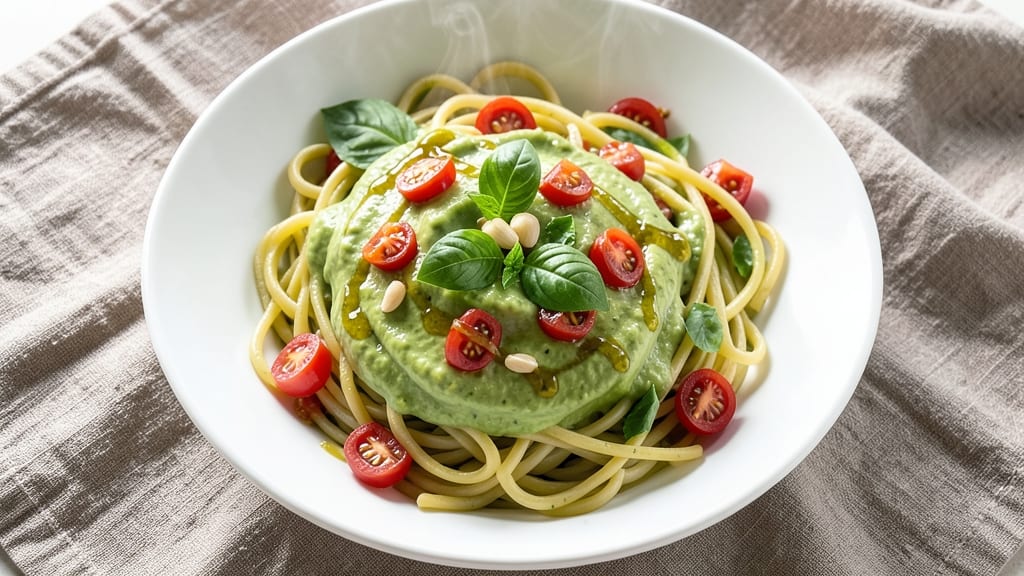
This avocado spaghetti sauce transforms ordinary pasta into a vibrant, creamy masterpiece without a blender—just a fork and a few simple ingredients. The secret lies in ripe avocados, which lend a velvety texture and rich, buttery depth while keeping the sauce naturally vegan.
I developed this recipe after craving something fresh, flavorful, and foolproof for a quick weeknight dinner, and it quickly became a pantry staple. What sets this sauce apart is its balance of chunky avocado and smooth tomato base, brightened with lemon juice and fresh herbs.
The garlic and olive oil infuse every bite with savory warmth, while a pinch of red pepper flakes adds just enough heat to elevate the flavors. Unlike traditional creamy sauces, this one stays fresh-tasting and doesn’t turn slimy—even after a day in the fridge. The best part?
This sauce isn’t just for pasta. Spread it on toast, drizzle it over grilled vegetables, or use it as a dip for crusty bread. It’s the kind of recipe that proves healthy eating can be indulgent, with no compromise on flavor or texture.
Ready in 15 minutes, it’s perfect for meal prep or last-minute dinners. For maximum freshness, serve it within two days, but the flavors actually deepen slightly over time. Store it in an airtight container, and you’ll have a restaurant-quality sauce ready whenever you need it. Let’s make it!
Ingredients for avocado spaghetti sauce
Fresh avocados and pantry staples create this vibrant, blender-free sauce that's rich and creamy.
| Ingredient | Amount | Notes |
|---|---|---|
| Ripe Avocados 🥑 | 2 whole | Pitted, flesh scooped |
| Canned Crushed Tomatoes 🍅 | 15 oz | San Marzano preferred |
| Extra-Virgin Olive Oil 🫒 | ¼ cup | For richness and flavor |
| Fresh Garlic Cloves 🧄 | 3 cloves | Minced finely for depth |
| Fresh Basil Leaves 🌿 | ½ cup | Chopped, stems removed |
| Lemon Juice 🍋 | 2 tbsp | Freshly squeezed |
| Red Pepper Flakes 🌶️ | ½ tsp | Adjust for heat preference |
| Sea Salt 🧂 | 1 tsp | Diamond Crystal preferred |
| Black Pepper 🌶️ | ¼ tsp | Freshly ground |
| Fresh Cilantro Leaves 🌱 | ¼ cup | Chopped, optional garnish |
The avocados are the heart of this sauce—ripe but firm is key. Hit them lightly with your palm to find a spot that gives slightly when pressed. Trader Joe's and Whole Foods usually have the best selection of ripe avocados, but any grocery store should carry them. The crushed tomatoes? San Marzano is ideal for its sweetness and low acidity, but any quality canned tomatoes will work. If you're using the canned variety, give it a quick stir before opening to redistribute the juices. The basil and cilantro should be bright green—wilting leaves mean less flavor, so grab fresh bunches if you can.
No ripe avocados? Substitute with 1/4 cup mashed ripe banana for creaminess, though it'll add sweetness. Short on fresh basil? Dried basil at 1/4 the amount works, but the flavor won't be as bright. The red pepper flakes can be swapped for a pinch of cayenne if you prefer a smoother heat. For a deeper flavor, toast the garlic cloves in the olive oil for 30 seconds before adding them to the sauce. The lemon juice is essential—it brightens the whole dish, so don't skip it. If you're sensitive to acidity, start with just 1 tbsp and adjust to taste.
This sauce keeps best in an airtight container in the fridge for 2 days, though it'll last up to 3 days if you press plastic wrap directly on the surface. For longer storage, portion into ice cube trays and freeze for up to 3 months. The avocado color may darken slightly over time, but the flavor actually improves as the ingredients meld. I like to make a double batch—one for immediate use and one to freeze for lazy days. The sauce thickens as it chills, so you can thin it with a splash of water or plant-based milk if needed.
Why You'll Love This Recipe
- I swear by this hack: just mash the avocado right into the pot with the tomatoes. No pulsing, no straining—just a fork and a little elbow grease. That’s how I get that perfect chunky texture without the extra cleanup.
- No Blender Needed: I swear by this hack: just mash the avocado right into the pot with the tomatoes. No pulsing, no straining—just a fork and a little elbow grease. That’s how I get that perfect chunky texture without the extra cleanup.
- Creamy Without Dairy: Between us, this sauce is ridiculously rich—thanks to the avocado blending into the tomatoes like a dream. The olive oil ties it all together with that bright, fruity depth, and the garlic? Oh, it sings. Honestly, I’ve had people ask if I used heavy cream.
- Lunch or Dinner: Make a big batch on Sunday, and you’ve got tomorrow’s lunch and tonight’s pasta. Slather it on toast with a sprinkle of flaky salt for a quick lunch, or toss it with spaghetti for a weeknight win. My college-aged son lives for the leftovers—he calls it "grown-up mac and cheese."
Step-by-step instructions for avocado spaghetti sauce
This method delivers creamy, vibrant sauce without blending—just chopping and simmering.
Prepare the Avocado Base
Cut the 2 whole ripe avocados in half lengthwise, remove the pits, and scoop the flesh directly into a medium bowl. Using a fork, mash the avocado until completely smooth—no lumps should remain. This texture is crucial for the sauce's silky consistency. Add the 0.25 cup extra-virgin olive oil and 2 tbsp lemon juice, then stir well to combine. The lemon juice prevents browning and brightens the flavor.
Next, fold in the 0.5 cup chopped fresh basil leaves and 0.25 cup chopped fresh cilantro leaves. These herbs will infuse the sauce with fresh, vibrant notes. Set the bowl aside while you prepare the remaining ingredients. The avocado mixture should look like a thick, green paste at this stage—this is your sauce foundation.
Sauté the Aromatics
Heat a medium saucepan over medium heat. Add the 0.25 cup extra-virgin olive oil (if not already used in the avocado mixture) and swirl to coat the pan. Add the 3 cloves minced fresh garlic cloves and cook for 30 seconds until fragrant—don't let them brown or they'll turn bitter. Immediately add the 15 oz canned crushed tomatoes, stirring to combine.
Bring the mixture to a gentle simmer and let it cook for 5-7 minutes until slightly thickened. The tomatoes should reduce just enough to concentrate their flavor without losing moisture. This step builds the sauce's depth and balances the avocado's richness. Keep the heat at medium-low to prevent burning.
Combine and Season
Reduce the heat to low and carefully pour the avocado mixture into the saucepan with the tomatoes. Stir gently but thoroughly to incorporate everything. The sauce will look like a thick, vibrant green—this is your visual cue that it's coming together. Add the 1 tsp sea salt, 0.25 tsp black pepper, and 0.5 tsp red pepper flakes, stirring well to distribute the seasonings evenly.
Let the sauce simmer for 3-5 minutes over low heat, stirring occasionally. This gentle cooking ensures the flavors meld without breaking down the avocado's texture. The sauce should coat the back of a spoon but remain smooth, not watery. If it thickens too much, add 1-2 tablespoons of water to reach your desired consistency.
Finish and Serve
Remove the saucepan from heat and let the sauce rest for 5 minutes. This resting period allows the flavors to fully develop and the sauce to reach its ideal temperature. Taste and adjust the seasoning if needed—add more salt, pepper, or red pepper flakes to suit your preference.
Serve the avocado spaghetti sauce immediately over cooked spaghetti, tossing well to coat each strand. The sauce should cling beautifully to the pasta, creating a creamy, vibrant dish with no blending required. Garnish with additional fresh basil or cilantro if desired, and enjoy while the flavors are at their peak.
Pro Tips For Making Avocado Spaghetti Sauce
- STEAM THE GARLIC: I learned this the hard way—crushing raw garlic into hot oil makes it bitter fast. Instead, add whole cloves to warm oil (not smoking) and let them steam for 30 seconds until just fragrant. Then crush them—this keeps the flavor sweet and mellow, not harsh.
- MASH AVOCADO LAST: Add the avocado when the sauce is off the heat. If you mix it in too early, the acid from tomatoes will turn it gray and mealy. Wait until everything’s simmered, then fold in the avocado and basil with a spoon—this keeps the texture creamy and vibrant.
- SALT THE TOMATOES: Open that crushed tomato can and give it a good stir, then add ½ teaspoon salt right away. Letting the tomatoes sit unsalted makes the sauce taste flat later. This step cuts through the canned taste and balances the richness of the avocado.
- USE COLD AVOCADO: Pick avocados that yield slightly when pressed, then refrigerate them for 30 minutes before mashing. Cold avocado blends smoother and doesn’t turn into a greasy sludge when mixed with warm sauce. Trust me, your sauce will thank you.
Make-ahead tips for this recipe
Prep Ahead Strategy
Make this sauce 24 hours in advance for deeper flavor development. Store it in an airtight glass container (like Le Parfait jars) in the fridge. The avocado color may darken slightly, but the taste improves as ingredients meld.
I like to double the batch—one portion for immediate use and one to freeze. 💪
Freezing Method
Portion the sauce into ice cube trays or small silicone molds before freezing. Once solid, transfer cubes to a ziplock freezer bag with all air removed. This prevents freezer burn and makes single-serving portions easy. Thaw overnight in the fridge before reheating—never microwave directly from frozen. 🥶
Reheating Secrets
For best texture, reheat in a saucepan over low heat with 1-2 tablespoons of water to restore creaminess. Avoid high heat—it breaks down the avocado's delicate texture. If using frozen cubes, add them directly to warm (not boiling) water for 2-3 minutes until thawed.
Stir in fresh herbs at the end to brighten flavors. 🔥
Day-Old Revival
If your sauce thickens too much after refrigeration, thin it with 1 tablespoon of warm water or unsweetened almond milk. For extra richness, stir in 1 teaspoon of olive oil or a spoonful of mashed avocado. The sauce should be smooth but still cling to pasta—never watery. 💫
Meal Prep Hack
Pair this sauce with pre-cooked pasta (like Barilla whole wheat) stored separately. Reheat pasta and sauce together for 2-3 minutes on the stove. This keeps the meal fresh-tasting while saving time. I store pasta in a separate container to prevent sogginess from sauce absorption. ✨
Long-Term Storage
This sauce keeps for up to 3 months in the freezer but tastes best within 2 months. For maximum freshness, label containers with the date. Avoid refreezing thawed portions—always use within 2 days of thawing. The texture holds up well, though flavor peaks within the first month. 📅
Nutrition facts
Frequently asked questions
Why does this sauce turn brown after refrigeration?
The avocado naturally oxidizes when exposed to air, causing that brownish tint. This doesn't affect flavor or safety—just add a splash of lemon juice when reheating to restore its vibrant green color. The darkening is normal and happens to all avocado-based dishes over time.
Can I make this sauce without fresh herbs?
Swap fresh basil for 1 teaspoon dried basil and omit cilantro if needed. For extra depth, add 1/2 teaspoon dried oregano along with the garlic. The sauce will still taste amazing, though the flavor will be slightly more muted than with fresh herbs.
What's the best pasta to pair with this sauce?
This vibrant sauce works beautifully with whole wheat spaghetti or brown rice linguine for extra texture. For a lighter option, try chickpea or lentil pasta—both complement the sauce's earthy, creamy profile perfectly. Avoid overly thick pastas like rigatoni, as they can overwhelm the delicate flavors.
How can I make this sauce spicier?
Double the red pepper flakes to 1 teaspoon for noticeable heat, or add 1/2 teaspoon cayenne pepper for a smoother burn. For a fruity kick, stir in 1/2 teaspoon of hot sauce or finely chopped jalapeño. Always taste first—you can adjust while cooking, but you can't remove excess spice!
Will this sauce work as a dip or sandwich spread?
Yes! This sauce makes an excellent dip for baked chips or crudités, and it spreads beautifully on toasted baguette slices. For sandwiches, thin it slightly with 1 tablespoon of water or plant-based mayo to improve spreadability. The herby, creamy texture pairs perfectly with grilled veggies or smoked fish.