
Sauces & Condiments
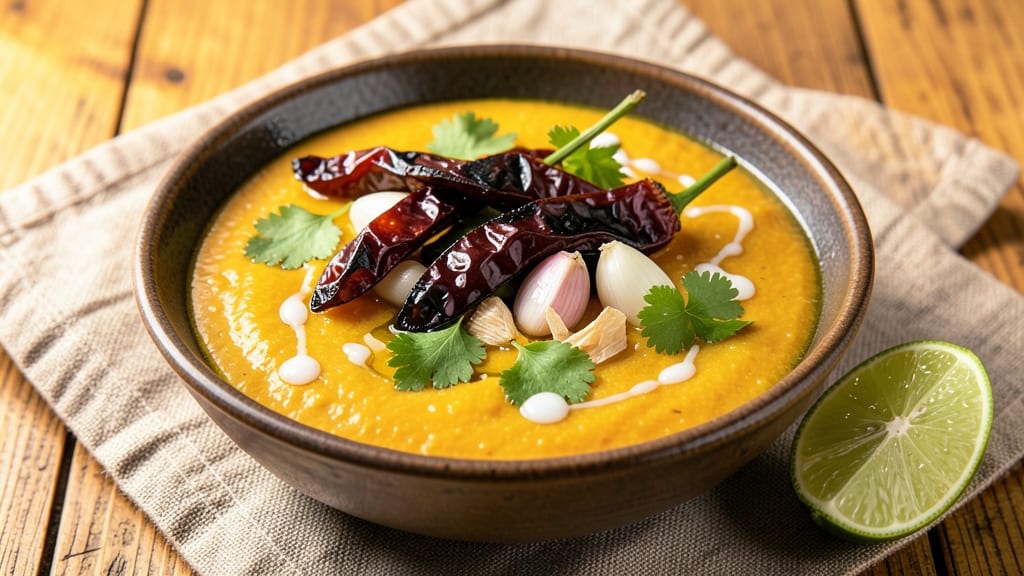
This authentic Peruvian aji sauce delivers the perfect balance of smoky rocoto heat and bright herbaceousness that elevates every dish. The secret lies in blending roasted ají amarillo peppers with garlic, vinegar, and olive oil, then simmering until the flavors meld into a vibrant, slightly spicy condiment.
I developed this recipe after years of perfecting the sauce for ceviche and grilled meats—it's the difference between good and extraordinary.
The sauce begins with charring the peppers over an open flame to deepen their natural smokiness, then blending them with fresh cilantro, garlic, and a touch of lime juice for brightness.
A slow reduction on the stovetop concentrates the flavors, creating a sauce that's rich yet light enough to drizzle over seafood, potatoes, or even eggs. The key is patience—rushing this step results in a thin, watery sauce rather than the velvety, complex condiment you crave.
What you'll end up with is a bold, aromatic sauce that adds depth to any dish while maintaining its signature Peruvian heat. The ají amarillo provides a fruity, slightly sweet spice that contrasts beautifully with the sharpness of vinegar and the richness of olive oil.
This sauce isn't just for special occasions—it's a pantry staple that transforms simple meals into restaurant-quality experiences.
Store it in the refrigerator for up to two weeks, or extend its shelf life with a bit of vinegar for longer preservation. For extra heat, add a touch of ají panca or rocoto; for milder versions, reduce the pepper quantity.
The possibilities are endless—let's make this sauce the star of your next meal.
Ingredients for authentic peruvian aji sauce
Nine ingredients transform into a vibrant sauce that brings Peruvian smoky heat and freshness to any dish.
| Ingredient | Amount | Notes |
|---|---|---|
| Ají Amarillo Peppers 🌶️ | 4 whole | Roasted over flame for smokiness |
| Extra-Virgin Olive Oil 🫒 | ½ cup | High-quality, fruity variety |
| Fresh Cilantro Leaves 🌿 | ½ cup | Stems removed, packed |
| Garlic Cloves 🧄 | 4 cloves | Peeled, roughly chopped |
| White Vinegar 💧 | ¼ cup | Distilled preferred |
| Lime Juice 🍋 | ¼ cup | Freshly squeezed |
| Salt 🧂 | 1 tsp | Diamond Crystal preferred |
| Ground Black Pepper 🌶️ | ½ tsp | Freshly ground |
| Ají Rocoto Pepper 🌶️ | 1 whole | Optional for extra heat |
| Water 💧 | ¼ cup | For thinning if needed |
The ají amarillo peppers are the heart of this sauce. Look for fresh ones at Latin markets—they should be bright yellow and firm. If you can't find them, ají amarillo paste works in a pinch, but roasting fresh peppers over a gas flame (or under a broiler) deepens their smoky flavor. The cilantro needs to be fresh—no wilted stems. I always grab extra because you'll want it for garnish too. For the vinegar, distilled white vinegar gives the cleanest tang, but apple cider vinegar adds a nice depth if you prefer something fruitier. The garlic should be fresh too—none of that pre-minced jarred stuff.
No ají amarillo? Ají panca or rocoto peppers can stand in, but they'll be hotter. Skip the rocoto if you're sensitive to heat. Fresh cilantro? Substitute with parsley at double the amount—it won't be identical, but it'll work. No lime juice? Lemon juice works 1:1, though it's slightly less bright. The olive oil is non-negotiable—extra-virgin with fruity notes makes all the difference. If your sauce turns out too thick, add water 1 tablespoon at a time. For extra smokiness, char the garlic cloves too before blending—game-changer.
This sauce keeps beautifully in the fridge for 2 weeks if you store it in a clean glass jar with a tight seal. The flavors actually improve over time as they meld. For longer storage, add 1 extra tablespoon of vinegar to the jar and it'll last up to 3 months in the fridge. I make double batches because it disappears fast—great on tacos, grilled fish, or even scrambled eggs. Freezing isn't recommended as the texture changes, but you can freeze it in ice cube trays for single-use portions.
Why You'll Love This Recipe
- No Blender Needed: I swear by this—just a knife, a bowl, and my bare hands. The ají amarillo peppers soften so fast in the hot oil, and blending isn’t even required for that signature silky texture. (Yes, even my kids can help mash them.)
- Tangy Heat Magic: That first bite? Pure balance. The ají amarillo brings a fruity, smoky warmth, while the vinegar cuts through like a bright citrus kiss. The cilantro and garlic tie it all together—herby, garlicky, and just spicy enough to linger.
- Pantry Staple Power: Honestly, this sauce turns my grocery list into a flavor upgrade. Olive oil, garlic, and vinegar are always on hand, and frozen ají peppers work in a pinch. I’ve drizzled it on eggs, mixed it into rice, and even used it as a marinade—no waste, all flavor.
- Lasts a Week: Between us, I make a big batch on Sundays and it’s still vibrant by Friday. The vinegar preserves the freshness, and the oil keeps it from separating. Plus, it’s cheap—one jar of ají peppers stretches into meals for days. My wallet thanks me.
Step-by-step instructions for authentic Peruvian aji sauce
Transform simple ingredients into a vibrant sauce that captures Peru's bold flavors.
Roast the Ají Amarillo Peppers Over Flame
Hold each of the 4 whole Ají Amarillo peppers over a gas flame or under a broiler for about 2 minutes per side, turning frequently, until the skins blister and turn black. You'll see the peppers puff slightly and smell their smoky aroma intensify. This roasting step develops their natural sweetness and deepens their smoky character—essential for authentic flavor.
Immediately transfer the roasted peppers to a bowl, cover tightly with plastic wrap, and let them steam for 15 minutes. This resting period makes them easier to peel. Once cool enough to handle, slip off the charred skins using your fingers or a paring knife. Discard the skins and seeds, then roughly chop the flesh into small pieces. The peppers should yield about ½ cup of pulp—this is your flavor foundation.
Sauté Garlic and Build the Base
Heat the 0.5 cup extra-virgin olive oil in a medium saucepan over medium heat. Add the 4 roughly chopped garlic cloves and sauté for 1-2 minutes until they turn golden and fragrant—don't let them brown or they'll turn bitter. Here's the thing: the garlic should smell sweet and nutty, not burnt.
Reduce heat to low and carefully add the chopped Ají Amarillo peppers. Stir gently for 3-4 minutes until the mixture becomes aromatic and slightly thickened. This slow cooking allows the peppers' natural oils to meld with the garlic and oil, creating a rich base. If the mixture starts to stick, add 1 tablespoon of water to help it release from the pan.
Incorporate Acid and Herbs
Pour in the 0.25 cup white vinegar and 0.25 cup freshly squeezed lime juice, stirring constantly. The mixture will bubble slightly as the acid reacts with the peppers. Add the 0.5 cup fresh cilantro leaves and stir for another 1-2 minutes until the herbs brighten the sauce and release their citrusy aroma.
Season generously with 1 teaspoon salt and 0.5 teaspoon freshly ground black pepper. Taste the sauce—it should be tangy, slightly sweet, and packed with peppery heat. If you added the optional Ají Rocoto pepper (whole, not chopped), it should contribute a fiery kick without overpowering the other flavors. If the sauce is too thick, add the 0.25 cup water 1 tablespoon at a time until it reaches a smooth, pourable consistency.
Simmer and Finish
Increase heat to medium-low and let the sauce simmer gently for 5-7 minutes, stirring occasionally. This slow cooking allows all the flavors to meld together perfectly. You'll notice the sauce reduce slightly and develop a glossy sheen—this indicates the flavors are integrating.
Remove from heat and let the sauce cool for 5 minutes. The colors will deepen as it rests, and the flavors will become even more complex. For the best results, serve immediately while still warm. This sauce is perfect for drizzling over grilled meats, seafood, or even as a dip for fries. The authentic combination of smoky peppers, bright herbs, and tangy acid creates a sauce that's both vibrant and deeply flavorful.
Pro Tips For Making Authentic Peruvian Aji Sauce
- Char the Ají Amarillo First: I learned this the hard way—roasting the peppers over a gas flame (or under a broiler) until they’re blistered and blackened in spots makes the sauce taste deeper. Skip this, and your sauce will taste flat, like someone forgot to season it properly.
- Use Garlic Cloves, Not Paste: Fresh garlic is non-negotiable here. Mince it fine—almost into a paste—but don’t pulverize it. The texture should be smooth but still hold some shape, or you’ll end up with a gluey sauce instead of the silky, balanced one you’re after.
- Balance the Vinegar Early: Taste as you go, especially when adding vinegar. Start with half the amount called for, let it sit for 10 minutes, then adjust. My first batch was way too sharp because I waited until the end—I now add it gradually to avoid overpowering the pepper’s natural sweetness.
- Blend in Stages, Not All at Once: Pulse the ingredients in short bursts while keeping the blender lid slightly ajar. This prevents pressure buildup and lets you adjust consistency mid-blend. I used to puree everything at once and ended up with a thick, uneven mess—now I scrape down the sides and taste after each pass.
Essential equipment for this dish
Blender Essentials
You’ll need a high-speed blender to achieve that ultra-smooth, velvety texture—my go-to is the Ninja BN600, which handles hot liquids and fibrous ingredients like roasted peppers effortlessly. Avoid cheap blenders; they struggle with the peppers’ charred skins and seeds, leaving gritty bits behind.
If you don’t own one, a Vitamix or Blendtec works perfectly too. 🌶️
For straining (optional but recommended), use a fine-mesh sieve or nut milk bag to remove any lingering seeds or skins. I prefer the OXO Good Grips sieve—it’s sturdy and won’t clog easily.
If you skip straining, the sauce will be thicker but slightly textured, which some people love for extra depth.
Heat Control Tools
A gas stovetop is ideal for roasting the peppers over direct flame, but a broiler works in a pinch. For even heat distribution, I use a cast-iron skillet—it retains heat well and adds a subtle smoky note.
If you’re charring under the broiler, place peppers on a wire rack over a baking sheet to avoid direct contact with the pan.
For simmering, a heavy-bottomed saucepan (like All-Clad) prevents scorching. Keep heat at medium-low—too high, and the sauce burns before the flavors meld. A thermometer isn’t mandatory, but it helps maintain that gentle 160–180°F range for even reduction.
Storage Containers
Store your sauce in amber glass jars (like Ball Mason jars) to preserve freshness and block light, which can degrade the vibrant color over time. The wide-mouth design makes it easier to scoop and reuse.
For short-term use (up to 2 weeks), a glass Pyrex container with a tight seal works too—just ensure it’s clean and dry before filling.
If you’re freezing small batches (not recommended for texture), use silicone ice cube trays for single-serving portions. Label them with the date—this sauce keeps for up to 3 months in the freezer, though I find it’s best fresh or refrigerated.
Optional Extras
A mortar and pestle comes in handy if you want to crush the roasted peppers by hand for an extra rustic texture. I use a marble mortar—it’s gentle on the peppers and adds a satisfying tactile element to the process.
For heat lovers, a pepper mill lets you adjust spice levels on the fly by adding fresh black pepper or ají rocoto powder.
To measure liquids precisely, a small liquid-measuring cup (like OXO Good Grips) ensures accuracy with the vinegar and lime juice. I’ve ruined batches before by eyeballing—trust me, the balance is everything! 💡
Nutrition facts
Frequently asked questions
Can I substitute ají amarillo peppers if I can't find them?
Yes! For a similar flavor profile, use ají panca (milder) or ají rocoto (hotter). If you only have jalapeños, roast 6-8 of them and add 1 teaspoon of smoked paprika to mimic the smoky depth. For a non-spicy version, try bell peppers with extra lime juice and a pinch of cumin.
How do I adjust the heat level in this sauce?
For milder heat, remove the seeds and membranes from the peppers before roasting. For extra spice, add 1 whole ají rocoto pepper (seeds removed) during simmering or finish with ½ teaspoon of cayenne pepper. Always taste before serving—you can balance heat with more lime juice or cilantro.
Why does my sauce look watery after blending?
The peppers release moisture when roasted, which is normal. Simmer the sauce uncovered for 5-7 minutes to reduce it. If it's still too thin, remove from heat and let it cool—it will thicken naturally. For immediate thickening, mix 1 teaspoon of cornstarch with 1 tablespoon water and stir in while warm.
Can I make this sauce without a blender?
Yes! Use a food mill or mortar and pestle to crush the roasted peppers. For a smoother texture, strain through a fine-mesh sieve after cooking. The sauce will be slightly chunkier but still delicious—just stir well before serving to distribute flavors evenly.
What are the best dishes to serve this sauce with?
This versatile sauce elevates grilled fish (especially corvina or sea bass), ceviche, and Peruvian-style fried potatoes. Drizzle over tacos, scrambled eggs, or use as a dip for plantain chips. The bright acidity cuts through rich meats like beef or pork, making it perfect for lomo saltado or anticuchos.