
Sauces & Condiments
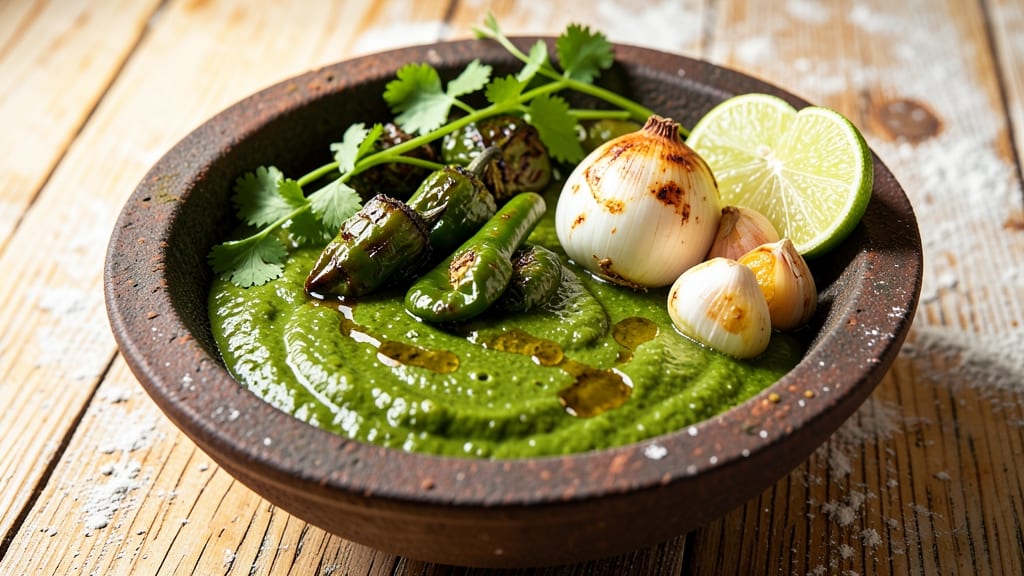
This authentic Mexican green hot sauce recipe delivers the perfect balance of tangy, smoky, and fiery heat that elevates tacos, grilled meats, and even eggs. Roasting the tomatillos and jalapeños unlocks deep, caramelized flavors that store-bought versions simply can't match.
The traditional technique of simmering the mixture ensures a smooth, vibrant sauce with just the right amount of spice—never overpowering, always addictive.
What sets this recipe apart is the fresh, bright acidity from lime juice and vinegar, which cuts through the richness of roasted peppers and garlic. Unlike quick-blend sauces, this method requires patience—roasting the vegetables first develops complex flavors that build layer upon layer of taste.
The result is a sauce that’s versatile enough for salsa verde but bold enough to stand alone as a condiment.
The process is straightforward: roast, blend, simmer, and strain for a smooth, restaurant-quality sauce that keeps for weeks in the fridge or can be preserved for months.
Whether you're serving it alongside grilled chicken, fish tacos, or even as a dip, this sauce will transform ordinary meals into something extraordinary. The key is balancing heat and tang, so you can adjust the jalapeños to your preference.
Once you try this authentic Mexican green hot sauce, you’ll never go back to bottled versions. The smoky depth, bright acidity, and perfect heat make it a staple in any kitchen. Ready to make it? Let’s get started with the ingredients—where freshness and tradition meet.
Ingredients for authentic mexican green hot sauce
Roasted vegetables and bright acids create this vibrant, restaurant-quality Mexican green hot sauce.
| Ingredient | Amount | Notes |
|---|---|---|
| Tomatillos 🍅 | 1 ½ lb | Husk removed, rinsed clean |
| Serrano Peppers 🌶️ | 6 whole | Seeds removed for milder heat |
| White Onion 🧅 | 1 whole | Quartered, skin on for roasting |
| Garlic Cloves 🧄 | 6 cloves | Peeled, left whole for roasting |
| Fresh Cilantro 🌿 | ½ cup | Stems included for maximum flavor |
| Fresh Lime Juice 🍋 | ½ cup | Freshly squeezed, strained |
| Apple Cider Vinegar 💧 | ¼ cup | For tangy brightness |
| Extra-Virgin Olive Oil 🫒 | ¼ cup | High-quality for richness |
| Salt 🧂 | 1 tsp | Diamond Crystal preferred |
| Ground Black Pepper 🌶️ | ½ tsp | Freshly ground for aroma |
The foundation lies in the roasted vegetables—tomatillos and serrano peppers—which develop deep, caramelized flavors when charred. Source tomatillos from the Latin market section of Whole Foods or H-E-B, where they're often sold in husks. For serrano peppers, seek out fresh, firm ones with vibrant green skin—La Tienda or Despaña markets carry excellent selections. The white onion and garlic should be fresh, with no signs of sprouting. Roast them until their edges blacken slightly for maximum flavor development. Fresh cilantro is non-negotiable here; the stems add subtle bitterness that balances the sauce's sweetness.
No tomatillos? Green tomatoes work in a pinch, though they'll alter the sauce's signature tang. Serrano peppers too spicy? Swap for jalapeños (remove seeds) or poblano peppers (peeled after roasting). Substitute white vinegar for apple cider vinegar, but reduce to 2 tablespoons to maintain balance. The olive oil should be extra-virgin—California-grown brands like Corto or Colavita provide the fruity notes that elevate this sauce. For extra depth, toast the garlic cloves in the same roasting pan as the vegetables, releasing their aromatic oils before blending.
This sauce peaks after 3-5 days of refrigeration as flavors meld, though it's ready to use immediately. Store in a sterilized glass jar with a tight seal, submerged in olive oil to preserve freshness for up to 3 months in the refrigerator. For longer storage, transfer to freezer-safe jars, leaving 1-inch headspace to prevent cracking. Reheat gently on the stove, stirring frequently, as it thickens when chilled. The sauce freezes beautifully, making it perfect for batch cooking—just thaw overnight in the fridge before using.
Why You'll Love This Recipe
- No Charred Mess: I roast the tomatillos and peppers whole—just toss them on a sheet pan for 15 minutes. No peeling, no dicing, no stress. The skin softens right on the peel, and you just squeeze them into the blender like a pro.
- Tangy Heat Balance: That first bite? Bright, grassy, and just sharp enough to make you reach for seconds. The serranos add a clean, lingering burn, but the tomatillos and onion keep it from being overpowering—like a hug from a spicy friend.
- Weeknight Magic: Drizzle it on tacos, stir it into scrambled eggs, or toss it with grilled chicken. It’s my go-to for turning simple meals into something that feels special. Even my picky husband asks for it now.
- Lasts All Week: Make a big batch—it keeps in the fridge for weeks. I freeze extras in ice cube trays for single-serving heat boosts later. Plus, tomatillos and onions are cheap staples, so you’re not breaking the bank for flavor.
Step-by-step instructions for authentic Mexican green hot sauce
Here's the professional method for crafting traditional green salsa verde with perfect balance and depth.
Roast the Base Vegetables for Smoky Depth
Preheat your oven to 400°F. On a rimmed baking sheet, arrange the 1.5 lb tomatillos (husks removed), 1 whole white onion (quartered, skin on), 6 whole serrano peppers (seeds removed), and 6 cloves garlic (peeled) in a single layer. The skin-on onion adds subtle sweetness and prevents burning.
Roast for 25-30 minutes until the tomatillos soften and develop golden spots, the onion caramelizes slightly, and the serranos blister. You'll smell an intense, earthy aroma—the foundation of authentic flavor. Stir the vegetables halfway through cooking to ensure even browning. The serranos should be charred in spots but not burnt, as this creates the smoky complexity that defines traditional Mexican hot sauce.
Blend the Roasted Vegetables with Fresh Ingredients
Transfer the roasted vegetables to a blender or food processor. Add the 0.5 cup fresh cilantro (stems included), 0.5 cup fresh lime juice (strained), 0.25 cup apple cider vinegar, 0.25 cup extra-virgin olive oil, 1 tsp salt, and 0.5 tsp ground black pepper. The lime juice and vinegar provide the signature tang that balances the heat.
Blend until completely smooth, scraping down the sides as needed. You want a velvety texture with no visible chunks. If the mixture is too thick, add 1-2 tablespoons of water at a time until it reaches a pourable consistency. The sauce should coat the back of a spoon with a glossy sheen—this indicates proper emulsification of the oil and acid components. Taste and adjust seasoning, adding more salt or lime juice if needed to achieve the perfect balance between heat, tang, and smokiness.
Rest and Strain for Maximum Flavor
Transfer the blended sauce to a clean glass jar or bowl and let it rest at room temperature for 30 minutes. This resting period allows the flavors to meld and the heat to develop fully. The acidity will mellow slightly, and the smoky notes will become more pronounced.
After resting, strain the sauce through a fine-mesh sieve into a clean container, pressing gently on the solids to extract maximum flavor. The strained version yields a smoother, more refined sauce, though you can choose to leave some texture if you prefer a rustic version. The strained sauce will have a vibrant green color with hints of golden caramelization from the roasted vegetables. This is your finished product—authentic, vibrant, and packed with layered flavors that define Mexican cuisine.
Pro Tips For Making Authentic Mexican Green Hot Sauce
- CHAR THE TOMATILLOS HARD: Char those tomatillos over an open flame or under a broiler until they’re blackened in spots—this isn’t just for show. The smoky depth from the char makes the sauce taste like it came from a street cart in Mexico City, not a recipe book. (Yes, even if you’re impatient like me.)
- REMOVE SERRANO SEEDS LAST: Don’t cut the serranos until you’ve toasted them—this keeps the heat balanced. Pop the seeds out after toasting, or you’ll lose flavor and end up with a sauce that’s either too mild or a fire hazard. (I learned this the hard way after crying through two batches.)
- BLADE THE ONION THIN: Slice the white onion paper-thin—no thick chunks, no chopping. When it cooks down, you want it to dissolve into the sauce, adding sweetness without texture. Thick slices turn to mush and make the sauce taste watery. (Your blender will thank you later.)
- SALT THE CILANTRO WATER: Before blending, sprinkle a pinch of salt into the cilantro stems and water—this pulls out more flavor and prevents a soapy taste. Skip this, and your sauce will taste like you used dish soap instead of fresh herbs. (I was skeptical until I tried it.)
Troubleshooting perfect results
Sauce Too Thin?
If your sauce ends up too watery after blending, don’t panic! Simmer the strained sauce in a small saucepan over medium-low heat for 10-15 minutes, stirring occasionally. The heat will evaporate excess moisture while concentrating flavors.
For extra thickness, stir in 1 tablespoon of cornstarch mixed with 1 tablespoon cold water—simmer for another 2 minutes until it reaches a glossy consistency. 💧
Heat Too Overpowering?
Adjust the heat level by controlling the peppers. For milder sauce, swap serrano peppers for jalapeños (remove seeds) or poblano peppers (peeled after roasting). If you’ve already blended the sauce, balance the heat by adding 1-2 extra tablespoons of lime juice or 1 teaspoon of honey to mellow the spice.
Taste as you go—authentic Mexican hot sauce should have a bright, tangy finish, not just raw heat.
Sauce Separating?
Separation happens when oil and water components split. To fix it, whisk in 1 tablespoon of Dijon mustard or 1 egg yolk (for a richer fix) while blending on low speed. For a quick fix, stir vigorously with a fork or immersion blender until emulsified.
To prevent separation next time, ensure your olive oil is extra-virgin (brands like Corto or Colavita work best) and add it gradually while blending.
Flavor Too Mild?
Boost depth by roasting the vegetables longer—aim for 30-35 minutes until edges blacken. For an extra kick, add 1 teaspoon of smoked paprika or ½ teaspoon of ground cumin to the blended mixture.
If the sauce tastes flat, a splash of apple cider vinegar (up to 1 extra tablespoon) or a pinch of ground coriander can elevate the brightness and complexity. 🌶️
Sauce Too Thick?
Thick sauce can happen if you over-reduce or under-strain. Thin it out by whisking in 1-2 tablespoons of water or lime juice at a time until it reaches a pourable consistency.
For a smoother texture, blend in 1 tablespoon of reserved strained liquid (if you saved any) to maintain balance. Avoid adding too much liquid at once—start small and adjust gradually.
Storage Issues?
If your sauce develops an off smell or mold after refrigeration, it’s time to toss it. To maximize shelf life, store in a sterilized glass jar submerged in olive oil (fill the jar to the top) to create an oxygen-free environment.
For longer storage, freeze in ice cube trays—thaw individual cubes as needed. Never refreeze thawed sauce, as it can degrade texture and flavor. ❄️
Nutrition facts
Frequently asked questions about authentic Mexican green hot sauce
Can I use jalapeños instead of serrano peppers?
Yes, but you'll need to adjust for milder heat. Use 8-10 jalapeños (seeds removed) instead of 6 serranos to match the sauce's spice level. Roast them longer (30-35 minutes) to develop deeper flavor. For extra tang, add 1 extra tablespoon of lime juice to compensate for the less intense heat.
How do I make this sauce spicier?
Boost the heat by adding 1-2 extra serrano peppers (seeds included) to the roasting pan. For a smoky kick, include ½ teaspoon of chipotle powder or 1 roasted chipotle pepper in adobo sauce when blending. Always taste before serving—authentic Mexican hot sauce should balance heat with tangy brightness.
Can I make this sauce without roasting?
Roasting is essential for authentic flavor, but you can speed it up with a grill or broiler. Arrange vegetables on a baking sheet and broil for 8-10 minutes until charred. For a quicker (but less flavorful) version, sauté chopped tomatillos and peppers in a skillet over medium-high heat for 5 minutes until softened.
What's the best way to store homemade hot sauce?
For short-term storage, keep in a sterilized glass jar in the fridge for up to 3 months. For longer preservation, freeze in ice cube trays or small jars (leave 1-inch headspace). Thaw overnight in the fridge—never microwave. The sauce's texture may thicken when chilled, so stir before using.
How can I use this sauce beyond tacos?
This versatile sauce elevates grilled meats, seafood, eggs, and even soups. Drizzle over fish tacos, enchiladas, or avocado toast. Use as a marinade for chicken or shrimp (mix with 2 tablespoons of olive oil). Stir into beans or rice for instant flavor. The bright acidity cuts through rich dishes beautifully.