
Sauces & Condiments
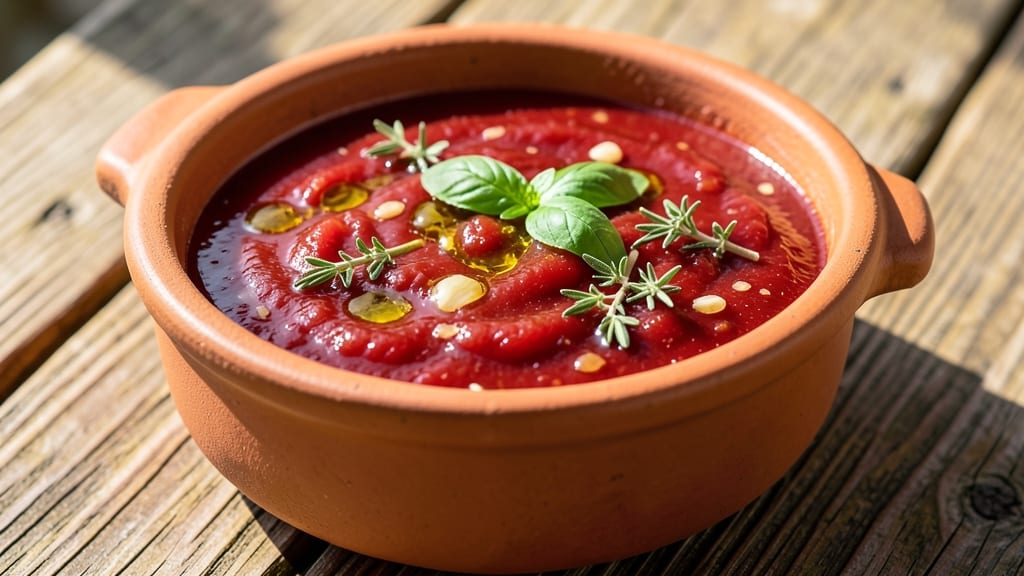
This authentic marinara sauce recipe from scratch delivers the rich, balanced flavor of Italy’s classic sugo—sweet San Marzano tomatoes, aromatic garlic, and fresh oregano working in harmony. The secret lies in slow simmering, which deepens the tomato flavor while allowing the garlic to infuse without bitterness.
I’ve perfected this version over years of testing, and it’s the one I reach for whenever I need restaurant-quality sauce without the shortcuts.
The foundation starts with high-quality canned tomatoes, preferably San Marzano, which provide natural sweetness and low acidity. A light sauté of garlic and onion builds the aromatic base, while a splash of red wine vinegar brightens the sauce.
The herbs—fresh oregano and basil—add that unmistakable Italian depth, but the real magic happens during the 30-minute simmer, where the flavors meld into a velvety, well-balanced sauce. No blender required; this version stays rustic and textured, just like Nonna’s.
What sets this marinara apart is its versatility—use it as a dipping sauce, toss it with fresh pasta, or let it simmer with meatballs. The sauce thickens naturally as it cooks, creating that perfect balance of body and brightness.
And because it’s made from scratch, you control the quality of every ingredient, from the tomatoes to the herbs. No artificial preservatives, no aftertaste—just pure, authentic flavor.
Once cooled, this marinara keeps beautifully in the refrigerator for up to 5 days or freezes for 3 months, making it perfect for batch cooking. The longer it sits, the more the flavors develop, so don’t be afraid to make a big pot.
Whether you’re serving it over spaghetti or using it as a base for other dishes, this is the marinara sauce you’ll turn to again and again.
Ingredients for authentic marinara sauce recipe from scratch
Sweet tomatoes, aromatic garlic, and fresh herbs—just eight ingredients for restaurant-quality marinara.
| Ingredient | Amount | Notes |
|---|---|---|
| San Marzano Tomato Cans 🍅 | 28 oz | Whole, peeled tomatoes (2 cans) |
| Extra-Virgin Olive Oil 🫒 | ½ cup | High quality, fruity |
| Yellow Onion 🧅 | 1 whole | Medium, finely chopped |
| Garlic Cloves 🧄 | 4 cloves | Peeled, minced |
| Fresh Oregano 🌿 | ¼ cup | Chopped, stems removed |
| Fresh Basil Leaves 🌿 | ¼ cup | Chopped, stems removed |
| Red Wine Vinegar 🍷 | 1 tbsp | For brightness |
| Sea Salt 🧂 | 1 tsp | Diamond Crystal preferred |
| Ground Black Pepper 🌶️ | ½ tsp | Freshly ground |
| Sugar 🍚 | 1 tsp | Balances acidity |
San Marzano tomatoes are non-negotiable here. Trader Joe's and Whole Foods carry them in cans, and they're worth the splurge—they're sweeter, less acidic, and have fewer seeds. If you can't find them, whole peeled tomatoes work in a pinch, but you'll lose that authentic sweetness. The garlic should be fresh, not jarred—the difference is night and day. I always grab extra because half gets tossed in the pot and half gets minced for other dishes. For the oregano, fresh is ideal (grab it from the produce section), but dried works at one-third the amount if that's all you've got.
No red wine vinegar? White wine vinegar or apple cider vinegar will do, but the color won't be as vibrant. Fresh herbs wilt fast, so store them in a jar with a little water in the fridge—they'll last about 5 days. If you're short on basil, parsley works at double the amount. The sugar might seem odd, but it balances the acidity beautifully—trust me on this one. And if you're making a big batch, double everything except the vinegar and sugar. The sauce thickens as it cooks, so don't worry about adding extra water unless you're making a huge pot.
This sauce tastes even better the next day—flavors meld overnight. Store it in an airtight container in the fridge for up to 5 days, or freeze for 3 months. I portion mine into ice cube trays for single servings—perfect for quick pasta nights. If you're freezing, let it cool completely first to avoid ice crystals. And if you're worried about it getting too thick, just add a splash of water or pasta water when reheating—it'll loosen right up.
Why You'll Love This Recipe
- No-Fuss Simplicity: I swear by this recipe because it’s the kind of sauce you can make while chatting with a friend on the phone—just sauté onions and garlic in olive oil until soft, crush a few tomatoes by hand, and let it simmer. No blenders, no fancy techniques, just pure, unhurried cooking.
- San Marzano Magic: Honestly, the difference between this and store-bought is night and day. Those plump, sweet San Marzano tomatoes dissolve into a velvety base, while the fresh oregano adds that bright, herby punch that makes you want to eat it straight from the pot. (Yes, I’ve done it.)
- Weeknight to Weekend: This sauce works for everything—drizzled over pasta, slathered on grilled chicken, or even as a dip for crusty bread. I keep a jar in the fridge for lazy Mondays and pull it out for Sunday dinners when the whole family’s around. It’s the kind of recipe that never lets you down.
- Budget-Friendly Staple: A single can of San Marzanos and a few pantry basics stretch into meals for days. I make double batches, freeze half, and still have leftovers that taste better the next day. Plus, olive oil and onions won’t break the bank—this is comfort food that’s easy on the wallet.
Step-by-step instructions for authentic from-scratch marinara sauce
Here's how to build a rich, balanced marinara that captures Italian tradition with every spoonful.
Sauté Onion Until Translucent
Heat the 0.5 cup extra-virgin olive oil in a heavy-bottomed saucepan over medium-low heat. Add the 1 whole yellow onion, finely chopped, and cook for 8-10 minutes until completely soft and translucent. I stir occasionally to prevent browning—this step develops the sauce's sweet foundation.
You'll know it's ready when the onion loses its raw bite and becomes nearly invisible in the oil. If it starts to color, reduce the heat slightly. This gentle cooking prevents bitterness that can overpower the tomatoes later. The onion should be tender enough to mash between your fingers when you test it.
Add Garlic and Cook Until Fragrant
Push the onions to one side of the pan and add the 4 cloves minced garlic to the empty space. Cook for 30-45 seconds until the garlic becomes golden and releases its aroma—this prevents burning, which would make the sauce bitter. Stir everything together for another 30 seconds to distribute the garlic flavor evenly.
Here's the thing—garlic burns in seconds. Watch it closely and remove the pan from heat if it starts to darken. The moment it turns golden is when it releases its full flavor without bitterness. This quick cooking time is crucial for authentic results.
Build the Sauce with Tomatoes and Vinegar
Add the 28 oz San Marzano tomato cans, crushed by hand for texture, along with the 1 tbsp red wine vinegar, 1 tsp sugar, 1 tsp sea salt, and 0.5 tsp ground black pepper. Bring to a gentle simmer over medium heat, then reduce to low heat. Let it cook uncovered for 20 minutes, stirring occasionally.
The vinegar brightens the tomatoes while the sugar balances their natural acidity. The sugar isn't about sweetness—it's about rounding out the sharpness of the tomatoes. After 20 minutes, the sauce should thicken noticeably and develop a rich, deep color. You'll see the liquid reduce and the flavors meld together.
Finish with Fresh Herbs
Remove the pan from heat and stir in the 0.25 cup chopped fresh oregano and 0.25 cup chopped fresh basil leaves. Let the sauce sit for 5 minutes to allow the herbs to infuse fully. Taste and adjust seasoning if needed—you might want to add a pinch more salt or a splash of water to reach your desired consistency.
Fresh herbs add the final layer of authenticity. I always add them at the end to preserve their bright flavors. The sauce should be vibrant, with a balance of sweetness from the tomatoes, acidity from the vinegar, and herbal depth from the oregano and basil. The texture should coat the back of a spoon but remain smooth and velvety.
Rest Before Serving
Transfer the sauce to a clean bowl and let it rest for 10 minutes before serving. This resting period allows the flavors to fully develop and the sauce to thicken slightly. Serve warm over pasta, with crusty bread, or as a topping for your favorite Italian dishes.
The resting time might seem counterintuitive, but it makes a difference. The sauce will continue to improve as it sits, with flavors becoming more harmonious. If you're making this ahead, it actually tastes better the next day as the ingredients meld even more.
Pro Tips For Making Authentic Marinara Sauce Recipe From Scratch
- Sweat the Onion First: I learned this the hard way—if you brown the onion before adding garlic, you’ll end up with bitter, charred bits that ruin the sauce. Instead, cook the onion in olive oil over medium-low heat until it’s translucent and just starting to soften (about 8-10 minutes), then add the garlic. The flavor will be sweeter and more balanced.
- Crush Those Tomatoes: Skip the blender—your sauce will taste better if you break up the San Marzano tomatoes by hand with a wooden spoon or your fingers. This keeps the natural texture and prevents the sauce from turning into a mushy paste. (Yes, even if you’re impatient like me.)
- Low and Slow After Boiling: Once the sauce comes to a boil, drop the heat to the lowest setting you can tolerate and let it simmer uncovered. I used to rush this step, and the sauce would turn out thin and watery. Give it at least 30-45 minutes—this is where the deep, rich flavor develops.
- Toast the Oregano Leaves: Resist the urge to chop the fresh oregano finely—toss the whole leaves into the sauce at the very end and let them infuse for just 5 minutes. This keeps the flavor bright and aromatic instead of bitter. (Your future self will thank you.)
Common mistakes when making perfect results
Overcooking the Onion
I’ve seen this happen more times than I can count—onions turning brown or even black in the pan before the garlic goes in. This is a flavor killer, adding bitterness that no amount of tomatoes can mask.
The key is patience: cook the 1 whole yellow onion over medium-low heat for 8-10 minutes until it’s soft and translucent, but never let it brown.
If you see it starting to color, immediately reduce the heat or remove the pan from the burner for 30 seconds to cool it down. Trust me, your sauce will thank you.
Burning the Garlic
Garlic is one of those ingredients where timing is everything. When you add the 4 cloves minced garlic, it should cook for just 30-45 seconds until it’s fragrant and golden. One second too long, and you’ll be left with bitter, burnt garlic that overpowers the entire sauce.
I like to push the onions to one side of the pan first—this creates a hot spot where the garlic can crisp quickly without sticking. If it starts to darken, remove the pan from heat immediately. The goal is aroma, not color.
Skipping the Simmer Time
Rushing the 20-minute simmer is a mistake I see all the time. This isn’t just about reducing the sauce—it’s about letting the tomatoes break down and develop depth. If you skip this step or walk away too soon, your sauce will taste flat and one-dimensional.
The longer it simmers, the more the natural sweetness of the San Marzano tomatoes comes forward, and the flavors meld together. I promise, 20 minutes is worth the wait.
Adding Herbs Too Early
Fresh herbs like oregano and basil are delicate, and adding them too soon can turn your sauce into a muddy, bitter mess. They should go in after the sauce has finished simmering, when you remove the pan from heat.
This ensures their bright, fresh flavors shine through instead of wilting into oblivion. Let them steep for 5 minutes off the heat—they’ll infuse just enough to elevate the sauce without overpowering it.
Ignoring the Resting Period
This is one of the biggest mistakes I see, even from experienced cooks. Letting the sauce rest for 10 minutes before serving allows the flavors to settle and the texture to thicken naturally. If you serve it immediately, it might taste thin or unbalanced.
I know it feels counterintuitive to wait, but trust the process—your sauce will thank you with a richer, more cohesive flavor profile. And if you’re making it ahead, it only gets better the next day.
Using Low-Quality Tomatoes
This isn’t just a suggestion—it’s a dealbreaker. If you’re using anything other than San Marzano tomatoes, you’re starting from a flavor disadvantage. Their natural sweetness and low acidity are what make this sauce sing. I get it, they’re pricier, but the difference is night and day.
If you’re on a budget, whole peeled tomatoes are a decent alternative, but they won’t have the same depth. Don’t skimp here—your sauce deserves the best.
Nutrition facts
Frequently asked questions
Can I make this marinara sauce without fresh herbs? If you don't have fresh oregano or basil, use 1 teaspoon dried oregano and 1 teaspoon dried basil instead. The flavor will be slightly less vibrant, but still delicious. For extra depth, add a pinch of red pepper flakes or a bay leaf during the simmer. Just
How do I adjust the thickness of the sauce?
If your sauce is too thick after simmering, stir in 1-2 tablespoons of water or pasta water while it's still warm. For a thicker sauce, let it simmer uncovered for an extra 5-10 minutes or mash some of the tomatoes by hand before adding them to the pan. The sauce will naturally thicken as it cools.
Can I make this sauce in a slow cooker?
Yes! Follow the same steps for sautéing the onion and garlic, then transfer everything to your slow cooker. Cook on low for 4-5 hours or high for 2-3 hours, stirring occasionally. The slow cooking enhances the flavors even more. Just add the fresh herbs at the very end and let them steep for 5 minutes off heat.
What's the best way to store leftover marinara?
Let the sauce cool completely, then transfer to an airtight container. It keeps in the refrigerator for up to 5 days and freezes beautifully for 3 months. For freezing, portion into ice cube trays or small containers for easy use. Thaw overnight in the fridge and reheat gently on the stove with a splash of water to restore texture.
Why does my homemade marinara taste different from store-bought?
Homemade marinara has fresh, complex flavors that store-bought versions can't match! The slow simmering and fresh herbs create depth you won't find in jarred sauces. Store-bought often contains preservatives and artificial flavors, while this recipe uses real ingredients that develop richer, more nuanced taste. The sugar balances acidity naturally, and the olive oil adds richness that processed sauces lack.