
Sauces & Condiments
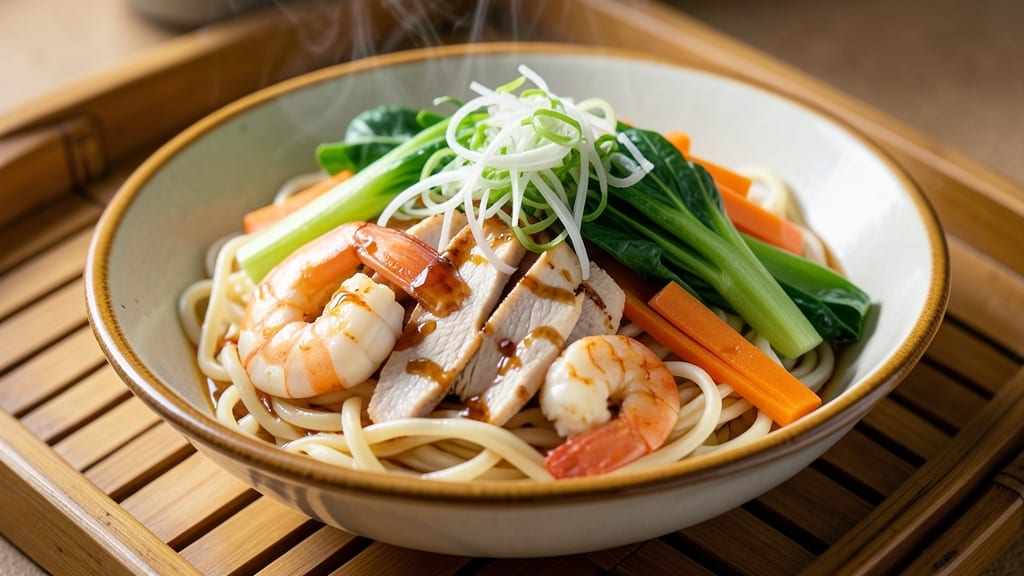
This authentic lo mein recipe with oyster sauce delivers the restaurant-quality wok-fried noodles you crave, with silky sauce and chewy strands that stick together perfectly. I spent years perfecting the balance of tender ingredients, caramelized aromatics, and that signature umami-rich oyster sauce—no shortcuts here.
The secret lies in high-heat stir-frying and a sauce that's both glossy and deeply flavorful, not just sweet or salty.
The key to authentic lo mein is the technique: fresh egg noodles cooked just until al dente, then tossed with protein (shrimp, chicken, or tofu) and vegetables in a screaming-hot wok.
The oyster sauce isn't just a glaze—it's the heart of the dish, built with soy sauce, sesame oil, and a touch of sugar for depth. We'll build the sauce from scratch to avoid the thin, overly sweet versions you find in many recipes.
What you'll end up with is a dish that looks and tastes exactly like your favorite Chinese restaurant takeout—golden-brown edges on the noodles, perfectly tender protein, and a sauce that coats every strand without being cloying.
The aroma alone will have everyone gathering around the table, and the first bite delivers that perfect harmony of textures and flavors.
This recipe scales beautifully for crowds or leftovers, and the sauce can be made ahead for even more convenience. Let's create lo mein that rivals your go-to takeout spot, with techniques you can master at home.
Ingredients for authentic lo mein recipe with oyster sauce
Restaurant-quality wok-fried noodles start with these fresh ingredients and bold flavors.
| Ingredient | Amount | Notes |
|---|---|---|
| Fresh Egg Noodles 🍜 | 8 oz | Dried or fresh, al dente texture |
| Large Shrimp 🦐 | 1 lb | Peeled, deveined, tails on |
| Boneless Chicken Breast 🍗 | 1 lb | Thinly sliced, 1/4-inch thick |
| Baby Bok Choy 🥬 | 4 whole | Quartered, stems separated |
| Carrots 🥕 | 2 medium | Julienned, 1/4-inch thick |
| Green Onions 🧅 | 4 whole | White and green parts separated |
| Oyster Sauce 🍶 | ½ cup | High-quality, not sweetened |
| Light Soy Sauce 🥄 | ¼ cup | Low sodium preferred |
| Sesame Oil 🫒 | 1 tbsp | Toasted, for aroma |
| Granulated Sugar 🍚 | 1 tbsp | For sauce balance |
| Garlic Cloves 🧄 | 6 cloves | Minced, fresh preferred |
| Fresh Ginger 🌿 | 1 inch | Thinly sliced, peeled |
| Vegetable Oil 🫒 | ½ cup | High smoke point |
| Sesame Seeds 🌾 | 1 tbsp | Toasted, for garnish |
| Salt 🧂 | 1 tsp | Kosher or sea salt |
The shrimp and chicken are non-negotiable for that authentic takeout texture. Look for wild-caught shrimp at Whole Foods or your fishmonger—they hold up best to high heat. Chicken breast should be pounded thin (1/4-inch) so it cooks fast and stays tender. Bok choy and carrots add crunch, but don't overcook them—al dente is key. For the oyster sauce, Lee Kum Kee is my go-to, but any brand with minimal additives works. The secret? High-quality oyster sauce makes all the difference—it's the umami heart of this dish.
No shrimp? Extra chicken or firm tofu works perfectly. Substitute bok choy with napa cabbage or spinach if needed. The sauce can be made ahead—just reheat gently. If your sesame oil smells off, toss it—it's supposed to smell nutty, not stale. The garlic and ginger should be freshly minced (pre-minced loses flavor fast). For extra depth, add a splash of Shaoxing wine to the sauce. The noodles? Fresh egg noodles are ideal, but dried works too—just cook them al dente.
This dish reheats beautifully—keep leftovers covered so they don't dry out. Store sauce separately if making ahead. The noodles taste even better the next day as flavors meld. Portion into containers for easy lunches. Garnish with toasted sesame seeds right before serving—they add crunch and aroma. Freezes well for 2 months, but texture changes slightly after thawing.
Why You'll Love This Recipe
- Noodle Magic in Minutes: I swear by this recipe—fresh egg noodles hit boiling water for 2 minutes, shrimp and chicken cook in the same pan while you prep veggies. No waiting, no fuss, just toss everything together and serve. That’s actual convenience.
- Umami Bomb Combo: The oyster sauce isn’t just flavor—it’s the star. Shrimp turns tender with a glossy sheen, chicken stays juicy, and bok choy wilts into crisp-tender perfection. Honestly, the first bite makes you question why you ever bought takeout.
- Weeknight Workhorse: This feeds four but scales easily—double the shrimp for a crowd, halve the chicken for two. Packs perfectly for lunch or reheats like a dream. (Yes, even on a Tuesday night when you’re exhausted.)
- Budget-Friendly Feast: Carrots and bok choy stretch the protein, oyster sauce adds depth without breaking the bank, and leftovers taste just as good cold. My wallet and my family thank me every time.
Step-by-step instructions for authentic lo mein with oyster sauce
Here's how to make restaurant-quality lo mein with a silky oyster sauce that clings perfectly to the noodles.
Prepare the Protein and Vegetables
Start by slicing the 1 lb boneless chicken breast into thin strips about ¼-inch thick—this ensures even cooking. Pat the 1 lb large shrimp dry with paper towels and set aside. For the vegetables, quarter the 4 whole baby bok choy and separate the stems from the leaves. Julienne the 2 medium carrots into ¼-inch thick matchsticks. Slice the 4 whole green onions, separating the white and green parts.
Mince the 6 cloves garlic and thinly slice the 1-inch fresh ginger. Keep all your prepped ingredients in separate bowls so they stay fresh until you're ready to cook. This prep work is key to achieving that authentic restaurant-style presentation.
Cook the Chicken and Shrimp
Heat 0.5 cup vegetable oil in a wok or large skillet over high heat until shimmering. Add the chicken strips and stir-fry for 2-3 minutes until just cooked through but still slightly pink in the center. Remove the chicken and set it aside. In the same wok, add a bit more oil if needed, then add the shrimp and cook for 1-2 minutes per side until they turn pink and opaque. Remove the shrimp and set aside with the chicken.
Here's the thing—don't overcook the proteins. You want them tender but still with a slight bite. If the shrimp starts to curl up, it's done. Keep the wok hot for the next steps.
Stir-Fry the Vegetables
In the same wok, add a bit more oil if needed, then add the white parts of the green onions, minced garlic, and ginger. Stir-fry for 30 seconds until fragrant. Add the carrot matchsticks and bok choy stems, cooking for 2 minutes until the carrots start to soften. Push the vegetables to one side of the wok and add the bok choy leaves, cooking for another 1-2 minutes until just wilted. Remove the vegetables and set aside with the proteins.
This step is all about timing. The vegetables should retain a bit of crunch, so don't overcook them. You'll be adding them back in later, so keep them separate for now.
Make the Sauce
Reduce the heat to medium and add 1 tbsp sesame oil, 1 tbsp granulated sugar, 0.5 cup oyster sauce, and 0.25 cup light soy sauce to the wok. Stir well to combine and let it simmer for 1-2 minutes until the sauce starts to thicken slightly. This is where the magic happens—the sauce should coat the back of a spoon but still be silky.
Here's a pro tip: If the sauce looks too thick, add a splash of hot water to loosen it. You want it to be glossy and just thick enough to cling to the noodles without being gluey.
Cook the Noodles and Combine
Cook the 8 oz fresh egg noodles according to the package instructions until al dente, which should be about 3-4 minutes. Drain the noodles and rinse them briefly under cold water to stop the cooking process. Add the noodles to the wok with the sauce and toss everything together for 1-2 minutes until the noodles are well coated and heated through.
Now, return the chicken, shrimp, and vegetables to the wok. Toss everything together for another 1 minute to ensure everything is evenly coated with the sauce. The noodles should be glossy and the sauce should cling beautifully to each strand.
Garnish and Serve
Transfer the lo mein to serving plates and garnish with the green parts of the green onions and 1 tbsp toasted sesame seeds. Serve immediately while everything is hot and the sauce is still silky. This dish is all about that first bite—crispy shrimp, tender chicken, and that rich, umami-packed sauce.
Real talk: The sauce is the star here. If it's not glossy and clinging to the noodles, you might need to adjust the ratio of oyster sauce to soy sauce next time. But with this method, you'll nail it every time.
Pro Tips For Making Authentic Lo Mein Recipe With Oyster Sauce
- STIR-FRY IN STAGES: Don’t toss everything in at once—start with the chicken and shrimp in a screaming-hot wok until they’re 80% cooked, then pull them out. This keeps the shrimp from curling into sad little question marks and lets the chicken stay juicy. I learned this the hard way after serving rubbery shrimp that looked like they’d been through a war.
- SALT THE NOODLES LATER: Fresh egg noodles are already packed with salt, so skip adding it to the boiling water. Instead, rinse them after cooking in cold water, then toss with a splash of warm noodle water and a pinch of salt after stir-frying. This keeps them from turning into a sad, limp pile—trust me, your noodles will thank you.
- CUT CARROTS THIN: If your carrots look like they’re fighting for space in the wok, you’ve gone wrong. Slice them into matchsticks—no thicker than 1/8 inch—so they cook in the same 2-3 minutes as the bok choy. Thick slices turn to mush and steal heat from the rest of the dish. (Yes, even if you’re impatient like me.)
- DEGLAZE WITH OYSTER SAUCE: After removing the chicken and shrimp, let the wok get smoky with the leftover bits stuck to the bottom. Pour in 1 tablespoon of oyster sauce and a splash of water, then scrape like you’re trying to win a prize. This adds depth to the sauce without making it cloying—it’s the thing that actually changes the outcome from "home-cooked" to "restaurant-quality."
Serving suggestions for leftovers
Classic Garnishes
Toasted sesame seeds are non-negotiable for that nutty aroma and crunchy texture—sprinkle 1 tbsp right before serving. I like to toast mine in a dry pan over medium heat for 1 minute until golden.
Freshly sliced green onions add brightness and color—use the green parts only for garnish. For extra flair, add a few crispy fried shallots (store-bought works fine) for a restaurant-worthy finish.
Sauce Variations
Want to kick up the heat? Add ½ tsp chili crisp or 1 tsp sambal oelek to the sauce before tossing with noodles. For a sweeter profile, stir in ½ tsp honey or 1 tsp hoisin sauce—this works especially well with tofu-based lo mein.
The key is balancing the sauce's richness with contrasting flavors. I often keep a small bowl of extra sauce on the table for dipping.
Side Dish Pairings
A simple steamed jasmine rice makes this dish feel complete—it soaks up any leftover sauce beautifully. For something lighter, serve with cucumber salad (thinly sliced cucumbers, rice vinegar, sesame oil, and a pinch of sugar).
If you're going for a full Chinese takeout vibe, add egg rolls or fortune cookies for a fun touch. The contrast of textures and temperatures keeps every bite exciting.
Presentation Tips
Use a large serving platter to showcase the dish's vibrant colors—the golden noodles, pink shrimp, and bright green bok choy. I like to mound the lo mein in the center and arrange garnishes artistically around the edges.
For individual servings, use wide bowls to prevent spills—lo mein is messy but delicious. Pro tip: Serve with chopsticks and a spoon for the best experience.
Make-Ahead Serving
Lo mein reheats beautifully, so assemble it ahead of time and store in an airtight container in the fridge for up to 2 days. To serve, reheat in a skillet over medium heat with a splash of water to restore moisture.
Garnish fresh before serving—this keeps the dish looking vibrant. For parties, portion into individual takeout containers and serve family-style for easy sharing.
Dipping Sauce
No lo mein meal is complete without a dipping sauce! Mix 2 tbsp oyster sauce, 1 tbsp rice vinegar, 1 tsp sesame oil, and a pinch of red pepper flakes for a tangy, spicy contrast.
Serve in small bowls at the table—it’s a game-changer for picking up noodles. I also love adding a drizzle of sriracha for those who prefer extra heat. 🌟
Nutrition facts
Frequently asked questions
Can I make this lo mein vegetarian?
Swap the shrimp and chicken for extra-firm tofu (pressed and cubed) or mushrooms (shiitake or oyster work best). For extra umami, add vegetarian oyster sauce or a splash of soy sauce with mushroom powder. The sauce ratio stays the same—just adjust the protein prep time to avoid overcooking.
Why does my lo mein sauce turn out too thin?
Thin sauce usually means the oyster sauce wasn't reduced enough. Always simmer the sauce on medium heat for 1-2 minutes until it thickens slightly. For extra richness, stir in 1 tsp cornstarch mixed with 1 tbsp water at the end. The sauce should coat the back of a spoon but still be silky—not gluey.
How do I get crispy edges on the noodles like takeout?
Cook the noodles 1 minute less than package instructions, then rinse briefly in cold water to stop cooking. When tossing with sauce, use a hot wok and stir-fry for 30-45 seconds—the residual heat will crisp the edges. A splash of sesame oil at the end adds shine and crunch.
Can I use dried egg noodles instead of fresh?
Yes! Dried noodles work perfectly—just cook them 1 minute less than package time (they'll finish cooking in the wok). Rinse briefly in cold water to stop cooking. The texture will be slightly firmer but still delicious. For extra chewiness, use udon or ramen noodles instead.
What's the best way to reheat leftovers?
Store leftovers in an airtight container for up to 2 days. Reheat in a skillet over medium heat with 1 tbsp water or oil to restore moisture. Cover for 1-2 minutes until hot through. Garnish fresh before serving—this keeps the dish vibrant and flavorful.