
Sauces & Condiments
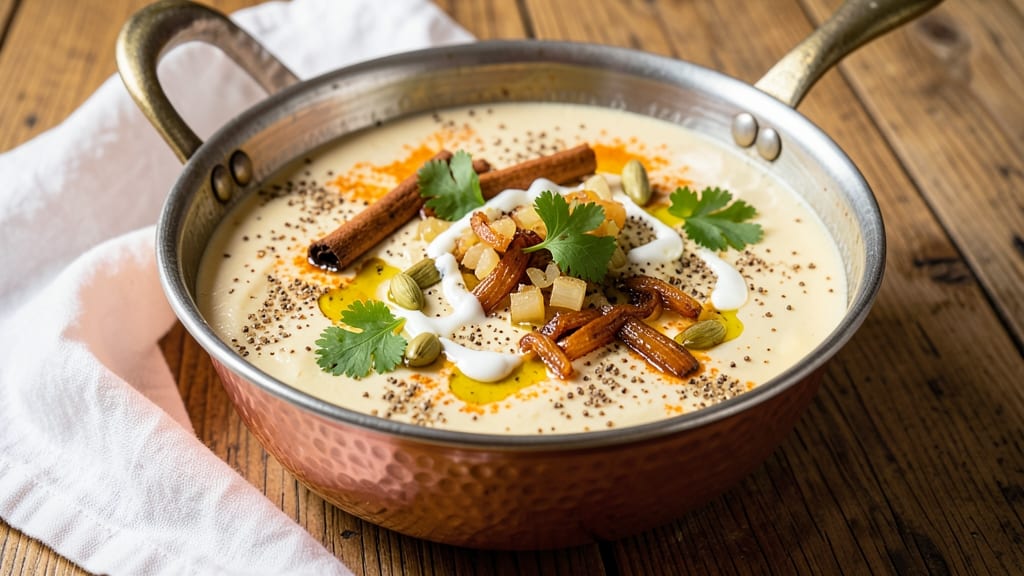
This authentic korma sauce recipe transforms simple ingredients into a velvety, aromatic masterpiece that captures the heart of Indian cuisine. The secret lies in slow-cooked spices—cardamom, cinnamon, and cumin—that dissolve into a creamy coconut-yogurt base, creating layers of warmth and depth.
I developed this version after years of testing, ensuring every simmered spice and toasted aromatic shines through without overpowering the delicate balance.
What sets this sauce apart is the two-stage cooking process: first, the spices bloom in hot oil until fragrant, then simmer gently with coconut milk and yogurt to develop complexity.
The result is a sauce that's rich yet light, with a subtle tang from yogurt and a velvety finish from coconut. Perfect for chicken, lamb, or vegetables, it elevates any dish with restaurant-quality depth.
No shortcuts here—this is the real deal, not a quick-fix version. The cardamom and saffron infuse the sauce with floral notes, while the yogurt adds a gentle acidity that cuts through richness.
Simmering for 20 minutes ensures the flavors meld perfectly, creating a sauce that tastes like it's been simmering all day.
Store it in the fridge for up to 5 days or freeze for 3 months, making it ideal for meal prep. Whether you're serving it with grilled chicken or steamed rice, this sauce delivers the authentic korma experience—bold, balanced, and impossible to resist.
Ingredients for authentic korma sauce
Transform ordinary spices into velvety, aromatic harmony with these carefully selected ingredients.
| Ingredient | Amount | Notes |
|---|---|---|
| Extra-Virgin Olive Oil 🫒 | ½ cup | High-quality for spice blooming |
| Yellow Onions 🧅 | 1 whole | Finely diced, medium size |
| Garlic Cloves 🧄 | 6 cloves | Peeled and lightly crushed |
| Ground Cumin 🌿 | 1 tbsp | Freshly toasted for aroma |
| Ground Coriander 🌿 | 1 tbsp | For earthy depth |
| Turmeric Powder 🧂 | ½ tbsp | Bright yellow color |
| Garam Masala 🌶️ | 1 tbsp | Store-bought or homemade blend |
| Green Cardamom Pods 🌿 | 8 whole | Lightly crushed, seeds only |
| Cinnamon Sticks 🌿 | 2 whole | 1-inch pieces for infusion |
| Fresh Ginger 🧅 | 1 inch | Peeled and grated |
| Plain Yogurt 🥛 | 1 cup | Full-fat for creaminess |
| Coconut Milk 🥥 | 1 can | Full-fat, 13.5 oz can |
| Saffron Threads 🌼 | ¼ tsp | High-quality, soaked in 1 tbsp warm water |
| Salt 🧂 | ½ tsp | Diamond Crystal preferred |
| Fresh Tomato 🍅 | 1 whole | Ripe, diced for acidity |
The foundation of authentic flavor lies in the spices. Whole spices like cardamom and cinnamon should be purchased from reputable sources—Indian grocery stores or specialty spice shops offer the freshest options. Look for vibrant color and a strong aroma when selecting garam masala; MDH or Everest brands are reliable choices. Fresh ginger and garlic should have firm texture and no signs of sprouting. For saffron, Iranian threads are the gold standard, but they're pricey—use sparingly. Toast your whole spices lightly in a dry pan before grinding to enhance their aromatic compounds, a technique professional Indian cooks swear by.
No cardamom pods? Substitute 1 teaspoon ground cardamom, but the flavor won't be as complex. Running short on cinnamon? Allspice at half the amount provides warmth but lacks the distinct cinnamon sweetness. The yogurt can be Greek yogurt for extra thickness, though plain works perfectly. Coconut milk substitutes? Heavy cream thinned with water mimics the richness, though it lacks coconut's subtle sweetness. For the tomato, San Marzano canned tomatoes work in a pinch if fresh isn't available—just crush them by hand for authentic texture. The saffron water can be omitted if unavailable, but it adds that signature floral note that makes this sauce truly special.
This sauce develops depth over time, so make a double batch if you plan to use it throughout the week. Store in an airtight container in the fridge for up to 5 days, though the flavors actually improve after the first day as the spices continue to meld. For longer storage, freeze in ice cube trays—thaw quickly in a saucepan over low heat. The sauce reheats beautifully, so portion it into meal prep containers for convenience. If it thickens upon reheating, simply stir in a splash of warm water or coconut milk to restore its velvety consistency.
Why You'll Love This Recipe
- No-Fuss Foundation: I swear by this sauce because it’s built on just five pantry staples—no fancy blends or hard-to-find spices. Sauté onions in olive oil until they’re golden and sweet, then add garlic and those warm, toasty spices (cumin and coriander), and boom—you’ve got the backbone of something special without the stress.
- Rich, Earthy Depth: That slow-cooked onion base? It’s the secret—caramelized until sticky, then layered with garlic and spices until the kitchen smells like a spice market. Honestly, it’s the kind of flavor that lingers, making every bite feel like a little celebration.
- Weeknight Workhorse: I use this sauce for everything—chicken, chickpeas, even as a dip with crusty bread. Make a double batch on Sunday, and you’ve got dinner covered for days. (Yes, even on a Tuesday night when you’re exhausted.)
- Budget Magic: Ground cumin and coriander cost pennies, and a single onion stretches across multiple meals. This sauce is my go-to for stretching proteins or veggies into hearty, flavor-packed dishes without breaking the bank—or the grocery list.
Step-by-step instructions for authentic korma sauce
Master this traditional technique for a sauce that balances creamy coconut with aromatic spices.
Bloom the Spices in Olive Oil
Heat the 0.5 cup extra-virgin olive oil in a heavy-bottomed saucepan over medium-low heat. Add the 8 whole green cardamom pods and 2 whole cinnamon sticks, gently stirring to prevent burning. Let them bloom for 2-3 minutes until the oil becomes fragrant and you can smell their warm, earthy aroma.
Next, add the 1 whole yellow onion (finely diced) and cook for 5-6 minutes until softened but not browned. This foundational step develops the sauce's complex flavor profile—don't rush it. The onions should caramelize slightly at the edges but remain pale overall. If they darken too quickly, reduce the heat slightly and continue cooking gently.
Add Aromatics and Toast the Spices
Increase heat to medium and add the 6 cloves garlic cloves (lightly crushed) and 1 inch fresh ginger (peeled and grated). Sauté for 1-2 minutes until the garlic turns golden and releases its pungent aroma. Be careful not to let it burn—garlic darkens quickly and becomes bitter.
Stir in the 1 tbsp ground cumin, 1 tbsp ground coriander, and 0.5 tbsp turmeric powder. Toast these spices for 30 seconds while stirring constantly. This step enhances their natural oils and deepens their flavor. You'll notice the spices release their aroma almost immediately—this is when the magic happens. Immediately add the 1 tbsp garam masala and stir for another 10 seconds to distribute evenly.
Incorporate Yogurt and Tomato
Reduce heat to low and gradually whisk in the 1 cup plain yogurt to prevent curdling. The mixture will thicken slightly as the yogurt cooks down. Add the 1 whole fresh tomato (diced) and cook for 3-4 minutes until the tomatoes soften and release their juices. This step adds essential acidity that balances the richness of the coconut milk we'll add later.
Stir in the 0.5 tsp salt and 0.25 tsp saffron threads (previously soaked in 1 tbsp warm water). The saffron should dissolve completely, infusing the sauce with its delicate floral notes. Taste and adjust seasoning—you may need a pinch more salt to enhance the flavors as the sauce develops.
Simmer with Coconut Milk
Pour in the 1 can coconut milk, stirring gently to combine. Increase heat to medium-low and bring the sauce to a gentle simmer. Let it cook uncovered for 15-20 minutes, stirring occasionally, until the sauce thickens slightly and coats the back of a spoon. The sauce should reduce enough to cling to the chicken or vegetables you'll serve it with.
Real talk: This is where patience pays off. The sauce should smell like a spice market—warm, floral, and slightly sweet. If it looks too thin, simmer for another 5 minutes. If it's too thick, whisk in 1-2 tablespoons water to reach your desired consistency. The final texture should be velvety yet still coat the back of a spoon without being gluey.
Pro Tips For Making Authentic Korma Sauce
- Bloom the Onions Slowly: After chopping onions, let them sit in the olive oil for 5 minutes before turning up the heat—just until they start to sweat. I used to rush this, and my sauce always tasted raw and sharp. This step mellows their bite and builds flavor without burning.
- Toast Spices Over Medium: Ground cumin and coriander burn faster than you think. Stir them into the onions after they’ve softened but before they brown, then keep the heat at a steady medium. Too hot, and they’ll turn bitter—trust me, I’ve tasted it.
- Sweat the Garlic Gently: Add minced garlic to the onions when they’re translucent, not browned. Cook it at the lowest heat that still bubbles occasionally—just 2–3 minutes until fragrant but not golden. Overcooking turns it acrid, and that’s a flavor killer in korma.
- Finish with Cold Cream: Stir in a splash of heavy cream or yogurt off the heat to temper the sauce. I learned this from a chef who said, “Hot cream curdles like a bad joke.” Let it cool slightly first, then fold it in—smooth, every time.
Storing and reheating this authentic korma sauce
Fridge Storage Tips
Let your freshly made korma sauce cool completely before transferring it to an airtight glass container—I love using Pyrex with a tight-sealing lid—and store it in the refrigerator for up to 5 days. The flavors actually deepen overnight as the spices continue to meld, so making a batch ahead of time is worth it. Just
Freezer Prep
For longer storage, portion the sauce into ice cube trays—this makes it easy to thaw just what you need. Once frozen, transfer the cubes to a freezer-safe bag or container, squeezing out excess air to prevent freezer burn. Label with the date, as this sauce keeps its quality for up to 3 months in the freezer. Thaw overnight in the fridge or quickly in a saucepan over low heat with a splash of water to restore its silky texture. ❄️
Reheating Perfection
When reheating from the fridge, warm the sauce gently in a saucepan over low-medium heat, stirring occasionally. If it thickens too much, whisk in 1-2 tablespoons of warm water or coconut milk to return it to its velvety consistency.
For microwave reheating, transfer to a microwave-safe bowl, cover loosely, and heat in 30-second intervals, stirring between each, until warmed through. Never microwave on high power—this can cause the sauce to split or curdle. 🔥
Sauce Consistency Fixes
If your sauce separates after reheating, don’t panic! Simply whisk in 1 tablespoon of plain yogurt or a splash of coconut milk to restore its creaminess. For a thicker consistency, simmer uncovered for an extra 5 minutes to reduce.
If it’s too thin, mash in ½ a ripe banana (trust me, it works!) or simmer with 1 teaspoon cornstarch mixed with water until thickened. The goal is that perfect coating-the-back-of-a-spoon texture. ✨
Meal Prep Hacks
Double the recipe and store half in the fridge for quick weeknight meals. I like keeping a small jar in my fridge just for this sauce—it’s perfect for tossing with grilled chicken or steamed veggies.
When reheating for meal prep, add a pinch of salt and a squeeze of lemon juice to brighten the flavors. For extra convenience, freeze the sauce in 1-cup portions so you can grab exactly what you need without thawing the whole batch. 💡
Flavor Boosts
Before serving, enhance the sauce with a fresh pinch of garam masala or a sprinkle of toasted cashews for crunch. A drizzle of lemon juice just before serving cuts through the richness and adds a bright finish.
If the sauce tastes flat after reheating, a small piece of fresh ginger or a garlic clove simmered in for 1 minute can revive its aromatic punch. These little tweaks make all the difference! 🌶️
Nutrition facts
Frequently asked questions
Why does this recipe use whole spices instead of ground?
Whole spices release their flavors more gradually and create deeper, more complex aromas. When toasted in oil, they develop nutty, floral notes that ground spices can't match. For example, whole cardamom pods add a citrusy brightness, while ground cardamom would taste more bitter. Toasting whole spices also prevents them from burning quickly.
Can I make this sauce without coconut milk?
Yes! Substitute with 1 cup heavy cream thinned with 2 tablespoons water for a similar richness. For a lighter version, use ½ cup Greek yogurt + ½ cup water, though the texture will be thinner. The key is maintaining the creamy base—just adjust the liquid ratio to reach your desired consistency.
How do I prevent the sauce from curdling when adding yogurt?
Always add yogurt to the saucepan gradually while stirring constantly over low heat. Never let it boil—keep the temperature below 180°F to prevent separation. If you see curdling, immediately reduce heat and whisk vigorously. For extra insurance, whisk the yogurt with 1 tablespoon cold water before adding it.
What's the best way to use leftover sauce?
This sauce freezes beautifully! Portion into ice cube trays, then transfer to a freezer bag for up to 3 months. Thaw overnight in the fridge and reheat gently. It's perfect for:
- Tossing with grilled chicken or lamb
- Stir-frying with paneer or tofu
- Mixing into rice or naan
- Using as a marinade (add 1 tbsp lemon juice for brightness) The flavors actually improve after freezing!
Can I make this sauce in a slow cooker?
Follow the same steps for blooming spices, then transfer everything to a slow cooker on low heat for 3-4 hours. The gentle cooking enhances the flavors without risking curdling. Stir occasionally and add 1-2 tablespoons water if it gets too thick. The slow cooker method is ideal for hands-off prep—just let it work its magic!