
Sauces & Condiments
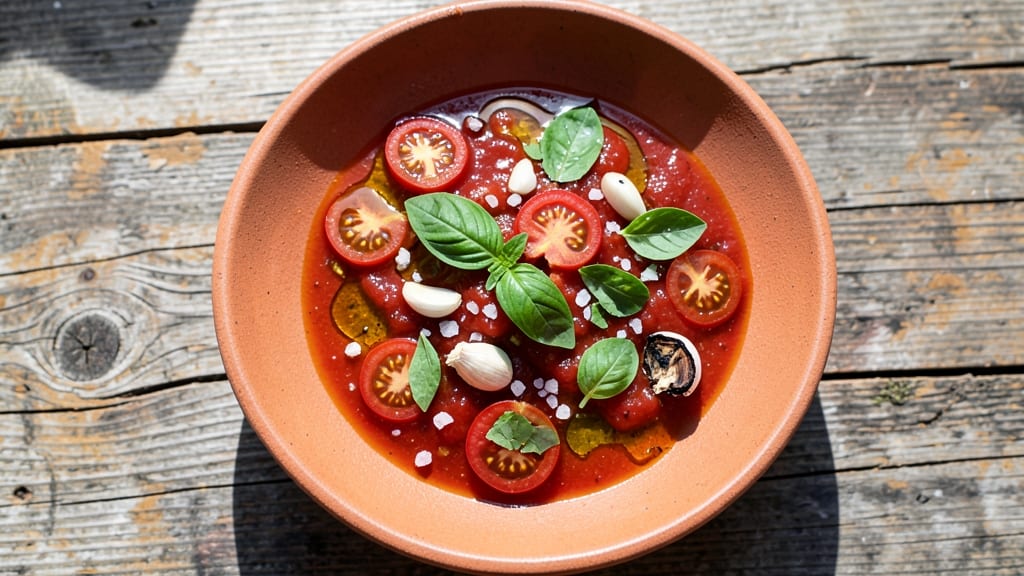
This authentic Italian fresh tomato sauce captures the essence of Italian cooking—bright, vibrant, and bursting with summer flavor. The secret lies in using ripe, fresh tomatoes (never canned) and simmering them just until they soften, preserving their natural sweetness and acidity.
I’ve perfected this recipe over years of cooking, ensuring every spoonful delivers that classic Italian taste you crave.
The process is simpler than you think: blanching tomatoes for easy peeling, crushing them by hand for texture, and simmering with garlic, olive oil, and a touch of salt.
No heavy cream or butter here—just pure, sun-ripened tomatoes and fresh basil added at the end to keep their bright, aromatic punch. This sauce is the foundation of countless Italian dishes, from pasta to pizza, and it’s foolproof once you master the technique.
What makes this sauce truly special is its simmered brightness—the tomatoes release their juices slowly, creating a rich, velvety consistency without losing their freshness. The garlic infuses subtle depth, while the olive oil adds a silky finish.
When you finish, you’ll have a sauce that’s restaurant-quality, with layers of flavor that build with every bite.
Store it in the fridge for up to 5 days or freeze for months—perfect for meal prep or gifting. Whether you’re tossing it with al dente pasta or drizzling it over grilled meats, this sauce elevates every dish it touches. Let’s get cooking!
Ingredients for authentic italian fresh tomato sauce
Sun-ripened tomatoes, fresh basil, and garlic—just eight ingredients for that authentic Italian taste.
| Ingredient | Amount | Notes |
|---|---|---|
| Fresh Roma Tomatoes 🍅 | 2 lb | Ripe, firm, and vibrant red |
| Extra-Virgin Olive Oil 🫒 | ½ cup | High-quality, fruity variety |
| Garlic Cloves 🧄 | 4 cloves | Fresh, peeled, and minced |
| Fresh Basil Leaves 🌿 | ½ cup | Packed, stems removed |
| Salt 🧂 | 1 tsp | Kosher or sea salt |
| Red Wine Vinegar 🍷 | 1 tbsp | For brightness (optional) |
| Black Pepper 🌶️ | ¼ tsp | Freshly ground |
| Fresh Parsley Leaves 🌿 | ¼ cup | Chopped, for garnish |
The tomatoes are everything here. Roma tomatoes are ideal—they’re meaty and hold their shape, but any ripe, firm tomatoes work. Local farmers markets usually have the best selection, but grocery stores carry them too. Look for tomatoes that are heavy for their size and smell sweet at the stem. If you can’t find Roma, regular beefsteak tomatoes are a solid backup. The basil? Fresh is non-negotiable—dried just won’t cut it. Grab a big bunch and use half here, half for garnish later. For the olive oil, Trader Joe’s or Whole Foods carry great fruity varieties that won’t overpower the tomatoes.
No fresh basil? Dried oregano at half the amount will work in a pinch, but you’ll lose that bright, aromatic punch. Short on Roma tomatoes? Heirloom or vine-ripened varieties add even more depth. The red wine vinegar is optional but adds a nice tang—substitute lemon juice if you’re out. For the garlic, I always use fresh, but if you’re in a bind, garlic powder at half the amount won’t ruin the sauce. The parsley is just for garnish, so use whatever you’ve got—it’s all about the visual pop at the end.
This sauce keeps beautifully. Store it in a glass jar with a tight seal in the fridge for up to 5 days. For longer storage, freeze in ice cube trays—just thaw and stir when you’re ready to use. It actually tastes better the next day as the flavors meld. I like to make a big batch and freeze half—perfect for lazy weeknights when you need that restaurant-quality sauce in a flash.
Why You'll Love This Recipe
- No Chopping Needed: I swear by this—just halve the tomatoes and drop them in. No dicing, no peeling, no fuss. The skins soften into the sauce while you sauté the garlic, and honestly? That’s where the real magic happens.
- Taste Like Nonna’s: That first golden kiss of olive oil hitting the pan, the garlic sizzling just enough to perfume the whole kitchen, then the tomatoes breaking down into a bright, unctuous jam? It’s the kind of sauce that makes you pause mid-bite and think, This is why I cook.
- Weeknight to Dinner Party: Same five ingredients, different outcomes: toss it with al dente pasta for a quick supper, dollop it over grilled chicken for a Sunday roast, or serve it chilled in a bowl with crusty bread when friends drop by. It’s my go-to for any occasion.
- Fridge Goldmine: Make a double batch—it keeps for days in the fridge, freezes beautifully, and turns into the star of next week’s lazy dinner. I’ll be real: half my pantry’s worth of this stuff, but I never regret it. Budget-friendly? More like flavor on the cheap.
Step-by-step instructions for authentic Italian fresh tomato sauce
Here's how to make a vibrant, restaurant-quality tomato sauce that stays bright and fresh-tasting.
Prepare the Tomatoes for Cooking
Start by cutting the 2 lb fresh Roma tomatoes in half crosswise. Scoop out the seeds and gel-like center using a spoon—this keeps your sauce from becoming watery. You'll have about 2 cups of seedless tomato flesh. Chop the tomato halves into ½-inch pieces and transfer them to a large bowl.
Add the 1 tbsp red wine vinegar to the chopped tomatoes and toss gently. The vinegar brightens the flavor and helps preserve the sauce's vibrant color. Let the mixture sit for 10 minutes while you prepare the remaining ingredients. This brief marinade enhances the tomatoes' natural sweetness and acidity.
Build the Flavor Base in Olive Oil
Heat the 0.5 cup extra-virgin olive oil in a large, heavy-bottomed saucepan over medium-low heat. Add the 4 minced garlic cloves and sauté for 1-2 minutes until they're fragrant but not browned—garlic burns quickly, so watch closely. Remove the pan from heat immediately after you smell that wonderful aroma.
Return the pan to medium heat and add the prepared tomatoes along with their juices. Sprinkle in the 1 tsp salt and 0.25 tsp black pepper. Stir gently to combine, letting the tomatoes release their juices into the oil. The sauce should start to simmer gently within 3-4 minutes—this is where the magic begins.
Simmer Until Thickened
Let the sauce bubble gently for 15-20 minutes, stirring occasionally. You'll notice the tomatoes soften and break down, releasing their juices and creating a thick, velvety sauce. The sauce should reduce until it coats the back of a spoon but still maintains a bright color—not murky or dark.
I like to keep the sauce slightly chunky, so I don't blend it smooth. If it's too thick, add 1-2 tablespoons of water or tomato juice to loosen it. The goal is a sauce that clings beautifully to pasta without being gloppy. Taste and adjust seasoning—you might need a pinch more salt or a splash more vinegar to balance the flavors.
Finish with Fresh Basil
Remove the sauce from heat and stir in the 0.5 cup fresh basil leaves. Let it steep for 5 minutes—this infuses the sauce with that signature Italian basil aroma. The leaves will soften slightly but retain some texture, adding freshness to each bite.
Finally, stir in the 0.25 cup chopped fresh parsley leaves just before serving. This adds a bright, fresh finish that cuts through the richness of the sauce. The parsley also makes the dish look stunning when plated. Serve immediately over your favorite pasta or use it as a topping for bruschetta and grilled meats.
Pro Tips For Making Authentic Italian Fresh Tomato Sauce
- Sear the Garlic Low: I learned this the hard way—crank the heat to medium-low and let those garlic cloves sizzle gently in the olive oil. If you blister them, you’ll taste bitterness instead of sweetness, and that’s the last thing you want in a fresh tomato sauce. Keep an eye on them; they’re done when they’re golden but still intact—no brown spots, no drama.
- Salt the Tomatoes First: Toss your halved Roma tomatoes with a generous pinch of salt before cooking. This draws out their juices and softens them faster, giving you a smoother sauce without watering it down. Skip this, and you’ll end up with a thin, sad sauce that needs more tomatoes—or worse, a can of crushed tomatoes to salvage it.
- Simmer, Don’t Boil: Once the tomatoes hit the pot, let them bubble gently over low heat. A rolling boil turns the sauce into mush and evaporates the flavors you just seared into the garlic. You’re aiming for a slow, steady simmer—think of it like a lazy Sunday morning, not a pressure cooker. Patience here makes all the difference.
- Save the Basil for Last: Tear the basil leaves right before you serve the sauce, not when you start cooking. If you add them early, they’ll turn bitter and release their oils too soon, making the sauce taste like a sad, overcooked pesto. Fresh basil should be a bright, aromatic finish—like a kiss on top of a perfect dish. (Yes, even if you’re impatient like me.)
Serving suggestions for this authentic italian fresh tomato sauce
Pasta Perfection
This sauce is a dream with al dente spaghetti—toss 8 oz dried pasta (like De Cecco or Barilla) with 2 tbsp reserved pasta water before adding the sauce.
The starch helps emulsify the sauce for a silky cling. For extra richness, finish with a drizzle of extra-virgin olive oil and a sprinkle of freshly grated Parmigiano-Reggiano. 🍝
Pizza Base
Use this sauce as the foundation for a Neapolitan-style pizza. Spread a thin layer (about ¼ cup per 12-inch crust) on your dough, then top with fresh mozzarella, sliced Roma tomatoes, and basil leaves.
Bake at 475°F for 12-15 minutes until the crust is golden and cheese bubbly. The sauce’s brightness cuts through the richness of the cheese perfectly.
Grilled Meats
Drizzle this sauce over grilled chicken breasts or steak in the last 5 minutes of cooking. The acidity in the tomatoes tenderizes the meat while adding a vibrant finish.
For extra flavor, mix in 1 tsp dried oregano before serving. It’s a fantastic way to elevate simple grilled proteins for a restaurant-worthy meal. 🔥
Bruschetta
Spread a thin layer of this sauce on toasted baguette slices, then top with fresh mozzarella pearls, cherry tomatoes, and a sprinkle of flaky sea salt.
The sauce’s brightness pairs beautifully with the creamy cheese and crunchy bread. For a twist, add prosciutto di Parma for a salty-sweet contrast.
Eggplant Parmesan
Use this sauce as the base for baked eggplant Parmesan. Layer thinly sliced fried eggplant with the sauce, ricotta cheese, and mozzarella, then bake until bubbly.
The sauce’s acidity balances the richness of the cheese, creating a dish that’s both comforting and vibrant. Serve with a side of garlic bread for dipping. 🌱
Storage Hacks
Save leftovers by storing in an airtight glass jar in the fridge for up to 5 days. For freezing, portion into ice cube trays—thaw and stir into pasta or pizza dough for quick flavor boosts.
The sauce actually improves overnight as flavors meld, making it perfect for meal prep. Label with the date to track freshness! ❄️
Nutrition facts
Frequently asked questions
Why do you add vinegar to fresh tomato sauce?
The 1 tbsp red wine vinegar brightens the tomatoes' natural sweetness and helps preserve their vibrant color during cooking. It also balances the acidity, preventing the sauce from tasting flat. Think of it as a flavor enhancer that keeps the sauce lively and authentic.
Can I substitute canned tomatoes for fresh?
While this recipe calls for fresh tomatoes, you can use high-quality crushed tomatoes in a pinch—but expect a different texture. For best results, blend canned tomatoes until smooth and strain out excess liquid. The sauce won't have the same bright, fresh flavor, but it'll still work for pasta or pizza.
How do I prevent my sauce from turning dark or murky?
Keep the heat medium-low and never let the sauce boil vigorously—this causes browning. Stir occasionally to prevent sticking, and add the basil at the end (not during cooking) to preserve its bright green color. A splash of lemon juice can also help maintain brightness.
What’s the best pasta to pair with this sauce?
This sauce clings beautifully to al dente spaghetti, linguine, or fettuccine. For extra texture, try rigatoni or pappardelle. Toss the cooked pasta with 2 tbsp reserved pasta water before adding the sauce to help it coat evenly.
Can I make this sauce ahead of time?
Yes! This sauce tastes even better the next day as flavors meld. Store it in an airtight glass jar in the fridge for up to 5 days. For freezing, portion into ice cube trays—thaw and stir into dishes for quick flavor. Reheat gently on the stove to preserve texture.