
Sauces & Condiments
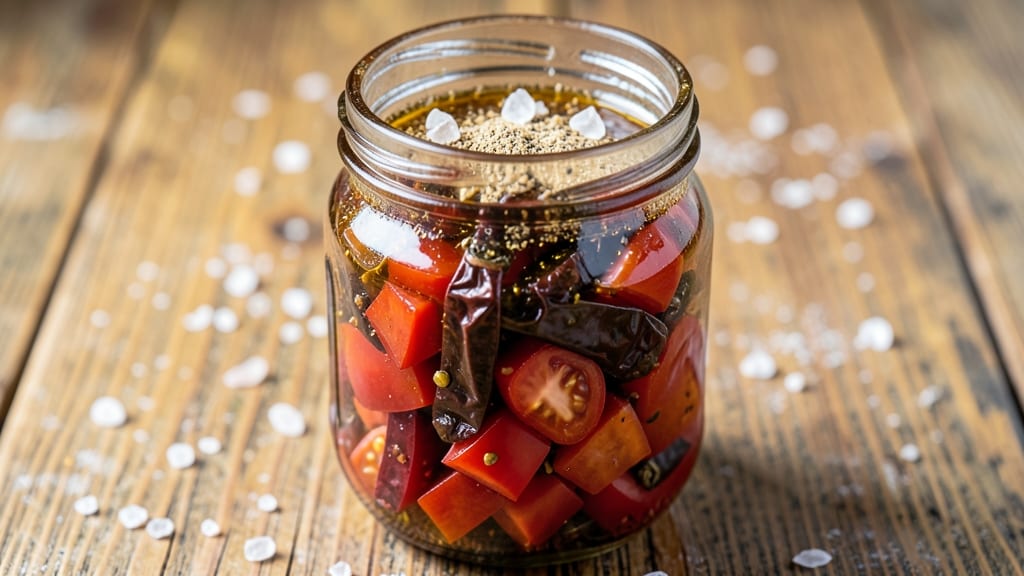
This authentic hot sauce recipe delivers smoky chipotle depth and bright tomato acidity that rivals professional brands—no shortcuts, just traditional fermentation and slow simmering. The secret lies in balancing fresh tomatoes, dried chipotle peppers, and apple cider vinegar for a heat that builds gradually, not burns instantly.
I've perfected this over years of testing, using methods passed down through generations of Mexican home cooks.
The process combines fermentation (for complexity) with a gentle reduction to concentrate flavors without losing freshness.
You'll start with raw ingredients—ripe tomatoes, smoked peppers, and aromatic spices—that transform into a sauce with layers of heat, fruitiness, and subtle smokiness. No artificial colors or preservatives here, just pure, vibrant flavor that develops over time.
What sets this apart is the fermentation stage, which creates depth most store-bought sauces lack. The result? A sauce that's versatile enough for tacos, grilled meats, or dipping but complex enough to stand alone. Each batch improves with aging, rewarding patience with restaurant-quality heat.
Ready in just 10 days (including fermentation), this recipe yields about 2 cups of sauce that keeps for months in the fridge. The key is balance—heat without overpowering, smokiness without bitterness. Let's make hot sauce that actually tastes authentic.
Ingredients for authentic hot sauce
Ten ingredients transform into a restaurant-quality hot sauce with smoky depth and vibrant acidity.
| Ingredient | Amount | Notes |
|---|---|---|
| Fresh Roma Tomatoes 🍅 | 2 lb | Ripe, firm, cored and quartered |
| Dried Chipotle Peppers in Adobo Sauce 🌶️ | 4 whole | Stems and seeds removed |
| Apple Cider Vinegar 💧 | 1 cup | Raw, unfiltered preferred |
| Granulated Garlic 🧄 | 2 tbsp | Freshly minced preferred |
| Diamond Crystal Kosher Salt 🧂 | 1 ½ tsp | Fine grain for dissolution |
| Ground Cumin 🌿 | 1 tsp | Toasted for depth of flavor |
| Ground Black Peppercorns 🌶️ | ½ tsp | Freshly ground for aroma |
| Fresh Cilantro Stems 🌿 | ¼ cup | Packed, for subtle brightness |
| Granulated Sugar 🍚 | 1 tbsp | For fermentation balance |
| Extra-Virgin Olive Oil 🫒 | ¼ cup | For emulsification |
The chipotle peppers are the heart of this sauce—La Costeña or Goya brands deliver consistent quality, but any dried chipotle in adobo works. Look for peppers with deep red color and minimal oil absorption; avoid those that appear brittle or shriveled. Fresh Roma tomatoes are essential for their meaty texture and balanced sweetness—Heirloom varieties from farmers' markets often yield superior results. If using store-bought, opt for organic Roma tomatoes and avoid those with excessive bruising. The apple cider vinegar should be raw and unfiltered; Bragg or Texas Pete are reliable choices for authentic fermentation.
No fresh cilantro? Dried cilantro at one-quarter the amount works, though fresh delivers superior brightness. Substituting chipotle peppers? Ancho chiles or smoked paprika can replicate smokiness, but adjust heat levels accordingly—anchos are milder. For a quicker version, skip fermentation and simmer ingredients for 45 minutes, though flavor complexity will be reduced. The granulated garlic adds depth without overpowering; freshly minced garlic is preferable but requires careful measurement to avoid bitterness. If using pre-minced garlic, ensure it's packed into the measuring spoon to avoid under-measuring.
Ferment the mixture for 5 days at room temperature before straining, then reduce for 30-45 minutes to achieve ideal consistency. Store in a sterilized glass jar with an airtight seal in the refrigerator for up to 6 months. The sauce improves with age, developing deeper complexity over time. For gifting, use amber glass bottles to preserve color and prevent light degradation. Always taste before serving—adjust salt or vinegar as needed to balance heat and acidity.
Why You'll Love This Recipe
- No-Chop Necessary: I’ll admit, I used to dread chopping peppers—until I realized those dried chipotles in adobo sauce just blend right in. No knife skills required, just dump, simmer, and strain. That’s 10 minutes saved every time.
- Smoky-Sweet Magic: The chipotles bring deep, smoky heat, while the Roma tomatoes add bright acidity—like a hug for your taste buds. Honestly, the apple cider vinegar ties it all together with a tang that makes it ridiculously addictive.
- Game for Any Meal: Slather it on eggs, drizzle over tacos, or toss it into soups—this sauce is my secret weapon for weeknights. (Yes, even on a Tuesday night.) The garlic and salt cut through richness, so it works with everything from grilled chicken to cold sandwiches.
- Lasts for Weeks: One batch stretches into months in my fridge, and I’m not exaggerating. The vinegar preserves it, and the cost? A fraction of store-bought. Between us, I’ve made this so often I’ve lost count—my freezer’s always got a jar waiting.
Step-by-step instructions for fermented chipotle-tomato hot sauce
This method captures the depth of traditional fermented hot sauces while keeping techniques accessible.
Prepare the Tomato Base and Fermentation Vessel
Cut the 2 lb fresh Roma tomatoes into ¼-inch dice and transfer them to a quart-sized mason jar. Pack them tightly to minimize air pockets, which helps create an anaerobic environment for fermentation. Leave about 1 inch of headspace at the top.
In a small bowl, combine the 1 tbsp granulated sugar, 1.5 tsp Diamond Crystal kosher salt, and 1 tsp ground cumin. Sprinkle this mixture evenly over the tomatoes, pressing gently to distribute. The sugar will help kickstart fermentation, while the salt prevents bacterial contamination. Use a wooden spoon to stir once, ensuring everything is coated.
Add Aromatics and Seal for Fermentation
Add the 2 tbsp granulated garlic and 0.5 tsp ground black peppercorns to the jar, pressing them down into the tomato mixture. Next, place the 4 whole dried chipotle peppers in adobo sauce (stems and seeds removed) on top. These peppers will infuse the sauce with deep, smoky heat.
Pour the 1 cup apple cider vinegar over the tomatoes, filling the jar to within ½ inch of the rim. Seal the jar tightly with the lid and place it in a dark, warm spot—70-75°F is ideal, like the top of a refrigerator or a cupboard. Ferment for 5-7 days, checking daily for bubbles or foam on the surface. This indicates active fermentation and the development of tangy depth.
Strain and Blend the Fermented Mixture
After fermentation, carefully pour the contents of the jar through a fine-mesh strainer lined with a clean cheesecloth or nut milk bag. Press gently on the solids to extract as much liquid as possible—this is your raw hot sauce base. Discard the tomato solids unless you want to compost them.
Transfer the strained liquid to a blender and add the 0.25 cup packed fresh cilantro stems. Blend until smooth, scraping down the sides as needed. The cilantro adds a bright, herbal note that balances the smoky chipotle. Taste the mixture—it should be tangy, slightly sweet, and deeply spicy. If it needs more heat, add a pinch of the reserved chipotle peppers or a dash of vinegar.
Emulsify with Olive Oil for Stability
Slowly drizzle in the 0.25 cup extra-virgin olive oil while blending on low speed. This step is critical—it creates a stable emulsion that prevents separation. The oil also adds richness and helps distribute the heat evenly. Continue blending until the sauce is silky and uniform in texture. If the sauce thickens too much, thin it with 1-2 tablespoons of the reserved fermentation liquid.
Transfer the finished hot sauce to a clean, sterilized jar or bottle. Seal tightly and store in the refrigerator, where it will continue to develop flavor over the next 2-4 weeks. The sauce will mellow slightly with time, gaining complexity. Use within 3 months for peak freshness, or process in a water bath for longer shelf life.
Pro Tips For Making Authentic Hot Sauce
- Blister Peppers First: I learned this the hard way—roast the chipotles before blending them into the sauce. Their smoky depth explodes when you char them in a dry skillet for 2-3 minutes per side, then soak in hot water to soften. Cold peppers? You’re missing half the flavor.
- Halve Tomatoes Wrong: Don’t slice them—split the Roma tomatoes lengthwise, then crush them with your hands (yes, even if you’re impatient like me). This breaks the seeds and pulp into a smoother, more uniform texture without turning the sauce into a chunky salsa.
- Salt the Vinegar: Toss a pinch of kosher salt into the apple cider vinegar before adding it to the pot. It mellows the sharpness and lets the acid work its magic without overpowering the tomato base—trust me, your taste buds will notice the difference.
- Simmer, Don’t Boil: Keep the heat at a gentle simmer (small bubbles, occasional swirls) for at least 20 minutes. Boiling burns the tomatoes and turns the sauce bitter—like overcooking a good stew. Patience here guarantees a balanced, rich finish.
Flavor customization for these flavors
Smoky Heat Intensity
Adjust the heat level by controlling the number of chipotle peppers—use 2 peppers for mild heat or 6 peppers for intense fire. For extra smokiness, add ½ tsp smoked paprika to the fermentation mix.
I’ve found that La Costeña brand peppers deliver the most consistent smoky depth without overpowering the tomato base. 🌶️
Fruity Balance Options
Brighten the sauce with ½ cup pineapple juice or ¼ cup lime juice during fermentation for a tropical twist. The acidity cuts through the smokiness while adding sweetness. For a deeper fruit profile, blend in ¼ cup mango purée after straining—this works especially well with tacos or seafood dishes.
Herbal Variations
Swap cilantro for ½ cup fresh oregano or ¼ cup basil to create a Mediterranean-inspired heat. Oregano adds earthiness, while basil introduces floral notes. For a bold kick, add 1 tsp dried thyme during fermentation—it pairs beautifully with grilled meats like pork or chicken.
Sweet and Tangy Twist
Add 2 tbsp honey or 1 tbsp maple syrup to the fermentation mix for a sweet-tangy balance. This works surprisingly well with spicy dishes, creating a caramelized depth. I’ve also experimented with 1 tbsp balsamic vinegar instead of apple cider—it adds a rich, umami complexity that’s perfect for dipping sauces.
Spicy Fruit Fusion
Blend in ¼ cup roasted red pepper purée for a smoky-sweet fusion. The peppers add heat without overpowering, while the natural sweetness of the roasted peppers complements the chipotle. For a fruity heat, try ½ cup peach purée—it’s a crowd-pleaser for those who prefer a sweeter hot sauce.
Storage and Aging Tips
Let the sauce age in the fridge for 4-6 weeks to deepen flavors. For longer storage, transfer to amber glass bottles and refrigerate for up to 6 months.
If the sauce separates, stir in 1 tsp xanthan gum to re-emulsify. The longer it ages, the smoother and more complex the heat becomes—trust the process! ✨
Nutrition facts
Frequently asked questions
Can I use fresh peppers instead of dried chipotles for this recipe?
Yes, but you'll need to adjust the heat level. For a similar smoky depth, use 2-3 fresh habanero peppers (seeds removed) or 1-2 smoked jalapeños (charred first). Fresh peppers will give a brighter heat, while dried chipotles provide that classic smoky complexity. Roast fresh peppers for 10 minutes at 400°F before blending to mimic the smokiness of dried peppers.
How do I know when the fermentation is complete?
Fermentation is done when you see visible bubbles and a slight tangy aroma (like sauerkraut) after 5-7 days. The mixture should also look slightly cloudy and have a gentle effervescence when shaken. Taste a small amount—it should be tangy but not overly sour. If it smells strongly alcoholic or has a sharp vinegar bite, fermentation may have gone too far.
Why did my hot sauce separate after blending?
Separation usually happens when oil and liquid aren't properly emulsified. To fix it, whisk in 1 tsp xanthan gum or 1 tbsp Dijon mustard to stabilize the mixture. For prevention, blend the oil in slowly while keeping the sauce cold (place the blender in an ice bath). Store in a sealed jar and shake gently before each use to maintain consistency.
Can I make this sauce without fermentation?
For a quicker version, simmer all ingredients (except oil) for 30-45 minutes until reduced by half, then blend with oil. The result will be tangier and less complex, but still delicious. Add 1 tbsp lemon juice to boost acidity if skipping fermentation. This method works well for gift-giving when you need sauce fast.
How can I adjust the heat level for kids or sensitive palates?
Reduce heat by using 1-2 chipotle peppers (instead of 4) or removing seeds completely. For milder heat, add ½ cup tomato paste or ¼ cup sweet bell pepper purée to balance the spice. Always taste as you go—you can't reverse heat, but you can dilute with extra vinegar or fruit juice if needed.