
Sauces & Condiments
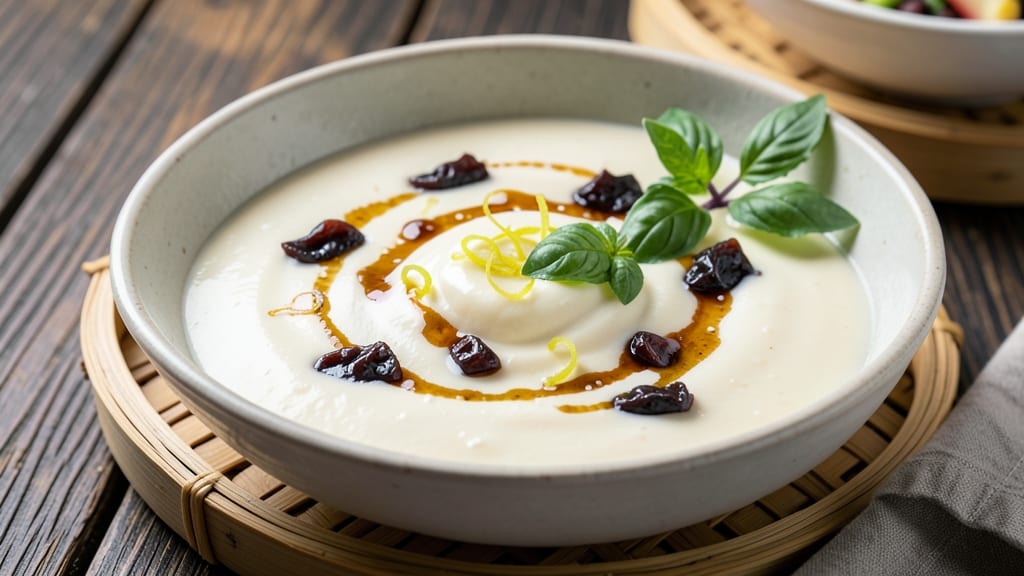
This authentic Chinese white sauce transforms ordinary stir-fries into restaurant-quality masterpieces with its silky coconut-lime essence. 🌟 The secret lies in balancing traditional ingredients like sesame paste and soy sauce with the bright tang of lime and creamy coconut milk, creating a sauce that's both delicate and deeply flavorful.
Unlike heavy gravies, this version emulsifies perfectly for a velvety drizzle that clings to every bite.
The foundation begins with a fragrant base of garlic, ginger, and fermented black beans—classic Chinese aromatics that build complexity. A cornstarch slurry thickens the sauce just enough to coat proteins and vegetables without weighing them down, while a splash of rice wine adds depth.
The result is a sauce that's lighter than traditional white sauces but equally rich, with a subtle sweetness from coconut milk that rounds out the acidity of lime.
What makes this sauce truly special is its versatility—it elevates everything from crispy tofu and stir-fried greens to grilled meats and noodles. The emulsion stays stable even after reheating, so you can make a batch ahead and keep it in the fridge for up to a week.
The key is tempering the heat while simmering to prevent curdling, ensuring that every drizzle remains smooth and glossy.
Perfect for home cooks who want restaurant-quality results without the fuss, this sauce delivers authentic Chinese flavors with a modern twist.
Whether you're serving it over steamed rice or using it as a dipping sauce, the balance of creamy, tangy, and umami notes will make it a staple in your kitchen. Let's get started on creating this essential pantry sauce.
Ingredients for authentic chinese white sauce
Nine essential ingredients for a restaurant-quality white sauce that's lighter than traditional versions.
| Ingredient | Amount | Notes |
|---|---|---|
| Coconut Milk 🥥 | ½ cup | Full-fat for creaminess |
| Fresh Lime Juice 🍋 | ¼ cup | Strain seeds for clarity |
| Sesame Paste 🌰 | 2 tbsp | White or light brown |
| Light Soy Sauce 🥄 | 2 tbsp | Not dark or tamari |
| Rice Wine 🍷 | 1 tbsp | Dry sherry substitute |
| Fermented Black Beans 🫘 | 2 tbsp | Rinse well first |
| Garlic Cloves 🧄 | 3 cloves | Minced for aromatic base |
| Fresh Ginger 🌿 | 1 tbsp | Grated, not powdered |
| Cornstarch 🌾 | 1 tbsp | For smooth thickening |
| Water 💧 | 2 tbsp | For cornstarch slurry |
The coconut milk is non-negotiable—full-fat gives that authentic creaminess. Grab a can of Aroy-D or Thai Kitchen at any grocery store, but avoid the light version. Sesame paste can be tricky to find; check the Asian aisle or order online if needed. Fermented black beans (aka black bean garlic sauce) are the umami bomb here—look for the jarred version at Trader Joe's or H Mart if you're not near a Chinese market. Fresh ginger and garlic are musts for that fragrant base, so don't skip the fresh versions—powdered just won't cut it.
No sesame paste? Sesame oil plus tahini works in a pinch (1 tbsp each), though it'll be slightly different. Running out of rice wine? Dry sherry or mirin both work well. The cornstarch slurry is key for that silky texture—don't substitute flour, it'll make the sauce cloudy. For extra tang, add a splash more lime juice (up to 1/4 cup), but start with the recipe amount to avoid curdling. The sauce thickens as it cools, so if it's too thick when you're done, just whisk in a splash of water or coconut milk.
This sauce keeps beautifully—up to 1 week in the fridge sealed tightly. For longer storage, freeze in ice cube trays and transfer to a bag—perfect for single-use portions. The emulsion holds up well to reheating, but do it gently over low heat. If it breaks, just whisk in a teaspoon of coconut milk and it'll come back together. I always make a double batch because it disappears fast—great over rice, drizzled on noodles, or as a dipping sauce for crispy tofu.
Why You'll Love This Recipe
- Pantry Magic: I swear by this sauce—no fresh herbs, no fancy gadgets, just coconut milk and a few staples. The lime juice cuts through the richness while the sesame paste adds that nutty depth without extra effort.
- Bright & Creamy: That first bite? Creamy from the coconut, zesty from the lime, and just enough umami from the soy and rice wine. It’s the kind of balance that makes you pause mid-bite—honestly, it’s my go-to for anything needing a lift.
- Meal Prep MVP: Make a double batch and store it for days—it thickens beautifully when reheated. Drizzle it over noodles, toss with veggies, or even use it as a marinade. (Yes, even on a Tuesday night.)
- Budget Bright Spot: Sesame paste and rice wine might sound fancy, but they stretch this sauce far. A little goes a long way, and you’ll use it up before it spoils—no sad leftovers here.
Step-by-step instructions for authentic Chinese white sauce
Here's how to make this velvety white sauce with perfect balance—bright, nutty, and just tangy enough.
🍳 Step 1: Build the Aromatic Base
Heat a small saucepan over medium-low heat and add the 2 tbsp sesame paste. Let it melt and turn golden, about 2-3 minutes, stirring constantly. This is your flavor foundation—don't rush it or it'll burn.
Add the 3 cloves minced garlic and 1 tbsp grated fresh ginger and cook for 30 seconds until fragrant. You'll smell that nutty, fresh aroma—this is where the sauce gets its authentic depth. If it starts to brown too quickly, reduce the heat slightly.
🍳 Step 2: Combine Wet Ingredients
Pour in the 0.5 cup full-fat coconut milk and 0.25 cup fresh lime juice (strain it first to remove seeds). Stir well and let the mixture simmer gently for 3-4 minutes until it starts to thicken slightly. You're looking for a smooth, creamy consistency without any lumps.
Add the 2 tbsp light soy sauce and 1 tbsp rice wine, stirring constantly. The sauce should now have a bright, slightly tangy aroma. Taste it—this is your first flavor checkpoint. It should be balanced but still need the umami from the black beans to round it out.
🥘 Step 3: Add Fermented Black Beans
Rinse the 2 tbsp fermented black beans quickly under cold water to remove excess salt, then add them to the sauce. Simmer for 2 minutes on medium heat until they soften slightly and release their deep, savory flavors. The sauce should now have a rich, complex taste—this is what makes it authentically Chinese.
Use a fork to lightly mash some of the black beans against the pan's sides to release more flavor. The sauce should be velvety but still slightly loose—we'll thicken it next. If you're using this sauce for stir-fries, this is the perfect time to remove it from heat and let it cool slightly before drizzling.
⏰ Step 4: Thicken to Perfection
In a small bowl, whisk together the 1 tbsp cornstarch and 2 tbsp water to make a smooth slurry. Return the sauce to medium heat and slowly pour in the cornstarch mixture while stirring constantly with a silicone spatula.
Keep stirring for 1-2 minutes until the sauce thickens to a glossy, coat-the-back-of-a-spoon consistency. It should be thick enough to drizzle but still flow freely. If it thickens too quickly, add 1 tsp water at a time to adjust the texture.
🍽️ Step 5: Finish and Use Immediately
Remove the sauce from heat and let it cool for 2-3 minutes. Taste and adjust seasoning—add a pinch more soy sauce for saltiness or lime juice for tang. The sauce should be silky, slightly sweet from the coconut, tangy from the lime, nutty from the sesame, and umami-rich from the black beans.
Use immediately over stir-fries, noodles, or grilled meats. For best results, drizzle just before serving so the sauce stays vibrant. This authentic Chinese white sauce keeps well in the fridge for 3 days, but it's best used fresh when its flavors are at their peak.
Pro Tips For Making Authentic Chinese White Sauce
- Whisk the Coconut Milk: Heat the coconut milk low and slow—never boil it, or you’ll end up with a greasy, split sauce. I learned this the hard way after three failed batches where the sauce separated like oil and water. Warm it just until it’s steaming, then whisk in the lime juice and sesame paste immediately while it’s still hot.
- Use Real Lime, Not Bottled: Fresh lime juice is non-negotiable here. Bottled juice lacks the brightness and acidity that balance the richness of the coconut milk. If you’re using a bagged lime, squeeze it right before mixing—the juice oxidizes fast and turns bitter. (Yes, even if you’re impatient like me.)
- Temper the Sesame Paste: Never dump sesame paste straight into hot liquid—it’ll clump like glue. First, mix it with a splash of cold water or a little rice wine to thin it out, then whisk it into the warm (not boiling) coconut milk. This keeps the sauce silky, not grainy.
- Reduce the Soy Sauce Last: Add the light soy sauce after the sauce has thickened slightly—this prevents it from turning dark and overpowering the delicate white color. If your sauce looks too pale, a tiny extra drop of rice wine brightens it up without the soy’s heaviness. (Your future self will thank you.)
Perfect pairings for this dish
Stir-Fry Pairings
This white sauce transforms simple stir-fries into restaurant-quality dishes. Drizzle it over crispy tofu with shredded cabbage and carrots for a veggie-packed meal. I love pairing it with shrimp and bok choy—the sauce's coconut-lime brightness complements the shrimp's sweetness perfectly.
For meat lovers, try it with beef strips and bell peppers—the umami from fermented black beans enhances the beef's richness. 🥗
Noodle Perfection
Elevate your noodle dishes by tossing this sauce with lo mein noodles and steamed veggies like snap peas and carrots. The sauce clings beautifully to udon or ramen without making them soggy.
For extra flavor, add a sprinkle of toasted sesame seeds and green onions on top. I often serve it with chicken and broccoli for a comforting, creamy twist.
Dipping Sauce Magic
Use this sauce as a dipping sauce for spring rolls, dumplings, or crispy wontons. The balance of tangy lime and creamy coconut makes it irresistible. For a spicy kick, mix in ½ tsp chili garlic sauce or 1 tsp sriracha—just enough to add heat without overpowering.
It’s also fantastic with fried rice or congee for a quick, flavorful meal. 🌶️
Grilled Meats
Drizzle this sauce over grilled chicken, pork, or salmon for a tropical-inspired flavor profile. The coconut and lime pair beautifully with teriyaki-glazed meats, adding a fresh contrast. I recommend brushing it lightly over grilled shrimp skewers before serving—it caramelizes slightly, creating a glossy finish. Perfect for summer barbecues!
Rice Bowl Upgrade
Turn steamed rice into a gourmet bowl by topping it with this sauce, sautéed veggies, and your choice of protein. I often add quick-pickled cucumbers or kimchi for extra crunch and tang.
The sauce also works well with fried eggs on rice—just drizzle it over the top for a creamy, savory finish. It’s a game-changer for lazy weeknight dinners. ✨
Nutrition facts
Frequently asked questions
Can I make this sauce without coconut milk?
Yes, but the texture will change! For a lighter version, substitute with ½ cup heavy cream or ½ cup Greek yogurt (strain well). For a dairy-free alternative, use ½ cup cashew cream (blend soaked cashews with water). The sauce will be less rich but still delicious. If you skip coconut, reduce the lime juice slightly to balance the tang.
Why does my sauce look curdled or separated?
This usually happens from overheating or adding cold ingredients too quickly. To fix it, whisk in 1 tsp coconut milk or 1 tsp cornstarch slurry while stirring over low heat. For prevention:
- Keep heat at medium-low,
- Add cornstarch slurry slowly, and
- Let the sauce cool slightly before using. The emulsion is delicate—temperatures matter!
How do I adjust the thickness for different uses?
For a drizzling sauce (stir-fries), keep it at the recipe's consistency. For a dipping sauce, thin with 1-2 tsp water or coconut milk. To thicken further, add ½ tsp more cornstarch (mixed with water) and simmer 30 seconds. The sauce will naturally thicken as it cools, so adjust while warm.
What's the difference between this and traditional Chinese white sauce?
This modern version uses coconut and lime for brightness, while classic white sauces often rely on sheep's head broth or fermented soybean paste. The cornstarch slurry creates a lighter texture than traditional roux-based sauces. Both share the same aromatic base (garlic, ginger, fermented beans), but this one's tropical twist makes it perfect for contemporary dishes.
Can I add chili to make it spicy?
For mild heat, add ½ tsp chili flakes or 1 tsp chili garlic sauce. For balanced spice, mix in 1 tsp sriracha or ½ tsp gochujang. Start small—you can always add more, but you can't remove spice! The sauce's creamy texture will mellow the heat beautifully. Best added after removing from heat to preserve the emulsion.