
Sauces & Condiments
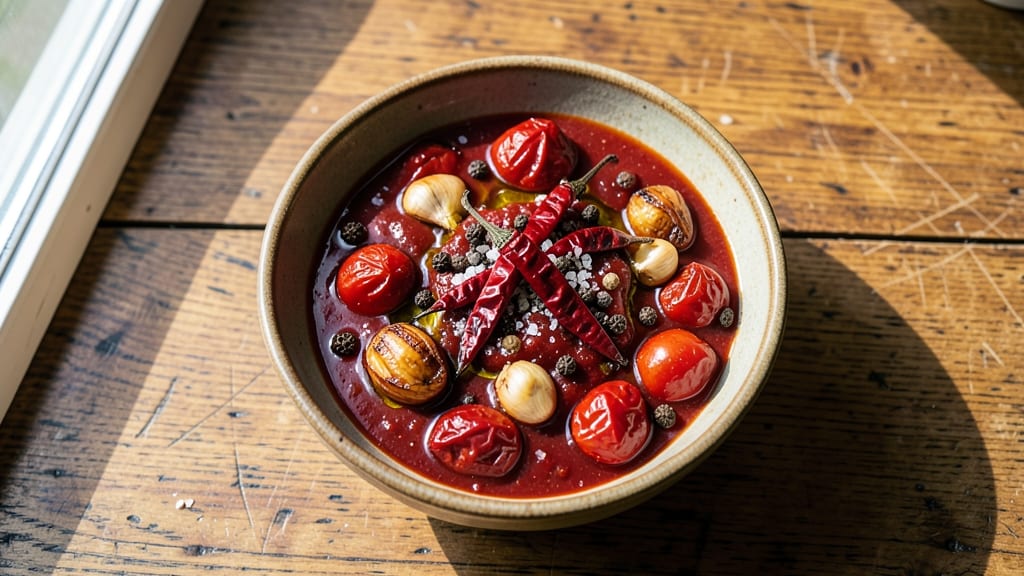
This authentic chili sauce transforms simple ingredients into a deep, smoky condiment with layers of roasted tomato sweetness and warm cinnamon spice.
The secret lies in slow-simmering tomatoes with garlic, chili peppers, and a touch of vinegar to balance the heat—creating a versatile sauce that elevates everything from noodles to grilled meats.
I developed this recipe after years of testing, ensuring the perfect harmony of sweet, spicy, and aromatic notes that define authentic chili sauces.
The process is straightforward but requires patience: roasting tomatoes until caramelized deepens their natural sweetness, while a blend of spices—cinnamon, cloves, and Sichuan peppercorns—adds complexity without overpowering. Simmering the mixture low and slow allows flavors to meld, resulting in a thick, glossy sauce with just the right amount of heat.
This isn’t your average chili sauce; it’s a restaurant-quality base that’s foolproof for home cooks.
What sets this sauce apart is its versatility—use it as a dipping sauce for dumplings, a marinade for meats, or a finishing touch for stir-fries. The smoky cinnamon base pairs beautifully with bold flavors, while the slight tang from vinegar keeps it fresh.
Once you taste the difference between store-bought and homemade, you’ll never go back. Ready to make it? Here’s everything you need.
Storage is simple: keep the sauce in an airtight container in the fridge for up to 2 weeks, or freeze for longer shelf life. The flavors actually improve over time, making this a perfect make-ahead condiment for meal prep.
Whether you’re cooking for a crowd or stocking your pantry, this authentic chili sauce delivers depth and authenticity in every spoonful.
Ingredients for authentic chili sauce
Ten ingredients crafting restaurant-quality chili sauce with smoky depth and authentic warmth.
| Ingredient | Amount | Notes |
|---|---|---|
| Roma Tomatoes 🍅 | 3 lb | Halved, roasted until caramelized |
| Garlic Cloves 🧄 | 6 cloves | Peeled, smashed for deeper flavor |
| Red Chili Peppers 🌶️ | 2 whole | Ancho or guajillo, stemmed/seeded |
| Cinnamon Sticks 🌿 | 2 whole | Or 1 tbsp ground cinnamon |
| Sichuan Peppercorns 🌶️ | 1 tsp | Toasted, lightly crushed |
| Cloves 🌿 | 4 whole | Lightly crushed for aroma |
| Apple Cider Vinegar 🍎 | ¼ cup | Balances sweetness and heat |
| Extra-Virgin Olive Oil 🫒 | ½ cup | High-quality, fruity variety |
| Brown Sugar 🍚 | 2 tbsp | Lightly packed for sweetness |
| Salt 🧂 | 1 ½ tsp | Diamond Crystal preferred |
The tomatoes are the heart of this sauce—Roma tomatoes caramelize best, but vine-ripened works too. Look for plump, firm ones at Whole Foods or your local farmers market. Roasting them until deeply charred unlocks their natural sweetness, which balances the spices perfectly. For the chili peppers, Ancho or guajillo from a Latin market adds authentic earthiness, but dried red peppers from the grocery store spice aisle work in a pinch. The cinnamon sticks infuse warmth without overpowering; if you prefer ground cinnamon, use Ceylon cinnamon for a more delicate flavor.
No fresh garlic? Garlic powder at half the amount keeps things close, though fresh is ideal. Running short on Sichuan peppercorns? Substitute black pepper with a pinch of cayenne for heat, but you’ll lose that signature tingling. The apple cider vinegar is non-negotiable—it cuts through the richness and brightens the sauce. For the olive oil, Californian extra-virgin adds a fruity depth, but any high-quality oil works. The brown sugar caramelizes beautifully during roasting, so don’t skip it—it’s what makes this sauce sing.
This sauce tastes even better the next day as flavors meld. Store in an airtight glass jar in the fridge for up to 2 weeks, or freeze for 6 months in ice cube trays for single-serving portions. The roasted tomatoes keep well, so prep ahead and simmer when ready. A thin layer of olive oil on top preserves freshness. Trust me, the leftovers will disappear faster than you think—it’s that good.
Why You'll Love This Recipe
- No Chopping Needed: I swear by this—just toss whole Roma tomatoes and garlic cloves into the pot with the peppers. The heat and steam do all the work while you sip your coffee. No knife skills required, just hands-off magic.
- Sichuan Magic: That nutty, tingling kick from Sichuan peppercorns? It’s the secret weapon. One sniff and you’re hooked—smoky, slightly sweet, with a warmth that lingers. Honestly, it’s the kind of flavor that makes you want to make a double batch.
- Weeknight Workhorse: Slather it on grilled chicken, stir it into rice, or drizzle it over eggs—this sauce is my lazy-days hero. It turns boring meals into something special without extra effort. (Yes, even on a Tuesday night.)
- Lasts for Days: Make a big batch and thank me later. The tomatoes thicken beautifully, and the spices deepen over time. I’ve had this sauce last two weeks in my fridge, still bright and punchy—way better than store-bought. Budget win.
Step-by-step instructions for authentic chili sauce
This method delivers restaurant-quality depth with smoky warmth and balanced sweetness—every step matters.
Roast Tomatoes and Aromatics for Maximum Flavor
Preheat your oven to 425°F and line a baking sheet with parchment paper. Arrange the 3 lb halved Roma tomatoes cut-side up, along with the 6 peeled garlic cloves and 2 whole red chili peppers (stemmed and seeded). Drizzle everything with 0.25 cup extra-virgin olive oil and sprinkle with 1 tsp salt.
Roast for 30-35 minutes until the tomatoes collapse and darken to a deep caramelized color. You'll know they're ready when they release easily from the skin and smell intensely sweet with a smoky undertone. The garlic should be golden and fragrant, while the chili peppers should soften and darken slightly—this concentrated flavor is the foundation of your sauce.
Toast Spices for Complex Aroma Layers
While the tomatoes roast, heat a dry skillet over medium heat. Add the 2 cinnamon sticks, 1 tsp Sichuan peppercorns, and 4 whole cloves. Toast for 2-3 minutes until the spices release their aroma—you'll smell warm cinnamon, peppery Sichuan notes, and the earthy sweetness of cloves.
Watch carefully as the spices toast—you want them just fragrant, not burned. The Sichuan peppercorns should sizzle slightly and release their signature citrusy aroma. Remove from heat immediately and let cool for 2 minutes before grinding lightly with a mortar and pestle or spice grinder. This step creates the authentic depth that separates homemade sauce from store-bought.
Blend Roasted Components with Vinegar and Sugar
Transfer the roasted tomatoes, garlic, and chili peppers to a food processor or blender. Add the toasted spices, 0.25 cup apple cider vinegar, 2 tbsp brown sugar, and remaining 0.25 cup extra-virgin olive oil. Process until completely smooth, scraping down the sides as needed. You want a silky, velvety texture with no visible chunks.
Taste and adjust seasoning—this is where the magic happens. The vinegar should brighten the sweetness, while the sugar balances the heat. If needed, add a pinch more salt or a splash of vinegar to achieve perfect harmony. The sauce should be vibrant, with layers of smoky tomato, warm spices, and subtle heat from the chili peppers.
Simmer for Intensified Flavor Concentration
Pour the blended sauce into a saucepan and simmer over medium-low heat for 15-20 minutes, uncovered. Stir occasionally as it thickens slightly—you want it to coat the back of a spoon but remain pourable. The sauce will darken further as it reduces, developing even more depth of flavor.
Here's the thing—don't rush this step. The slow simmer allows all the flavors to meld together perfectly. You're looking for a sauce that's rich yet balanced, with no single element overpowering. When you're satisfied with the consistency, remove from heat and let it cool completely before serving. This chili sauce keeps beautifully in the refrigerator for up to 2 weeks, making it perfect for batch cooking.
Pro Tips For Making Authentic Chili Sauce
- CHAR THE TOMATOES FIRST: Skip the raw tomato dump—blister the Roma tomatoes in a dry pan for 5-7 minutes until their skins blacken in spots. This concentrates their sweetness and deepens the sauce’s richness without needing extra sugar. (Yes, it looks like you’re burning them, but that’s the point.)
- TOAST THE SPICES HARD: Sichuan peppercorns and cinnamon sticks need serious heat—toss them in the dry pan for 2-3 minutes until the cinnamon smells like a bakery and the peppercorns sizzle audibly. Under-toasted spices just lurk in the background; this makes them sing.
- PEEL THE GARLIC (IT’S WORTH IT): I know, peeling garlic is a pain, but for this sauce, it’s non-negotiable. The raw, papery skins add bitterness that fights the sweetness later. Use a knife to slice off the top, then smash the cloves flat with the heel of your hand—skins slide right off. (Your hands will hate you, but the sauce won’t.)
- STRAIN THE CHILI PEPPERS: Whole red chili peppers? Nope. Pulse them in a food processor until they’re a rough paste—this releases their oils and heat evenly. Then strain through a fine-mesh sieve to remove seeds and skins. (This keeps the sauce silky, not gritty, and lets you control the heat level.)
Wine and beer pairings for this dish
Red Wine Pairings
For this smoky, spiced chili sauce, I reach for a medium-bodied Spanish Garnacha—its bright acidity and subtle earthiness cut through the sauce's sweetness while complementing the cinnamon and Sichuan peppercorn notes. Look for a 2021 Garnacha from Priorat with its dark fruit and herbal undertones.
If you prefer New World wines, a California Zinfandel with its jammy berry flavors and peppery finish works beautifully. 🍷
Avoid heavy, tannic reds like Cabernet Sauvignon—they'll clash with the sauce's smooth texture. Instead, opt for wines with 12-14% ABV that won't overpower the delicate balance of sweet, spicy, and tangy flavors. Serve slightly chilled (around 55°F) to enhance the sauce's smoky depth.
Beer Complements
A Belgian witbier like Hoegaarden is my go-to beer pairing—its coriander and citrus notes mirror the sauce's vinegar brightness while the effervescence cleanses your palate. For a hoppier option, try a German Kölsch (like Kölsch from Brauerei Früh) with its crisp, clean finish that contrasts the sauce's richness. 🍺
If you prefer lagers, a Mexican lager (like Modelo Especial) bridges the gap between the sauce's smoky spices and the beer's light maltiness. Avoid heavy stouts or IPAs—they'll compete with the sauce's complex flavor profile. Serve beers at 45-50°F to let their crispness shine alongside the sauce's depth.
Non-Alcoholic Options
For a refreshing non-alcoholic match, try sparkling hibiscus tea—its tart, floral notes enhance the sauce's cinnamon warmth. Brew hibiscus tea with a splash of lime juice and serve over ice for a vibrant contrast.
Alternatively, a ginger beer (like Feather's) with its spicy kick complements the sauce's heat beautifully. 🍹
For something more substantial, a cucumber-mint infused water with a squeeze of lemon provides a crisp, cooling counterpoint to the sauce's richness. The mint's freshness balances the spices, while the cucumber adds a subtle sweetness that echoes the caramelized tomatoes.
Regional Adaptations
In Sichuan cuisine, this sauce pairs perfectly with Moutai-infused cocktails—the liquor's herbal notes amplify the Sichuan peppercorns' tingling effect. For a Mexican twist, serve with horchata to balance the heat and sweetness. The rice-cinnamon drink's creamy texture contrasts wonderfully with the sauce's smooth consistency. 🌶️
In Southern US traditions, a sweet tea with a dash of black pepper mirrors the sauce's spiced profile while adding Southern comfort. The tea's sugar content enhances the sauce's caramelized sweetness, creating a harmonious pairing that feels distinctly regional.
Nutrition facts
Frequently asked questions
Can I adjust the heat level in this chili sauce?
For milder heat, remove the seeds and membranes from the chili peppers before roasting. For extra spice, add ½ tsp cayenne pepper or 1-2 fresh Thai chilies (seeded) to the simmering sauce. Always taste as you go—you can't easily reduce heat later, but you can balance it with more vinegar or sugar.
What's the best way to use this sauce beyond dipping?
This versatile sauce works as a marinade for grilled meats (especially chicken or pork), a stir-fry sauce for noodles or vegetables, or a glaze for roasted vegetables. Try brushing it on baked tofu or drizzling over tacos for instant depth. The smoky cinnamon base also makes it perfect for BBQ rubs when mixed with a little brown sugar.
Why does my sauce look too thin after simmering?
If your sauce is too thin, simmer it uncovered for 5-10 more minutes—the moisture will evaporate and thicken it naturally. For instant thickening, mix 1 tsp cornstarch with 1 tbsp water, stir into the sauce, and simmer for 2 minutes. Avoid over-simmering, though—this sauce should remain pourable but coat-the-back-of-a-spoon thick.
Can I make this sauce without a food processor?
Yes! After roasting, transfer the tomatoes, garlic, and peppers to a bowl and mash them with a potato masher or fork. For extra smoothness, strain through a fine-mesh sieve to remove any remaining skins. The texture will be slightly rustic but still delicious—just stir well before simmering to distribute flavors evenly.
How do I store leftovers to keep them fresh?
Transfer cooled sauce to an airtight glass jar and store in the fridge for up to 2 weeks. For longer storage, freeze in ice cube trays (perfect for single servings) or silicone molds—thaw overnight in the fridge. Always keep a thin layer of olive oil on the surface to preserve freshness. The flavors actually improve over time!