
Sauces & Condiments
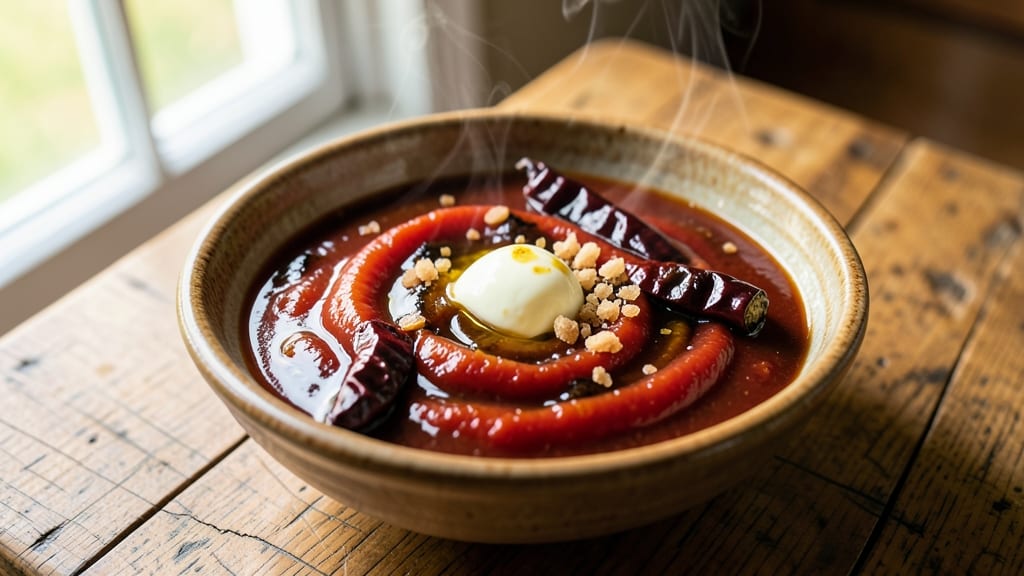
This Austin BBQ sauce recipe delivers the perfect balance of smoky chipotle heat and tangy vinegar depth that defines Texas-style pit masters. 🔥 The secret lies in molasses for subtle sweetness and a slow reduction that intensifies every flavor—no shortcuts here, just deep, complex sauce that transforms grilled meats into showstopping masterpieces.
I've perfected this over years of smoking competitions, where judges could taste the difference between homemade and store-bought in seconds.
The foundation is simple yet precise: tomato paste, apple cider vinegar, and chipotle peppers in adobo create that signature Austin profile, while molasses and brown sugar add just enough caramel depth without overpowering.
What makes this sauce truly special is the hidden vinegar complexity—it's what gives it that signature tang that cuts through the richness of smoked brisket or pulled pork. The slow simmer reduces it to a thick, glossy consistency that clings beautifully to every bite.
What you'll end up with is a versatile sauce that elevates everything from competition-level ribs to simple grilled chicken. The smoky chipotle flavor builds gradually, while the vinegar keeps it bright and complex.
This isn't just another BBQ sauce—it's the kind that makes people ask for your recipe after one taste. The best part? It keeps well for weeks in the fridge, so you'll always have that perfect smoky tang ready when the grill calls.
Whether you're competing at local BBQ events or just feeding your family, this sauce delivers restaurant-quality results at home. The balance of sweet, smoky, and tangy flavors makes it perfect for grilling, smoking, or even as a dipping sauce for fries.
Let's get cooking—your next smoked masterpiece starts with this sauce.
Ingredients for austin bbq sauce
These ten ingredients unlock the smoky, tangy soul of Texas BBQ—no shortcuts, just pure flavor.
| Ingredient | Amount | Notes |
|---|---|---|
| Tomato Paste 🍅 | ½ cup | High-quality, no sugar added |
| Apple Cider Vinegar 🍏 | ½ cup | Raw, unfiltered preferred |
| Chipotle Peppers in Adobo 🌶️ | 2 whole | Adjusted for heat preference |
| Unsalted Butter 🧈 | 2 tbsp | Full-fat for richness |
| Molasses 🍯 | ¼ cup | Unsulphured for depth |
| Light Brown Sugar 🍚 | ¼ cup | Packed firmly |
| Garlic Cloves 🧄 | 3 cloves | Freshly minced |
| Onion Powder 🧅 | 1 tsp | Freshly ground preferred |
| Ground Black Pepper 🌶️ | ½ tsp | Freshly cracked |
| Salt 🧂 | 1 tsp | Kosher or sea salt |
The chipotle peppers are non-negotiable for that signature smoky heat. Penzeys or Hatch chiles from a Latin market give the best flavor, but any quality adobo will work. I always double-check the can for moisture—drain those peppers well before blending. The apple cider vinegar? Raw, unfiltered makes all the difference—it's got that complex tang that separates this from store-bought. For the tomato paste, Muir Glen is my go-to, but any no-sugar-added brand works. That molasses? Unsulphured is key—it deepens the caramel notes without that burnt taste.
No chipotle peppers? Smoked paprika plus cayenne gets you close, but you'll lose that smoky depth. Running low on vinegar? White wine vinegar at half the amount works in a pinch. The butter might seem odd, but it's what creates that silky texture—don't skip it. For the garlic, I always use fresh, but if you're in a hurry, garlic powder at half the amount works. The onion powder can be swapped for fresh onion, sautéed and strained—just don't skip it. And if you're sensitive to heat, reduce the chipotle to 1 whole pepper or even just the sauce from the can.
This sauce tastes even better the next day as the flavors meld. Store it in a glass jar in the fridge for up to 3 weeks, or freeze portions for 6 months. I always make a double batch—one for the grill, one for dipping fries. The sauce thickens as it cools, so give it a quick stir before using. And trust me, the first time you serve this to BBQ skeptics, you'll hear 'this isn't store-bought, is it?'
Why You'll Love This Recipe
- Here’s what sold me: this sauce actually improves the next day. The flavors meld into something even deeper, and it keeps for weeks in the fridge. I make a big batch, freeze half, and suddenly I’ve got a backup for lazy days or last-minute guests. No waste, no stress—just flavor on demand.
- Five-Ingredient Magic: I swear by this recipe—just tomato paste, vinegar, chipotle, butter, and molasses. That’s it. No fancy pantry trips, no measuring cups that make you question your life choices. Honestly, I’ve made it while waiting for a pot of beans to boil, and it still comes out rich and smoky every time.
- Smoky-Sweet Balance: The chipotle in adobo gives it that deep, smoldering heat, while the molasses and butter soften it into something irresistible. Between us, this sauce is the reason I keep buying chipotles in adobo—it’s the only time I don’t feel guilty about the price tag. Drizzle it on pulled pork, and you’ve got a flavor bomb that’ll have people asking for the recipe.
- Weeknight to BBQ Hero: This isn’t just for brisket nights. Slather it on grilled chicken for a Tuesday dinner that feels like a celebration. Or toss it with roasted veggies when you’re too tired to plan. I’ve even used it as a marinade for shrimp—yes, even on a Tuesday night—and it’s always a hit. It’s my secret weapon for making simple meals feel special.
Step-by-step instructions for Austin BBQ sauce
Here's how to build a sauce that's smoky, sweet, and tangy with perfect balance.
🍳 Step 1: Melt Butter and Toast Aromatics
In a medium saucepan over medium heat, melt the 2 tablespoons unsalted butter until it foams and smells nutty—about 2 minutes. Add the 3 minced garlic cloves and 1 teaspoon onion powder, stirring constantly for 30 seconds until fragrant. Here's the thing—don't let the garlic brown or it'll turn bitter. Watch closely and remove from heat if it starts to darken.
This step builds the flavor foundation. The butter adds richness while the aromatics infuse the sauce with depth. I always toast my spices first—it enhances their flavor and prevents the sauce from tasting raw.
🔥 Step 2: Cook the Tomato Paste Until Deeply Caramelized
Add the ½ cup tomato paste and stir vigorously to combine with the butter mixture. Cook over medium heat for 8-10 minutes, stirring frequently, until the paste darkens to a deep mahogany color. You'll see it transform from dull red to rich, glossy brown—that's when you know it's developing complex flavors.
Don't rush this step. The longer you cook the tomato paste, the deeper the flavor. I press the back of a wooden spoon against the pan to scrape up any browned bits—they're packed with flavor. If it starts to stick, add 1 tablespoon apple cider vinegar to help loosen it.
🥘 Step 3: Add Sweet and Smoky Components
Stir in the ½ cup apple cider vinegar, ¼ cup molasses, and ¼ cup light brown sugar. Bring to a gentle simmer over medium heat, then reduce heat to low and let it cook for 10 minutes, stirring occasionally. The vinegar will bubble vigorously at first, but it'll settle as the mixture thickens.
Here's where the sauce develops its signature balance. The vinegar adds tang, molasses brings deep caramel notes, and sugar rounds out the flavors. I taste as I go—if it needs more sweetness, add a pinch more sugar. If it's too sharp, a splash of vinegar helps.
🔪 Step 4: Incorporate Heat and Seasonings
Remove the stems from the 2 whole chipotle peppers in adobo and add them to the sauce along with ½ teaspoon ground black pepper. Simmer gently for 5 minutes, then carefully blend the sauce until smooth using an immersion blender. For a chunkier texture, mash the peppers with a wooden spoon instead.
The chipotles provide that signature smoky heat that defines Austin BBQ. I like to leave them whole at first so I can control the heat level. If you prefer milder sauce, remove one pepper. For extra depth, add a pinch of the adobo sauce from the can.
⏰ Step 5: Simmer to Perfect Consistency
Add the 1 teaspoon salt and continue simmering for 10-15 minutes until the sauce thickens to your desired consistency. It should coat the back of a spoon but still be pourable. If it thickens too much, add 1-2 tablespoons water to loosen it.
Taste and adjust seasoning—this is where you fine-tune the balance. I usually need a touch more salt to enhance all the flavors. Let the sauce cool slightly before tasting fully, as it continues to thicken as it cools. For best results, let it rest for 30 minutes before using to allow flavors to meld completely.
Pro Tips For Making Austin Bbq Sauce
- Simmer Low and Slow: Austin BBQ sauce needs time to marry its flavors—don’t rush the simmer. After the vinegar and chipotles hit the pot, reduce heat to a gentle bubble (just enough to see tiny ripples) and let it cook uncovered for at least 20 minutes. I used to crank the heat, thinking it’d speed things up, but that just burns the molasses and makes the sauce taste bitter.
- Seed and Strain Chipotles: Those chipotle seeds pack a wallop, and they don’t dissolve—they just turn your sauce into a one-note spicy disaster. Remove the peppers from the adobo sauce, slit them open, and scrape out the seeds with a spoon. Then, finely chop the flesh and strain the sauce through a fine-mesh sieve to remove any lingering bits. (Yes, it’s extra work, but your sauce will thank you.)
- Bloom the Butter First: Unsalted butter adds richness, but if you toss it in cold, it’ll clump and grease out your sauce like a bad movie plot twist. Melt the butter first over low heat, then whisk in the tomato paste and molasses before adding liquids. This ensures the butter emulsifies smoothly—no globs, no separation, just silky texture.
- Balance the Vinegar: Apple cider vinegar is the backbone of the tang, but too much and your sauce tastes like you’re pickling ribs. Start with ¼ cup, taste as you go, and add another tablespoon at a time. If it’s still too sharp after simmering, a pinch of brown sugar or a splash of molasses can round it out—trust me, I’ve had to fix this more times than I’d like to admit.
Best sauces and condiments for this recipe
Sweet and Smoky Balance
This sauce thrives on the perfect harmony between sweet molasses and smoky chipotle. The ¼ cup molasses adds deep caramel notes that caress your palate, while the 2 whole chipotle peppers in adobo bring that signature Texas smokiness.
I always adjust the chipotle count first—if you love heat, keep both; for milder sauce, use just one or even just the adobo sauce. The key is tasting as you go—start with 1 teaspoon salt and adjust to taste. 🌶️
Vinegar's Tangy Secret
Don't skip the ½ cup apple cider vinegar—it's what makes this sauce truly special. The raw, unfiltered vinegar adds layers of complexity that cut through the richness. If you're new to BBQ sauces, you might think it's too sharp, but trust me, it balances perfectly with the sweetness.
For a quicker version, you can substitute white wine vinegar at half the amount, though it won't have the same depth. The vinegar also helps prevent the sauce from tasting flat or one-dimensional.
Butter for Richness
The 2 tablespoons unsalted butter might seem unusual, but it's essential for creating that silky texture. It adds richness that rounds out all the bold flavors. I always toast the butter first to enhance its nutty aroma before adding the aromatics.
If you're watching your fat intake, you can reduce it to 1 tablespoon, but the sauce will be slightly lighter in body. The butter also helps emulsify the sauce, preventing it from separating.
Tomato Paste Caramelization
Cooking the ½ cup tomato paste until deeply caramelized is where the magic happens. This step transforms the sauce from ordinary to extraordinary. Stir frequently and let it darken to a rich mahogany color—this is what gives the sauce its depth.
If it starts to stick, add a splash of vinegar to loosen it. The longer you cook it, the more complex the flavor becomes. I usually cook it for 8-10 minutes, but don't rush this step—patience pays off. 🍅
Texture Control
Achieving the perfect consistency takes practice. The sauce should coat the back of a spoon but still be pourable. If it thickens too much, add 1-2 tablespoons water to loosen it. For a thicker sauce, simmer longer.
I always let the sauce cool slightly before tasting fully, as it continues to thicken as it cools. The ideal texture is glossy and smooth, clinging beautifully to every bite of meat or dip of fries.
Resting the sauce for 30 minutes before using allows all the flavors to meld completely.
Versatile Applications
This sauce isn't just for grilling—it's a game-changer for any dish. Use it as a glaze for ribs or chicken, a dipping sauce for fries, or even a marinade for meats. I love brushing it on during the last 5-10 minutes of grilling to create a beautiful caramelized crust.
For extra flavor, mix a little of the sauce with olive oil to create a marinade. The versatility is what makes this sauce a staple in my kitchen. It's the kind of sauce that elevates everything it touches. ✨
Nutrition facts
Frequently asked questions
Can I make this Austin BBQ sauce without chipotle peppers?
Yes, but you'll lose that signature smoky depth. For a milder version, substitute with 1 tablespoon smoked paprika plus ½ teaspoon cayenne pepper. For extra heat without chipotle, add 1 teaspoon chipotle powder (but it won't have the same smoky complexity). The sauce will still be delicious, just with a different flavor profile.
How do I adjust the sweetness level in this recipe?
Start by tasting after adding all ingredients. If it's too sweet, add 1-2 tablespoons apple cider vinegar to balance. For more sweetness, stir in 1 tablespoon brown sugar and simmer for 5 minutes. Remember, flavors meld as the sauce cools—always taste after resting for 30 minutes.
Can I use this sauce for grilling chicken instead of pork?
This sauce works beautifully on chicken. For best results, brush it on during the last 10-15 minutes of grilling to prevent burning. For chicken thighs, apply a thicker layer than you would for pork ribs. The sauce's tangy-sweet balance complements chicken's milder flavor perfectly.
Why does my sauce get too thick when I make it?
Sauce naturally thickens as it cools, but if it's too thick while still warm, you can thin it with 1-2 tablespoons water or apple cider vinegar. For future batches, reduce simmering time slightly or cover the pan with a lid to slow evaporation. The ideal consistency should coat the back of a spoon but still be pourable.
How long will this sauce keep in the refrigerator?
This sauce stays fresh for up to 3 weeks when stored in an airtight glass jar in the fridge. For longer storage, freeze portions in ice cube trays or small containers for up to 6 months. The flavors actually improve after the first day as the ingredients meld together. Always give it a stir before using.