
Sauces & Condiments
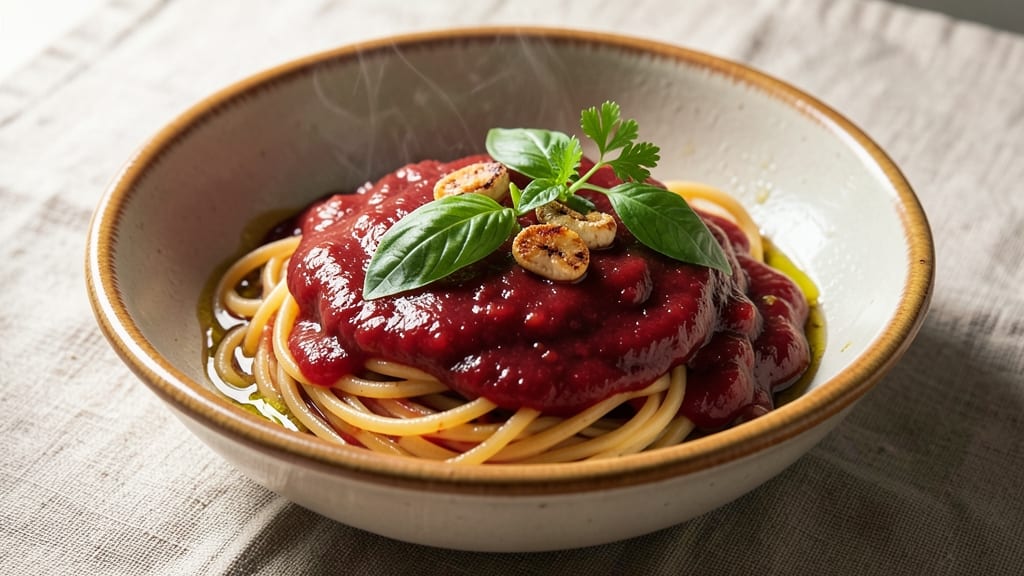
Aussie tomato sauce transforms ordinary meals into something special with its deep, smoky-sweet flavor and fresh herb finish. This isn’t your typical pasta sauce—it’s a versatile condiment that elevates grilled meats, roasted vegetables, or even toast with its rich, balanced taste. The secret lies in slow simmering tomatoes with Worcestershire sauce and a touch of stock, then brightening it with fresh herbs at the end. What makes this sauce stand out is its perfect balance of smoky depth from the BBQ twist and vibrant freshness from the herbs. Unlike thick, heavy sauces, this one stays silky yet light enough to drizzle or spoon. It’s the kind of sauce that turns a simple weeknight dinner into a restaurant-worthy experience without requiring fancy ingredients or techniques. The beauty of this recipe is its versatility—use it as a marinade, a topping for bruschetta, or a finishing sauce for pasta. The flavors develop beautifully over time, making it ideal for meal prep. Once you taste the difference between this homemade version and store-bought, you’ll never go back. Ready in just 30 minutes with minimal effort, this sauce delivers restaurant-quality results every time. Let’s get cooking!
Ingredients for aussie tomato sauce
Twelve simple ingredients create this smoky, herb-finished Aussie sauce that's restaurant-quality in 30 minutes.
| Ingredient | Amount | Notes |
|---|---|---|
| San Marzano Crushed Tomatoes 🍅 | 2 cups | High-quality, no salt added |
| Worcestershire Sauce 🍶 | 2 tbsp | Classic Lea & Perrins preferred |
| BBQ Sauce 🌶️ | 1 tbsp | Smoky, not sweet variety |
| Vegetable Stock 💧 | ½ cup | Homemade or quality brand |
| Fresh Basil Leaves 🌿 | ¼ cup | Packed, stems removed |
| Fresh Parsley Leaves 🌿 | ⅛ cup | Chopped, for brightness |
| Garlic Cloves 🧄 | 3 cloves | Peeled, roughly chopped |
| Extra-Virgin Olive Oil 🫒 | 2 tbsp | For richness, fruity variety |
| Brown Sugar 🍯 | 1 tbsp | Lightly packed |
| Dried Thyme 🌿 | ½ tsp | Or 1 tsp fresh thyme |
| Diamond Crystal Kosher Salt 🧂 | ½ tsp | Adjust to taste |
| Black Peppercorns 🌶️ | ¼ tsp | Freshly cracked |
The tomatoes are the foundation—San Marzano makes all the difference with their sweet, meaty texture. Grab a 28-ounce can from the international aisle at Whole Foods or Trader Joe's for the best flavor. Worcestershire sauce is non-negotiable for that deep umami kick; Lea & Perrins is the classic choice. The BBQ sauce adds smokiness without overpowering—look for a low-sugar variety (like Stubb's Original) to keep this balanced. Fresh herbs are key for that bright Aussie finish, so don't skip them—even if you use dried thyme, fresh basil and parsley make the difference.
No Worcestershire? Soy sauce plus a pinch of sugar works in a pinch. Short on fresh herbs? Dried basil at one-third the amount gets you close, but you'll miss that vibrant finish. The BBQ sauce can be swapped for smoked paprika plus a splash of vinegar if you're out. For extra depth, add 1/4 cup tomato paste (the kind from a squeeze tube at Trader Joe's works perfectly). The garlic can be roasted for a sweeter flavor—just wrap the whole cloves in foil and microwave for 30 seconds before chopping. Brown sugar adds subtle sweetness without making it cloying, but maple syrup works too if you're avoiding refined sugar.
This sauce tastes even better the next day as the flavors meld—make extra for leftovers. Store in an airtight container in the fridge for up to 5 days or freeze for 3 months. For meal prep, portion into small jars or ice cube trays—the perfect amount for drizzling. The sauce thickens as it cools, so if it's too thick after chilling, just stir in a splash of water or vegetable stock. Trust me, you'll want to make this weekly—it's that good.
Why You'll Love This Recipe
- One-Pot Wonder: I swear by this sauce because it’s literally one pot—no chopping, no fussing, just dump and simmer. The San Marzano tomatoes handle all the heavy lifting while I’m tossing a salad or answering emails.
- Smoky-Sweet Magic: That mix of Worcestershire and BBQ sauce? It’s like a secret handshake for flavor—deep, tangy, and just a little sweet without trying too hard. The basil at the end ties it all together with that bright, fresh punch.
- Pasta Party Ready: This sauce doubles as my go-to for spaghetti, but it’s also ridiculously good on toasted sourdough or even as a dipping sauce for fried chicken. (Yes, I’ve tested it. Yes, it works.)
- Leftovers That Don’t Suck: Unlike most sauces that turn gluey, this one actually tastes better the next day—if you can wait. I freeze half for lazy nights, and it reheats like a dream, no thinning needed. Budget win.
Step-by-step instructions for Aussie tomato sauce
This smoky, herb-finished tomato sauce delivers deep flavor with minimal effort—just follow along.
Sauté Garlic Until Fragrant
Heat the 2 tablespoons extra-virgin olive oil in a medium saucepan over medium heat. Add the 3 cloves roughly chopped garlic and cook for 30 seconds until they begin to sizzle—don’t let them brown, or they’ll turn bitter. Here’s the thing: you want that aromatic punch without charring.
Stir constantly with a wooden spoon to ensure even cooking. The garlic should smell intoxicatingly pungent within 30-45 seconds. If it starts to darken, reduce the heat slightly. This foundational step builds the sauce’s depth before we even add the tomatoes.
Build the Sauce Base
Pour in the 2 cups San Marzano crushed tomatoes, scraping the bottom of the pan to release any browned bits—they’re packed with flavor. Add the 2 tablespoons Worcestershire sauce and 1 tablespoon BBQ sauce, stirring to combine. The Worcestershire adds umami complexity, while the BBQ sauce brings that signature Aussie smokiness.
Bring the mixture to a gentle simmer over medium-low heat. Let it cook uncovered for 10 minutes, stirring occasionally. You’ll notice the sauce thickens slightly as the tomatoes break down. This is where the magic happens—let those flavors meld without rushing.
Add Liquids and Seasonings
Stir in the 0.5 cup vegetable stock, 1 tablespoon brown sugar, 0.5 teaspoon dried thyme, 0.5 teaspoon Diamond Crystal kosher salt, and 0.25 teaspoon freshly cracked black peppercorns. The sugar balances the acidity of the tomatoes, while the thyme and pepper add warmth. Taste the sauce now—it should be tangy and well-seasoned.
Simmer uncovered for another 15-20 minutes, stirring occasionally. The sauce should reduce slightly, becoming thicker and more concentrated. If it gets too thick before then, add a splash of water to loosen it. The goal is a velvety consistency that coats the back of a spoon.
Finish with Fresh Herbs
Remove the saucepan from heat and stir in the 0.25 cup fresh basil leaves and 0.125 cup chopped fresh parsley leaves. The herbs add brightness and freshness that cuts through the richness. Let the sauce sit for 5 minutes off the heat—this allows the flavors to fully integrate without cooking the herbs into oblivion.
Taste again and adjust seasoning if needed. The sauce should be balanced—sweet from the brown sugar, smoky from the BBQ sauce, and bright from the herbs. Serve immediately over pasta, with grilled meats, or drizzled over roasted vegetables. This sauce is best enjoyed fresh, but it keeps well in the fridge for up to 5 days.
Pro Tips For Making Aussie Tomato Sauce
- Simmer Slow and Low: After boiling the sauce hard to kill the raw tomato taste, drop the heat to a bare simmer—just enough to see tiny bubbles. I used to rush this, and the sauce always tasted thin and underdeveloped. Let it work for 30-45 minutes; patience here makes the sauce rich and balanced.
- Taste Before the Basil: Add the fresh basil last—right when you’re serving. Basil burns fast and turns bitter, and you’ll end up with a sad, brown mess. Taste the sauce without it first; adjust salt, Worcestershire, or BBQ sauce as needed, then fold in the leaves just before plating.
- Deglaze with Stock: After browning your aromatics (if you’re doing that step), don’t just splash in water—use the vegetable stock. It adds depth right from the start, and you won’t need to add extra later. This is the thing that matters most for a saucy, not watery, finish.
- Balance the BBQ: BBQ sauce can overpower if you’re not careful. Start with half the amount listed in the recipe, taste, then add more if needed. I was skeptical until I tried it—it keeps the sauce from tasting like a sweet, smoky dessert instead of a savory sauce.
Essential equipment for aussie tomato sauce
Saucepan Essentials
Start with a medium saucepan—I swear by All-Clad stainless steel because it distributes heat evenly and prevents scorching. If you don’t have one, a heavy-bottomed pot like Le Creuset works perfectly. Avoid thin, lightweight pans—they can’t handle the simmering time without hot spots. 🔥
For stirring, a wooden spoon is non-negotiable. It won’t scratch your pan and adds a rustic touch. I use a 10-inch silicone-coated wooden spoon from OXO—it’s heat-resistant and easy to clean. A whisk comes in handy too for blending the fresh herbs at the end.
Heat Control Tools
A kitchen thermometer ensures you maintain the perfect medium-low heat for simmering. I recommend the Thermoworks Thermapen ONE—it’s fast and accurate. Without one, use your hand: hold it a few inches above the pan—if it feels warm but not scorching, you’re golden.
For precise temperature adjustments, a gas stove gives better control than electric. If you’re on electric, use the back burner and adjust to medium-low—too high, and your sauce will burn before it reduces properly. A diffuser disk (like KitchenAid’s) helps spread heat evenly on electric burners.
Storage Containers
Store your finished sauce in glass airtight containers—I love Le Parfait jars with their wide mouths for easy pouring. They’re microwave-safe and stackable. For freezing, use silicone ice cube trays—just pour the sauce into each compartment, freeze, then transfer to a bag. This makes portion control a breeze.
Label your containers with the date—this sauce tastes best within 5 days in the fridge or 3 months in the freezer. A fine-tip permanent marker works best for labels. Pro tip: Freeze in small batches so you don’t thaw more than you need.
Fresh Herb Prep Tools
Chopping fresh basil and parsley is easiest with a sharp chef’s knife—I use Mac Knife’s 8-inch Professional—and a cutting board. For speed, a microplane works great for zesting garlic cloves before chopping.
If you’re short on time, a food processor can pulse the herbs, but you’ll lose some texture.
To keep herbs fresh longer, store them in airtight containers with a paper towel wrapped around the stems. Place them in the fridge’s crisper drawer—they’ll last up to 10 days. For maximum flavor, add the herbs just before serving if you’re prepping ahead.
Nutrition facts
Frequently asked questions
Can I make this Aussie tomato sauce in a slow cooker?
Combine all ingredients in your slow cooker and cook on low for 4-5 hours or high for 2-3 hours. The sauce will reduce naturally, and you can finish with fresh herbs off the heat. Just stir occasionally to prevent sticking—this method is perfect for hands-off cooking.
What's the best way to use leftover sauce?
This versatile sauce works perfectly as a marinade for grilled chicken or lamb, a topping for bruschetta or crostini, or a drizzle over roasted vegetables. For extra richness, mix with a spoonful of Greek yogurt or mascarpone cheese as a dip. It also freezes beautifully in ice cube trays for portion control.
Why does my sauce taste too acidic?
If your sauce tastes overly tangy, it's likely from the tomatoes or stock. Balance it by adding 1 teaspoon brown sugar or 1/2 teaspoon maple syrup to sweeten, or stir in 1/4 teaspoon baking soda (just a pinch!) to neutralize acidity. Taste as you go—this sauce should be bright, not sour.
Can I substitute canned tomatoes for San Marzano?
Yes, but expect less sweetness and more acidity. Use whole peeled tomatoes instead of crushed, and add 1 extra tablespoon sugar to compensate. For best results, crush the tomatoes by hand in the pan to mimic the texture. The difference in quality is noticeable, but it works in a pinch.
How do I make this sauce spicier?
Add 1/2 teaspoon red pepper flakes or 1 chopped fresh chili (like jalapeño) when sautéing the garlic. For smoky heat, increase the BBQ sauce to 2 tablespoons or add 1/2 teaspoon smoked paprika. Always taste first—you can adjust, but you can't take spice out!