
Sauces & Condiments
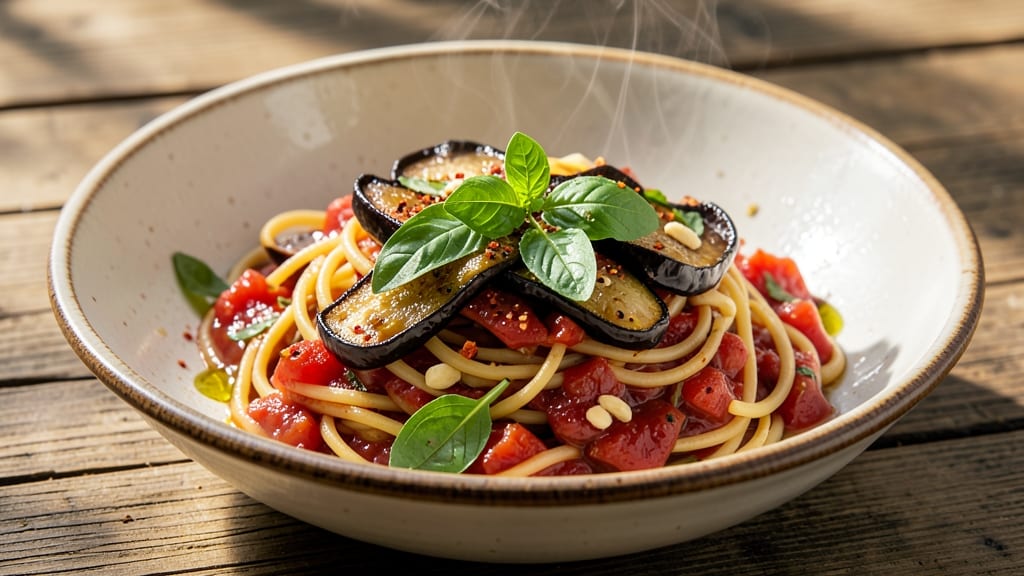
This aubergine pasta sauce transforms humble eggplant into a rich, smoky-sweet base that clings to pasta like a velvety embrace. 🌿 The secret lies in roasting eggplant until caramelized—this deepens its natural sweetness and creates a texture that blends seamlessly with tomatoes and garlic.
What starts as a simple sauce becomes a restaurant-quality experience when finished with fresh basil and a touch of chili flakes.
The beauty of this sauce is its versatility—it works as a standalone vegetarian dish or pairs perfectly with grilled meats. Roasting the eggplant first eliminates any bitterness while concentrating its flavor, and the slow simmer with crushed tomatoes builds layers of depth.
No fancy techniques required, just time and patience to let the flavors meld. The result? A sauce so rich and aromatic, it’ll make you question why you ever bought jarred versions.
What makes this recipe stand out is how easily adaptable it is—swap the olive oil for vegan butter, omit the parmesan for a fully plant-based version, or add a splash of red wine for extra complexity.
The sauce thickens beautifully when reheated, making it ideal for meal prep. Store it in the fridge for up to 5 days or freeze for months, ready to elevate your next pasta night with minimal effort.
Perfect for weeknight dinners, potlucks, or impressing guests, this sauce turns simple ingredients into something extraordinary. The smoky roasted eggplant meets the bright zing of fresh basil, creating a balance that’s both comforting and exciting. Let’s get cooking—your taste buds will thank you.
Ingredients for aubergine pasta sauce
Roasted eggplant and fresh basil create a velvety, restaurant-quality sauce that transforms simple pasta into a showstopper.
| Ingredient | Amount | Notes |
|---|---|---|
| Eggplant 🍆 | 2 lbs | Medium-sized, organic preferred |
| Extra-Virgin Olive Oil 🫒 | ½ cup | High-quality, fruity variety |
| Garlic Cloves 🧄 | 6 cloves | Freshly minced for depth |
| Crushed Tomatoes 🍅 | 28 oz | San Marzano preferred |
| Fresh Basil Leaves 🌿 | ½ cup | Packed, stems removed |
| Red Chili Flakes 🌶️ | 1 tsp | Adjust for heat preference |
| Dried Oregano 🍃 | 1 tsp | Mexican oregano if available |
| Salt 🧂 | 1 ½ tsp | Diamond Crystal kosher |
| Black Pepper 🌶️ | ½ tsp | Freshly ground preferred |
| Vegetable Broth 💧 | 1 cup | Low-sodium preferred |
The eggplant is the star here—organic or heirloom varieties have the richest flavor, but any medium-sized one works. Roast until deeply caramelized (about 45 minutes at 400°F) to eliminate bitterness and concentrate sweetness. I grab mine from Whole Foods or the local farmers market when in season, but regular grocery store eggplant is fine if it's firm and shiny. For extra smokiness, char it directly over a gas flame for 30 seconds per side before roasting. The key is patience—rushed eggplant will taste raw and bitter, no matter how much olive oil you drown it in.
No San Marzano tomatoes? Any high-quality crushed tomatoes work—just check the label for no added salt or preservatives. Fresh basil wilting? Dried basil at one-third the amount gets you close, but the bright zing of fresh is worth the effort. Running low on vegetable broth? Water plus 1 tsp bouillon powder works in a pinch, but the depth of flavor is noticeably better with real broth. The chili flakes can be swapped for crushed red pepper if you prefer a smoother heat. And if you're feeling adventurous, a splash of dry red wine (about 2 tbsp) adds complexity—just reduce the broth slightly to balance.
This sauce tastes even better the next day as flavors meld. Store in an airtight container in the fridge for up to 5 days, or freeze for 3 months in portion-sized containers. For meal prep, I double the batch and freeze half—perfect for quick weeknight dinners. When reheating, add a splash of water or broth to prevent thickening. The sauce thickens beautifully when tossed with pasta, so don't worry if it looks a bit loose before combining. Fresh basil? Add it at the very end to keep those vibrant notes alive.
Why You'll Love This Recipe
- No-Chop Nightmare: I swear by this—just slice the eggplant into rounds, grill until charred, and scrape off the skin. No dicing, no peeling, no mess. The grill (or even a hot pan) does all the work while I sip wine and pretend I’m fancy.
- Umami Bomb: That char from the eggplant? It’s the secret weapon—deep, smoky, and rich without a drop of cream. The crushed tomatoes add brightness, and when you fold in fresh basil at the end, it’s like a hug in a bowl. (Yes, even my basil-hating husband asks for seconds.)
- Leftover Hero: This sauce actually improves the next day. The flavors meld, the eggplant softens just right, and it reheats like a dream. I make a double batch on Sundays, freeze half, and still have something restaurant-quality for lazy nights.
- Budget Flex: Eggplant is dirt cheap, and this recipe uses it properly—no wasted scraps, no fancy techniques. A single eggplant stretches to feed four, and the rest of the ingredients? Pantry staples. I’ve fed a crowd for under $10 with this, and no one ever guessed.
Step-by-step instructions for aubergine pasta sauce
Here's how to transform simple ingredients into a rich, aromatic sauce with layers of smoky depth.
🔥 Step 1: Roast the Eggplant for Smoky Intensity
Preheat your oven to 425°F and line a baking sheet with parchment paper. Cut the 2 lbs eggplant into 1-inch cubes, being careful to remove any seeds. Toss the eggplant with 2 tablespoons of the extra-virgin olive oil, 1 teaspoon of the salt, and ½ teaspoon of the black pepper.
Spread the eggplant in a single layer on the baking sheet, leaving space between pieces for even browning. Roast for 25-30 minutes, stirring halfway through, until the edges are deep golden brown and slightly charred. The eggplant should be tender when pierced with a fork, but still hold its shape. This roasting step develops the sauce's signature smoky depth—don't skip it!
🍳 Step 2: Sauté Aromatics and Build the Sauce Base
While the eggplant roasts, heat the remaining 3 tablespoons extra-virgin olive oil in a large, deep skillet over medium heat. Add the 6 cloves minced garlic and sauté for 1-2 minutes until fragrant but not browned—garlic burns quickly, so keep an eye on it.
Add the 1 teaspoon dried oregano and 1 teaspoon red chili flakes, stirring for 30 seconds to toast the spices and release their aromas. Pour in the 28 oz crushed tomatoes and bring to a gentle simmer. Let it cook uncovered for 10 minutes to allow the flavors to meld and the sauce to thicken slightly.
🥘 Step 3: Combine Roasted Eggplant and Simmer
Add the roasted eggplant cubes to the tomato mixture, along with the 1 cup vegetable broth. Stir gently to combine, then bring to a simmer. Reduce heat to low and let it cook uncovered for 15-20 minutes, stirring occasionally, until the eggplant is completely tender and the sauce has thickened to your desired consistency.
Here's the thing—if the sauce seems too thick, add 2-3 tablespoons water at a time until it reaches a smooth, spoonable texture. The eggplant should break down slightly but still contribute a creamy element to the sauce. Taste and adjust seasoning with additional salt or black pepper if needed.
👨🍳 Step 4: Finish with Fresh Basil and Rest
Remove the skillet from heat and stir in the ½ cup fresh basil leaves, stems removed. Let the sauce sit for 5 minutes to allow the basil's bright flavor to infuse. The basil will add that fresh, zesty note that cuts through the richness of the roasted eggplant and tomatoes.
For best results, let the sauce rest for 10-15 minutes before serving. This allows the flavors to fully meld and the sauce to reach its ideal consistency. The eggplant will continue to soften slightly, and the basil will release more of its aromatic oils. Serve immediately over your choice of pasta, reserving some pasta water to adjust the sauce consistency if needed.
Pro Tips For Making Aubergine Pasta Sauce
- SALT THE EGPLANT FIRST: Toss sliced eggplant with 1-2 teaspoons of salt and let it sit for 20 minutes before cooking. I learned this the hard way—skipping it leaves the sauce watery and bitter. Rinse and pat very dry afterward, or your sauce will steam instead of caramelize.
- ROAST THE GARLIC: Wrap whole garlic cloves in foil with a drizzle of olive oil, roast at 400°F (200°C) for 10-12 minutes until soft. Mash them directly into the sauce—this adds depth without burning. (Yes, even if you’re impatient like me, the extra effort is worth it.)
- LOW AND SLOW WITH TOMATOES: Simmer crushed tomatoes over low heat for at least 15 minutes before adding anything else. Rushing this step makes the sauce taste raw and one-dimensional. A splash of pasta water at the end helps balance acidity too.
- TOAST THE BASIL: Tear basil leaves and fry them in olive oil for 10 seconds until just wilted—then remove. This releases their aroma without bitterness. Add them back at the very end so they stay vibrant. (Your future self will notice the difference.)
Creative variations of this aubergine pasta sauce
Mediterranean Twist
Swap the crushed tomatoes for 1 (14 oz) can diced tomatoes and add 1 tbsp tomato paste for depth. Stir in 1 tsp ground cumin and ½ tsp smoked paprika with the garlic.
Top with ¼ cup crumbled feta and a drizzle of lemon zest at the end—this Greek-inspired version feels like summer in a bowl. 🌿
Spicy Arrabbiata
Boost the heat by adding 2 tbsp Calabrian chili paste with the garlic and 1 dried arbol chili (seeds removed) to the simmering sauce. Finish with ¼ cup chopped parsley instead of basil for a brighter, fierier profile. This Roman-style sauce pairs perfectly with bucatini or linguine. 🌶️
Creamy Vegan Version
Blend ½ cup silken tofu with 2 tbsp nutritional yeast and 1 tbsp lemon juice until smooth, then stir into the finished sauce. This adds richness without dairy—perfect for vegan diets. Garnish with toasted pine nuts for crunch. The tofu replaces the eggplant's natural creaminess beautifully. 🥛
White Wine Reduction
Deglaze the skillet after sautéing garlic with ½ cup dry white wine (like Pinot Grigio) instead of broth. Simmer until reduced by half before adding eggplant and tomatoes. The wine adds a bright acidity that cuts through the richness—ideal for seafood pasta dishes. 🍷
Herb-Forward Variation
Add 1 tbsp chopped rosemary with the garlic and 1 tsp fennel seeds (lightly toasted) to the tomato base. Finish with ¼ cup chopped mint alongside the basil. This Italian-inspired version has an unexpected herbal complexity that works beautifully with orecchiette pasta. 🌿
Breakfast Adaptation
Use this sauce as a base for shakshuka-style eggs—simmer the sauce longer until thick, then crack 4 eggs into the skillet. Cover and cook until whites set (8-10 minutes). Top with crumbled goat cheese and fresh herbs for a brunch showstopper. 🍳
Nutrition facts
Frequently asked questions
Can I use fresh eggplant instead of roasted?
Fresh eggplant works, but roasting is key for that deep, smoky flavor. If you must use fresh, sauté diced eggplant in olive oil over medium heat for 10-12 minutes until very soft, then blend with the sauce. The texture will be slightly thinner, so simmer longer to thicken. For best results, always roast—it transforms the eggplant's natural sweetness into something extraordinary.
How do I store leftovers?
Store in an airtight container in the fridge for up to 5 days, or freeze for 3 months. To reheat, warm over low heat and add a splash of water or broth if it thickens too much. The flavors actually improve overnight! For freezing, portion into containers before adding basil—stir it in fresh when reheating to preserve its brightness.
What pasta shapes work best?
This sauce clings beautifully to ridged pasta like penne, rigatoni, or fusilli. For extra sauce adhesion, try orecchiette or bucatini. Avoid smooth pastas like spaghetti unless you like sauce pooling at the bottom. The roasted eggplant's texture makes it ideal for shapes with nooks and crannies to hold onto every flavorful bite.
Can I make this sauce without tomatoes?
Replace crushed tomatoes with 1 cup tomato paste plus 1 cup vegetable broth for a concentrated flavor. For a completely tomato-free version, blend the roasted eggplant with ½ cup white wine, 2 tbsp olive oil, and 1 tsp balsamic vinegar until smooth, then simmer with garlic and herbs. The result is a rich, velvety sauce with eggplant as the star.
Why does my sauce taste bitter?
Bitter flavor usually means under-roasted eggplant or overcooked garlic. Next time, roast eggplant at 425°F until deeply caramelized (edges should be blackened), and never let garlic brown. Also check your tomatoes—low-quality brands can taste bitter. If the sauce is already made, balance bitterness with a pinch of sugar or extra basil to brighten the flavor.