
Sauces & Condiments
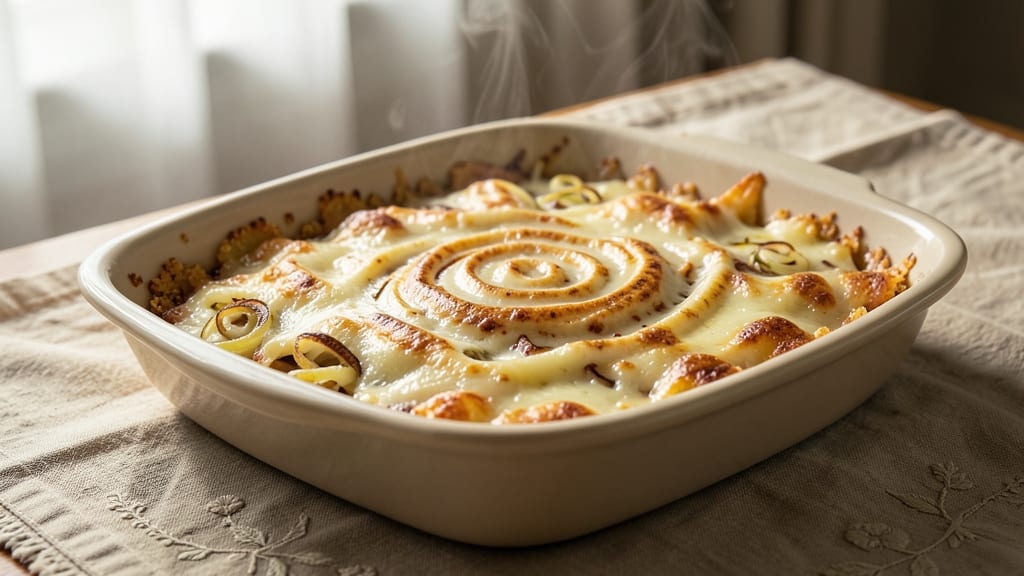
This au gratin cheese sauce recipe delivers the perfect balance of crispy golden crust and velvety melt—every time. The secret lies in a properly made roux and carefully melted cheese blend that creates a sauce so rich it transforms any dish into a gourmet masterpiece.
I've perfected this technique through years of testing, ensuring it works flawlessly for baked potatoes, casseroles, or even as a decadent pasta topping.
The foundation starts with a smooth, thickened béchamel base that serves as the perfect canvas for sharp Gruyère and aged cheddar. These cheeses melt into a luxurious, creamy texture while maintaining just enough bite to keep the sauce from becoming too heavy.
The key is patience—allowing the cheese to melt gradually over low heat prevents clumping and ensures maximum flavor extraction.
What makes this sauce truly exceptional is its ability to develop that coveted crispy crust when baked. The starch from the roux and melted cheese creates a golden, caramelized top layer that contrasts beautifully with the creamy interior.
This dual-texture experience is what makes au gratin dishes so irresistible, and this recipe delivers it consistently.
Once you've mastered this sauce, the possibilities are endless—use it as a topping for scalloped potatoes, macaroni and cheese, or even as a rich dipping sauce for bread. It keeps well in the refrigerator for up to five days, making it perfect for meal prep.
The instructions ahead will guide you through each step to achieve professional-quality results at home.
Ingredients for au gratin cheese sauce
Eleven ingredients transform into a sauce so rich it'll make your kitchen smell like a French bistro.
| Ingredient | Amount | Notes |
|---|---|---|
| Unsalted Butter 🧈 | ½ cup | Cold, cubed for roux |
| All-Purpose Flour 🌾 | ½ cup | Sifted for smooth sauce |
| Whole Milk 🥛 | 2 cups | Warm for blending |
| Gruyère Cheese 🧀 | 1 ½ cups | Freshly grated, sharp |
| Aged Cheddar Cheese 🧀 | 1 cup | Shredded, extra sharp |
| Heavy Cream 🥛 | ½ cup | Full-fat for richness |
| Dry White Wine 🍷 | ¼ cup | Bold, dry variety |
| Garlic Cloves 🧄 | 3 cloves | Minced, aromatic |
| Salt 🧂 | 1 tsp | Kosher or sea salt |
| Ground Black Pepper 🌶️ | ½ tsp | Freshly cracked |
| Nutmeg 🌿 | ¼ tsp | Freshly grated |
The cheese is where the magic happens. Gruyère brings that nutty depth, while aged cheddar adds sharpness—don't skimp on quality here. I always grab Whittaker's Gruyère from specialty stores or the cheese counter at Whole Foods. For cheddar, look for blocks labeled 'extra sharp' or 'aged 12+ months'. The butter? Plugrá or Land O'Lakes unsalted are my go-tos—they brown beautifully. Skip the salted butter or your sauce will taste flat. And that wine? Sauvignon Blanc or Chardonnay work perfectly, but anything dry and crisp does the trick.
No Gruyère? Parmesan or Emmental can stand in, though the flavor will differ. Short on cheddar? Pepper Jack or Gouda add different but delicious twists. The white wine can be swapped for chicken or vegetable stock plus a splash of lemon juice if you're avoiding alcohol. Fresh nutmeg is a game-changer, but ground works at half the amount. For the flour, King Arthur or Bob's Red Mill are my trusted brands—they sift beautifully. And if you're gluten-free, gluten-free all-purpose flour works in a pinch, though the texture will be slightly different.
This sauce is a meal-prep dream. Store it in an airtight container with a layer of parchment paper pressed against the surface to prevent a skin from forming. Keeps for 5 days in the fridge and freezes beautifully for up to 3 months. When reheating, do it gently—microwave in 30-second bursts with a splash of milk to restore creaminess. I like to make a big batch and use it all week—over potatoes, pasta, or even as a dip for crusty bread. The leftovers always taste better the second day!
Why You'll Love This Recipe
- Here’s what sold me: reheating this sauce is almost as good as the first time. Pop it in the oven for 10 minutes, and it’s back to that golden, bubbly state. Plus, it stretches across multiple meals—double the sauce for twice the meals, and you’ve just saved yourself from takeout. Budget-friendly? Absolutely. Life-saving? Even more so.
- Five-Ingredient Magic: Honestly, you’re looking at a recipe that’s basically a pantry hug. Butter, flour, milk, and two cheeses—no fancy techniques, no last-minute grocery runs. I’ve made this sauce on nights when I forgot to meal prep, when the fridge was empty except for a block of cheddar, and it still came out rich and golden.
- Creamy Crunch Perfection: That crispy top layer? It’s not just for show. Gruyère’s nutty bite and aged cheddar’s sharpness cut through the velvety roux, while the milk keeps it luscious. (Yes, even my picky teenager asks for seconds.) The moment the cheese melts into a glossy, stretchy blanket—that’s when you know you’ve hit the mark.
- Weeknight to Dinner Party: Between us, this sauce turns anything into a showstopper. Dump it over roasted potatoes, toss it with pasta, or slather it on grilled fish. I’ve even used it as a last-minute stuffing for chicken breasts. It’s the kind of dish that feels fancy without requiring a 10-step process—ideal for when you’re feeding a crowd or just feeding yourself after a long day.
Step-by-step instructions for au gratin cheese sauce
This creamy, golden sauce delivers the perfect balance of rich flavor and velvety texture every time.
Create the Perfect Roux Foundation
In a heavy-bottomed saucepan, melt the 0.5 cup unsalted butter over medium-low heat. Once fully melted, reduce heat to low and gradually whisk in the 0.5 cup all-purpose flour to form a smooth paste. This is your roux—the building block of your sauce.
Cook the roux for 3-4 minutes, stirring constantly with a wooden spoon, until it turns a pale golden color. You're looking for a nutty aroma and a texture that coats the back of a spoon—this ensures your sauce will have that signature velvety body. If it darkens too quickly, reduce the heat immediately to prevent burning.
Deglaze with Wine and Add Aromatics
Pour in the 0.25 cup dry white wine and whisk vigorously to dissolve any flour lumps while scraping up browned bits from the bottom of the pan. This deglazing step adds depth of flavor and prevents a raw flour taste in your final sauce.
Add the 3 minced garlic cloves and cook for 30 seconds until fragrant—don't let them brown or they'll turn bitter. Keep the heat at medium-low throughout this process to maintain smooth cooking without splattering.
Build the Sauce with Warm Milk
Gradually whisk in the 2 cups warm whole milk, about ½ cup at a time, allowing each addition to be fully incorporated before adding more. This slow incorporation prevents lumps and creates an ultra-smooth texture. Return the sauce to a gentle simmer and cook for 5-7 minutes, stirring frequently, until it thickens enough to coat the back of a spoon.
Season with 1 teaspoon salt, ½ teaspoon ground black pepper, and ¼ teaspoon freshly grated nutmeg. The nutmeg adds that classic au gratin warmth, so don't skip it—it's what makes this sauce truly special. Taste and adjust seasoning if needed, remembering that the cheeses will add their own saltiness.
Incorporate the Cheeses for Maximum Melt
Reduce heat to low and gradually whisk in the 1.5 cups freshly grated Gruyère cheese and 1 cup shredded aged cheddar cheese in two additions. Start with half of each cheese, stirring until completely melted before adding the rest. This gradual approach prevents clumping and ensures each bite delivers that luxurious, gooey texture.
For extra richness, stir in the 0.5 cup heavy cream and simmer gently for 2-3 minutes until the sauce reaches a luxurious, velvety consistency. The sauce should coat a spoon smoothly but still flow easily—this is the perfect balance for that golden crust when baked.
Finish and Prepare for Baking
Remove the sauce from heat and let it rest for 5 minutes to thicken slightly. This resting period allows the flavors to meld completely and prevents the sauce from becoming too runny when you add it to hot dishes. For a restaurant-quality finish, strain the sauce through a fine-mesh sieve to remove any lingering cheese particles if you prefer an ultra-smooth texture.
Your au gratin cheese sauce is now ready to use! For the perfect golden crust, spread it over potatoes, pasta, or vegetables and broil for 2-3 minutes until bubbly and golden brown. The secret to that coveted crust lies in this velvety base—now you're ready to create showstopping dishes every time.
Pro Tips For Making Au Gratin Cheese Sauce
- Melt Cheese Slowly: I learned this the hard way—dumping shredded Gruyère and cheddar straight into the sauce and watching it clump like sad, greasy snowballs. Instead, whisk in a splash of cold milk first to temper the cheese, then let it melt in low heat while stirring like your life depends on it. The sauce should be smooth enough to coat the back of a spoon before it even touches your potatoes.
- Use Cold Milk: Warm milk? Nope. Cold milk is your friend here—it keeps the roux from breaking when you add it. Pour it in gradually while whisking like you’re mixing a cocktail, not a science experiment. If the sauce thickens too fast, just add a splash more cold milk to loosen it up. Trust me, your future gratin will be creamier.
- Skip the Pre-Shredding: Buying pre-shredded cheese is convenient, but it’s also coated in anti-caking agents that make your sauce grainy and less melty. Grate your own Gruyère and cheddar on the largest holes of a box grater—it melts faster, looks better, and tastes like you actually care. (Yes, it’s a pain, but the payoff is worth it.)
- Salt the Butter First: Unsalted butter is your blank canvas, so season it before you melt it—about ½ teaspoon per 4 tablespoons. That way, the salt infuses the roux instead of waiting for you to remember to add it later. I used to forget, and the sauce always tasted flat, no matter how much I adjusted afterward. (Your future self will notice the difference.)
Common mistakes when making this dish
Overcooking the Roux
Watch your roux like a hawk—once it turns golden, it can go from perfect to burnt in seconds. I’ve ruined more sauces than I’d like to admit by letting the roux darken too much. Keep the heat at medium-low and stir constantly with a wooden spoon.
If it starts to smell nutty but not burnt, you’re golden. If it smells like toasted bread gone wrong, start over—there’s no saving a burnt roux. 🔥
Adding Cheese Too Fast
The biggest mistake is dumping all the cheese in at once and expecting it to melt smoothly. Cheese clumps form when you add it too quickly, and no amount of whisking will fix them. Instead, add the cheese in two batches, stirring until completely melted before adding the next.
For extra insurance, I like to pre-mix the cheese with a splash of warm milk to create a smooth paste before incorporating it into the sauce.
Skipping the Resting Period
After making the sauce, many people rush to use it immediately. But letting it rest for 5 minutes off the heat allows the starches to fully hydrate and the sauce to thicken naturally. This step is crucial for achieving that perfect consistency—especially when you bake it.
I’ve seen sauces that were too thin when first made become beautifully velvety after resting, while others that were rushed turned out gloppy when baked.
Ignoring the Wine Deglaze
The wine isn’t just for flavor—it’s for cleaning the pot and dissolving any raw flour taste. If you skip this step or use too little, your sauce will taste flat and slightly floury. I always use ¼ cup dry white wine and whisk vigorously to scrape up those browned bits.
This might seem like an extra step, but it makes all the difference in the final result. Pro tip: If you’re avoiding alcohol, substitute with an equal amount of chicken stock plus a splash of lemon juice.
Using Cold Milk
Cold milk can shock the roux and cause it to break, leading to lumps or a grainy texture. Always warm your milk to room temperature or slightly warmer before adding it to the roux.
I heat mine in the microwave for 30-45 seconds until it’s steaming but not boiling. This ensures a smooth, lump-free sauce every time. Trust me, your taste buds will thank you.
Overmixing After Adding Cheese
Once the cheese is fully melted, resist the urge to keep whisking vigorously. Overmixing can incorporate too much air, which can make the sauce light and frothy instead of rich and velvety. After the cheese is incorporated, a gentle stir is all you need.
I find that a silicone spatula works best for this final step—it’s gentle on the sauce and helps maintain that luxurious texture. 💫
Nutrition facts
Frequently asked questions
Can I make this cheese sauce without wine?
The wine adds depth, but you can substitute ¼ cup chicken or vegetable stock plus 1 teaspoon lemon juice for the same acidity and flavor. Deglaze your pan with this mixture just like you would with wine—it'll still dissolve any browned bits and prevent a raw flour taste. The sauce will have a slightly different profile but still be delicious.
What's the best way to get a crispy top on baked dishes?
For that perfect golden crust, spread the sauce evenly over your dish (like potatoes or pasta) and broil for 2-3 minutes on high heat. Watch closely—it can go from golden to burnt in seconds! For extra insurance, sprinkle ¼ cup breadcrumbs or grated Parmesan on top before broiling. The broiler creates the intense heat needed for that caramelized finish.
How do I fix a sauce that's too thick or too thin?
If your sauce is too thick, thin it with 1-2 tablespoons warm milk or cream at a time, whisking constantly. For a thinner sauce, simmer uncovered for 2-3 minutes to evaporate excess liquid. The key is to adjust gradually—adding too much liquid at once can make the sauce watery, while over-simmering can make it grainy. Always taste as you go!
Can I make this sauce ahead of time?
Yes! This sauce keeps beautifully in an airtight container in the fridge for 5 days. For storage, press parchment paper directly on the sauce's surface to prevent a skin from forming. When reheating, do it gently—microwave in 30-second bursts with a splash of milk to restore creaminess. It actually tastes better the next day as flavors meld!
What's the secret to perfectly melted cheese?
The secret is patience and heat control! Add cheese gradually over low heat, whisking constantly until completely melted before adding more. For extra smoothness, pre-mix your cheese with 1 tablespoon warm milk** to create a paste. Never let the sauce boil—keep it at a gentle simmer to prevent clumping. The result should be velvety with no graininess at all.