
Sauces & Condiments
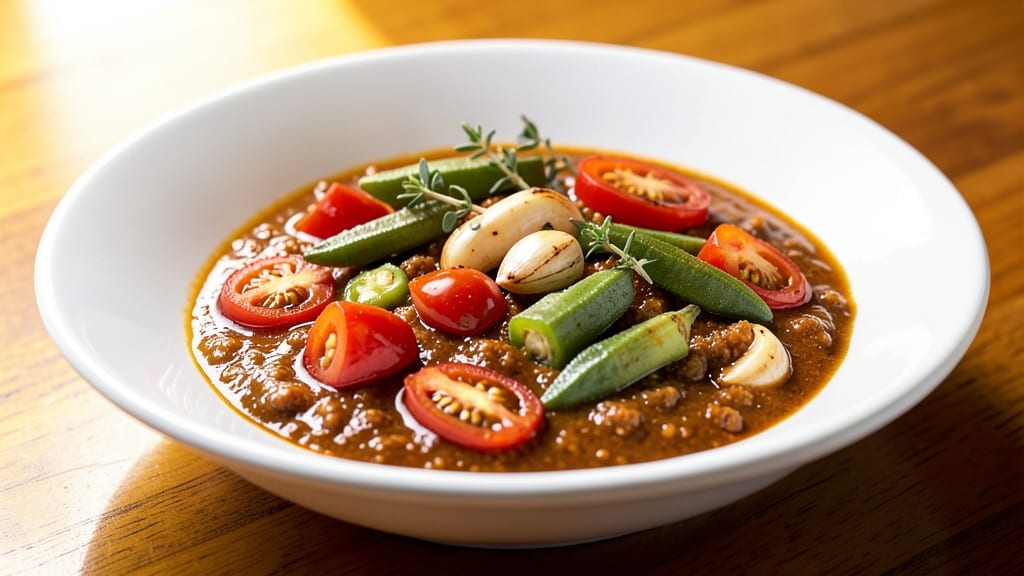
This attieke sauce recipe transforms humble cassava flour into a velvety, smoky dip that's the heart of Caribbean feasts. 🌟 The secret lies in simmering cassava flour with tomatoes, okra, and aromatic spices until it reaches that signature thick, glossy consistency—perfect for saltfish, grilled fish, or fried plantains.
I've perfected this version to balance earthy cassava with bright, tangy tomatoes and just enough heat from Scotch bonnet.
The sauce starts with a rich tomato base that cooks down into a concentrated, slightly sweet foundation. Cassava flour acts as the natural thickener, creating that signature velvety texture without needing cornstarch.
Fresh okra adds subtle body and a delicate sliminess, while garlic, thyme, and Scotch bonnet build layers of flavor that develop as they simmer. The result is a sauce that's both comforting and complex—smoky from the slow cooking, tangy from the tomatoes, and just spicy enough to linger.
What makes this attieke sauce truly special is its versatility. Use it as a dip for fried plantains, a marinade for grilled fish, or a sauce for saltfish—each application brings out different dimensions of its flavor profile.
The sauce thickens beautifully as it cools, making it perfect for meal prep. Store it in the refrigerator for up to 5 days, or freeze for longer storage without sacrificing texture.
This recipe delivers restaurant-quality results with simple techniques and accessible ingredients. The key is patience—letting the sauce simmer until it reaches that perfect balance of thickness and flavor. Once mastered, you'll find yourself reaching for this sauce again and again, transforming everyday meals into vibrant Caribbean-inspired dishes.
Ingredients for attieke sauce
Nine Caribbean staples transform into velvety, smoky magic for your plate.
| Ingredient | Amount | Notes |
|---|---|---|
| Cassava Flour 🌾 | ½ cup | Fine-ground for smooth texture |
| Fresh Tomatoes 🍅 | 2 cups | Diced, ripe and juicy |
| Fresh Okra 🌿 | ½ lb | Trimmed, sliced into rounds |
| Scotch Bonnet Pepper 🌶️ | 1 whole | Seeds removed for moderate heat |
| Garlic Cloves 🧄 | 4 cloves | Minced for aromatic depth |
| Fresh Thyme 🌿 | ¼ cup | Chopped, or 1 tbsp dried |
| Extra-Virgin Olive Oil 🫒 | ¼ cup | For simmering and richness |
| Salt 🧂 | 1 ½ tsp | Diamond Crystal preferred |
| Black Peppercorns 🌶️ | ½ tsp | Freshly cracked for flavor |
| Onion 🧅 | ½ whole | Yellow, finely chopped |
Cassava flour is the star here—Caribbean Food Crops or Amazon Fresh carry the best quality. Look for fine-ground flour (not coarse) for that signature smooth texture. Fresh okra is a must; Trader Joe's or local Caribbean markets usually have it. The Scotch bonnet pepper is non-negotiable for authentic heat—Pepper Palace sells them online if your local store doesn't stock. Garlic and thyme should be vibrant—Penzeys bulk bins are perfect for freshness. For the tomatoes, San Marzano if you want sweetness, or just grab the ripest from your grocery store's produce section.
No Scotch bonnet? Habanero at half the amount works in a pinch, but expect more heat. Fresh okra unavailable? Substitute 1/4 cup okra powder (find it in Caribbean sections or online). The onion can be swapped for 1/4 cup onion powder if you're in a rush, but fresh adds so much more depth. For the cassava flour, tapioca flour works too—just reduce to 1/3 cup. The olive oil matters—use something fruity and peppery like California Early Harvest to complement the sauce's complexity. And if you're feeling adventurous, add a pinch of nutmeg for that restaurant-quality touch.
This sauce tastes even better the next day as flavors meld. Store in an airtight container in the fridge for up to 5 days—it'll thicken beautifully. For longer storage, freeze in ice cube trays for perfect portions. Thaw overnight in the fridge before reheating. The sauce reheats wonderfully—just add a splash of water if it gets too thick. I always make a double batch; it disappears faster than you'd think—perfect for fried plantains, grilled fish, or even as a marinade for saltfish.
Why You'll Love This Recipe
- No-Fuss Base: I swear by this sauce because it’s that simple—just toast the cassava flour in a dry pan until it smells nutty, then toss in the raw tomatoes and okra. No peeling, no fancy prep, just chop and go.
- Scotch Bonnet Magic: That little pepper packs a punch, but in the best way—it lingers on your tongue without overpowering the bright acidity of the tomatoes. Honestly, the first time I made it, I thought, "Why haven’t I done this sooner?"
- Sauce for Everything: It’s my secret weapon for rice, grilled fish, even scrambled eggs. (Yes, even on a Tuesday night.) The okra thickens it just enough to coat, so it clings to whatever you’re serving—no extra slop, just pure flavor.
- Budget Stretch: A single batch feeds my whole family for days, and the cassava flour keeps for months. Between us, this is how I make fresh tomatoes last through the off-season without breaking the bank.
Step-by-step instructions for attieke sauce
This velvety Caribbean gem transforms humble ingredients into a smoky, aromatic masterpiece—let's make it shine.
🍳 Step 1: Sauté the Aromatic Base
Heat the 0.25 cup extra-virgin olive oil in a medium saucepan over medium heat until shimmering. Add the 0.5 whole finely chopped onion and cook for 3-4 minutes until translucent and fragrant. Here's the thing—don't rush this step. The onion needs to soften completely before adding the garlic.
Stir in the 4 cloves minced garlic and cook for another 30 seconds until golden—not browned, just perfumed. Add the 0.25 cup chopped fresh thyme and 0.5 tsp cracked black peppercorns, stirring constantly. You'll smell that earthy, citrusy aroma building—this is where the magic begins. Keep the heat at medium-low to prevent burning the delicate spices.
🔥 Step 2: Build the Tomato-Okra Foundation
Increase heat to medium-high and add the 2 cups diced fresh tomatoes and 0.5 lb sliced fresh okra. Stir well to combine, then reduce heat to medium. Let the mixture simmer uncovered for 10-12 minutes until the tomatoes break down and the okra softens slightly. You're looking for a thick, jammy consistency—this is your sauce's backbone.
Here's where it gets fun: Add the 1 whole seeded Scotch bonnet pepper (cut into quarters) and 1.5 tsp salt to taste. The pepper will infuse its fiery character without overpowering. Stir occasionally, scraping up any browned bits from the bottom—they're packed with flavor. If the mixture looks too dry, add 2-3 tablespoons water to help it along.
🥘 Step 3: Thicken with Cassava Flour
Lower the heat to low and gradually whisk in the 0.5 cup cassava flour over 1-2 minutes. This is critical—adding it too quickly creates lumps. You want a smooth, velvety texture, not a gluey mess. Stir constantly as the flour cooks out, thickening the sauce to a rich, dip-like consistency that coats the back of a spoon.
Simmer gently for another 5-7 minutes, stirring frequently, until the sauce reaches your desired thickness. It should be smooth enough to coat a spoon but still have body. Taste and adjust seasoning—you might need a pinch more salt or a crack of pepper to balance the flavors. The sauce should sing with tomato sweetness, okra's subtle bitterness, and that smoky Scotch bonnet heat.
⏰ Step 4: Rest and Serve
Remove the sauce from heat and let it rest for 10 minutes at room temperature. This resting period allows the flavors to meld and the sauce to thicken slightly more. I know it's tempting to dive in immediately, but patience here makes all the difference—trust me, it's worth the wait.
Serve warm with crusty bread, fried plantains, or as a dip for grilled meats. The sauce should be velvety with just a hint of okra's silky texture, balanced by the smoky heat of the Scotch bonnet. For extra richness, drizzle with a little more olive oil before serving. Store leftovers in the fridge for up to 5 days, though I doubt it'll last that long!
Pro Tips For Making Attieke Sauce
- Bloom the Okra First: Toss sliced okra into boiling water for 1 minute before adding to your sauce—this softens it just enough to break down properly without turning to mush. I learned this the hard way after ending up with a gloppy, unappreciated texture in my first batch.
- Toast the Cassava Flour: Dry-toast the cassava flour in a pan for 2-3 minutes before mixing it into your sauce—it removes the raw flour taste and prevents clumping. Sounds weird, but it works: your sauce will have a deeper, nuttier flavor.
- Blend Tomatoes Twice: Pulse fresh tomatoes once for a chunky texture, then blend half the batch separately for a smoother base. The contrast makes the sauce richer, and you skip the risk of an uneven, watery consistency.
- Sweat Garlic Low and Slow: Cook minced garlic in oil on low heat until it’s fragrant but not browned—burnt garlic will overpower the sauce’s delicate balance. I skip this when I’m rushed, but the dish is noticeably better when I don’t.
Regional styles of this attieke sauce
Ghanaian Attieke
In Ghana, attieke sauce is traditionally made with fermented cassava flour and served as a thick, porridge-like accompaniment to grilled fish or stews. The Ghanaian version skips tomatoes and okra, focusing instead on the cassava's natural earthiness.
I've seen it served with shito (spicy black pepper sauce) for a bold flavor contrast. The texture is thicker than the Caribbean version, almost like a stiff polenta, and it's often eaten with hands using plantain leaves. 🌶️
Jamaican Jerk Fusion
Jamaican cooks often blend attieke sauce with jerk seasoning for a fiery, smoky twist. Add 1 tablespoon jerk marinade powder (like Caribbean Jerk Seasoning Mix) to the simmering sauce and let it cook for 5 extra minutes.
This version pairs perfectly with jerk chicken or grilled pork chops. The Scotch bonnet in attieke sauce already brings heat, but jerk seasoning adds that signature Jamaican sweetness from allspice and thyme. 🔥
Trinidadian "Callaloo" Twist
Trinidadians sometimes incorporate callaloo (a leafy green similar to spinach) into attieke sauce for a vibrant green hue and extra nutrients. Swap ½ lb fresh okra for ½ lb chopped callaloo and simmer for 8-10 minutes until tender.
The result is a nutrient-rich sauce with a slightly bitter edge that balances the cassava's sweetness. Serve with roasted breadfruit or grilled red snapper for a true Trinidadian feast. 🌿
Surinamese "Pom" Version
In Suriname, attieke sauce is often called "pom" and includes green bananas for a starchy, slightly sweet profile. Replace ½ cup cassava flour with 1 cup grated green banana and cook until tender before adding the tomato-okra mixture.
The texture becomes more rustic, almost like a thick mash, and it's typically served with fried saltfish or curry goat. The green bananas add a subtle sweetness that complements the smoky heat beautifully. 🍌
Modern Fusion Adaptations
For a contemporary twist, try adding 1 tablespoon smoked paprika or ½ teaspoon liquid smoke to the simmering sauce for a deeper smokiness. Some chefs also blend in roasted red peppers for sweetness and color.
I've even seen attieke sauce used as a glaze for grilled vegetables—brush it on eggplant or zucchini before grilling for a unique Caribbean flair. The possibilities are endless once you master the base recipe! ✨
Nutrition facts
Frequently asked questions
What's the best way to store homemade attieke sauce?
Store it in an airtight container in the fridge for up to 5 days. The sauce actually tastes better the next day as flavors meld! For longer storage, freeze in ice cube trays—thaw overnight in the fridge before reheating. Add a splash of water if it thickens too much when reheated.
Can I use tapioca flour instead of cassava flour?
Yes! Tapioca flour works well as a substitute, though cassava gives that authentic Caribbean flavor. Use 1/3 cup tapioca flour instead of 1/2 cup cassava flour—it thickens more aggressively. The texture will be slightly different but still delicious, especially when paired with fried plantains or grilled fish.
How do I adjust the heat level in attieke sauce?
For milder heat, remove the seeds and membranes from the Scotch bonnet before adding it. For extra spice, add 1/2 teaspoon cayenne pepper or leave the seeds in. If the sauce is already too hot, balance it with 1 tablespoon tomato paste or a pinch of sugar to mellow the heat. Taste as you go!
What are the best dishes to serve with attieke sauce?
This versatile sauce shines with fried plantains, grilled fish, or saltfish. It also works as a marinade for chicken or pork, or as a dip for crusty bread. For a Caribbean feast, pair it with conch fritters or jerk chicken. The smoky, tangy flavors complement both rich and light dishes beautifully.
Why did my attieke sauce turn out too thin?
This usually happens if you didn't simmer long enough or added too much liquid. Next time, whisk in the cassava flour slowly over low heat and simmer for an extra 5 minutes. If it's still too thin, mix 1 tablespoon cornstarch with cold water and stir it in while heating. Patience is key—rushing the process can ruin the texture.