
Sauces & Condiments
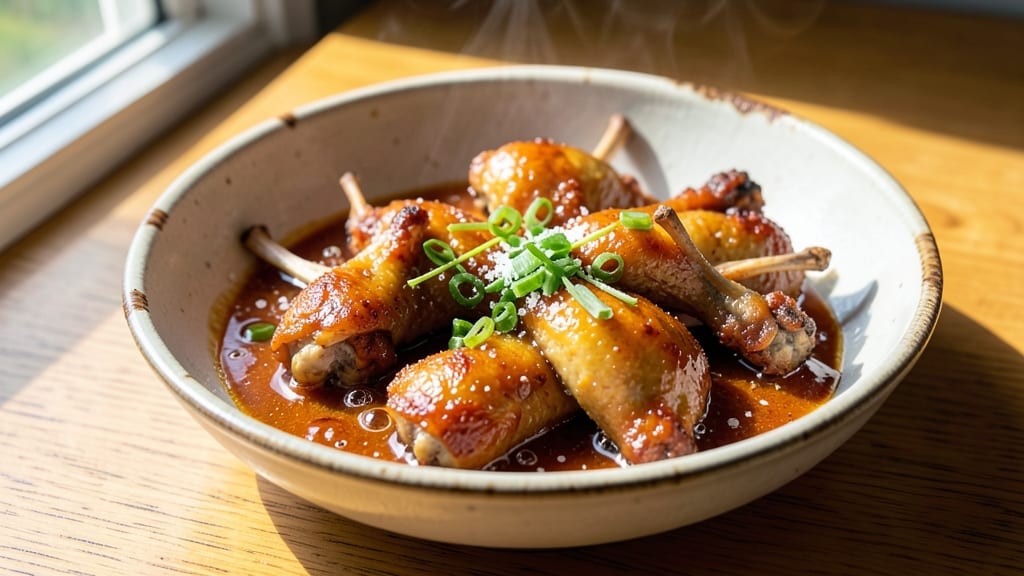
This atomic wings sauce recipe delivers a perfect storm of blistering heat, tangy brightness, and creamy richness that transforms ordinary wings into a flavor experience.
The secret lies in balancing cayenne, vinegar, and butter to create a sauce with layers of complexity—where the heat doesn't overwhelm, but instead builds with every dip. I've perfected this recipe through countless batches, ensuring the celery salt finish adds just the right crunch without masking the bold flavors underneath.
What sets this sauce apart is its versatility—it works as a dipping sauce for wings, a glaze for grilled meats, or even a marinade for tofu or vegetables. The recipe comes together in under 10 minutes with simple pantry staples, yet the result is restaurant-quality depth that elevates any dish.
The butter creates a velvety texture that coats every bite, while the vinegar and spices cut through the richness, creating a perfect harmony of flavors.
By the time you're done, you'll have a sauce that's dangerously addictive—spicy enough to satisfy heat lovers but balanced enough for everyday enjoyment. The celery salt finishing touch adds a subtle crunch and a touch of savory brightness that ties everything together.
This isn't just another hot sauce; it's a game-changer that will have you reaching for the wings again and again.
Once you've mastered the sauce, you'll want to keep it on hand for game days, movie nights, or whenever cravings strike. It stores well in the refrigerator for up to two weeks, making it the perfect addition to your condiment collection.
Let's get started on creating this signature sauce that will become a staple in your kitchen.
Ingredients for atomic wing sauce
Nine simple ingredients that explode with flavor—this sauce is your new obsession.
| Ingredient | Amount | Notes |
|---|---|---|
| Unsalted Butter 🧈 | ½ cup | Cold, cubed for easier mixing |
| White Vinegar 🍶 | ¼ cup | Distilled preferred for tang |
| Cayenne Pepper 🔥 | 2 tbsp | Adjust for desired heat level |
| Garlic Powder 🧄 | 1 tbsp | Freshly ground preferred |
| Onion Powder 🧅 | 1 tbsp | For savory depth |
| Celery Salt 🧂 | 1 tbsp | Morton's brand recommended |
| Smoked Paprika 🌶️ | 1 tsp | For subtle smokiness |
| Black Pepper 🌶️ | ½ tsp | Freshly cracked for bite |
| Granulated Sugar 🍚 | 1 tbsp | Balances heat and tang |
The butter is non-negotiable here—it creates that velvety texture that makes every bite irresistible. European-style unsalted butter like Plugrá or Land O'Lakes works best, but any good-quality brand will do. The vinegar is where the magic happens: distilled white vinegar gives the cleanest tang, but apple cider vinegar adds a fruity twist if you're feeling experimental. Cayenne is the star of the show, so don't skimp—this is where you control the heat. Trader Joe's has an affordable cayenne that's perfect for beginners. For the powders, freshly ground spices make all the difference—if you've got a spice grinder, toast the spices first for even deeper flavor.
No cayenne? Red pepper flakes at double the amount will get you close, though the texture will be slightly different. Short on vinegar? Lemon juice works in a pinch—just remember it's more acidic, so start with half the amount. The celery salt is what sets this sauce apart—Morton's is the gold standard, but any good-quality celery salt will do. Want to kick it up a notch? Add a pinch of MSG for umami depth (trust me, it works). For a smokier profile, swap the smoked paprika for a dash of liquid smoke. And if you're feeling really adventurous, a splash of hot sauce at the end can add another layer of complexity.
This sauce is best made fresh, but it keeps beautifully in the fridge for up to 2 weeks in an airtight container. For longer storage, freeze it in ice cube trays—just thaw and stir before using. The butter will separate slightly when refrigerated, so give it a good stir before serving. Pro tip: double the batch and freeze half. You'll thank me later when you're craving wings on a Tuesday night and don't want to run to the store. And if you've got leftovers on the sauce itself? Toss it in a blender with a little water to turn it into a quick hot sauce.
Why You'll Love This Recipe
- Five-Ingredient Magic: I swear, this sauce is the kind of recipe that makes you question why you ever bought store-bought. Butter, vinegar, and a pinch of cayenne—that’s it. Honestly, the simplicity is what sells me every time.
- Heat That Sticks: That cayenne brings the fire, but the butter smooths it out into something dangerously addictive. The garlic and onion powders? They’re the secret—just enough to make it taste like you actually put effort in.
- Game Day MVP: Between us, this sauce is my go-to for wings, but it’s also perfect for dipping fries, topping burgers, or even drizzling on grilled chicken. (Yes, even on a Tuesday night.)
- Budget-Friendly Fire: A jar of cayenne and a stick of butter won’t break the bank, and a little goes a long way. I’ve made batches that lasted weeks—freezing works great if you’re prepping for a crowd.
Step-by-step instructions for atomic wings sauce
This sauce delivers a perfect balance of smoky heat and tangy crunch—here's how to make it shine.
Melt the Butter and Vinegar
In a medium saucepan over medium-low heat, add the 0.5 cup unsalted butter and let it melt completely, stirring occasionally. Once fully melted and smooth, pour in the 0.25 cup white vinegar—you'll see it bubble gently as the acid reacts with the butter's milk solids.
This reaction creates a natural thickening agent, so don't rush this step. Keep the heat at medium-low until the mixture simmers steadily for 2-3 minutes. You're building the sauce's base here, so pay attention to the subtle changes in texture and aroma as the flavors begin to meld.
Add Dry Seasonings and Sugar
With the pan still on medium-low heat, reduce the heat slightly if needed to prevent boiling, then add all the dry ingredients: 2 tbsp cayenne pepper, 1 tbsp garlic powder, 1 tbsp onion powder, 1 tbsp celery salt, 1 tsp smoked paprika, 0.5 tsp black pepper, and 1 tbsp granulated sugar. Stir constantly for 1-2 minutes until everything is fully incorporated and the mixture becomes thick and glossy.
Here's where the magic happens—the celery salt and smoked paprika add that signature atomic wings crunch and depth, while the sugar balances the heat. You'll feel the texture transform from liquid to a rich, paste-like consistency. If it starts to separate, just keep stirring gently until it smooths out completely.
Simmer Until Thick and Glossy
Increase the heat to medium and let the sauce simmer uncovered for 8-10 minutes, stirring occasionally. You're looking for it to thicken significantly—it should coat the back of a spoon and leave a slight trail when you run your finger through it. The vinegar will continue to cook off, intensifying the tangy flavor.
This simmering step is crucial for developing the sauce's complex flavor profile. Watch for it to darken slightly in color—this indicates the Maillard reaction is happening, creating deeper, more developed flavors. If it gets too thick too quickly, you can add 1-2 tablespoons of water to loosen it, but try to avoid this if possible.
Cool and Adjust Consistency
Remove the sauce from heat and let it cool for 5-10 minutes. As it cools, it will thicken further. If it's still too thin for your liking, return it to low heat and simmer for another 2-3 minutes to reduce further. For a smoother texture, you can strain it through a fine-mesh sieve to remove any gritty bits from the spices.
This cooling step is where the sauce really comes together. The flavors will meld more completely, and the heat will mellow slightly, making it more balanced. Taste and adjust the seasoning if needed—you can always add more cayenne for extra heat or a pinch of sugar to balance it. Once cooled, the sauce should be thick enough to cling beautifully to wings without being gluey.
Store and Use
Transfer the cooled sauce to a clean jar or airtight container. It will keep in the refrigerator for up to 2 weeks, though I recommend using it within 1 week for the best flavor. When ready to use, give it a good stir—it may thicken further as it sits, so you might want to thin it slightly with a splash of water or vinegar if needed.
This sauce is incredibly versatile—use it on wings, fries, or even drizzle it over burgers for an extra kick. The celery salt gives it that signature atomic wings crunch, while the smoky, spicy flavors make it a standout. Serve it warm for the best experience, as the heat really comes alive when the sauce is at room temperature or slightly warmed.
Pro Tips For Making Atomic Wing Sauce
- Melt Butter Slowly: Start with low heat—just enough to soften the butter without browning it. I learned this the hard way after my sauce turned into a greasy, bitter mess from overheating. Let it melt gradually, then crank up the heat only after it’s fully liquid.
- Measure Vinegar Precisely: Use a tablespoon, not a splash—vinegar is the acid that balances the heat, and eyeballing it leads to either a weak sauce or one that’s too sharp. A 1:1 ratio with butter (by volume) works best for that signature tangy kick.
- Toast Your Spices: Bloom the garlic and onion powder in the butter for 30 seconds before adding vinegar—this deepens their flavor. Skip this, and your sauce will taste flat, no matter how much cayenne you throw in.
- Simmer, Don’t Boil: Keep the sauce at a gentle simmer after combining all ingredients. Boiling burns the vinegar and turns the butter grainy. A steady, low bubble keeps it smooth and emulsified—like a proper sauce should be.
Make-ahead tips for this dish
Batch Prep Essentials
Double or triple the recipe when you make it—I always prep 3 cups at a time so I have sauce ready for game days or last-minute cravings. Use a quart-sized mason jar or airtight container for storage.
Label it with the date to track freshness, and trust me, you'll want to use it within 1 week for peak flavor. The butter keeps it rich, but refrigeration can cause separation, so stir vigorously before each use. 🧈
Freezer-Friendly Cubes
For long-term storage, freeze the sauce in ice cube trays—just pour it in, cover, and pop out the cubes once frozen. Transfer to a freezer bag and flatten to save space. Thaw overnight in the fridge, then stir with 1-2 teaspoons of water to restore the original consistency.
This method works perfectly for portion control—grab just what you need for a single batch of wings. ❄️
Reheating Perfection
Warm the sauce gently on the stovetop over low heat for 2-3 minutes, stirring constantly to prevent scorching. Avoid microwaving—it can make the butter separate and ruin the texture.
If the sauce thickens too much after reheating, thin it with ½ teaspoon of vinegar or water at a time until it reaches your desired consistency. The heat will intensify slightly, so taste as you go. 🔥
Versatile Uses Beyond Wings
This sauce isn’t just for wings—use it as a glaze for grilled meats, a marinade for tofu or veggies, or even a dip for fries. I love drizzling it over baked potatoes or mixing it into mayonnaise for a spicy sandwich spread.
The key is to adjust the heat level to match your dish—start with ½ teaspoon of cayenne if you're using it on something delicate like shrimp. 🌶️
Flavor Boosting Hacks
Want to elevate your sauce? Add 1 teaspoon of Worcestershire sauce for umami depth or a pinch of MSG for extra savory punch. For a smokier profile, swap the smoked paprika for ½ teaspoon of liquid smoke.
If you’re feeling adventurous, stir in 1 tablespoon of hot sauce at the end for an extra kick. These tweaks take your sauce from good to unforgettable. ✨
Game Day Prep Plan
Here’s my foolproof game day strategy: Make the sauce the night before and store it in the fridge. While the wings bake, warm the sauce on the stovetop and keep it in a slow cooker on low to maintain warmth.
This way, you’re not stuck in the kitchen when guests arrive—just grab the wings, sauce, and celery salt for that signature crunch. Pro tip: Set out small bowls of blue cheese dressing and ranch for balance. 🏈
Nutrition facts
Frequently asked questions
Can I make this sauce without butter?
The butter creates that signature velvety texture, but you can substitute ½ cup mayonnaise or ¼ cup olive oil for a lighter version. Just reduce the vinegar by 2 tablespoons to balance the acidity. The sauce will be less rich but still packed with flavor!
How do I adjust the heat level?
Start with 1 tablespoon of cayenne for mild heat, then increase by ½ teaspoon increments until you reach your desired spice level. For extra kick, add 1 teaspoon of hot sauce at the end. Always taste as you go—heat builds as the sauce cools!
What’s the best way to keep the sauce from separating?
Stir vigorously before each use and avoid overheating. If separation happens, gently reheat on low heat while stirring constantly. For extra insurance, whisk in 1 teaspoon of cornstarch mixed with 1 tablespoon water to thicken it back up.
Can I use this sauce on other foods besides wings?
Try it as a glaze for grilled chicken or ribs, a dip for fries or veggies, or even a marinade for tofu or shrimp. For delicate foods, reduce the cayenne to ½ teaspoon to avoid overpowering the dish. The versatility is endless!
Why does my sauce taste too tangy?
Too much vinegar can make the sauce taste sharp. Balance it by adding ½ teaspoon more sugar or a pinch of salt. If it’s still too tangy, stir in 1 teaspoon of honey or maple syrup to mellow the acidity. Taste as you adjust!