
Sauces & Condiments
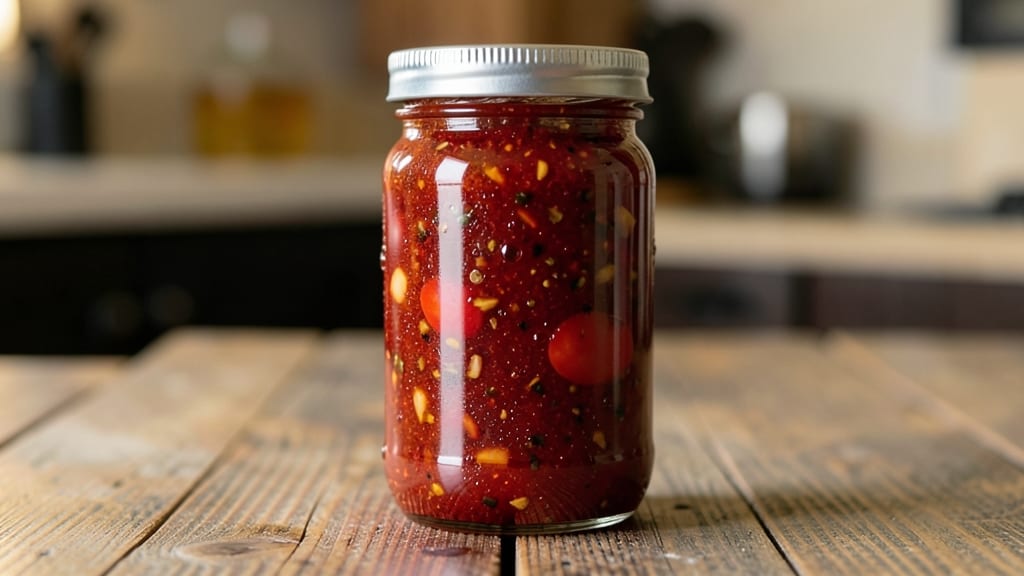
This atomic hot sauce recipe delivers the kind of fiery punch that turns ordinary meals into flavor explosions. 🔥 The secret lies in balancing fresh tomato zing with carefully selected peppers—habaneros and ghost peppers for that nuclear heat—while vinegar and sugar create the perfect acidic-sweet contrast.
I developed this recipe after years of experimenting with heat levels, and it never fails to impress even the most seasoned hot sauce enthusiasts.
The process is straightforward but requires patience: peppers are roasted to unlock their natural sweetness before blending with tomatoes, vinegar, and a touch of garlic for depth. Fermentation (optional) adds complexity, while proper straining ensures a smooth, vibrant sauce.
What you end up with is a bold, fruity heat that lingers on the tongue without overwhelming bitterness—ideal for drizzling on tacos, wings, or even seafood.
Storage is simple: refrigerate in a sealed jar for up to 6 months, shaking before each use to redistribute the peppers. The heat level is adjustable—reduce peppers for mild heat or double them for apocalyptic spice.
This isn’t just a condiment; it’s a flavor statement that transforms every dish it touches.
Whether you’re a hot sauce novice or a seasoned chilihead, this recipe delivers restaurant-quality heat with a homemade touch. Let’s get started on creating your own batch of nuclear-level flavor.
Ingredients for atomic hot sauce
Nine ingredients, one explosive flavor—this hot sauce packs nuclear heat with fresh tomato brightness.
| Ingredient | Amount | Notes |
|---|---|---|
| Fresh Habanero Peppers 🌶️ | 4 whole | Seeds removed for milder heat |
| Ghost Pepper 🔥 | 1 whole | Wear gloves when handling |
| Fresh Roma Tomatoes 🍅 | 1 ½ lb | Vine-ripened for best flavor |
| White Vinegar 💧 | 1 cup | Distilled preferred for clarity |
| Granulated Sugar 🍚 | ½ cup | Balances pepper heat |
| Garlic Cloves 🧄 | 4 cloves | Roasted for depth of flavor |
| Extra-Virgin Olive Oil 🫒 | ¼ cup | High-quality for richness |
| Salt 🧂 | 1 tsp | Kosher or sea salt |
| Black Peppercorns 🌶️ | ½ tsp | Freshly cracked for aroma |
| Red Wine Vinegar 🍷 | ¼ cup | Adds fruity complexity |
The peppers are where the magic happens. Habaneros bring the fruity heat, while the ghost pepper delivers nuclear-level spice—handle with care, especially if you're sensitive to capsaicin. I always grab mine from local Latin markets where they're freshest, but the grocery store works too. Look for peppers that are firm, not wrinkled, and vibrant in color. The Roma tomatoes? Heirloom varieties from the farmers market add extra depth, but regular grocery store Roma tomatoes work fine. Roast them first to concentrate their sweetness—trust me on this.
No habaneros? Scotch bonnets work in a pinch, though they're a bit milder. Skip the ghost pepper entirely for a more manageable heat level, but don't replace it with anything else—it's the secret weapon here. Running low on white vinegar? Apple cider vinegar adds a nice fruity note, though it might darken the sauce slightly. The sugar can be swapped for honey or agave, but it's crucial for cutting through the pepper heat. For the garlic, I always roast mine in the oven with the peppers—it adds a whole new dimension of flavor that raw garlic can't match.
This sauce keeps beautifully—6 months in the fridge once opened, if you can resist using it all. I store mine in a sterilized glass jar with a tight seal, shaking it before each use to redistribute the peppers. The heat mellows slightly over time, but the flavor only gets better. For gifting, I portion it into small bottles—4-ounce sizes are perfect for sharing. Freezing isn't recommended as it can alter the texture, but if you must, use ice cube trays for single-serving portions.
Why You'll Love This Recipe
- Here’s what sold me: that sugar isn’t just for sweetness—it cuts the ghost pepper’s bite into something layered. Imagine crisp tomato brightness, a slow burn, then a hint of vinegar tang. It’s the kind of sauce you’ll reach for even when you’re not craving fire.
- No Blender Needed: I swear by this—just chop, simmer, strain. No fancy gadgets, no pulsing until your arm gives out. The ghost pepper and habanero mellow into something smooth when you let them cook low and slow with tomatoes and vinegar.
- Sweet Heat Balance: Here’s what sold me: that sugar isn’t just for sweetness—it cuts the ghost pepper’s bite into something layered. Imagine crisp tomato brightness, a slow burn, then a hint of vinegar tang. It’s the kind of sauce you’ll reach for even when you’re not craving fire.
- Game for Any Meal: Between us, I’ve drizzled this on everything from breakfast eggs to weeknight tacos. It’s the secret weapon in my fridge—no fancy plating, just pure flavor. Even my picky roommate asks for it now.
Step-by-step instructions for atomic hot sauce
Here's how to transform fiery peppers into a balanced, explosive hot sauce that packs serious heat.
🔥 Step 1: Roast the Peppers and Garlic for Depth
Preheat your oven to 400°F and line a baking sheet with parchment paper. Arrange the 4 whole habanero peppers and 1 whole ghost pepper (cut in half lengthwise) on the sheet, cut sides down. Place the 4 cloves garlic directly on the peppers. Roast for 20-25 minutes until the peppers are charred in spots and the garlic is fragrant and golden.
This roasting step caramelizes the natural sugars in the peppers and garlic, creating a smoky complexity that balances the raw heat. Watch closely after 15 minutes—you want charring, not burning. The ghost pepper is particularly potent, so handle it with gloves if you're sensitive to capsaicin.
🍳 Step 2: Blend the Roasted Ingredients with Tomatoes
Transfer the roasted peppers and garlic to a blender along with the 1.5 lb fresh roma tomatoes. Add the 0.25 cup extra-virgin olive oil and 0.25 cup red wine vinegar. Pulse until the tomatoes break down, then blend on high for 1-2 minutes until completely smooth. You should have about 2 cups of puréed mixture.
Here's where it gets intense—if you're sensitive to heat, taste a tiny drop first. The blend should be vibrant red with a deep, smoky aroma. If it looks too thick, add 1-2 tablespoons of water to help with extraction. The olive oil helps emulsify the sauce later, while the red wine vinegar adds bright acidity to cut through the heat.
🥘 Step 3: Simmer and Reduce for Concentrated Flavor
Pour the purée into a heavy-bottomed saucepan and add the 1 cup white vinegar, 0.5 cup granulated sugar, 1 tsp salt, and 0.5 tsp freshly cracked black peppercorns. Bring to a boil over medium-high heat, then reduce to a gentle simmer. Cook uncovered for 45-60 minutes, stirring occasionally, until the sauce reduces by about half and thickens to a syrupy consistency.
You'll notice the sauce darken and intensify in color as it reduces. This is normal—it's concentrating all those fiery compounds. Stir frequently to prevent burning, especially toward the end when the sugar helps caramelize. The sugar isn't just for sweetness; it helps balance the acidity and heat while adding depth. When it reaches a consistency similar to ketchup, it's ready.
⏰ Step 4: Strain and Bottle for Maximum Heat
Let the sauce cool slightly, then strain it through a fine-mesh sieve into a clean jar, pressing gently on the solids with a spoon to extract all the liquid. Discard the pepper skins and seeds if you want a milder sauce, or keep them for maximum heat. The strained sauce should be smooth with a glossy sheen from the olive oil.
This straining step is crucial for texture—it removes any fibrous pepper skins that could make the sauce gritty. For the best results, let the sauce sit at room temperature for 24 hours before using. This allows the flavors to meld completely. Store in a sealed jar in the refrigerator for up to 3 months, or process in a water bath for long-term storage.
Pro Tips For Making Atomic Hot Sauce
- REMOVE PEPPERS’ SEEDS AND MEMBRANES: Ghost peppers and habaneros pack most of their heat in the seeds and veins—skip them if you want a cleaner burn without sacrificing flavor. After slicing, run your fingers along the center to scrape out every last bit, even if it feels tedious. (I learned this the hard way after my first batch tasted like a mouthwash commercial.)
- SIMMER TOMATOES FIRST: Dump raw Roma tomatoes into the pot with vinegar and sugar? Bad idea. They’ll turn to mush and water down your sauce. Instead, blanch or simmer them for 5–7 minutes until just soft—enough to break down but still hold shape. This keeps the sauce thick and vibrant, not like tomato soup.
- DON’T RUSH THE VINEGAR: Vinegar needs time to marry with the peppers and sugar. If you add it at the end and call it done, you’ll end up with a harsh, one-note sauce. Let the pepper-tomato base reduce for 10–15 minutes before adding vinegar, then simmer another 5. Patience here makes the difference between "spicy" and "complex."
- STRAIN OR DON’T: Want a silky-smooth sauce? Strain out the peppers and skins. Prefer texture? Leave them in. But here’s the catch: if you strain, add a splash of tomato paste or a pinch of xanthan gum to thicken it back up—vinegar alone won’t cut it. (Yes, even if you’re impatient like me.)
Dietary considerations for these flavors
Spicy-Free Alternatives
If you're sensitive to capsaicin or need a milder version, swap the ghost pepper for jalapeños (seeds removed) and reduce habaneros to 2 peppers. The heat will drop dramatically while keeping the tomato-vinegar brightness intact.
For a completely non-spicy version, omit all peppers and boost the tomato base to 2 lbs—add 1 tsp smoked paprika for depth instead. 🌶️
Gluten-Free & Allergen-Friendly
This recipe is naturally gluten-free and dairy-free, but always double-check your vinegar and sugar for cross-contamination warnings. For nut-free kitchens, ensure your olive oil is processed in a nut-free facility.
The only potential allergen is garlic—use a garlic-free alternative like asafetida powder (1/4 tsp) if needed. The sauce remains vibrant and flavorful without these adjustments.
Low-Sugar Options
To reduce sugar content, cut the granulated sugar to 1/4 cup and replace the rest with 1/4 cup unsweetened applesauce. This maintains balance while lowering the glycemic impact.
For keto-friendly versions, omit all sugar and use 1 tbsp erythritol or monk fruit sweetener—just know the texture will be slightly thinner. The vinegar's acidity will still cut through the pepper heat effectively. 🍚
Vegan Adaptations
This recipe is already vegan, but you can enhance the umami profile for plant-based diets by adding 1 tbsp soy sauce or 1 tsp miso paste during the simmering phase. For extra richness, replace half the olive oil with avocado oil.
The sauce's natural acidity and heat make it a perfect vegan condiment for everything from veggie burgers to roasted tofu. No animal products needed!
Fermentation Boost
For an extra layer of complexity, ferment the sauce for 3-5 days before straining. After the initial simmer, let it cool to room temperature, then transfer to a clean jar with a fermentation lid.
The natural bacteria will develop tangy notes that complement the heat. Use 1 tsp whey or lemon juice as a starter if needed. Fermented versions keep for 6+ months in the fridge. 💫
Nutrition facts
Frequently asked questions
Can I adjust the heat level in this atomic hot sauce?
For milder heat, reduce the ghost pepper to ½ pepper or omit it entirely, and use 2 habaneros instead of 4. For extreme heat, add 1 extra ghost pepper or 1 Carolina Reaper (seeds included). Always taste as you go—heat builds gradually during simmering!
Why does my hot sauce look cloudy after straining?
Cloudiness usually means residual pepper oils or unbroken seeds. For a crystal-clear sauce, strain twice through a fine-mesh sieve or cheesecloth, pressing gently. If you prefer some texture, leave in 10% of the pepper solids—they'll settle at the bottom but add depth when shaken.
How long should I ferment this sauce for best results?
Fermentation adds complexity but isn't required. For 3-5 days at room temperature, you'll get tangy depth. Use a fermentation lid or airlock to prevent mold. Skip fermentation if you prefer bright, fruity notes—this sauce shines fresh too! The vinegar already preserves it, so refrigerate after opening.
Can I make this sauce without fresh tomatoes?
Yes! Use 1 can (14 oz) crushed tomatoes or 2 cups tomato sauce instead. For extra richness, add 1 tbsp tomato paste to the blend. The texture will be slightly thicker, but the flavor remains vibrant. Canned tomatoes work best when reduced longer to concentrate their sweetness.
What's the best way to remove capsaicin burns from hands?
Rub hands with olive oil or coconut oil immediately—capsaicin dissolves in fats. Avoid water! For stubborn burns, mix baking soda with water into a paste and apply for 5 minutes. Never use alcohol—it spreads the burn. Always wear gloves when handling ghost peppers!