
Sauces & Condiments
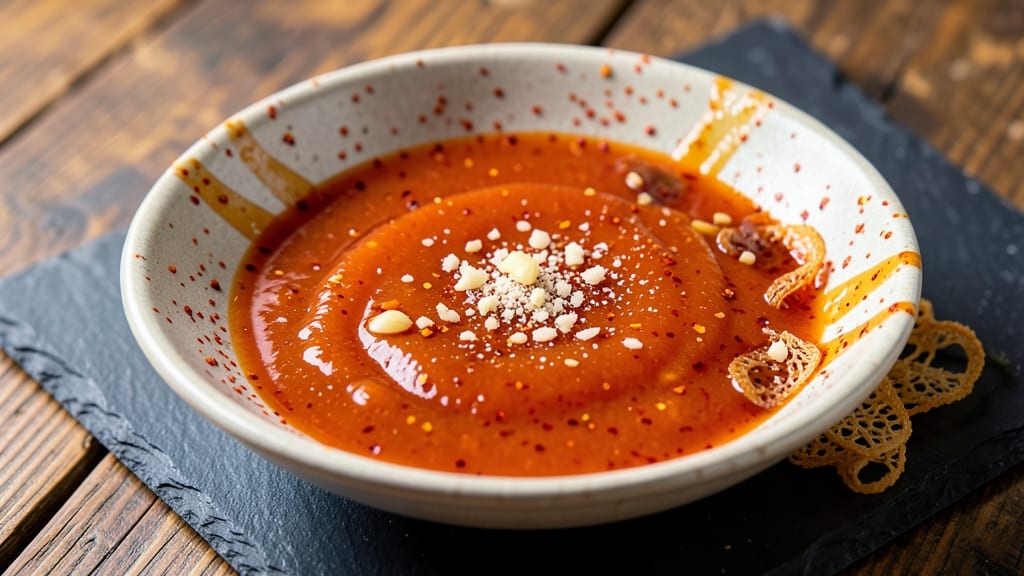
This Asian yum yum sauce recipe transforms ordinary dishes into restaurant-quality masterpieces with just 10 minutes of prep. The perfect balance of sweet, tangy, and spicy flavors makes it a must-have for stir-fries, dipping sauces, or grilled meats.
I developed this version after years of testing—it’s the one that finally delivers that signature sticky-sweet-spicy punch without any complicated techniques.
The secret lies in the combination of ketchup, vinegar, and a touch of sugar, which creates that addictive sweetness. A pinch of red pepper flakes adds just enough heat to keep things interesting, while garlic and onion powder bring depth.
The sauce thickens slightly as it sits, making it ideal for tossing with fried foods or drizzling over spring rolls. It’s versatile enough for both traditional Asian dishes and modern fusion recipes.
What sets this sauce apart is its ability to elevate simple ingredients—think crispy chicken wings, golden fries, or even grilled vegetables. The tangy-sweet profile cuts through rich foods while adding a bright, flavorful finish.
Best of all, it keeps well in the fridge for up to two weeks, so you can make a batch and use it all week long. No more last-minute store-bought shortcuts when you’ve got this foolproof recipe.
Ready to take your cooking to the next level? This sauce is the game-changer you’ve been waiting for—simple to make, impossible to resist. Let’s get started on creating your own batch today.
Ingredients for asian yum yum sauce
Nine simple ingredients create this addictive Asian yum yum sauce—perfect for stir-fries and dipping.
| Ingredient | Amount | Notes |
|---|---|---|
| Ketchup 🍅 | ½ cup | High-quality, no sugar added preferred |
| Rice Vinegar 🍶 | ¼ cup | White or seasoned variety |
| White Sugar 🍚 | 2 tbsp | Granulated or light brown |
| Red Pepper Flakes 🌶️ | 1 tbsp | Adjust for desired heat level |
| Garlic Powder 🧄 | 1 tsp | Freshly ground preferred |
| Onion Powder 🧅 | 1 tsp | For depth of flavor |
| Soy Sauce 🍶 | 1 tbsp | Light or dark preferred |
| Sesame Oil 🫒 | 1 tsp | Toasted for nutty aroma |
| Water 💧 | ¼ cup | For thinning if needed |
Ketchup is the base, so grab a bottle with no weird additives—Heinz or Del Monte work great. Rice vinegar makes all the difference (don't use apple cider—it's too strong). I always double-check the sugar for no artificial junk, but regular granulated works fine. Red pepper flakes? Trader Joe's has the best quality, but any brand works. For the powders, Penzeys or the bulk bins at Whole Foods are ideal if you want premium flavor, but grocery store brands are totally fine too.
No rice vinegar? White wine vinegar or apple cider vinegar in a pinch, but the flavor won't be identical. Skip the soy sauce? Coconut aminos works for a gluten-free option. Want less heat? Cut the red pepper flakes to half a teaspoon. The sesame oil is non-negotiable for that signature aroma—toasted sesame oil from Trader Joe's is my go-to. If your sauce gets too thick, add water one teaspoon at a time until it reaches that perfect sticky consistency.
This sauce tastes even better the next day as the flavors meld. Keeps in the fridge for up to 2 weeks in an airtight container. I always make a double batch—one for immediate use, one to stash in the freezer for 3 months. Thaw overnight in the fridge before using. Pro tip: Drizzle over hot food right before serving to keep that bright, tangy flavor popping.
Why You'll Love This Recipe
- Pantry Magic: I swear by this sauce because it’s made with stuff I always have—no special shopping trips needed. Ketchup, vinegar, sugar—it’s like a flavor upgrade for whatever’s already in your fridge.
- Sweet-Spicy Kick: That balance of garlic powder and red pepper flakes? Chef’s kiss. It’s tangy, just a little heat, and the sugar cuts through it perfectly—no weird aftertaste, just pure umami satisfaction.
- Taco Night to Takeout: Serve it on fries, drizzle it over grilled chicken, or toss it with noodles. Honestly, I’ve ruined takeout by making this at home instead—it’s that good, and it lasts for days.
- Budget Night Hero: A single batch stretches for weeks—I keep it in the fridge and use it like a fancy store-bought sauce. Plus, the ingredients cost pennies compared to pre-made condiments. Win-win.
Step-by-step instructions for Asian yum yum sauce
Here's how to make this tangy, sweet-spicy sauce that elevates stir-fries instantly.
Combine Wet Ingredients in a Saucepan
In a medium saucepan, pour in the 0.5 cup ketchup and 0.25 cup rice vinegar. Add the 2 tablespoons white sugar and stir until completely dissolved. The mixture should look smooth with no visible sugar crystals remaining.
Next, add the 1 tablespoon soy sauce and 1 teaspoon sesame oil. Gently stir to combine all ingredients. The sauce will start to thicken slightly as the sugar begins to dissolve. Keep the heat at low-medium to prevent the ketchup from boiling over.
Add Dry Seasonings and Simmer
Sprinkle in the 1 tablespoon red pepper flakes, 1 teaspoon garlic powder, and 1 teaspoon onion powder. Stir continuously for 1-2 minutes until the spices are fully incorporated and the mixture becomes aromatic. You'll notice the red pepper flakes disperse evenly, giving the sauce its signature heat.
Bring the sauce to a gentle simmer over medium heat. Let it cook for 5-7 minutes, stirring occasionally, until it thickens slightly. The sauce should coat the back of a spoon and have a glossy appearance. If it thickens too quickly, add 1-2 tablespoons of the 0.25 cup water to adjust the consistency.
Taste and Adjust Seasoning
Remove the saucepan from heat and let it cool for 2-3 minutes. Taste the sauce and adjust the seasoning as needed. If it needs more sweetness, add a pinch of sugar. For extra tang, add a splash of rice vinegar. If the heat level feels too mild, add a tiny pinch more red pepper flakes.
For depth, stir in a final ½ teaspoon of sesame oil to enhance the nutty aroma. The sauce should now have a perfect balance of sweet, tangy, and spicy flavors. If you prefer a smoother texture, strain the sauce through a fine-mesh sieve to remove any undissolved bits.
Use Immediately or Store
Transfer the sauce to a clean jar or airtight container. If using immediately, let it sit at room temperature for 5 minutes to allow the flavors to meld. This sauce pairs perfectly with chicken, beef, or tofu stir-fries, and even works as a dipping sauce for spring rolls.
For storage, refrigerate in an airtight container for up to 1 week. Before using, give it a quick stir and reheat gently if needed. The sauce thickens slightly when chilled, so add a splash of water or rice vinegar to loosen it before serving.
Pro Tips For Making Asian Yum Yum Sauce
- Simmer the Ketchup First: I learned this the hard way—dumping everything in at once leaves you with a gloppy mess. Warm the ketchup in a small saucepan over medium heat for 2-3 minutes until it thickens slightly. This step makes the sauce smoother and prevents separation later.
- Balance the Vinegar Slowly: Rice vinegar is potent, and I used to add it all at once, ending up with something too sharp. Start with half the amount, taste as you go, and add the rest one teaspoon at a time. You can always add more, but you can’t take it out.
- Toast the Red Pepper Flakes: Skip the dry toasting step, and your sauce will taste flat. Heat a dry skillet over medium-low and toast the red pepper flakes for 30 seconds until fragrant. This brings out their natural sweetness and depth—trust me, it makes a real difference.
- Use Garlic Powder Freshly Ground: Pre-ground garlic powder loses potency fast, and I used to grab whatever was in my cabinet. Buy whole garlic cloves, crush them finely, and let them sit uncovered for 10 minutes before mixing. The exposed surface area makes the flavor pop instantly.
Dietary considerations for asian yum yum sauce
Gluten-Free Adaptation
Swap the soy sauce for tamari or coconut aminos to make this sauce gluten-free. I’ve tested both—tamari gives the closest flavor to traditional soy sauce, while coconut aminos adds a subtle sweetness that works surprisingly well. Just use the same 1 tablespoon measurement. 🌱
Low-Sugar Options
Reduce the 2 tablespoons white sugar to 1 tablespoon and replace the rest with 1 tablespoon honey or maple syrup for natural sweetness. If you’re watching sugar strictly, try 1 teaspoon erythritol or monk fruit sweetener—it dissolves well and won’t alter the sauce’s tangy balance.
Taste as you go, since sweeteners vary in intensity.
Vegan-Friendly Swaps
This sauce is already vegan, but double-check your ketchup for hidden animal products—Heinz Vegan Ketchup is a reliable choice. For extra umami, add ½ teaspoon miso paste to the simmering sauce.
I also recommend using toasted sesame oil (vegan-friendly) and ensuring your red pepper flakes are certified vegan, as some brands use animal-based processing.
Spice-Free Version
Omit the red pepper flakes entirely for a mild sauce, or replace them with ½ teaspoon smoked paprika for warmth without heat. If you want some spice but less intensity, reduce the red pepper flakes to ½ teaspoon and add ¼ teaspoon ground ginger for a gentle kick.
Always taste before serving—adjustments are easy at this stage!
Allergy Considerations
For soy allergies, use 1 tablespoon gluten-free fish sauce (like Red Boat) or 1 teaspoon nutritional yeast for umami depth. If avoiding sesame, skip the oil entirely—it’s optional for flavor, not structure.
For sulfite-sensitive individuals, check your rice vinegar label; Miyoko’s brand is sulfite-free. Always verify ingredient labels, as cross-contamination can occur in shared facilities.
Kid-Friendly Tweaks
Cut the red pepper flakes to ½ teaspoon (or omit entirely) and reduce the rice vinegar to ¼ cup to soften the tang. Add a pinch of ground cinnamon for warmth—kids often love the subtle sweetness it adds.
Serve this milder version as a dipping sauce for chicken nuggets or fries, and let them customize their own heat level with a sprinkle of flakes on the side. 👶
Nutrition facts
Frequently asked questions
Can I make this sauce without ketchup?
Yes! Replace the ketchup with ½ cup tomato paste plus 1 tablespoon apple cider vinegar for tang. For a fruitier version, blend ½ cup cooked tomatoes with 1 teaspoon sugar and use that instead. The texture will be slightly thicker, so add 1-2 tablespoons water if needed.
How do I adjust the heat level?
Start with ½ teaspoon red pepper flakes for mild heat, then increase to 1 tablespoon for medium, or 2 tablespoons for spicy. For smoky depth without heat, swap the flakes for ½ teaspoon smoked paprika. Always taste as you go—adjustments are easy at this stage!
What's the best way to store leftover sauce?
Transfer to an airtight container and refrigerate for up to 2 weeks. The sauce thickens when chilled, so stir in 1 teaspoon water or rice vinegar before using. For longer storage, freeze in ice cube trays—thaw overnight in the fridge and use as needed. Label with the date to track freshness.
Can I use this sauce on non-Asian dishes?
Drizzle over burgers, tacos, or grilled corn for a sweet-spicy twist. It's fantastic on fried chicken, pizza, or even as a marinade for steak. The key is balancing rich flavors with its tangy-sweet profile. Think of it as your secret weapon for global fusion dishes!
Why does my sauce look too thin?
Simmer the sauce uncovered for 2-3 extra minutes to reduce it naturally. If it's still too runny, mix 1 teaspoon cornstarch with 1 tablespoon water, stir into the sauce, and cook for 1 more minute until thickened. Avoid overcooking—just enough to coat the back of a spoon.