
Sauces & Condiments
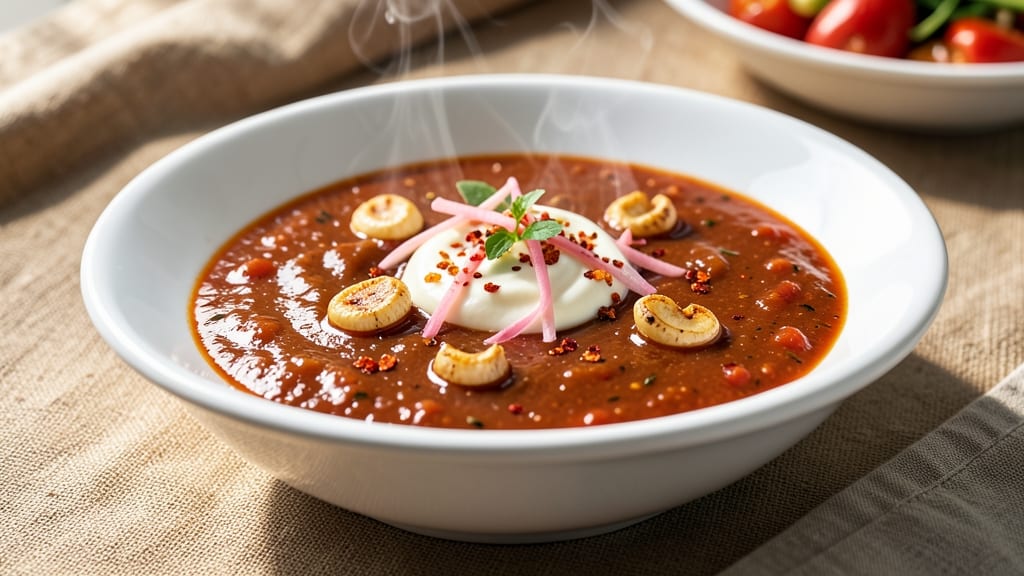
This Asian tomato sauce recipe transforms simple ingredients into a sweet-spiced umami gloss that elevates stir-fries, noodles, and grilled meats with restaurant-quality depth. The secret lies in balancing tangy tomatoes with aromatic spices—garlic, ginger, and a touch of coconut milk—to create a sauce that’s both vibrant and complex.
I developed this recipe after years of refining Asian-inspired flavors, and it’s now my go-to for adding richness without overpowering dishes.
The sauce starts with a sautéed spice base of garlic, ginger, and chili, which builds layers of heat and aroma before the tomatoes and coconut milk come together for a velvety texture.
A splash of soy sauce and a hint of sugar round out the flavors, ensuring each spoonful delivers a perfect harmony of sweet, spicy, and umami notes. The result? A glossy, clingy sauce that clings to every bite, transforming simple proteins and vegetables into something extraordinary.
What makes this sauce truly versatile is its ability to adapt—use it as a dipping sauce for dumplings, a stir-fry gloss, or a marinade for grilled meats. It keeps well in the fridge for up to a week, making it perfect for meal prep or gifting.
The process is straightforward, but the flavors are anything but basic—this is the kind of sauce that turns ordinary meals into memorable ones.
Ready to elevate your cooking? This sauce is your secret weapon for adding depth, complexity, and a touch of sweet-spicy umami to any dish. Let’s get started—your taste buds will thank you.
Ingredients for asian tomato sauce
Eight simple ingredients create this vibrant, restaurant-quality Asian tomato sauce that transforms stir-fries and noodles instantly.
| Ingredient | Amount | Notes |
|---|---|---|
| Canned Crushed Tomatoes 🍅 | 1 can | San Marzano preferred for sweetness |
| Coconut Milk 🥥 | ½ cup | Full-fat for creaminess |
| Garlic Cloves 🧄 | 4 cloves | Minced for aromatic base |
| Fresh Ginger 🌿 | 1 tbsp | Finely grated, not powdered |
| Red Chili Flakes 🌶️ | 1 tsp | Adjust for heat preference |
| Light Soy Sauce 🥫 | 1 tbsp | Kikkoman preferred |
| Granulated Sugar 🍚 | 1 tbsp | Balances acidity |
| Extra-Virgin Olive Oil 🫒 | 2 tbsp | For sautéing aromatics |
| Sesame Oil 🌱 | 1 tsp | Toasted for nutty finish |
| Cornstarch 🌾 | ½ tsp | For thickening (optional) |
The tomatoes are the heart of this sauce—San Marzano cans give the sweetest, most consistent flavor, but any good-quality crushed tomatoes work. I always grab mine from Trader Joe's or the international aisle at Whole Foods if I'm feeling fancy. Fresh ginger is non-negotiable here (no powdered substitutes)—the bright, peppery kick makes all the difference. For the coconut milk, full-fat canned versions (like Thai Kitchen) blend best and add that luxurious creaminess. If you're short on time, the pre-minced garlic jars work, but fresh is always better—just chop it yourself in 30 seconds.
No soy sauce? Tamari or coconut aminos work perfectly, though the flavor will be slightly different. Running out of sesame oil? Toasted peanut oil gives a similar nutty depth. Want more heat? Add a pinch of Sichuan peppercorns (toasted and ground) or extra chili flakes. The cornstarch is optional but helps if you prefer a thicker consistency—just mix it with 1 tbsp cold water first. For a vegan version, skip the optional cornstarch and let the sauce thicken naturally on the stove. The sauce freezes beautifully, so make a double batch—it's perfect for meal prep or gifting.
This sauce keeps for up to 1 week in the fridge, sealed in an airtight container. For longer storage, freeze in ice cube trays—just thaw and stir before using. The flavors actually deepen over time, so leftovers often taste even better. I like to portion it into small jars for easy grab-and-go use on stir-fry nights. If it thickens too much when refrigerated, just add a splash of water or coconut milk to loosen it up. Trust me, the first time you drizzle this over steaming noodles or fresh dumplings, you'll be hooked.
Why You'll Love This Recipe
- Pantry-to-Pot Magic: I swear by this sauce because it starts with three ingredients you likely already own—crushed tomatoes, coconut milk, and garlic. No fancy shopping, no last-minute ingredient hunts. Just open, measure, and stir.
- Ginger-Chili Kick: That first spoonful? Chef’s kiss. The fresh ginger and chili flakes cut through the coconut’s richness, giving it a bright, spicy depth that sticks with you. It’s the kind of flavor that makes you reach for seconds—even when you’re not supposed to be eating seconds.
- Weeknight Swiss Army: This sauce is my secret weapon for lazy nights: toss it with noodles, stir into curry, or drizzle over rice. It’s the one ingredient that turns a simple meal into something special—no matter what’s on the menu.
- Budget Bingo: A can of tomatoes, a can of coconut milk, and a few cloves of garlic? That’s under $5 for a sauce that feeds four. And the best part? It keeps for days in the fridge, so you’re not scrambling for dinner ideas.
Step-by-step instructions for Asian tomato sauce
This sweet-spiced sauce comes together in minutes with simple techniques for big flavor.
Sauté Aromatics Until Fragrant
Heat the 2 tablespoons extra-virgin olive oil in a medium saucepan over medium heat. Add the 4 cloves minced garlic cloves and 1 tablespoon finely grated fresh ginger, stirring constantly for 1-2 minutes until the garlic turns golden and the ginger loses its raw bite.
Here's the thing—don't let the garlic burn. You'll know it's ready when the pan smells intensely aromatic and the raw garlic color disappears. If it starts to darken too quickly, reduce the heat slightly. These aromatics form the flavor foundation of your sauce, so take your time with this step.
Add Tomatoes and Simmer
Pour in the 1 can canned crushed tomatoes and stir well to combine with the aromatics. Add the 1 tablespoon light soy sauce, 1 tablespoon granulated sugar, and 1 teaspoon red chili flakes. Bring the mixture to a gentle simmer over medium-low heat, then reduce to low heat and let it cook uncovered for 10-12 minutes.
You're looking for the sauce to thicken slightly and reduce by about 1/3. Stir occasionally to prevent sticking, and taste after 8 minutes—this helps you gauge when the balance of sweet, salty, and spicy flavors comes together. If it needs more heat, add a pinch more chili flakes; if it needs sweetness, add a little more sugar.
Incorporate Coconut Milk and Finish
Once the tomato mixture has reduced, stir in the 0.5 cup coconut milk. The sauce should become noticeably creamier and more velvety. Let it simmer gently for another 3-4 minutes to allow the coconut milk to blend completely and the flavors to meld.
For an extra depth of flavor, add the 1 teaspoon toasted sesame oil now. The nutty aroma will elevate the sauce to restaurant-quality levels. If you prefer a slightly thicker consistency, whisk together the 0.5 teaspoon cornstarch with 1 tablespoon water, then stir it into the sauce and cook for 1-2 minutes until it reaches your desired thickness.
Adjust and Serve
Taste the sauce and make any final adjustments—perhaps a touch more soy sauce for saltiness, or a pinch more sugar to balance the acidity. The sauce should be glossy, aromatic, and perfectly balanced between sweet, spicy, and umami flavors.
Let the sauce cool slightly before using it to prevent the coconut milk from separating. This versatile sauce works beautifully over stir-fried vegetables, grilled meats, or even as a dip for spring rolls. The flavors only deepen as it sits, so it's perfect for making ahead and reheating gently when ready to use.
Pro Tips For Making Asian Tomato Sauce
- Bloom the Garlic First: I learned this the hard way—raw garlic in coconut milk sauce tastes bitter and fights with the tomatoes. Sauté 3-4 minuted in oil until just golden (not crispy) before adding anything else. The aroma changes everything.
- Simmer, Don’t Boil: This sauce needs patience. After adding coconut milk, keep it at a gentle simmer—tiny bubbles, maybe 160°F (70°C)—or the milk will split and turn greasy. I used to rush it, and the texture always suffered.
- Toast the Chili Flakes: Skip the raw heat—lightly toast your red chili flakes in a dry pan for 30 seconds until fragrant. This deepens the flavor without overpowering, and it prevents that harsh, chemical taste you get from straight-from-the-jar heat.
- Strain the Ginger: I was skeptical until I tried it: grating fresh ginger and straining out the pulp before adding it to the sauce makes the texture silky. The fibrous bits turn to mush and clog your sauce—save yourself the cleanup. (Yes, even if you're impatient like me.)
Regional styles of asian tomato sauce
Japanese Tomato Ketchup
In Japan, this sauce transforms into a sweet-spicy ketchup called tomato ketchup (トマトケチャップ), often used on burgers, hot dogs, or even fried rice. Replace the soy sauce with 1 tablespoon mirin and 1 tablespoon honey, then add ½ teaspoon grated daikon for a subtle fermented depth.
The coconut milk is omitted entirely—this version is lighter but still clings beautifully. 🌶️
Thai Tomato Curry Base
For a Thai-inspired curry sauce, blend this recipe with 1 cup coconut milk (instead of just ½ cup) and add 1 tablespoon red curry paste (like Maesri) and 1 teaspoon fish sauce (or soy sauce for vegan).
Simmer for an extra 5 minutes to let the curry paste bloom. This sauce works as a base for green curry or a tom yum twist—just add lime juice and cilantro at the end. 🥥
Korean Gochujang Gloss
Give it a Korean kick by swapping the red chili flakes for 1 tablespoon gochujang (Korean chili paste) and adding 1 teaspoon sesame seeds toasted in the oil. Skip the sugar and use 1 teaspoon honey instead.
This version pairs perfectly with bulgogi beef, kimchi pancakes, or as a dipping sauce for tteokbokki. The gochujang adds a fermented funk that’s irresistible. 🌿
Vietnamese Tomato Dipping Sauce
For a Vietnamese-style nuoc cham twist, blend this sauce with 2 tablespoons rice vinegar, 1 tablespoon lime juice, and 1 teaspoon fish sauce. Thin it with 2 tablespoons water if needed, then chill before serving.
This tangy, slightly sweet sauce is perfect for spring rolls, pho, or even grilled shrimp. Garnish with fresh cilantro and crushed peanuts for texture. 🍤
Filipino Tomato Sauce (Sarsa)
In the Philippines, this becomes a sweet-spicy sarsa for longganisa sausage or adobo. Replace the coconut milk with ½ cup tomato paste and add 1 tablespoon calamansi juice (or lime) and ½ teaspoon black pepper.
Simmer longer (15-20 minutes) for a thicker, jammy consistency. The calamansi brightens the sauce, making it perfect for dipping or topping grilled meats. 🌶️
Chinese Tomato Black Bean Sauce
For a Chinese-inspired twist, stir in 2 tablespoons black bean sauce (like Lee Kum Kee) and 1 teaspoon Shaoxing wine after adding the coconut milk. Top with 1 teaspoon chopped scallions and a pinch of white pepper.
This sauce is a game-changer for stir-fried noodles or mapo tofu, adding a deep, savory umami punch. 🍜
Nutrition facts
Frequently asked questions
Can I substitute fresh tomatoes for canned in this sauce?
Fresh tomatoes work but require extra prep! Use 2 cups diced ripe tomatoes (about 3 medium) and simmer uncovered for 15-20 minutes to reduce their liquid. Fresh tomatoes add brighter acidity but lack the concentrated sweetness of canned—balance with 1 extra teaspoon sugar if needed.
Why does my sauce taste too acidic?
The tomatoes likely need balancing. Add ½ teaspoon baking soda (just a pinch!) to neutralize acidity, or stir in 1 teaspoon honey or sugar while simmering. If the sauce is already thickened, a splash of coconut milk helps dilute the sharpness while maintaining creaminess.
How can I make this sauce thicker for dipping?
For a glossy dipping consistency, whisk 1 teaspoon cornstarch with 2 tablespoons water, then stir into the simmering sauce. Cook for 2-3 minutes until it reaches a thick, coatable texture. Alternatively, simmer uncovered for 10 extra minutes to reduce naturally—just stir frequently to prevent sticking.
What’s the best way to store leftovers?
Cool the sauce completely, then transfer to an airtight container in the fridge for up to 1 week. For longer storage, freeze in ice cube trays—thaw and stir before using. The coconut milk may separate slightly when refrigerated; just whisk gently to re-emulsify before reheating.
Can I make this sauce without coconut milk?
Replace the coconut milk with ½ cup heavy cream or ½ cup vegetable broth for a lighter version. For extra richness, use 2 tablespoons butter instead—just whisk it in at the end. The sauce will be less creamy but still packed with flavor, perfect for stir-fries where you want a lighter glaze.