
Sauces & Condiments
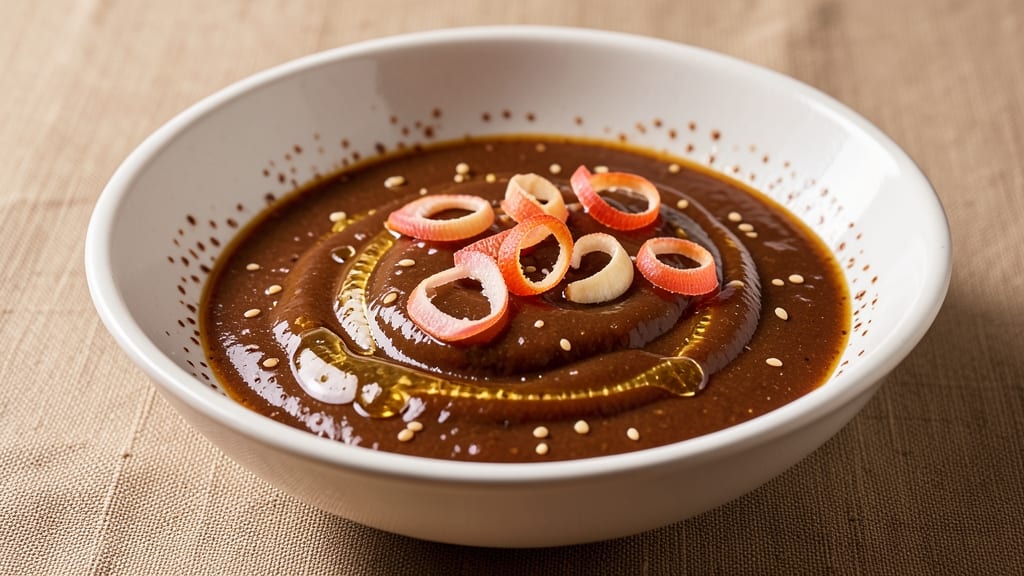
This Asian sesame sauce recipe transforms ordinary dishes into restaurant-quality creations with just a few simple ingredients. 🌟 The nutty aroma of toasted sesame oil combines with bright ginger and umami-rich soy sauce to create a versatile sauce that elevates stir-fries, noodles, and dipping experiences.
I developed this recipe after years of experimenting with Asian flavors, and it consistently delivers that perfect balance of sweet, savory, and aromatic notes.
The secret lies in proper emulsification—whisking the ingredients together until they form a silky, cohesive sauce rather than a separated mixture. You'll need just five key components: toasted sesame oil, soy sauce, minced garlic, fresh ginger, and a touch of honey or sugar to balance the flavors.
This sauce is incredibly adaptable, working as a dipping sauce for spring rolls, a glaze for grilled meats, or a finishing drizzle over steamed vegetables.
What makes this sauce truly special is its ability to enhance any dish without overpowering it. The toasted sesame oil adds depth and aroma, while the ginger provides a subtle warmth that complements both spicy and mild flavors.
Once you make this sauce, you'll find yourself reaching for it whenever you want to add that authentic Asian touch to your meals.
The best part? This recipe comes together in just 10 minutes with ingredients you likely already have in your pantry. Store it in the refrigerator for up to two weeks, or freeze it for longer shelf life.
Whether you're cooking for a weeknight dinner or preparing for a gathering, this versatile sauce will become an essential part of your culinary repertoire.
Ingredients for asian sesame sauce
Five simple ingredients transform into a restaurant-quality sauce that elevates stir-fries and dips.
| Ingredient | Amount | Notes |
|---|---|---|
| Toasted Sesame Oil 🫒 | ½ cup | High-quality, nutty aroma |
| Soy Sauce 🍶 | ½ cup | Light or dark preferred |
| Fresh Ginger 🌿 | 2 tbsp | Finely grated, vibrant color |
| Garlic Cloves 🧄 | 3 cloves | Minced, fresh preferred |
| Honey 🍯 | 2 tbsp | Pure, smooth variety |
| Rice Vinegar 🍶 | 1 tbsp | White or seasoned |
| Sesame Seeds 🌰 | 1 tbsp | Toasted lightly, for garnish |
| Salt 🧂 | ½ tsp | Kosher or sea salt |
The sesame oil is where the magic happens—look for the dark, toasted kind at Asian markets or the international aisle. Trader Joe's has a great one, but if you can't find it, any good-quality sesame oil will do. Fresh ginger is key here; buy a small knob and grate only what you need—pre-grated loses flavor fast. The garlic should be fresh too, but if you're in a pinch, jarred minced garlic works (just add a pinch more salt). For the honey, avoid the cheap stuff—it can taste harsh in this sauce. If you're feeling fancy, swap it for maple syrup for a vegan option.
No sesame oil? Avocado oil or peanut oil can substitute in a pinch, but the flavor won't be the same. Short on ginger? Substitute with 1/2 teaspoon of ground ginger, but fresh is always better. The rice vinegar adds brightness—if you only have apple cider vinegar, use half the amount. For a deeper umami kick, add a dash of fish sauce (1/4 teaspoon), but skip it if you're avoiding it. The sesame seeds are optional but add that perfect crunchy finish—toast them in a dry pan for 30 seconds before adding to the sauce.
This sauce keeps beautifully—store it in a sealed jar in the fridge for up to 2 weeks. The flavors actually meld better after sitting overnight, so making it ahead is ideal. If you're prepping for a party, freeze it in ice cube trays for easy portioning. Once opened, give it a good whisk before using—it may separate slightly, but it comes back together. A little goes a long way, so start with 1 teaspoon per serving and adjust to taste.
Why You'll Love This Recipe
- Five-Ingredient Magic: I swear by this—just sesame oil, soy sauce, ginger, garlic, and honey. That’s it. No fancy gadgets, no last-minute grocery runs. The ginger and garlic sizzle in the pan for two minutes, then it’s stir, taste, repeat. Honestly, I’ve made this blindfolded (well, almost).
- Umami Bomb: The moment that toasted sesame oil hits your tongue after a splash of soy sauce? Chef’s kiss. The garlic and ginger caramelize just enough to add depth, while the honey cuts through the saltiness—like a flavor hug. It’s the kind of sauce that makes you go, “Why didn’t I think of this sooner?”
- Dip, Drizzle, Glaze: This sauce is my secret weapon for everything. Toss it with noodles, drizzle it over grilled chicken, or use it as a dip for veggies. I even keep a small jar in the fridge for last-minute takeout-style upgrades. (Yes, even on a Tuesday night.)
- Budget-Friendly Staple: A little goes a long way, and these ingredients won’t break the bank. A bottle of soy sauce lasts months, ginger and garlic are pantry basics, and honey? You probably already have it. Plus, it stores for weeks in the fridge, so I’m always ready to jazz up whatever’s on the menu.
Step-by-step instructions for Asian sesame sauce
Here's how to blend bold flavors into a silky, aromatic sauce perfect for stir-fries or dipping.
🍳 Step 1: Bloom the Aromatics in Toasted Sesame Oil
Heat the 0.5 cup toasted sesame oil in a small saucepan over low heat. You'll smell that rich, nutty aroma immediately—that's your first flavor cue. Add the 2 tablespoons finely grated fresh ginger and 3 minced garlic cloves, stirring constantly for 1-2 minutes until the garlic turns golden and fragrant.
Watch closely—ginger and garlic burn quickly. You want them to soften and release their oils, not darken into bitterness. If the oil starts to smoke, reduce the heat immediately. This step builds the aromatic base that makes the sauce sing.
🍳 Step 2: Combine Wet Ingredients
Remove the saucepan from heat and let the aromatics cool for 1 minute. Then whisk in the 0.5 cup soy sauce, 2 tablespoons honey, and 1 tablespoon rice vinegar. The mixture will look thick and syrupy at first, but don't worry—it'll come together.
Return the pan to low heat and stir constantly for 3-4 minutes until everything is fully incorporated and the sauce begins to simmer gently. You're looking for a smooth, glossy consistency—like liquid gold. If it thickens too much, add 1 teaspoon water to loosen it.
🥘 Step 3: Season and Finish
Taste the sauce and adjust seasoning with the 0.5 teaspoon salt. It should balance sweet, salty, and tangy flavors perfectly. If it needs more depth, add a pinch more soy sauce. For brightness, a splash of rice vinegar helps.
Remove from heat again and stir in the 1 tablespoon toasted sesame seeds. These add texture and visual appeal. Let the sauce cool slightly—it'll thicken as it cools, so don't worry if it looks too thin right now.
⏰ Step 4: Rest and Use
Transfer the sauce to a bowl and let it sit at room temperature for 10-15 minutes. This resting period allows all the flavors to meld together beautifully. The sauce should be smooth with a velvety texture and that signature nutty aroma.
Use immediately for stir-fries, drizzle over noodles, or serve as a dipping sauce. For best results, store leftovers in an airtight container in the refrigerator for up to 1 week. Reheat gently before using—just enough to warm through without breaking the sauce's delicate balance.
Pro Tips For Making Asian Sesame Sauce
- Low and Slow for Ginger: Use a medium-low heat when cooking fresh ginger—high heat turns it bitter fast. I learned this the hard way after burning a batch and ending up with a sauce that tasted like medicine.
- Mince Garlic Fine: No, "chopped" isn’t enough—aim for a paste. A food processor or mortar and pestle makes this easier, and it blends smoother into the sauce. (Yes, even if you’re impatient like me.)
- Balance the Honey Last: Add honey when the sauce is off the heat, or it’ll scorch before you know it. Stir in just a teaspoon at a time—too much turns this glaze into syrup.
- Toast Sesame Oil Separately: Don’t cook it in the pan with everything else—heat it in a small saucepan over low heat for 30 seconds first. This deepens its nutty flavor without overpowering the sauce. (Your future self will notice the difference.)
Regional styles of asian sesame sauce
Japanese Shoyu Sauce
This Japanese-inspired version swaps soy sauce for light soy sauce and adds a touch of mirin for sweetness, creating a delicate balance. Use 3 tablespoons mirin instead of honey and reduce the rice vinegar to ½ tablespoon.
Toast 1 teaspoon white sesame seeds separately for garnish—they add a lighter, more refined texture. 🌸
Thai Peanut Sesame
For a Thai twist, blend in 2 tablespoons smooth peanut butter and 1 teaspoon sriracha for heat. Replace honey with 1 tablespoon coconut sugar and add 1 tablespoon lime juice instead of rice vinegar. The peanut butter gives a creamy richness that pairs perfectly with spring rolls or satay dishes.
Korean Gochujang Twist
Give your sauce Korean flair by adding 1 tablespoon gochujang (Korean chili paste) and 1 teaspoon toasted sesame oil on top. Reduce the honey to 1 tablespoon and add ½ teaspoon gochugaru (Korean chili flakes) for extra depth.
This version works wonderfully with grilled meats or as a dipping sauce for mandu (Korean dumplings).
Chinese Black Vinegar
For a Chinese-inspired take, replace rice vinegar with 1 tablespoon black vinegar and add ½ teaspoon five-spice powder. The deep, complex flavor of black vinegar adds an umami richness that complements stir-fries beautifully. Garnish with crushed peanuts for extra crunch and texture.
Vietnamese Nuoc Cham
Transform your sauce into a Vietnamese-inspired nuoc cham by adding 1 tablespoon fish sauce and 1 teaspoon sugar. Replace honey with 1 tablespoon palm sugar and add ½ teaspoon black pepper. This version is perfect for dipping spring rolls or pho noodles, offering a tangy, savory punch.
Sweet Chili Sesame
For a sweet and spicy fusion, blend in 2 tablespoons sweet chili sauce and ½ teaspoon chili crisp. Reduce the honey to 1 tablespoon and add ½ teaspoon garlic powder for extra depth. This sauce is fantastic for glazing grilled chicken or as a dipping sauce for egg rolls.
Nutrition facts
Frequently asked questions
Why does my sesame sauce separate?
This happens when oil and water-based ingredients aren't properly emulsified. For a silky texture, whisk vigorously while heating or blend the sauce briefly after combining all ingredients. If it separates later, simply whisk again before using—it'll come back together!
Can I make this sauce without sesame oil?
Yes! Use avocado oil or peanut oil in a pinch, but the flavor won't be as rich. For authenticity, try toasted sesame paste (found in Asian markets) mixed with a little water to replace the oil. The nutty aroma is key to that signature taste.
How much sauce should I use per serving?
Start with 1 teaspoon per person for dipping or drizzling. For stir-fries, use 1-2 tablespoons per serving—add it at the end to maintain texture. The sauce is potent, so less is more! Adjust to taste after tasting your dish.
What's the best way to store leftover sauce?
Transfer to an airtight container and refrigerate for up to 2 weeks. The flavors actually improve overnight! For longer storage, freeze in ice cube trays—thaw in the fridge before using. Always stir well before serving, as it may thicken slightly when cold.
Can I use this sauce on hot dishes?
The sauce handles heat well, making it perfect for stir-fries or grilled meats. Add it at the very end of cooking to preserve its delicate balance. If using on hot dishes, warm it gently in a small saucepan over low heat for just 30 seconds while stirring constantly.