
Sauces & Condiments
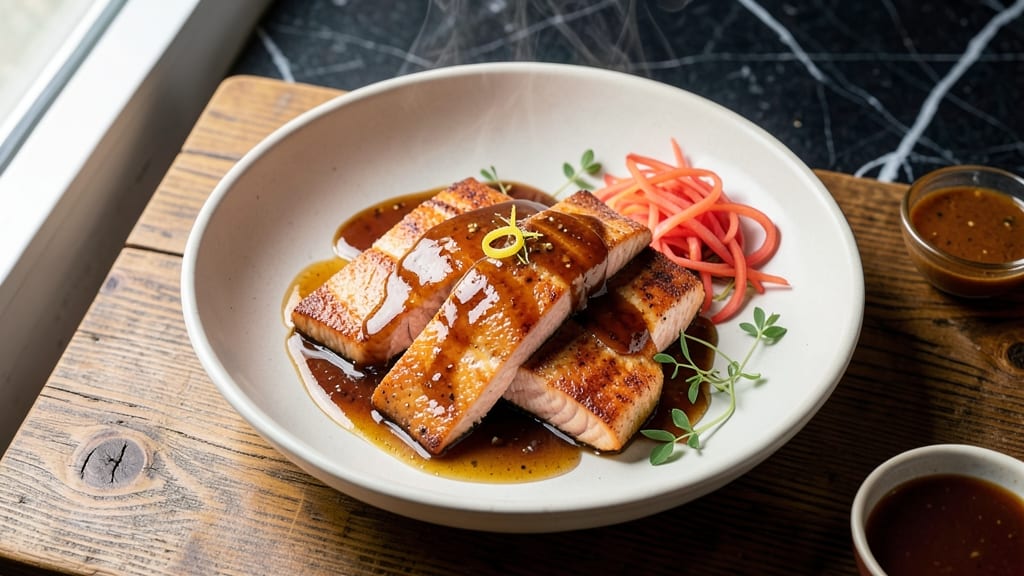
This Asian salmon recipe with hoisin sauce delivers restaurant-quality results in just 20 minutes, transforming simple ingredients into a dish that's sweet, savory, and perfectly balanced. The secret lies in a glossy glaze that caramelizes beautifully while keeping the salmon tender inside—no dry, overcooked fish here.
I've tested this recipe countless times, and it never fails to impress, whether you're serving it for a weeknight dinner or a special occasion.
The magic happens in the hoisin sauce, which adds depth with its fermented soybean paste, while a touch of honey and rice vinegar creates that signature sweet-savory balance. We'll pan-sear the salmon for maximum flavor, but you can easily adapt this to baking if preferred.
The result is a dish that's elegant yet approachable, with a glossy finish that makes every bite look as good as it tastes.
What you'll end up with is perfectly cooked salmon with a caramelized glaze that's sticky, aromatic, and packed with flavor—each piece flaky on the inside, crisp on the edges, and coated in that irresistible sauce.
The technique is straightforward, but the results are anything but basic. This recipe proves you don't need complicated methods to create something truly special.
Serve it over steamed jasmine rice, alongside quick stir-fried vegetables, or with a simple cucumber salad to round out the meal. The hoisin glaze works beautifully with all of them, tying everything together into a cohesive, satisfying dish. Ready to make this for dinner?
Ingredients for asian salmon recipe with hoisin sauce
Simple ingredients that pack a flavor punch—just 14 staples for restaurant-quality salmon.
| Ingredient | Amount | Notes |
|---|---|---|
| Center-Cut Salmon Fillets 🐟 | 4 pieces | 6-8 oz each, skin-on preferred |
| Hoisin Sauce 🍶 | ½ cup | Store-bought or homemade |
| Honey 🍯 | 1 tbsp | Wildflower for floral notes |
| Rice Vinegar 🍶 | 1 tbsp | Seasoned preferred for depth |
| Sesame Oil 🫒 | 1 tbsp | Toasted sesame oil for aroma |
| Fresh Ginger 🧄 | 1 tbsp | Finely grated, aromatic |
| Garlic Cloves 🧄 | 3 cloves | Minced, fresh preferred |
| Vegetable Oil 🫒 | 2 tbsp | High smoke point for searing |
| Jasmine Rice 🍚 | 1 ½ cups | Uncooked, long-grain |
| Water 💧 | 2 ½ cups | For rice cooking |
| Diamond Crystal Kosher Salt 🧂 | 1 ½ tsp | For seasoning, plus extra |
| Freshly Ground Black Pepper 🌶️ | ½ tsp | Cracked peppercorns preferred |
| Sesame Seeds 🌾 | 1 tbsp | Toasted for garnish |
| Green Onions 🧅 | 2 whole | Thinly sliced, for garnish |
The salmon is non-negotiable here—center-cut fillets stay tender and cook evenly. I grab mine from Whole Foods or the seafood counter at Trader Joe's, where they're usually pre-portioned. Look for bright pink color and firm texture—no fishy smell at all. Skin-on fillets crisp beautifully, but skinless works too if that's what you've got. For the hoisin, Lee Kum Kee is my go-to brand, but any quality store-bought sauce works. If you're feeling ambitious, homemade hoisin is worth the effort—fermented soybean paste, garlic, and sugar create that signature depth.
No sesame oil? Toasted peanut oil adds a similar nutty aroma. Running out of rice vinegar? Apple cider vinegar at half the amount gets you close, though it won't be identical. The honey can be swapped for maple syrup or agave nectar if you're avoiding refined sugar. Fresh ginger and garlic are ideal, but powdered ginger at one-third the amount works in a pinch. For the rice, jasmine is traditional, but brown rice or basmati both work beautifully. The sesame seeds? Toast them in a dry pan for 30 seconds—the aroma alone makes it worth it.
Salmon keeps best in the coldest part of your fridge, wrapped in parchment paper, for up to 2 days. The hoisin sauce? 3 months in the pantry once opened. I always make extra glaze—it's perfect for drizzling over rice or stir-fries later. The cooked rice reheats beautifully in the microwave with a splash of water, but it's best eaten fresh. Store leftovers in airtight containers for up to 3 days. Pro tip: Save the leftover sesame seeds for garnishing future dishes—they stay potent for months.
Why You'll Love This Recipe
- Same recipe, different vibes: toss it over rice for a lazy Tuesday, or plate it with steamed greens and sesame seeds for guests. The sesame oil adds a nutty aroma that makes it feel fancy without the fuss. Honestly, I’ve served this at both.
- Five-Ingredient Magic: The pantry already has hoisin and honey—no last-minute grocery runs. Just sear the salmon, toss it in a quick glaze of those two plus vinegar and oil, and let the heat do the work. Seriously, I’ve made this while scrolling through emails.
- Sweet-Savory Balance: That sticky hoisin cuts through the salmon’s richness, while the honey keeps it from feeling heavy. A splash of rice vinegar brightens everything up—like a umami hug with a citrus wink. (Yes, even my picky husband stops mid-sentence to ask for seconds.)
- Weeknight to Dinner Party: Same recipe, different vibes: toss it over rice for a lazy Tuesday, or plate it with steamed greens and sesame seeds for guests. The sesame oil adds a nutty aroma that makes it feel fancy without the fuss. Honestly, I’ve served this at both.
Step-by-step instructions for glossy hoisin-glazed salmon
Here's how to create restaurant-quality salmon with a perfect balance of sweet, savory, and umami.
Prepare the Hoisin Glaze
In a small bowl, whisk together the 0.5 cup hoisin sauce, 1 tablespoon honey, 1 tablespoon rice vinegar, and 1 tablespoon sesame oil until completely smooth. This blend creates the perfect balance of sweet, tangy, and nutty flavors that will coat your salmon beautifully. The honey adds depth while the rice vinegar brightens the sauce, preventing it from being too heavy.
Set the glaze aside while you prep the remaining ingredients. If you're using store-bought hoisin, give it a quick stir first—some brands settle unevenly. For extra flavor, you can add a pinch of the freshly ground black pepper to the glaze mixture now, but I like to keep it separate until the end to control the heat level.
Cook the Jasmine Rice
Rinse the 1.5 cups jasmine rice under cold water until the water runs clear, then drain well. In a medium saucepan, combine the rice with 2.5 cups water and bring to a boil over medium-high heat. Once boiling, reduce heat to low, cover with a tight-fitting lid, and let it simmer for 15 minutes without peeking.
After 15 minutes, turn off the heat and let the rice steam undisturbed for another 10 minutes. This resting period allows the rice to absorb any remaining moisture and develop its signature floral aroma. Fluff the rice gently with a fork before serving—it should be tender but still have a slight bite. Keep it warm while you finish the salmon.
Sear the Salmon to Perfect Doneness
Pat the 4 center-cut salmon fillets dry with paper towels—this ensures a perfect sear. In a large skillet, heat 2 tablespoons vegetable oil over medium-high heat until shimmering. Add the salmon skin-side down and let it sear undisturbed for 4-5 minutes until the skin is crispy and golden brown.
Flip the fillets carefully and cook for another 3-4 minutes on the other side, or until the salmon reaches an internal temperature of 135°F at its thickest part. The edges should be just beginning to flake slightly, but the center should still hold its shape. Remove the salmon to a plate and tent loosely with foil to keep it warm while you finish the glaze.
Finish the Glaze and Plate
In the same skillet (no need to clean it—the browned bits add flavor), add 1 tablespoon finely grated fresh ginger and 3 minced garlic cloves. Sauté for 30 seconds until fragrant, then pour in the prepared hoisin glaze. Bring to a gentle simmer over medium heat for 2-3 minutes, stirring occasionally, until the glaze thickens slightly and coats the back of a spoon.
Return the salmon to the skillet and spoon the glaze evenly over the top. Let it sit for 1 minute to absorb the flavors, then transfer to serving plates. Garnish each fillet with 1 tablespoon toasted sesame seeds and ½ of one thinly sliced green onion. Serve immediately with the jasmine rice, letting the glossy glaze drizzle over the top for that restaurant-worthy presentation.
Pro Tips For Making Asian Salmon Recipe With Hoisin Sauce
- Dry the Salmon First: Pat those fillets thoroughly with paper towels before cooking—wet skin means steam instead of sear. I learned this the hard way when my salmon turned out soggy and stuck to the pan like sad sushi.
- Balance the Heat: Hoisin’s sweetness can overpower if honey dominates—start with a 2:1 ratio (2 parts hoisin to 1 part honey) and adjust after tasting. My grandmother swore by this, and she was right: the sauce should sing, not shout.
- Sear Skin-Side Down: Hit the salmon skin-side down in a smoking-hot pan with sesame oil for 3-4 minutes—no peeking! Rushing this step means breaking the crisp, and nobody wants mushy skin on what should be a delicate dish.
- Deglaze with Vinegar: After searing, splash in the rice vinegar while the pan’s still hot—it cuts through the hoisin’s richness and adds brightness. I was skeptical until I tried it: the acidity makes the whole dish taste more intentional.
Make-ahead tips for asian salmon recipe with hoisin sauce
Glaze Prep Ahead
Make the hoisin glaze up to 2 days in advance and store it in an airtight container in the fridge. This gives the flavors time to meld beautifully—just reheat gently in a small saucepan over low heat for 2-3 minutes before using.
I often double the batch since the leftover glaze works perfectly for drizzling over rice bowls or stir-fries later. 💛
Rice Pre-Cooking
Cook the jasmine rice completely ahead of time and store it in a sealed container at room temperature for up to 4 hours or refrigerate for 2 days. Reheat by steaming over simmering water for 10 minutes or microwaving with 2 tablespoons water for 2 minutes.
The rice reheats beautifully this way, maintaining its delicate texture. I love prepping rice first so it's ready when I need it.
Salmon Prep Shortcut
Pat and season the salmon fillets with salt and pepper, then wrap them tightly in plastic wrap. Store them in the fridge for up to 12 hours before cooking—this keeps them fresh and ready to sear whenever you're ready.
The key is to keep them skin-side down in the wrap to maintain shape. When you're ready to cook, simply remove from the fridge 30 minutes before cooking to bring to room temperature.
Full Meal Assembly
For a complete make-ahead meal, assemble everything except the final glaze step. Cook the rice and salmon completely, then store them separately in airtight containers. When ready to serve, simply reheat the salmon in the skillet for 2 minutes, add the pre-made glaze, and garnish.
This method works perfectly for meal prep—just reheat and assemble when you're ready to eat. The flavors stay vibrant this way. ✨
Glaze Thickening Tip
If you're prepping the glaze ahead, add ½ teaspoon cornstarch mixed with 1 teaspoon water when reheating to help thicken it slightly. This prevents the glaze from becoming too thin after refrigeration.
Stir constantly over low heat until it reaches your desired consistency—usually just 1-2 minutes of simmering. The glaze should coat the back of a spoon smoothly. 🍶
Nutrition facts
Frequently asked questions
Can I use this hoisin glaze on other proteins?
This glossy sauce works beautifully with chicken thighs, tofu, or even shrimp. For chicken, increase cooking time to 6-8 minutes per side until internal temp reaches 165°F. Tofu benefits from an extra 2 minutes in the glaze after cooking to absorb more flavor. The key is to adjust cooking times based on protein thickness and doneness requirements.
How do I prevent the salmon from sticking to the pan?
Pat the salmon fillets very dry with paper towels before searing—this removes all moisture that causes sticking. Use a non-stick skillet or one with a well-seasoned cast iron surface, and ensure your oil is hot enough to shimmer before adding the fish. A light sprinkle of cornstarch on the skin side also helps create a crisp barrier. Never move the fish until you see the edges lift naturally—this ensures perfect release.
What if I don't have hoisin sauce?
You can make a quick substitute by mixing 2 tablespoons soy sauce, 1 tablespoon honey, 1 teaspoon rice vinegar, ½ teaspoon sesame oil, and a pinch of red pepper flakes for heat. For deeper flavor, add 1 teaspoon fermented soybean paste (miso) or 1 tablespoon plum sauce. While not identical, this blend captures the sweet-savory balance essential to the dish.
Can I bake this salmon instead of pan-searing?
Yes! Preheat oven to 400°F and place salmon on a parchment-lined baking sheet. Brush with the hoisin glaze, then bake for 12-15 minutes until the center reaches 135°F. For extra crispiness, broil for 1-2 minutes at the end. The texture will be slightly less crisp than pan-seared, but still delicious. This method works well for meal prep since you can bake multiple fillets at once.