
Sauces & Condiments
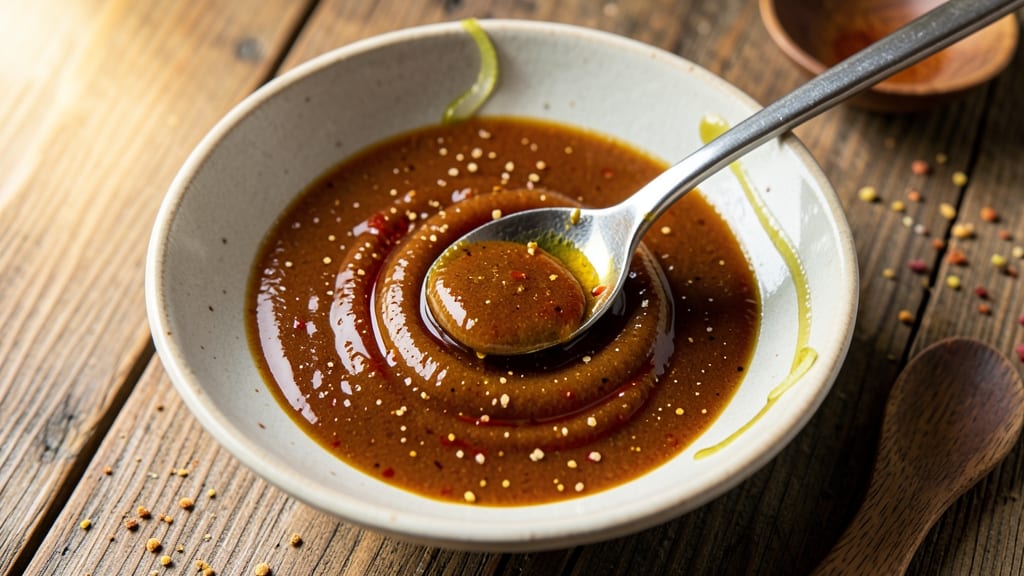
This Asian mustard sauce recipe transforms simple stir-fries into restaurant-worthy meals with just a few pantry staples. The secret lies in balancing tangy mustard with umami-rich soy sauce and a touch of sweetness, creating a versatile drizzle that elevates everything from dumplings to grilled meats.
I developed this after craving that perfect harmony of heat, depth, and brightness—without any complicated techniques.
The foundation uses yellow mustard for that signature tang, paired with soy sauce for umami and rice vinegar for acidity. A splash of honey balances the flavors while a pinch of garlic powder adds aromatic depth.
The sauce comes together in 10 minutes with just a whisk, making it ideal for weeknight cooking or meal prep. What makes this version special is its adaptability—sweet, spicy, or savory variations are all possible with simple ingredient swaps.
What you'll end up with is a glossy, bold umami-kissed sauce that clings beautifully to noodles, meats, and vegetables. The texture is just thick enough to coat but still pours easily, perfect for dipping, glazing, or finishing dishes at the last minute.
Unlike store-bought versions, this sauce develops richer flavor when refrigerated, making it even better the next day.
Use it immediately on stir-fried vegetables, grilled chicken, or fresh spring rolls, or store it in the fridge for up to 2 weeks—it only gets more flavorful with time.
The possibilities are endless, from a quick marinade to a dipping sauce that disappears faster than you can say "more sauce, please." Let's make this versatile sauce!
Ingredients for asian mustard sauce
Pantry staples that create a restaurant-quality umami-kissed sauce for stir-fries and dipping.
| Ingredient | Amount | Notes |
|---|---|---|
| Yellow Mustard 🌶️ | ½ cup | High-quality, smooth variety |
| Light Soy Sauce 🍶 | ⅓ cup | Kikkoman preferred for balance |
| Rice Vinegar 🍶 | ¼ cup | Seasoned for extra depth |
| Honey 🍯 | ¼ cup | Wildflower for floral notes |
| Garlic Powder 🧄 | 1 tsp | Freshly ground preferred |
| Sesame Oil 🫒 | 1 tbsp | Toasted, not flavored |
| Ginger Powder 🌿 | ½ tsp | Or 1 tsp fresh grated |
| Red Pepper Flakes 🌶️ | ½ tbsp | Adjust for heat preference |
| Sesame Seeds 🌾 | 1 tbsp | Toasted for garnish |
The mustard is the star here—Kraft or French's work perfectly, but if you want to splurge, grab the Annie's Organic for cleaner ingredients. Soy sauce makes or breaks the umami depth, so don't skimp: Kikkoman is my go-to, but Lee Kum Kee adds extra richness. Rice vinegar should be seasoned (the kind you'd use for sushi)—Mushroom or Koyo brands are my favorites. Honey can be swapped for maple syrup if you prefer a deeper caramel note, but wildflower keeps it floral and bright. Toast your sesame seeds in a dry pan for 30 seconds—they'll add incredible crunch and aroma.
No sesame oil? Avocado oil at half the amount works, though it lacks that nutty depth. Short on garlic powder? Fresh garlic minced and cooked down is a game-changer. The red pepper flakes can be omitted entirely for a mild version, or swap in gochujang at 1 tbsp for fermented heat. Ginger powder is optional, but if you've got fresh, grate 1 tsp and add it raw for zing. For a sweeter version, increase honey to 3 tbsp and reduce vinegar to 2 tbsp. If you're making this ahead, reduce the sesame oil to 0.5 tbsp—it can get overpowering after sitting.
This sauce gets better with time—30 minutes in the fridge lets the flavors meld beautifully. Store in an airtight jar for up to 2 weeks, though I usually use it up in 3 days. For extra shine, whisk in 1 tsp water before serving. The sesame seeds? Toast them fresh each time you use the sauce—30 seconds in a dry pan makes all the difference. Freezes for 3 months if you want to prep ahead, but the texture gets slightly thicker after thawing. Always stir well before using.
Why You'll Love This Recipe
- Five-Ingredient Magic: I swear by this combo—yellow mustard’s tang, soy’s umami punch, and honey’s sweetness balance in a way that’s effortless. No fancy techniques, just stir until it sings.
- Dress-Up Anything: Slather it on grilled chicken, drizzle over noodles, or toss with cold sesame greens. Honestly, I’ve used it for breakfast tacos and still get compliments—it’s that versatile.
- Pantry Staple Power: Between us, you’re already stocked for this. Soy, vinegar, honey? I bet you’ve got them all. That’s $3 max, and it’ll outlast your fridge’s expiration date.
- Weeknight Secret Weapon: Takes me 3 minutes to mix while the wok heats. No waiting for marinades, no last-minute grocery runs—just instant flavor when you need it most. (Yes, even on a Tuesday night.)
Step-by-step instructions for Asian mustard sauce
This vibrant sauce comes together in minutes with a perfect balance of tangy, sweet, and spicy flavors.
Whisk Together the Base Ingredients
In a medium bowl, combine the 0.5 cup yellow mustard, 0.33 cup light soy sauce, and 0.25 cup rice vinegar. Use a whisk to blend them thoroughly until smooth and fully incorporated. The mustard will thicken slightly as it mixes with the vinegar, creating a rich foundation for the sauce.
I like to press down gently on the mixture with the back of a spoon to ensure everything is well-emulsified. This step prevents any separation later when you add the honey and oils. The sauce should look uniform with no streaks of mustard remaining.
Sweeten and Season the Mixture
Add the 0.25 cup honey, 1 tsp garlic powder, 0.5 tsp ginger powder, and 0.5 tbsp red pepper flakes to the bowl. Whisk vigorously for 1-2 minutes until the honey dissolves completely and the spices are evenly distributed. The sauce should take on a glossy sheen as the honey blends in.
Here's the thing—adding the spices gradually prevents clumping. If you notice any dry spots, especially with the garlic and ginger powders, simply press them into the sauce with a spoon. The red pepper flakes will disperse more easily if you whisk continuously rather than letting them settle at the bottom.
Finish with Sesame Oil and Toasted Seeds
Drizzle in the 1 tbsp sesame oil while whisking constantly. This step adds depth and aroma to the sauce. The oil should blend seamlessly, creating a silky texture. If the sauce looks too thick after adding the oil, you can thin it slightly with 1-2 teaspoons of warm water—just enough to reach a pourable consistency.
Finally, sprinkle in the 1 tbsp toasted sesame seeds and give the sauce one last stir. The seeds add a delightful crunch and visual contrast. For best results, toast the sesame seeds separately in a dry skillet over medium heat for 1-2 minutes until fragrant before adding them to the sauce.
Rest and Adjust for Perfect Balance
Let the sauce sit at room temperature for 10-15 minutes before using. This resting period allows the flavors to meld together beautifully. Taste the sauce and adjust the seasoning if needed—add a pinch more red pepper flakes for heat, a splash of rice vinegar for tang, or a drizzle of honey for sweetness.
The sauce should coat the back of a spoon with a glossy finish and have a perfect balance of sweet, tangy, spicy, and umami flavors. If you plan to use it later, store it in an airtight container in the refrigerator for up to 1 week. Before serving, give it a quick whisk to re-emulsify any separated oils.
Pro Tips For Making Asian Mustard Sauce
- STIR IN STAGES: Mix the honey and garlic powder first—this keeps the garlic flavor smooth instead of clumping into bitter lumps when tossed in later. I learned this after my first batch tasted like someone microwaved garlic cloves.
- USE COLD MUSTARD: Measure the yellow mustard straight from the fridge—it thickens when warm, and you’ll end up with a sauce that’s too stiff to drizzle properly. Trust me, your stir-fry deserves that silky consistency.
- THIN WITH VINEGAR LAST: Add the rice vinegar drop by drop near the end—it cuts the sweetness and brightens the sauce, but too much too soon turns your glaze into a watery mess. Taste as you go; you can always add more, but you can’t take it out.
- SALT THE SOY SAUCE: Light soy sauce is salty, but not all brands are created equal—some taste flat. Sprinkle a pinch of table salt into the soy before mixing, then adjust the honey to balance it. It’s the thing that makes the flavor pop instead of just taste like "store-bought sauce."
Troubleshooting this dish
Sauce Separation Fix
If your sauce separates after mixing, don’t panic—this is normal with mustard-based sauces. Simply whisk in 1-2 teaspoons of warm water while blending vigorously. The mustard’s natural emulsifiers will re-stabilize the mixture in about 30 seconds.
For extra insurance, add ½ teaspoon of cornstarch mixed with 1 teaspoon water and whisk until smooth. This trick works like magic for restoring that glossy texture. 💫
Too Thick or Too Thin?
If your sauce is too thick after adding all ingredients, thin it with warm water (not cold) in ¼-teaspoon increments until it reaches a pourable consistency. For a thicker version—like for glazes—reduce the rice vinegar by 1 tablespoon and add ½ teaspoon of cornstarch to the base before whisking.
Always taste as you go; the ideal texture should cling lightly to a spoon but still drizzle easily. 🍶
Spice Balance Issues
Too spicy? Cut the heat by whisking in 1 teaspoon of honey or ½ teaspoon of sugar to mellow the red pepper flakes. If it’s too mild, add ¼ teaspoon more red pepper flakes or swap in ½ teaspoon of gochujang for deeper, fermented heat.
For a smoky twist, stir in ½ teaspoon of smoked paprika—it adds complexity without overpowering. Adjust gradually to avoid ruining the balance. 🌶️
Mustard Overpowering?
If the mustard flavor dominates, balance it by adding 1 extra tablespoon of soy sauce for umami depth or ½ teaspoon of fish sauce (trust me, it works!). For a sweeter profile, increase the honey to 3 tablespoons and reduce the vinegar by 1 tablespoon.
The key is to let the sauce sit for 10 minutes before tasting—flavors meld better with time. 🍯
Sesame Oil Too Strong?
If the sesame oil flavor is overpowering, reduce it to ½ tablespoon in future batches. For a milder alternative, use ½ teaspoon of toasted sesame seed paste (blend toasted seeds with water) instead.
The aroma will still shine through, but the intensity will be more subtle. Always toast your seeds fresh—they make all the difference! 🫒
Fridge Storage Solutions
After refrigerating, your sauce might thicken or separate slightly. Before using, whisk in 1 teaspoon of warm water to restore consistency. For extra shine, add ½ teaspoon of honey and whisk vigorously.
If the sauce develops a skin on top, simply skim it off or stir it back in—it won’t affect flavor. Store in an airtight glass jar to maintain freshness for up to 2 weeks. 💡
Nutrition facts
Frequently asked questions
Can I substitute Dijon mustard for yellow mustard?
Yes, but expect a slightly different texture and flavor profile. Dijon has a finer grain and more complex taste, which works beautifully in this sauce. Use the same 0.5 cup measurement, but whisk it more vigorously to ensure it blends smoothly with the other ingredients. The sauce will have a slightly more refined, slightly tangier finish.
How can I make this sauce spicier?
For extra heat, add 1 teaspoon of gochugaru (Korean red pepper flakes) or ½ teaspoon of cayenne pepper instead of the red pepper flakes. If you prefer fermented heat, swap in 1 tablespoon of gochujang and reduce the honey to 0.2 cup to balance the richness. Always taste as you go to avoid overpowering the sauce.
Is this sauce gluten-free?
Not traditionally, but it can be adapted easily! The soy sauce contains gluten, so replace it with 0.33 cup gluten-free tamari or coconut aminos. For extra umami, add ½ teaspoon of nutritional yeast or 1 teaspoon of coconut amino paste. The texture and flavor will remain very similar with these swaps.
Can I use this sauce as a marinade?
This sauce works wonderfully as a marinade for chicken, tofu, or shrimp. For best results, marinate proteins for 30 minutes to 2 hours in the fridge. The acidity in the rice vinegar helps tenderize the meat while the mustard and spices add incredible flavor. For extra protection, add 1 tablespoon of olive oil to the marinade to prevent drying.
Why does my sauce look separated?
Mustard-based sauces often separate when oils and liquids aren't fully emulsified. Whisk in 1 teaspoon of warm water or ½ teaspoon of cornstarch mixed with 1 teaspoon water until smooth. The sauce should re-emulsify within 30 seconds. This is completely normal and easily fixable—just don't let it sit separated for too long before using.