
Sauces & Condiments
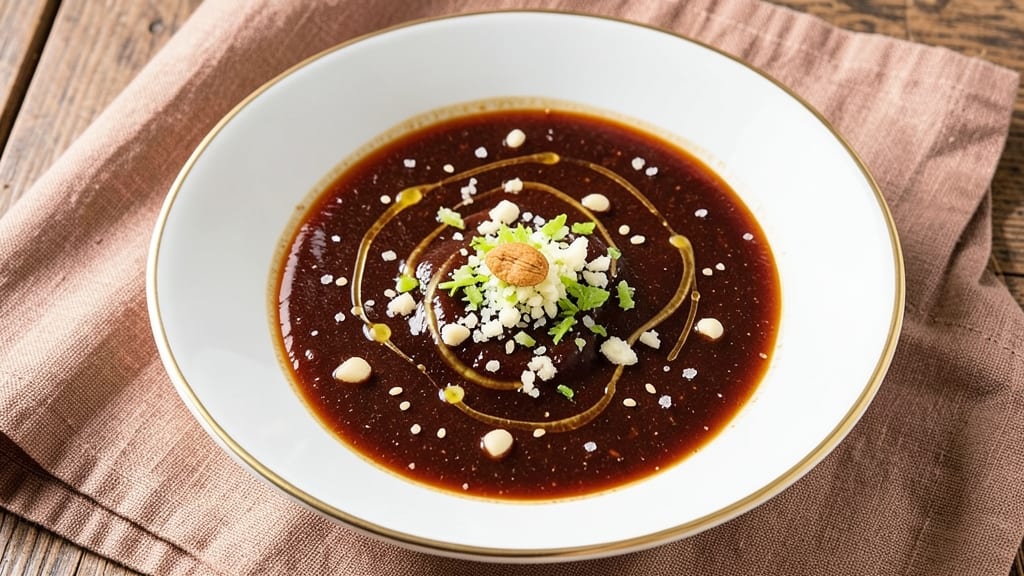
This Asian lo mein sauce recipe transforms ordinary stir-fries into restaurant-quality masterpieces with just a few simple ingredients. The secret lies in balancing umami-rich soy sauce, fragrant garlic, and a touch of sweetness to create a sauce that clings perfectly to noodles and vegetables.
I've perfected this version over countless weeknight dinners, where it elevates simple stir-fry ingredients into something extraordinary.
The foundation of great lo mein sauce begins with a simple yet powerful combination: soy sauce for depth, sesame oil for aroma, and fresh ginger and garlic for brightness. A splash of sugar or honey balances the flavors, while a splash of vinegar adds that signature tang.
The sauce comes together in under 10 minutes, making it ideal for busy weeknights when you still crave authentic Asian flavors.
What makes this sauce truly special is its versatility—it works equally well with fresh or dried lo mein noodles, chicken, beef, shrimp, or even crispy tofu. The sauce's sticky, glossy texture coats every ingredient beautifully, creating a harmonious blend of savory, sweet, and slightly tangy notes.
Once you make it, you'll never go back to store-bought versions.
Best of all, this sauce keeps well in the refrigerator for up to a week, allowing you to make a big batch and use it throughout the week.
Whether you're serving it over noodles, drizzling it over dumplings, or using it as a marinade, this lo mein sauce will quickly become your go-to for authentic Asian-inspired dishes. Let's get started!
Ingredients for asian lo mein sauce
Nine simple ingredients transform stir-fries into restaurant-quality magic with umami depth and glossy texture.
| Ingredient | Amount | Notes |
|---|---|---|
| Dark Soy Sauce 🍶 | ½ cup | For deep umami flavor |
| Light Soy Sauce 🍶 | ¼ cup | Balances saltiness |
| Sesame Oil 🫒 | 1 tbsp | Toasted for aroma |
| Garlic Cloves 🧄 | 4 cloves | Freshly minced |
| Fresh Ginger 🌿 | 1 tbsp | Finely grated |
| Granulated Sugar 🍯 | 2 tbsp | Or honey for depth |
| Rice Vinegar 🍶 | 1 tbsp | White or apple cider |
| Cornstarch 🌾 | 1 tsp | For thickening |
| Water 💧 | 2 tbsp | For slurry |
The soy sauces are non-negotiable—Kikkoman dark soy for that signature color and La Choy light soy for balance. Grab the toasted sesame oil from the Asian aisle (not the regular cooking oil section) for that nutty aroma. Fresh ginger and garlic? Trader Joe's or Whole Foods usually have pre-peeled ginger, but I always buy whole—it keeps longer. For the sugar, coconut sugar works too if you're avoiding refined white sugar, though it'll caramelize slightly more. The cornstarch is just to thicken, but if you're in a pinch, arrowroot powder works too.
No dark soy sauce? Double the light soy plus 1 tsp molasses gets you close. Fresh garlic and ginger? Dried powdered versions at half the amount work in a bind, but they lack that bright punch. The rice vinegar can be swapped for white vinegar or apple cider vinegar, though rice vinegar has that classic tang. Want extra richness? Add 1 tsp oyster sauce (vegan-friendly versions available)—it's a secret weapon in many Asian sauces. The slurry (cornstarch + water) is key for that glossy finish, so don't skip it even if you're not worried about thickness.
This sauce keeps 1 week in the fridge, sealed tightly. The sesame oil will separate—just give it a quick shake before using. For longer storage, freeze in ice cube trays—perfect for single-use portions. I always make a double batch because it disappears fast. Pro tip: Drizzle a little extra sesame oil on top before sealing to preserve the aroma. Works like a charm with any stir-fry, noodles, or even as a marinade.
Why You'll Love This Recipe
- Pantry Magic: This sauce lives in my cabinet—just stir, simmer, and serve. No fresh herbs, no fancy prep; the dark soy gives that deep umami punch while the light soy keeps it bright. Honestly, I’ve made it with ingredients I grabbed while running out the door.
- Umami Bomb: That first hit of garlic and ginger sizzling in sesame oil? Instant flavor explosion. The dark soy adds richness, but the light soy cuts through it—salty, savory, and just a little addictive. Between us, this sauce makes even store-bought noodles taste like a restaurant takeout.
- Weeknight Workhorse: I use it for lo mein, stir-fries, or even as a quick marinade for chicken. Freezes like a dream, too—just thaw and toss. Here’s what sold me: it’s the same sauce, but feels like a different meal every time.
- Budget Win: Five ingredients, all under $10 total. The sesame oil is the splurge, but a little goes a long way. I make a big batch, store it in the fridge, and use it for days—no wasted leftovers, just more flavor for less. (Yes, even on a Tuesday night.)
Step-by-step instructions for Asian lo mein sauce
Here's how to create a rich, balanced sauce that transforms simple stir-fry into restaurant-quality lo mein.
Prepare the Aromatic Base
In a small bowl, finely mince the 4 cloves garlic cloves and grate the 1 tablespoon fresh ginger using a microplane or fine grater. The goal is to create a paste-like texture that will infuse maximum flavor into the sauce. I like to press the garlic and ginger through a strainer to remove any fibrous bits that could make the sauce gritty.
Heat a small skillet over medium-low heat and add the 1 tablespoon sesame oil. Once the oil shimmers but isn't smoking, add the garlic-ginger mixture and cook for exactly 30 seconds. You want the aroma to wake up without browning—this is where the sauce gets its complex foundation. Remove from heat immediately after 30 seconds and set aside to cool slightly.
Combine Wet Ingredients
In a medium saucepan, combine the 0.5 cup dark soy sauce, 0.25 cup light soy sauce, 2 tablespoons granulated sugar, and 1 tablespoon rice vinegar. Stir until the sugar dissolves completely—this ensures even distribution of sweetness throughout the sauce. The dark soy sauce will give that signature deep color, while the light soy sauce balances the saltiness.
Here's the thing—don't rush this step. Let the mixture sit for 1 minute to allow the vinegar to mellow slightly. This prevents the sauce from becoming too sharp when you add the hot aromatics. Add the cooled garlic-ginger mixture to the saucepan and stir well to combine.
Thicken the Sauce
Return the saucepan to medium heat and bring the mixture to a gentle simmer. This should take about 2-3 minutes. While waiting, whisk together the 1 teaspoon cornstarch with the 2 tablespoons water in a small bowl until completely dissolved—this creates your slurry.
Once the sauce is simmering, slowly pour in the cornstarch slurry while stirring constantly with a wooden spoon. The sauce will thicken dramatically within 30-60 seconds. Keep stirring until it reaches a glossy, slightly syrupy consistency—it should coat the back of a spoon but still be pourable. If it thickens too quickly, add 1 tablespoon water to adjust the texture.
Test and Adjust
Remove the sauce from heat and taste immediately. The balance should be perfect: deep umami from the soy sauces, bright acidity from the vinegar, subtle sweetness from the sugar, and aromatic complexity from the garlic and ginger. If it needs more balance, add a pinch of sugar for sweetness or a splash of rice vinegar for acidity.
Let the sauce cool to room temperature before using—this allows all the flavors to meld completely. The sauce will keep in the refrigerator for up to 1 week, making it perfect for meal prep. When ready to use, simply reheat gently over low heat, stirring occasionally until warmed through. This sauce transforms any stir-fry into a restaurant-worthy dish with minimal effort.
Pro Tips For Making Asian Lo Mein Sauce
- Bloom the Garlic: Slice those cloves thin—paper-thin, like you’re peeling onion skins—then toss them in the hot oil for 10 seconds before adding ginger. I learned this the hard way: thick slices burn before they soften, and you end up with bitter, charred garlic instead of fragrant, mellow flavor. The oil should shimmer but not smoke—if it’s browning, pull the pan back.
- Toast the Ginger First: Grate that ginger fine (microplane works best), then dry-toast it in the oil for 20 seconds before adding garlic. Sounds weird, but it works: the raw ginger’s sharpness mellows into a warm, almost citrusy note. Skip this, and your sauce tastes like someone dumped a spoonful of medicine in there.
- Balance the Soy Sauces: Start with 2 parts light soy to 1 part dark—then taste. The dark soy adds color, but too much makes the sauce taste like it’s been sitting in a cupboard for a year. If it’s too salty, splash in a teaspoon of warm water to cut the intensity. (Yes, even if you’re impatient like me.)
- Finish with Cold Oil: Stir in the sesame oil off the heat right before serving. If you add it while cooking, it burns instantly and turns the whole sauce bitter. A few drops at the end—just enough to coat the noodles—gives that nutty, aromatic punch without the off-flavor. I was skeptical until I tried it.
Pro cooking tips for this dish
Garlic-Ginger Mastery
Don’t just chop your garlic and ginger—press them through a strainer after mincing to remove fibrous bits. This ensures your sauce stays silky smooth. I use a microplane for ginger, but if you’re in a rush, a garlic press works too.
The key is to cook the aromatics in sesame oil for exactly 30 seconds—any longer and they’ll burn, turning bitter. Let them cool slightly before adding to the sauce to prevent a sharp, raw taste. 🧄
Slurry Secrets
The cornstarch slurry is your sauce’s thickener, but timing is everything. Whisk the 1 tsp cornstarch with 2 tbsp water until completely dissolved—no lumps! Pour it into the simmering sauce slowly while stirring constantly.
If the sauce thickens too fast, add 1 tbsp water to loosen it. For extra gloss, return the sauce to low heat for 30 seconds after thickening to let the cornstarch fully activate. 💧
Balancing Act
Taste your sauce immediately after thickening—this is when you can adjust flavors most effectively. Need more sweetness? Add ½ tsp sugar. Too sharp? A splash of rice vinegar brightens it up.
I often add ½ tsp oyster sauce (or vegan oyster sauce) for deeper umami, but skip it if you’re avoiding seafood. The sauce should coat the back of a spoon but still be pourable—this ensures it clings beautifully to noodles and veggies. ✨
Reheating Like a Pro
Never microwave your lo mein sauce—reheat it gently over low heat for 2-3 minutes, stirring occasionally. Microwaving can make the cornstarch gummy. If the sauce seems too thick after reheating, thin it with 1 tsp water.
For extra richness, drizzle ½ tsp sesame oil on top before serving. This sauce reheats beautifully, so it’s perfect for meal prep—just store it in an airtight container in the fridge for up to 1 week. 🔥
Sauce Versatility
This lo mein sauce isn’t just for noodles—use it as a marinade for chicken or tofu, a dipping sauce for dumplings, or even a glaze for roasted veggies. For a spicier kick, add ½ tsp chili flakes or 1 tsp sriracha at the end.
If you’re making a big batch, freeze it in ice cube trays for single-use portions. Each cube makes the perfect amount for one stir-fry. 🌶️
Store-Bought Shortcuts
No time to make sauce from scratch? Use ½ cup store-bought lo mein sauce as a base, then boost it with 1 tbsp soy sauce, ½ tsp sesame oil, and 1 tsp rice vinegar.
Simmer for 2 minutes to meld flavors. For a sweeter version, add 1 tsp honey. This shortcut still delivers restaurant-quality results with minimal effort. 💡
Nutrition facts
Frequently asked questions
Can I make this sauce without cornstarch?
Yes! For a cornstarch-free version, replace it with 1 teaspoon arrowroot powder or ½ teaspoon xanthan gum (mixed with 2 tablespoons water). Alternatively, simmer the sauce longer without thickening and add 1 tablespoon water to adjust consistency. The sauce will be slightly thinner but still flavorful.
How do I make this sauce spicier?
Add ½ teaspoon chili flakes or 1 teaspoon sriracha at the end of cooking for mild heat. For a fiery kick, stir in 1 teaspoon gochujang (Korean chili paste) or ½ teaspoon red pepper flakes while the sauce simmers. Adjust to taste—start small and add more if needed.
Why did my sauce turn out too salty?
Too much soy sauce is the usual culprit! Reduce saltiness by adding 1-2 tablespoons water or ½ teaspoon sugar to balance. If the sauce is still too strong, stir in 1 teaspoon rice vinegar or a splash of chicken or vegetable broth to dilute the flavor. Always taste as you go.
Can I use this sauce for other dishes besides lo mein?
This versatile sauce works as a marinade for chicken or tofu, a dipping sauce for dumplings or spring rolls, or even a glaze for roasted veggies. For extra richness, add 1 tablespoon hoisin sauce or ½ teaspoon fish sauce (if using seafood). The possibilities are endless!
How do I store and reheat leftovers?
Store in an airtight container in the fridge for up to 1 week. Reheat gently over low heat for 2-3 minutes, stirring occasionally. Avoid microwaving—it can make the sauce gummy. For extra shine, drizzle ½ teaspoon sesame oil on top before serving.