
Sauces & Condiments
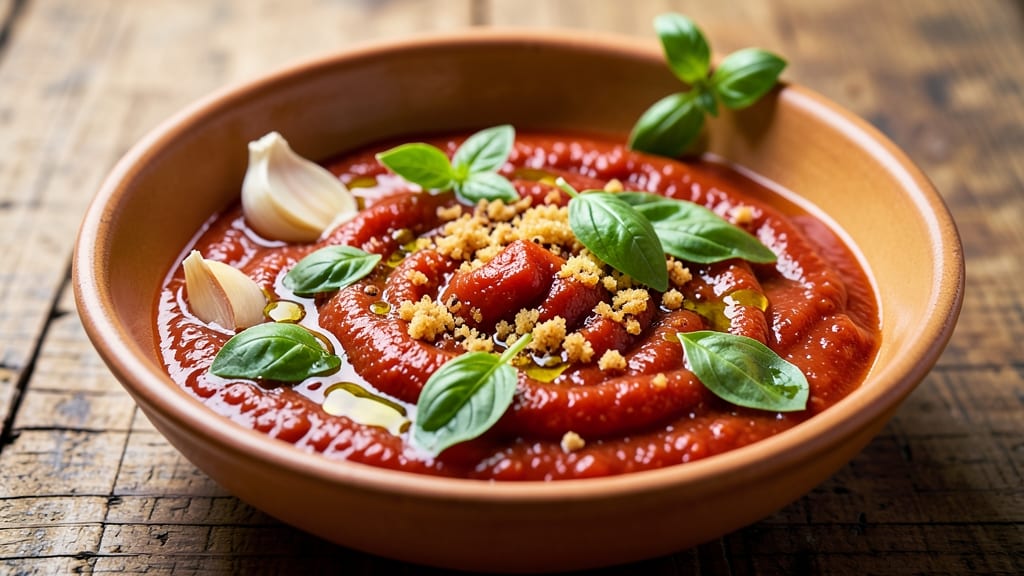
This arrabbiata sauce recipe transforms fresh tomatoes into a vibrant, fiery condiment that brings bold Italian flavor to any dish. The secret lies in balancing bright tomato acidity with heat from chili flakes and garlic, creating a sauce that's both complex and simple.
I developed this version to capture restaurant-quality intensity at home, where fresh tomatoes shine instead of canned shortcuts.
What sets this sauce apart is its versatility—perfect for tossing with pasta, drizzling over pizza, or serving as a dip for crusty bread. The process is straightforward: blanch fresh tomatoes, simmer with garlic and chili, then blend until smooth.
A 20-minute simmering time ensures deep flavor development without losing the sauce's signature bright red color.
By the end, you'll have a sauce that's rich in flavor but light enough to let other ingredients shine through. The aroma alone will transform your kitchen into an Italian trattoria, while the heat and acidity create a perfect balance.
Store it in the refrigerator for up to 5 days, where flavors continue to meld beautifully.
This arrabbiata isn't just a sauce—it's a flavor experience that elevates simple dishes into something extraordinary. The key is freshness, so don't compromise on quality tomatoes. Let's create this bright red heat that will become your new go-to condiment.
Ingredients for arrabbiata sauce recipe fresh tomatoes
Fresh tomatoes, garlic, and chili flakes—this trio creates restaurant-quality arrabbiata sauce.
| Ingredient | Amount | Notes |
|---|---|---|
| Fresh Tomatoes 🍅 | 1 ½ lb | Roma or vine-ripened preferred |
| Garlic Cloves 🧄 | 6 cloves | Fresh, peeled, for bold flavor |
| Red Chili Flakes 🌶️ | 1 tbsp | Adjust for heat preference |
| Extra-Virgin Olive Oil 🫒 | ¼ cup | High-quality, fruity variety |
| White Wine 🍷 | ½ cup | Dry, like Pinot Grigio |
| Fresh Basil Leaves 🌿 | ¼ cup | Packed, stems removed |
| Salt 🧂 | 1 tsp | Diamond Crystal preferred |
| Black Pepper 🌶️ | ½ tsp | Freshly ground for best flavor |
| Lemon Juice 🍋 | 1 tbsp | Freshly squeezed for brightness |
The tomatoes are everything here. Roma tomatoes from the grocery store or vine-ripened from the farmers market make all the difference—they're meatier and less watery. Trader Joe's and Whole Foods usually have great fresh ones. If you're using garden tomatoes, pick the firmest, ripest ones you can find. The garlic? Fresh is non-negotiable—jarred garlic has no soul. I always grab a whole head and peel the cloves myself right before cooking. For the chili flakes, Calabrian chili flakes add authentic heat, but regular red chili flakes work too.
No white wine? Substitute with extra tomato paste or chicken broth—just add a splash of vinegar or lemon juice to cut the sweetness. Fresh basil wilting? Dried basil at one-third the amount gets you close, but it won't have that same bright, fresh aroma. The olive oil matters here too—avoid the cheap stuff. A good extra-virgin oil with fruity notes will make this sauce sing. If you're sensitive to heat, start with half the chili flakes and add more to taste. The lemon juice is your secret weapon for brightness—don't skip it, even if you're not a fan of citrus.
This sauce tastes even better the next day as flavors meld. Store it in an airtight container in the fridge for up to 5 days. For longer storage, freeze in ice cube trays—just thaw in the fridge before using. I always make a double batch because it disappears fast. The sauce thickens as it cools, so if it's too thick after chilling, just stir in a splash of water or pasta water. Trust me, the leftovers are worth it.
Why You'll Love This Recipe
- No-Chop Needed: I swear by this—just toss in whole tomatoes (peeled, halved) and let them break down. The garlic and chili flakes do all the work while you sip your wine. That’s my kind of cooking.
- Wine-Paired Heat: That splash of white wine cuts the acidity while the chili flakes bring the fire—just enough to make your taste buds wake up. Honestly, it’s the kind of sauce that makes you reach for seconds without even thinking.
- Pasta Party Fix: Dress up spaghetti for date night or toss it with crusty bread for a lazy Sunday. Between us, this sauce is my go-to for potlucks too—everyone asks for the recipe.
- Fridge Goldmine: Make a double batch—it keeps for days in the fridge, and freezes like a dream. I’ve revived this sauce from the freezer months later, and it still packs that same punchy, garlicky punch. Budget hack? Yes. Lifesaver? Absolutely.
Step-by-step instructions for arrabbiata sauce with fresh tomatoes
This bright, fiery sauce comes together faster than you think—just follow these simple steps.
Prep and Cook the Tomatoes
Start by cutting the 1.5 lb fresh tomatoes in half crosswise and scoop out the seeds with a spoon. This removes excess water and makes the sauce richer. Place the tomatoes in a large pot and add 1 tbsp red chili flakes and 1 tsp salt. Bring to a gentle boil over medium heat for 5 minutes until the tomatoes soften and begin to break down.
Here's the thing—don't rush this step. You want the tomatoes to collapse and release their juices naturally. Stir occasionally so they cook evenly, and you'll see the mixture transform from chunky to a thick, rust-colored purée. This is where the sauce gets its signature bright color and vibrant flavor.
Build the Flavor Base
Once the tomatoes are soft, reduce the heat to low and add 6 cloves peeled garlic cloves and 0.25 cup extra-virgin olive oil. Stir gently and let it simmer for 8-10 minutes until the garlic is fragrant but not browned. This prevents bitterness and ensures a smooth, sweet garlic flavor.
After the garlic has infused, pour in the 0.5 cup white wine and let it simmer for 3-4 minutes until the alcohol aroma disappears. This step is crucial—it deglazes the pot and adds depth to the sauce. You'll notice the sauce thicken slightly as the wine reduces. If it gets too thick too soon, just add a splash of water to loosen it up.
Finish with Brightness and Herbs
Add 0.5 tsp black pepper and bring the sauce to a gentle simmer again. Let it cook for 5-7 minutes until it reaches your desired consistency—it should coat the back of a spoon but still be loose enough to cling to pasta. Stir in 1 tbsp lemon juice and 0.25 cup fresh basil leaves, removing them after 2 minutes of cooking. This adds a bright, fresh finish that cuts through the heat.
Taste and adjust the seasoning. You might need a pinch more salt or a touch more chili flakes, depending on your heat preference. The sauce should be vibrant red, slightly thick, and packed with layers of flavor—tomatoey, garlicky, with a spicy kick and herbal brightness.
Serve Immediately on Pasta
Transfer the sauce to a bowl and toss it with your cooked pasta. If it's too thick, stir in a splash of pasta water to loosen it up. The sauce should coat the pasta evenly, with a glossy sheen and a hint of oil on top. Serve immediately while the sauce is hot and the basil leaves are still releasing their aroma.
This sauce is all about balance—spicy but not overwhelming, bright but still rich. The fresh tomatoes give it a vibrant color and natural sweetness, while the chili flakes bring the heat. The white wine adds complexity, and the lemon juice and basil keep it fresh and lively. Enjoy it with your favorite pasta for a dish that's quick, flavorful, and full of character.
Pro Tips For Making Arrabbiata Sauce Recipe Fresh Tomatoes
- Sear the Garlic Low: I learned this the hard way—blasting garlic in olive oil turns it bitter fast. After the wine cooks off, drop heat to medium-low and let the garlic sizzle gently until just golden. You’re not frying, you’re infusing.
- Salt the Tomatoes First: Dump those halved tomatoes in a bowl with a big pinch of salt and let them sit 10 minutes. This draws out water and concentrates their flavor—no soggy sauce later. (Yes, even if you’re impatient like me.)
- Deglaze with Wine Slowly: Pour the white wine in a steady stream while stirring constantly. Let it bubble away completely before adding tomatoes—rushing this step leaves a raw alcohol taste that ruins the sauce. Patience here matters.
- Crush Tomatoes Roughly: No food processor—just smash them with your hands or a knife. Big chunks break down into a chunky, vibrant sauce, not a watery mush. (And skip the peeling unless you’re feeling fancy.)
Serving suggestions for arrabbiata sauce recipe fresh tomatoes
Pasta Pairings
This arrabbiata sauce shines brightest with al dente spaghetti or linguine—the long strands catch the sauce beautifully. For extra texture, try bucatini or rigatoni to hold onto the chunkier bits.
I always cook my pasta in well-salted water with a splash of olive oil to prevent sticking. Reserve ½ cup pasta water before draining to adjust sauce consistency later. 🍝
Pizza Topping
Use this sauce as a base for Neapolitan-style pizza—spread a thin layer on dough, then top with fresh mozzarella, sliced cherry tomatoes, and basil leaves. Bake until the cheese is bubbly and golden.
For a vegan option, swap mozzarella for vegan mozzarella and use olive oil instead of butter. The sauce’s acidity cuts through the richness perfectly.
Dipping Sauce
Serve warm arrabbiata as a dip for crusty bread, garlic knots, or fried calamari. The heat and brightness make it irresistible. For a fun twist, drizzle over grilled chicken skewers or roasted vegetables like zucchini or bell peppers.
I love pairing it with burrata cheese for a creamy contrast that balances the spice. 🧀
Breakfast Twist
Yes, really! Use this sauce to elevate breakfast eggs—drizzle over fried eggs, shakshuka, or avocado toast. The acidity cuts through the richness of eggs beautifully.
I also love it on garlic toast with a sprinkle of Parmigiano-Reggiano for a quick, flavorful bite. It’s a game-changer for lazy mornings.
Meat Additions
For heartier dishes, stir in crumbled pancetta or Italian sausage while simmering the sauce. The fat renders into the sauce, adding depth. If you prefer chicken, shred poached chicken breast and toss it in at the end.
The sauce’s brightness complements the meat without overpowering it. Just add protein after the sauce is fully cooked to avoid overcooking.
Storage Hacks
Let the sauce cool completely before storing in an airtight container in the fridge for up to 5 days. For longer storage, freeze in ice cube trays—thaw in the fridge before using.
The sauce thickens as it chills, so stir in pasta water or water to loosen it before reheating. I always double the batch because it disappears fast! 🔥
Nutrition facts
Frequently asked questions
Can I use canned tomatoes instead of fresh for arrabbiata sauce?
Fresh tomatoes give the brightest, most vibrant flavor, but you can use canned tomatoes in a pinch. For best results, choose high-quality crushed tomatoes (not diced) and add 1 tbsp tomato paste to boost depth. Reduce cooking time to 15 minutes since canned tomatoes are already broken down. The sauce will be slightly less bright but still delicious.
How do I adjust the heat level in this sauce?
Start with the full 1 tbsp chili flakes and taste as you go. For milder heat, reduce to ½ tbsp or swap for ½ tsp crushed red pepper flakes. If you want extra kick, add 1-2 sliced fresh chili peppers (like jalapeños) with the garlic. Remove them before blending if you prefer smooth heat.
Why did my arrabbiata sauce turn out watery?
Watery sauce usually happens from overloading tomatoes or not cooking them long enough. For next time, use Roma tomatoes (they're less watery) and simmer uncovered for 10-15 minutes to reduce excess liquid. If it's too thin now, blend it briefly to break down the tomatoes further, then simmer another 5 minutes.
Can I make arrabbiata sauce ahead of time?
This sauce tastes even better the next day as flavors meld. Store in an airtight container in the fridge for up to 5 days. For longer storage, freeze in ice cube trays—thaw overnight in the fridge. The sauce thickens when chilled, so stir in 1-2 tbsp water or pasta water before reheating.
What's the best pasta to serve with arrabbiata sauce?
Long, thin pastas work best—try spaghetti, linguine, or bucatini to catch the sauce beautifully. For extra texture, use rigatoni or pappardelle to hold onto chunkier bits. Cook pasta al dente and reserve ½ cup pasta water to thin the sauce if needed.