
Sauces & Condiments
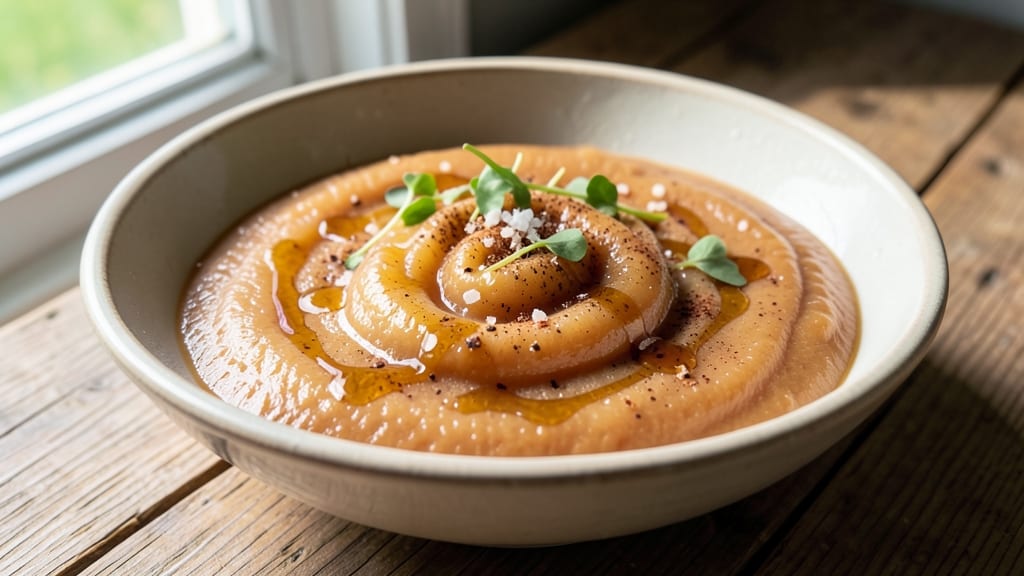
Making applesauce without peeling apples unlocks a deeper, more complex flavor that store-bought versions simply can't match. The skins add natural sweetness and a subtle earthiness that transforms this into a sauce worth making from scratch.
This one-pot method preserves all those nutrients while creating a velvety, naturally sweet applesauce with minimal effort.
What sets this recipe apart is the simplicity of the process—no peeling, no chopping, just core and cook. You'll use a mix of sweet and tart apples for balance, and a touch of cinnamon to enhance the warm, comforting flavors.
The skins soften during cooking, blending seamlessly into the sauce without any gritty texture.
The result is a smooth, naturally sweet applesauce with just the right amount of spice, perfect for topping pancakes, pairing with cheese, or using as a healthy snack. The skins contribute antioxidants and fiber, making this version both delicious and nutritious.
Ready in about 30 minutes, it's a foolproof way to enjoy homemade applesauce with restaurant-quality depth.
This method works equally well with fresh apples or frozen ones, and you can adjust the sweetness by adding a touch of sugar or honey if needed. The sauce thickens beautifully as it cools, making it ideal for meal prep or gifting.
Let's get started on this easy, no-fuss applesauce that keeps the skins—and all their goodness—included.
Ingredients for applesauce recipe without peeling apples
Seven simple ingredients transform whole apples into velvety, skin-included applesauce—no peeling required.
| Ingredient | Amount | Notes |
|---|---|---|
| Apples (Mixed Varieties) 🍎 | 4 lb | Sweet and tart mix (e.g., Gala, Fuji, Granny Smith) |
| Water 💧 | 1 ½ cups | Or apple juice for extra flavor |
| Granulated Sugar 🍚 | ¼ cup | Adjust to taste (or omit for unsweetened) |
| Ground Cinnamon 🌿 | 1 tsp | For warm spice (optional but recommended) |
| Lemon Juice 🍋 | 1 tbsp | Freshly squeezed for brightness |
| Salt 🧂 | ½ tsp | Kosher or sea salt for balance |
| Vanilla Extract 🌸 | ½ tsp | Pure vanilla for depth (optional) |
Apples are the star here, so grab a mix of sweet and tart varieties—Gala and Granny Smith work perfectly. Local farmers markets often have organic options, but conventional apples from Trader Joe's or Whole Foods work fine. No need to peel or core perfectly—just slice them into chunks, leaving the skins intact. The skins soften beautifully during cooking, adding natural sweetness and fiber. If you're using frozen apples, thaw them first—they'll release moisture and help create a smoother texture. For extra convenience, Costco's bulk apple bags are a great deal, but any store-bought apples will do.
No sugar? Skip it or use maple syrup—this sauce is naturally sweet enough with the skins. Fresh lemon juice is ideal, but bottled works in a pinch (just check for additives). The cinnamon can be swapped for nutmeg or cardamom if you're feeling adventurous, but classic cinnamon is foolproof. Vanilla extract adds depth, but if you're out, vanilla bean paste or almond extract works too. For a thicker sauce, reduce the water by half a cup. If you prefer it chunkier, leave some apple pieces slightly larger—they'll soften but stay intact.
This sauce keeps beautifully in the fridge for up to 1 week in an airtight container. For longer storage, freeze it in ice cube trays or small jars—perfect for smoothies or baking. The flavor actually improves after a day or two as the spices meld. Reheat gently on the stove or microwave until warm. Portion it into small jars for easy snacking or gifting. If it thickens too much after refrigeration, just stir in a splash of water or apple juice to loosen it up.
Why You'll Love This Recipe
- Skip the Peeling: I’ll admit, I used to dread peeling apples—messy, time-consuming, and always a chore. This method? Just toss whole apples (cores removed) into boiling water, and the skins soften right off. No knife skills required, just a quick scrub and go.
- Warm Spice Magic: That first taste of cinnamon-infused applesauce—smooth, sweet, with just a hint of tang from lemon—is pure comfort. Honestly, the mix of tart Granny Smiths and sweet Honeycrisp (or whatever you grab) makes it taste like autumn in a jar, every time.
- Leftovers That Last: Between us, I always make too much, and that’s a win. This applesauce keeps for weeks in the fridge, freezes beautifully for smoothies or baking, and even my picky kid will finish the jar. No sad, wilted fruit here—just reliable, flavorful leftovers.
- Budget-Friendly Staple: Apples are cheap, sugar is cheap, and you’re not buying pre-made jars with weird additives. I’ll be real: this costs me less than half what store-bought applesauce does, and it’s so much better. Plus, the lemon juice keeps it fresh longer—no waste, just savings.
Step-by-step instructions for skin-on applesauce
Here's how to make rich, spiced applesauce keeping the skins on for extra texture and nutrition.
Prepare and Core the Apples
Start by washing the 4 lb apples (mixed varieties) thoroughly under cool water. I like to use a mix of sweet and tart apples—think Gala, Fuji, and Granny Smith—for that perfect balance. Cut each apple in half through the stem and core, removing the seeds and blossom ends. Leave the skins on—they're packed with fiber and antioxidants that make this applesauce extra nutritious.
Place the apple halves in a large pot with the cut sides facing down. The skins will soften beautifully during cooking, and you'll end up with a naturally thick, rustic texture. If your apples are particularly large, you might want to cut them into quarters to ensure even cooking.
Add Water and Cook Until Tender
Pour in the 1.5 cups water and bring the mixture to a boil over medium-high heat. Once boiling, reduce the heat to medium-low and let it simmer uncovered. Stir occasionally to prevent sticking—this is where those skins really help, as they create a natural barrier that keeps the apples from burning.
Cook for about 20-25 minutes until the apples are fork-tender. You'll know they're ready when a knife slides in easily and the skins are soft but still hold their shape. If you're using particularly firm apples, you might need an extra 5 minutes, but don't overcook or the sauce will turn mushy.
Season and Simmer to Perfection
Once the apples are tender, stir in the 0.25 cup granulated sugar, 1 tsp ground cinnamon, 0.5 tsp salt, and 1 tbsp lemon juice. The lemon juice brightens the flavor and helps balance the sweetness, while the cinnamon adds that classic warm spice. Let the mixture simmer for another 5-7 minutes until the flavors meld together and the sauce thickens slightly.
Here's the thing—if you prefer your applesauce sweeter, you can add more sugar now, but I like to taste as I go. The natural sweetness of the apples often needs just a touch more, so start with the full amount and adjust if needed. The skins will release their natural pectin as they cook, which helps thicken the sauce without needing any extra starch.
Finish with Vanilla and Blend
Remove the pot from heat and stir in the 0.5 tsp vanilla extract. This adds a subtle depth that takes the applesauce from good to amazing. Let it sit for 2-3 minutes to allow the vanilla to infuse. If you're making this ahead, this is a great time to let it cool slightly before blending—it'll be easier to handle.
Use an immersion blender to puree the applesauce right in the pot. If you don't have one, transfer the mixture to a food processor or blender in batches. Blend until smooth, but don't worry if you leave some texture—those little skin bits add character. Taste and adjust the seasoning one last time, adding more cinnamon or sugar if needed. The sauce should be sweet, spiced, and perfectly balanced.
Serve or Store
Serve the applesauce warm, straight from the pot, or let it cool before storing. It's delicious on its own, but I also love it paired with breakfast foods like pancakes, waffles, or even as a topping for yogurt. For leftovers, transfer to an airtight container and refrigerate for up to 5 days or freeze for up to 3 months.
If you're freezing, leave a little headspace in the container—applesauce expands as it cools. When reheating, warm it gently on the stove or microwave until steaming hot. The skins will soften even more, creating a creamy, comforting texture that's perfect for any time of year.
Pro Tips For Making Applesauce Recipe Without Peeling Apples
- CHOP APPLES UNIFORMLY: I learned this the hard way—uneven chunks mean some apples turn to mush while others stay tough. Aim for ½-inch pieces so they cook evenly, and don’t skimp on the knife work. (Yes, it takes 10 minutes longer, but your sauce won’t be a textural nightmare.)
- USE LESS WATER: The recipe might call for ½ cup, but I’ve found ¼ cup works just as well—sometimes even better. More water dilutes the flavor and makes the sauce watery. Start with less, then add more only if needed. (Your future self will thank you.)
- ADD CINNAMON LATE: Sprinkle the cinnamon in the last 5 minutes of cooking, not at the start. It burns faster than you’d think, and you’ll end up with bitter, gritty sauce. Stir it in right before tasting—trust me, the aroma changes everything.
- COOK TO 200°F: Take it off heat when the applesauce reaches 200°F (not just simmering). That’s when the pectin fully breaks down, giving you a smoother texture without overcooking. A candy thermometer is worth it—no more guessing.
Common mistakes when making perfect results
Overcooking the Apples
One of the biggest mistakes is letting the apples cook too long, which turns the sauce mushy and watery. I’ve seen this happen when people ignore the 20-25 minute guideline and let the apples break down completely.
The skins will soften, but they need to stay intact to maintain texture. If your sauce looks too thin, it’s better to blend it longer than to overcook the apples. 🍎
Skipping the Lemon Juice
Lemon juice isn’t just for flavor—it balances the natural sweetness of the apples and prevents the sauce from tasting flat. I’ve made applesauce without it, and while it’s still edible, it lacks brightness.
Use 1 tbsp fresh lemon juice to cut through the richness and enhance the cinnamon’s warmth. Trust me, your taste buds will thank you!
Using Only Sweet Apples
A mix of sweet and tart apples is key for depth of flavor. If you use only sweet varieties like Gala or Fuji, the sauce can taste one-dimensional. I recommend adding Granny Smith or Honeycrisp for that tangy kick. The contrast makes the final product more complex and satisfying. 🍏
Ignoring the Skins
Some people worry the skins will make the sauce gritty, but if cooked properly, they soften into a silky texture. The skins add fiber, antioxidants, and natural sweetness—don’t skip them! Just
Not Adjusting Sweetness
Every batch of applesauce is different, and the natural sweetness varies depending on the apples. Don’t be afraid to taste and adjust the sugar—start with ¼ cup and add more if needed. I’ve had batches where the skins alone made the sauce sweet enough, while others needed a little extra. Taste as you go!
Using the Wrong Pot
A nonstick or enameled pot is ideal because it prevents sticking and makes cleanup easier. I’ve seen people use stainless steel without enough water, and the apples end up burning.
If you’re using stainless steel, add a splash of water or apple juice to prevent sticking. A heavy-bottomed pot also helps distribute heat evenly. 🔥
Nutrition facts
Frequently asked questions
Why should I leave the apple skins on?
The skins add natural sweetness, fiber, and antioxidants that make this applesauce more nutritious than peeled versions. They also release pectin during cooking, which naturally thickens the sauce without needing extra starch. The skins soften beautifully into a silky texture when cooked properly, so there's no gritty aftertaste!
Can I use frozen apples instead of fresh?
Frozen apples work perfectly—just thaw them first. They'll release extra moisture, so you might need to reduce the water by ½ cup to avoid a watery sauce. The skins still soften beautifully, and you'll get that same rich, velvety texture. Just be sure to use mixed varieties for balanced flavor.
How do I adjust the sweetness if my apples are very tart?
Start with the full ¼ cup sugar and taste as you go. If needed, add more sugar in 1 tbsp increments until it reaches your preferred sweetness. For a healthier option, swap sugar for maple syrup or honey. The skins already contribute natural sweetness, so you might not need much extra at all!
Can I make this applesauce without cinnamon?
Yes! While cinnamon adds classic warmth, you can use nutmeg, cardamom, or even ginger for different flavors. For a spice-free version, just omit it entirely—the natural apple flavor still shines. If you want warmth without cinnamon, try ½ tsp vanilla bean paste for depth instead.
Will this applesauce thicken more as it cools?
Yes, it naturally thickens as it cools due to the pectin from the skins. If it's too thick after refrigeration, stir in 1-2 tbsp water or apple juice to loosen it up. For a thicker texture, reduce the water by ½ cup next time or simmer uncovered for an extra 5 minutes to evaporate more liquid.